
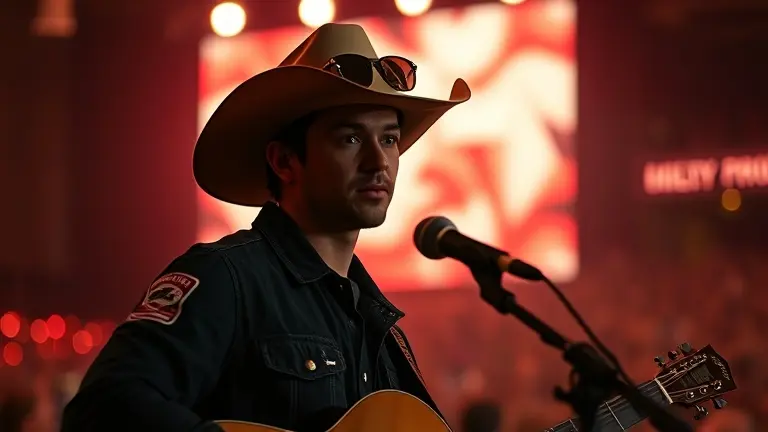
When TikTok star turned country artist Tayler Holder announced the immediate cancellation of his ‘When No One’s Around’ tour on May 11, 2026, it sent shockwaves through the entertainment industry. Just days into his journey, the high-energy persona that millions of fans adore gave way to a stark, vulnerable truth: he had reached his limit. This wasn’t just a scheduling conflict; it was a candid admission of being ‘unfulfilled,’ marking a pivotal moment where a performer chose their mental wellbeing over the relentless demands of the touring machine.
The sudden end of this tour serves as a poignant case study in the ‘influencer burnout’ epidemic. While social media paints a life of glamour and constant exuberance, the reality for digital-first creators moving into professional music is often one of exhausting cognitive dissonance. As we examine the pressure to maintain a performative, high-energy facade 24/7, we must confront the systemic issue: when the audience demands a constant version of you, how do you find the space to remain human?
The ‘When No One’s Around’ Tour: A Sudden Shift in Perspective
On May 11, 2026, the entertainment industry witnessed a jarring interruption to the momentum of rising country music artist and former TikTok star Tayler Holder. Just ten days into his highly anticipated ‘When No One’s Around’ tour, Holder announced the immediate and total cancellation of all remaining dates. The news arrived as a surprise to many, especially given the high-energy performances he had delivered since the tour’s launch on May 1. The abrupt decision serves as a high-profile case study in the growing discourse surrounding influencer burnout and the unsustainable pressures placed upon digital creators attempting to pivot into traditional music careers.
Prioritizing Wellbeing Over Performance
In a raw and vulnerable statement, Holder opened up about his internal struggles, citing feelings of deep loneliness and a lack of fulfillment that persisted despite his professional successes. He emphasized that he had reached his “limit,” framing the cancellation not as a failure of his career, but as a necessary intervention for his mental health. This decision highlights the profound disparity between an artist’s curated public persona—often characterized by “exuberant” stage presence—and the taxing reality of life on the road. Key takeaways from the announcement include:
- Radical Transparency: By explicitly naming mental health as the catalyst for the tour’s end, Holder joined a growing movement of artists who are prioritizing self-preservation over industry obligations.
- The Weight of Transition: Experts suggest the pressure to maintain a constant, high-energy content stream while simultaneously managing the physical toll of a music tour may have accelerated his need to step back.
- Industry Normalization: Major outlets such as USA Today and Yahoo Entertainment framed the tayler holder tour cancellation as a humanizing moment, prompting a broader conversation about how influencer-musicians are managed and the systemic issues inherent in the modern touring cycle.
By choosing to walk away, Holder has ignited a critical dialogue regarding the “price of the pivot.” For creators navigating the transition from the controlled environment of social media to the unpredictable nature of live music, this event underscores that even the most successful figures are susceptible to the exhaustion of maintaining a perpetually “on” public identity.
The Price of Pivot: The Influencer-to-Musician Transition
The Tayler Holder tour cancellation serves as a stark case study in the systemic pressures faced by digital-first creators attempting to pivot into professional music careers. For influencers, the transition from short-form content to the grueling, high-stakes environment of a national tour represents a shift from “curated spontaneity” to a rigid, demanding performance cycle. This transition often exposes a psychological disconnect; influencers are accustomed to having total control over their output, whereas touring musicians must adhere to a strict schedule that leaves little room for the emotional regulation required by creators who have spent years monetizing their private lives.
The Disconnect Between Content and Reality
The psychological toll of this transition is often exacerbated by the mandate for constant “high-energy” content. When an artist like Holder maintains an exuberant public persona while privately experiencing severe burnout, it creates a dangerous feedback loop. The audience expects the personality they see on TikTok, while the reality of live touring—characterized by long travel days, isolation, and intense scrutiny—demands a different, more sustainable set of professional boundaries.
The challenges of this pivot include:
- Monetization of Vulnerability: Creators often feel pressured to share their personal struggles as content, further blurring the lines between their private wellbeing and their professional brand.
- The “Influencer Burnout” Cycle: Constant engagement requirements prevent the downtime necessary for mental recovery, leading to feelings of being “unfulfilled” despite commercial success.
- Systemic Management Gaps: The transition from social media management to traditional music industry representation often lacks the infrastructure to prioritize the artist’s long-term mental health over immediate ticket sales and content quotas.
Evidence suggests that the tayler holder tour cancellation is not merely an isolated event, but a warning signal regarding the sustainability of the “influencer-to-musician” pipeline. As influencers continue to leverage their massive social followings to break into traditional entertainment sectors, the industry must reevaluate whether the current touring model is compatible with the unique psychological stressors inherent in the digital creator economy. Without systemic changes, more artists may find themselves reaching a breaking point where the price of the pivot outweighs the career gains.
Unfulfillment Amidst Success: The Paradox of the Digital Age
The Tayler Holder tour cancellation serves as a stark case study in the modern paradox of digital success, where external metrics—follower counts, ticket sales, and mainstream pivot milestones—often mask a deeper, internal exhaustion. Holder’s transition from a TikTok personality to a country music artist reflects the relentless nature of the “creator economy,” where the pressure to maintain a high-energy, constant public persona often conflicts with the psychological demands of professional touring. While his stage presence appeared “exuberant” to audiences, the reality behind the scenes was a performer struggling with feelings of being “unfulfilled” and reaching a breaking point.
The Mechanism of Influencer Burnout
The disconnect between the performer’s curated digital image and their private mental state is rarely linear. For artists who build their brand on constant accessibility, the transition to traditional music circuits introduces a unique set of stressors:
- The Content Treadmill: Unlike traditional musicians who might spend months in the studio, influencer-musicians are often conditioned to provide daily social media updates, making “disappearing” for a tour or hiatus feel like a failure of the brand.
- Performance vs. Authenticity: The requirement to be “always on” for both the camera and the concert crowd creates a feedback loop where the artist feels they are playing a character rather than expressing themselves.
- The Loneliness of Scale: Despite being surrounded by fans and crews, high-profile creators frequently report extreme isolation, as the nature of their fame is often transactional rather than rooted in long-term, intimate community building.
Evidence suggests that when a public figure like Holder admits to feeling “so lonely” despite professional advancement, it highlights a systemic issue within the entertainment industry. The mental health crisis facing influencer-musicians is often exacerbated by the speed at which they are expected to pivot. By prioritizing his wellbeing over the remaining ‘When No One’s Around’ tour dates, Holder has shed light on the unsustainable cycle of “hustle culture” that dominates the lives of digital-first creators, ultimately suggesting that success is a hollow achievement without the capacity for authentic, human balance.
Humanizing the Experience: Redefining Success Beyond the Tour

The Tayler Holder tour cancellation serves as a critical inflection point for the entertainment industry, highlighting the unsustainable pressures placed on digital-first talent. When an artist transitions from the controlled, asynchronous environment of social media to the relentless pace of a live concert tour, they often face a “reality gap” that can lead to profound burnout. To foster a healthier creative ecosystem, the industry must pivot from demanding constant, high-energy output to implementing infrastructure that supports the long-term well-being of its performers.
Building Sustainable Career Models
Addressing the mental health crisis among influencer-musicians requires a shift in how we define professional success. Rather than prioritizing volume and immediate reach, management teams and platforms should focus on:
- Scalable Tour Planning: Implementing pacing that allows for adequate downtime, ensuring artists are not forced to maintain a high-energy “exuberant” persona during every waking hour.
- Mental Health Infrastructure: Normalizing the inclusion of dedicated, on-tour wellness professionals who understand the unique psychological toll of digital fame.
- Authentic Professional Trajectories: Encouraging slower, more organic transitions that allow creators to develop their artistry without the immediate pressure of full-scale national tours.
The Role of Fan Advocacy
The conversation surrounding the Tayler Holder tour cancellation has demonstrated that fans can play a pivotal role in shifting the narrative. By moving away from sensationalizing departures and instead championing the importance of artist self-preservation, the community can incentivize a healthier culture. True success should be measured by the longevity and artistic fulfillment of the performer rather than the ability to push through exhaustion for the sake of a calendar date. Ultimately, humanizing the experience of modern stardom means recognizing that an artist’s value is not synonymous with their output, and prioritizing mental health is not a failure—it is a prerequisite for a sustainable and lasting career.
Reclaiming Focus in an Era of Digital Overload
Tayler Holder’s decision to step away is a powerful reminder that professional success is meaningless without mental clarity and personal fulfillment. The pressures of modern fame are uniquely taxing, often resulting in a state of chronic cognitive exhaustion that simple rest cannot remedy. When your entire identity is built on public performance, the invisible battle against mental fatigue becomes the true measure of your career’s sustainability.
While the world fixates on public metrics of success, the silent reality for many influencers is a battle against the mental fatigue caused by constant performance. Managing this requires more than just taking a break—it requires grounding the mind and restoring the cognitive balance often lost in the noise of the digital age. This is where a science-backed mental reset becomes essential for anyone navigating high-pressure environments.
The Brain Song offers a targeted approach to managing the cognitive fog and mental strain that often accompany the extreme stressors of high-performance careers. By utilizing a proven, non-invasive method to stimulate cognitive recovery, it provides the exact mental ‘reset’ that creators and professionals need to reclaim their focus and sustain their wellbeing long-term.
 Discover how a 12-minute daily audio routine can help you reset your mental clarity and combat the ‘influencer burnout’ cycle.Yes, I Want to Restore My Mental Clarity Now!