
On August 12, 2026, the moon will cast its shadow across Europe for the first time in 27 years, turning day into a haunting twilight across Greenland, Iceland, and northern Spain. While major cruise lines are currently selling out high-priced tickets, the true magic of this celestial event belongs to those willing to chart their own course. Whether you are navigating the rugged lava fields of Iceland or the historic valleys of the Spanish countryside, the secret to a successful eclipse expedition lies in independent preparation, not pre-packaged itineraries. However, do not let the recent confusion surrounding solar activity cloud your plans; unlike the sporadic auroral displays often triggered by geomagnetic storms, the 2026 total solar eclipse is a mathematically precise event that demands absolute logistical certainty.
As an independent traveler, you have the freedom to escape the crowds, but you also bear the responsibility of technical readiness. From optimizing your travel logistics to engineering stable viewing setups, success depends on precision. This guide empowers you to move past the amateur frustration of last-minute travel hacks and build a professional-grade experience on your own terms, ensuring that when the sky goes dark, your focus remains entirely on the spectacle above.
Understanding the August 12, 2026 Eclipse: Separating Fact from Space Weather
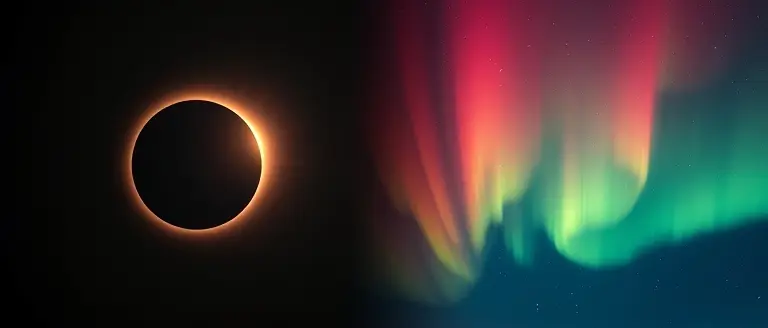
Recent spikes in public interest regarding “solar” events have led to a common confusion between the upcoming August 12, 2026, total solar eclipse and the intense geomagnetic storm activity witnessed in mid-May 2026. While both phenomena originate from the Sun, they operate through entirely different physical mechanisms. It is essential for travelers and enthusiasts to distinguish between these events to plan effectively.
The Physics of the Event
A total solar eclipse is a precise, predictable astronomical alignment—a lunar occultation—where the Moon passes directly between the Earth and the Sun, casting a shadow upon our planet. Unlike the chaotic nature of solar weather, the timing and path of this eclipse are calculated with extreme mathematical precision. In contrast, geomagnetic storms are triggered by coronal mass ejections (CMEs) from the Sun, which interact with Earth’s magnetic field to create auroral displays. While the May 2026 aurora activity was a highlight for skywatchers, it is an atmospheric effect driven by solar wind, whereas a solar eclipse is an orbital occurrence.
Why the Distinction Matters
Understanding these differences ensures you are prepared for the correct visual experience. Consider these critical distinctions when researching your upcoming trip:
- Predictability: Eclipses follow a strict, centuries-long orbital schedule. Geomagnetic storms are highly variable and often unpredictable until a few days before they occur.
- Visual Nature: An eclipse involves the Sun being obscured, temporarily plunging the path of totality into darkness. Auroral activity, conversely, is characterized by vibrant, shimmering lights that typically appear during nighttime hours.
- Safety Protocols: Solar eclipses require ISO-certified solar viewing glasses to prevent permanent retinal damage. Auroral viewing, which occurs at night, requires no specialized protective eyewear.
By recognizing that the August 12 event is a fixed celestial alignment, you can move past the confusion generated by fleeting space weather and focus on the logistical preparations required for witnessing this rare, once-in-a-generation total solar eclipse.
Mapping the Path of Totality: Where to Be on August 12
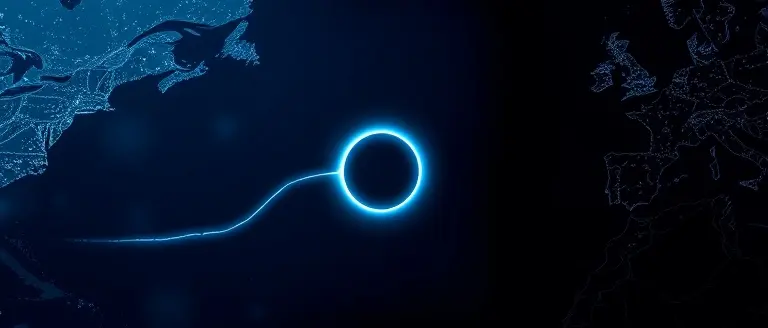
The total solar eclipse of August 12, 2026, carves a precise trajectory across the Northern Hemisphere, offering prime viewing opportunities in select regions of Greenland, Iceland, and Northern Spain. Unlike the broad swaths of previous events, this path is highly localized. Independent travelers must prioritize positioning themselves directly within the path of totality to experience the full moon-shadow effect. While the path extends over several remote areas, accessibility varies significantly, requiring strategic site selection well in advance of the event.
Understanding Path Geometry and Weather Risks
To maximize your experience, consider these geographical and logistical factors:
- The Centerline Advantage: While the entire path experiences darkness, the duration of totality is longest at the centerline. Moving even a few miles toward the edges of the path significantly reduces the duration of the eclipse, making precision navigation essential.
- Icelandic Cloud Cover: Because the eclipse occurs in northern latitudes, weather is the primary variable. Iceland offers stunning coastal backdrops, but maritime weather patterns are notoriously fickle. Travelers should monitor real-time satellite imagery and have alternative inland or coastal locations prepared if local cloud cover threatens visibility.
- Northern Spain’s Advantage: As the eclipse moves south toward sunset, Northern Spain provides a unique perspective. The lower angle of the sun at the end of the path creates a dramatic visual display, though it requires clear horizons. Unlike the rugged terrains of Greenland, Spain offers a more established network of secondary roads and local transport, which is ideal for independent planning.
Effective preparation for this solar eclipse relies on constant meteorological vigilance. Because high-latitude weather shifts rapidly, local mobility is your greatest asset. Rather than committing to a single fixed point days in advance, maintain a flexible itinerary that allows you to reposition along the path of totality based on the most current hyper-local weather forecasts.
Independent Travel Hacks: Navigating Greenland, Iceland, and Spain
For the independent traveler, witnessing the August 12, 2026, solar eclipse without the hefty price tag of a luxury cruise requires strategic planning and a departure from standard tourist routes. While major ports in Iceland and Spain will experience significant congestion, the path of totality offers vast, open landscapes that remain accessible to those willing to research local transit. To secure your vantage point, prioritize booking regional accommodations—such as local guesthouses, rural agrotourism stays (casas rurales in Spain), or designated campsites—at least six to nine months in advance. Avoid international hotel chains, which are already being block-booked by tour operators, and instead look toward regional tourism boards to find smaller, independent lodging providers that offer better value and a more authentic experience.
Mastering Local Logistics and Sustainability
Navigating these regions efficiently depends on your ability to move independently. In rural Spain and Iceland, rental vehicles are often the first resource to sell out; consider alternative regional transport such as local bus networks or, in some areas, pre-booked private transfers that service smaller villages. When planning your viewing site, always prioritize environmental stewardship.
- Go Remote: Search for viewing spots outside of the primary urban hubs. Even a 30-minute drive away from major town centers can significantly reduce your exposure to dense crowds.
- Respect the Terrain: Stick to marked trails and designated observation areas. Greenland and the Icelandic highlands possess fragile ecosystems; avoiding off-road transit is essential to protecting these environments.
- Weather Readiness: The eclipse solar event is weather-dependent. Monitor regional meteorological sites rather than national forecasts to understand localized microclimates, which can change rapidly in coastal regions.
- Essential Gear: Pack high-quality, ISO-certified solar eclipse glasses well in advance, as local supply chains will be exhausted closer to the date.
By prioritizing remote observation points, you minimize your impact on local infrastructure while maximizing your chances of an unobstructed view of the totality. Adopting a flexible itinerary allows you to adjust your position based on real-time weather reports, ensuring you capture this rare astronomical phenomenon away from the cruise ship crowds.
The Essential Eclipse Toolkit: Logistical Preparation for Observers
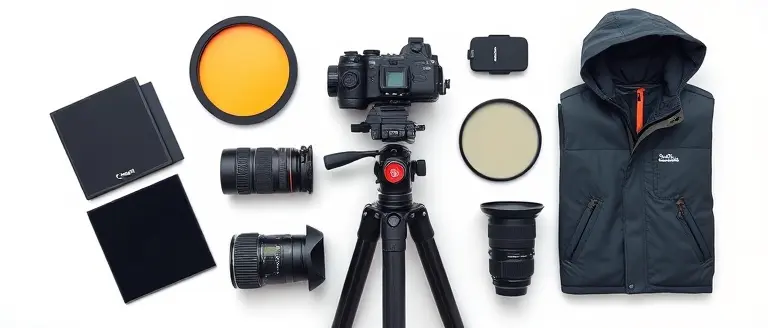
Preparing for the August 12, 2026, total solar eclipse requires more than just picking a spot on a map. Because the path of totality crosses high-latitude regions like Iceland and Greenland, independent travelers must prioritize modular, climate-appropriate gear to ensure both safety and comfort. Unlike luxury cruise passengers who enjoy climate-controlled observation decks, you will be subject to local environmental variables that can shift rapidly.
Essential Gear for High-Latitude Observation
- ISO 12312-2 Certified Eyewear: Verification is non-negotiable. Ensure your solar filters are purchased from reputable vendors and lack any punctures or scratches. Testing your equipment in the weeks leading up to the event is essential to avoid last-minute malfunctions.
- Tripod Stability Systems: Wind gusts in Iceland and coastal Spain can be significant. If you plan to capture the eclipse solar phenomena with a camera, use a heavy-duty tripod with a hook for a ballast bag. Adding weight significantly increases stability during long-exposure shots.
- Layered Apparel: Even in August, temperatures in Greenland and Iceland can plummet during the moments of totality. Prioritize moisture-wicking base layers, insulating mid-layers, and a windproof, waterproof outer shell.
- Real-Time Tracking: Relying on standard weather forecasts is risky. Utilize specialized apps like Windy or local meteorological services to monitor cloud cover in real-time. Having the flexibility to relocate a few kilometers can be the difference between viewing the total solar eclipse through clear skies or thick fog.
Beyond physical gear, ensure your electronic devices are prepared for low-temperature operation. Cold air drains batteries rapidly, so carry external power banks in interior, insulated pockets. By treating your logistics with the same rigor as an expedition, you ensure that your experience remains focused on the celestial event rather than equipment failure or environmental discomfort. Always maintain a backup plan for transport, as local infrastructure in remote regions often faces immense strain during mass migration events of this scale.
Master Your Expedition with Precision Engineering
Experiencing the 2026 total solar eclipse as an independent traveler is about more than just finding a vantage point; it is about the satisfaction of knowing you have prepared every detail of your journey with expertise. By bypassing the crowded cruise ships and taking control of your own logistics, you ensure an authentic experience, but this requires the right tools to guarantee your equipment—from camera stabilizers to custom viewing rigs—is rock-solid under any conditions.
Just as navigating the path of totality requires careful planning to avoid the pitfalls of overcrowded tourist traps, creating your own specialized viewing gear requires precise, reliable plans to ensure you don’t waste time on amateur mistakes. This is where the right preparation transforms a good trip into an unforgettable expedition.
We recommend Ted’s Woodworking as your essential toolkit for the independent eclipse chaser. By providing a comprehensive library of 16,000 tested, foolproof plans, this resource eliminates the trial-and-error struggle of building custom viewing structures. Whether you are crafting lightweight, travel-friendly gear or specialized mounts for your optical equipment, these professional-grade blueprints provide the technical certainty you need to execute your vision without the high costs of professional services. It is the perfect logical step for any traveler who values self-reliance and precision.
 Download your comprehensive library of professional-grade plans to build the perfect, custom-fit gear for your 2026 expedition.Build My Professional Gear Today!