
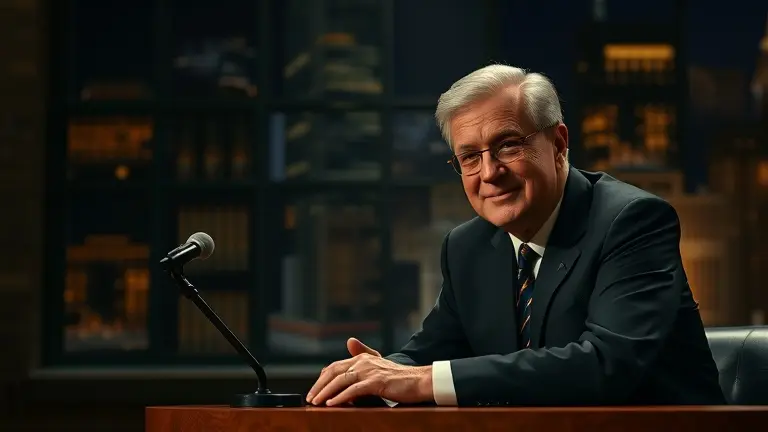
As the curtain falls on The Late Show with Stephen Colbert this May 2026, the television landscape finds itself caught in a profound moment of transition. The airwaves are heavy with nostalgia, drawing our attention back to the architect of the modern talk show: David Letterman. His recent, poignant appearance as the final guest on Colbert’s stage was more than a passing of the torch; it served as a stark reminder of how Letterman revolutionized the medium. From the surreal invention of ‘Stupid Pet Tricks’ to his unfiltered, often subversive interviews, Letterman didn’t just host a show—he fundamentally reshaped the cultural consciousness of generations.
We are currently witnessing the end of an epoch where network late-night television held the collective attention of the nation. As we compare the structural evolution from Letterman’s irreverent studio antics to the sociopolitical satire of the Colbert era, we are forced to confront the changing nature of media consumption in a streaming-dominant world. This retrospective journey is not merely about looking back at old clips; it is an analytical deep dive into the DNA of entertainment, requiring a sharp, attentive mind to fully synthesize the complex history of these two titans.
The End of an Era: Reflections on the Colbert Finale and the Letterman Legacy

The final broadcast of The Late Show with Stephen Colbert on May 21, 2026, serves as more than just a television sign-off; it marks the closing chapter of a three-decade cultural institution. By inviting David Letterman—the original host who defined the Late Show brand—as his final guest, Colbert underscored the profound lineage of the program. This symbolic passing of the torch provided long-term viewers with a rare sense of closure, effectively bridging the gap between Letterman’s ironic, anti-establishment roots and Colbert’s sharp, sociopolitical satire. The presence of the legendary host highlighted how the format has mutated to survive in a high-speed, streaming-dominant landscape, moving from the deliberate, experimental comedy of the 1990s to the urgent, advocacy-driven tone of the modern era.
The Evolution of Late-Night Television
The transition between these two titans illustrates the broader shift in how American audiences consume late-night media. While the Late Show with David Letterman relied on absurdist recurring bits like “Stupid Pet Tricks” to foster a communal, cult-like following, the Colbert era utilized the power of viral digital clips to engage a global, fragmented audience. Key shifts during this transition include:
- Format Adaptation: The move from character-driven, late-night absurdity toward long-form, issue-oriented commentary.
- Cultural Reflexivity: How both hosts used their platforms to interrogate the medium itself, with Letterman acting as the cynical provocateur and Colbert as the bridge to digital-era activism.
- Legacy Preservation: The conscious effort to maintain the Late Show as a touchstone of network television even as competitors pivoted to streaming formats.
Industry respect for this moment was palpable, evidenced by the decision of contemporaries like Jimmy Kimmel to bypass fresh programming to honor the broadcast. This historic finale confirms that while the specific hosts may cycle, the DNA of the Late Show remains a cornerstone of American entertainment, permanently anchored by the foundational work of David Letterman and the sophisticated evolution steered by Stephen Colbert.
The Architect of Late-Night: How David Letterman Redefined the Format
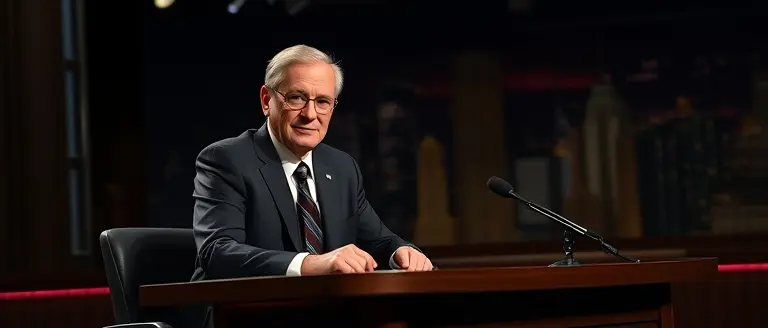
Before the polished, topical satire that defined the later years of the franchise, the Late Show with David Letterman served as a laboratory for post-modern comedy. When Letterman transitioned from NBC to CBS in 1993, he didn’t just host a talk show; he deconstructed the entire genre. By highlighting the artificiality of the studio environment, he invited the audience in on the joke, subverting traditional tropes like the overly rehearsed celebrity interview and the stiff monologue. His influence is foundational; without his willingness to experiment with the medium, the landscape of modern late-night television would lack its essential self-awareness and irony.
The DNA of a Legacy
The aesthetic and structural influence of David Letterman remains visible in every major talk show iteration, including the final days of the Stephen Colbert era. His innovations shifted the focus from merely “selling” movies to creating memorable, often chaotic, television moments. Key elements of his legacy include:
- Subversion of Tropes: Transforming mundane segments—like “Stupid Pet Tricks” or Top Ten lists—into cultural touchstones that prioritized personality over polished delivery.
- The Meta-Comedy Approach: Using the camera crew, the band, and the studio floor as active participants rather than background entities, which shattered the “fourth wall” of television.
- Authenticity over Polish: Letterman’s willingness to be visibly annoyed, nervous, or genuinely touched by guests humanized the host in a way that previous generations of broadcasters never attempted.
Even as late-night shows pivot toward digital-first strategies in a streaming-dominant landscape, the DNA of the original Late Show with David Letterman persists. He turned the desk into a platform for genuine connection and unpredictable humor, setting a standard of intellectual curiosity and artistic risk-taking that remains the gold standard for every host who has followed in his footsteps.
From CBS to History: A Visual Timeline of the ‘Late Show’ Evolution
The lineage of the Late Show with David Letterman is not merely a record of broadcast dates, but a chronicle of how late-night television redefined American culture. When David Letterman moved to CBS in 1993, the Ed Sullivan Theater became a central character in the show’s mythology. The transition from the “Late Night” era at NBC to the CBS flagship allowed Letterman to expand his experimental sensibilities, blending the absurd with the traditional talk show format. His residency established the baseline for what an audience expected: a mix of irreverent comedy, such as the iconic “Stupid Pet Tricks,” and profound, often vulnerable interviews that pushed the boundaries of the genre.
Defining Milestones in the Late-Night Legacy
The evolution of the Late Show can be categorized into several transformative phases that reflect broader shifts in media consumption and societal discourse:
- 1993–2015: The Letterman Era: Defined by sharp irony and the establishment of the CBS talk show blueprint. The studio itself became a monument to his specific comedic cadence.
- 2015–2026: The Colbert Transition: Stephen Colbert brought a shift toward high-concept satire and political commentary, yet he maintained the structural legacy of his predecessor. The set design evolved to be more expansive and modern, reflecting the digital-first era.
- May 11, 2026: The Symbolic Convergence: Letterman’s appearance as the final guest on the Late Show with Stephen Colbert served as a meta-commentary on the medium, bridging three decades of history.
As the industry reflects on the conclusion of the current iteration on May 21, 2026, it is clear that both hosts contributed to an indelible cultural footprint. Whether through Letterman’s foundational dry wit or Colbert’s politically charged monologue, the show has acted as a mirror for the nation. By comparing these distinct eras, we see a continuous thread of evolution where the studio evolved from a mere performance space into a vital, shifting sanctuary for the most important conversations in television history.
The Future of the Late-Night Monologue in a Changing Media Landscape

The conclusion of Stephen Colbert’s tenure on The Late Show serves as a symbolic bookend to the traditional broadcast era established by pioneers like David Letterman. For decades, the monologue functioned as the singular cultural thermometer of the United States, a nightly ritual that dictated the national conversation. However, as the industry transitions toward a streaming-dominant model, the rigid format that Letterman perfected—and which Colbert adapted—is facing an existential inflection point. The shift is not merely about viewership statistics; it is a fundamental transformation in how comedy and political commentary are consumed in a fragmented, algorithmic media ecosystem.
The tension between the “television institution” and modern content consumption is palpable. While Letterman relied on a cohesive, appointment-viewing audience, current producers must prioritize viral, snackable clips capable of penetrating social media feeds. This pressure to cater to digital metrics often conflicts with the long-form narrative structure that historically defined the late-night experience. As we look beyond the Colbert finale, several key factors suggest a permanent change in the late-night landscape:
- Fragmentation vs. Cohesion: The era of the “monolithic host” is fading, replaced by diverse voices across multiple streaming platforms.
- Viral Performance Art: Comedy segments are increasingly designed for “shareability” rather than deep contextual engagement.
- Changing Audience Habits: The decline of linear cable television forces networks to rethink the late-night budget and the necessity of daily production.
- Direct-to-Consumer Connection: Hosts are moving away from traditional monologue structures toward podcast-style long-form interviews that foster deeper, more parasocial connections with viewers.
Ultimately, the departure of these giants forces a reckoning regarding the relevance of the desk-and-sofa format. While the legacy of the Late Show with David Letterman remains the gold standard for late-night comedy, the future of the medium will likely rely on adaptability. Broadcasters must now decide whether to preserve the sanctity of the broadcast monologue or fully embrace the chaotic, decentralized nature of the modern digital frontier. The end of the Colbert era marks not just the closing of a show, but the end of the traditional television monopoly on nightly comedy.
Preserving Your Analytical Edge in a Changing Media Landscape
Reflecting on the lineage of the Late Show reveals a fascinating evolution of thought, humor, and cultural critique. Understanding how Letterman paved the way for Colbert requires more than passive viewing; it demands an active, engaged mind capable of processing decades of television history and its underlying societal shifts. As we navigate the closure of this monumental era, the mental intensity required to analyze these historical narratives can often lead to fatigue, potentially clouding our ability to appreciate the finer nuances of this media transition.
Just as these television titans sharpened the cultural wit of generations, our own ability to synthesize complex media shifts requires sharp cognitive focus. This is why many analytical viewers are now turning to neuro-auditory stimulation to stay mentally engaged. The Brain Song is specifically engineered as a cognitive performance tool for the discerning viewer, designed to eliminate mental fog and enhance learning capacity. By integrating this into your routine, you gain the focus necessary to perform deep-read sessions, allowing you to fully absorb the rich archival insights of this defining television history.
Elevate your media analysis and ensure you never miss the subtle connections that define our cultural evolution. Unlock your full analytical potential for your next deep-dive session—try The Brain Song today.
 Unlock your full analytical potential for your next deep-dive session—try The Brain Song today.Yes, I Want to Sharpen My Focus!