

In the spring of 2026, a peculiar visual language has begun to dominate the digital landscape of the US entertainment industry: the sea of blue dots. What began as a technical indicator on major ticketing platforms like Ticketmaster has evolved into a potent symbol of anxiety—a manifestation of unsold inventory haunting the once-invincible touring market. As high-profile artists and legacy acts face the cold reality of sprawling, empty seating charts, industry observers are no longer merely discussing poor sales; they are debating a fundamental shift in the live event economy. Is this the long-forecasted ‘nostalgia bubble’ finally bursting, or is it a sign of systemic fatigue as pricing models outpace the disposable income of the average fan?
Moving beyond the sensationalist headlines of tour cancellations, this deep-dive analysis investigates the supply-side economics driving this phenomenon. We are witnessing a critical juncture where the friction between aggressive dynamic pricing and a saturated event market has created a new category of risk. For industry professionals and investors, navigating this volatile landscape requires more than just spreadsheets; it demands a refined, razor-sharp analytical focus to distinguish between a temporary correction and the dawn of a permanent, more cautious era of live entertainment consumption.
The Blue Dot Fever Phenomenon: Understanding the 2026 Ticketing Crisis
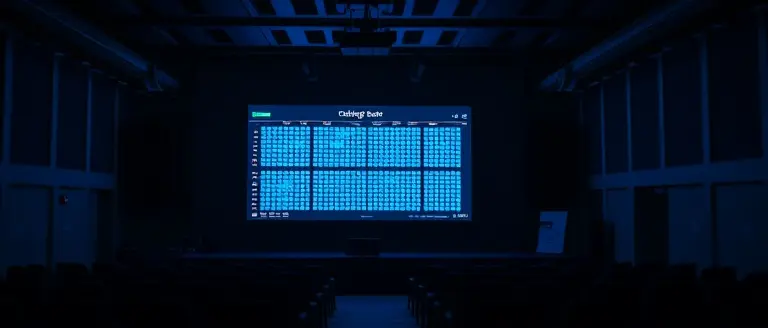
In the spring of 2026, the US live music landscape hit a sobering inflection point. Industry insiders and frustrated fans have adopted the term blue dot fever to describe the visual proliferation of unsold inventory on primary ticketing platforms like Ticketmaster. Far from a benign technical glitch, these clusters of blue icons represent a systemic cooling of the post-pandemic live music market. While the 2022–2024 era was defined by “revenge touring”—a period of insatiable demand where virtually any act could sell out a stadium—the current climate reveals a sharp disconnect between an artist’s digital streaming popularity and their actual capacity to move physical tickets in large-scale venues.
The Shift from Revenge Touring to Market Saturation
The rapid rise of blue dot fever marks a transition from the scarcity mindset of the early 2020s to a saturated, price-sensitive reality. Several key factors have contributed to this cooling trend:
- Normalization of Pricing: Aggressive dynamic pricing models have alienated casual fans, pushing ticket costs beyond the threshold of mid-tier disposable income.
- The Nostalgia Economy Ceiling: Legacy acts that successfully relied on 2023 nostalgia tours are finding that repeated annual residencies and stadium runs are failing to maintain the same sense of urgency.
- Visibility of Inventory: The transparency of real-time seat maps has transformed the “sold out” narrative, making it impossible for tours to hide poor performance from the public eye.
This phenomenon is not merely about waning interest in live performances; it indicates a structural misalignment between supply and demand. Industry reports, including recent transcripts from major promoters, confirm that investors are closely monitoring these unsold inventories as a bellwether for the broader entertainment economy. As we move deeper into 2026, the prevalence of these blue dots suggests that the industry is undergoing a painful but necessary correction, forcing artists and promoters to reconsider venue sizing, tour frequency, and the unsustainable price points that fueled the initial “fever.”
Economic Drivers: Why the Nostalgia Economy is Losing Steam
The emergence of blue dot fever is not merely a social media trend; it is a visible manifestation of a structural break in the live entertainment market. For the past several years, the “nostalgia economy”—centered on legacy acts and high-priced arena tours—has operated on the assumption that demand for heritage music is inelastic. However, recent data suggests that the consumer base has reached a saturation point where the cost of entry no longer aligns with perceived value.
The Impact of Discretionary Spending and Pricing Fatigue
Evidence suggests that the cooling demand is driven by a confluence of inflationary pressures and extreme market oversaturation. Fans are no longer just comparing a concert ticket price against their bank account; they are evaluating the cost of attendance against a surge in competing live event options. Key factors contributing to this downturn include:
- Pricing Over-Correction: Many legacy acts and their management teams have aggressively utilized dynamic pricing models, inadvertently pushing ticket costs beyond the psychological ceiling for the average fan.
- Experience Diminishment: With a massive volume of high-profile tours coinciding in the same fiscal quarters, the “must-see” factor has evaporated. When every legacy artist is touring simultaneously, the sense of urgency to purchase tickets vanishes.
- Disposable Income Constraints: The post-pandemic “revenge travel and concert” boom has subsided. As basic cost-of-living expenses remain high, consumers are becoming increasingly selective, opting for one major experience per year rather than attending multiple high-ticket shows.
Ultimately, the proliferation of unsold inventory—visualized as those ubiquitous blue dots—indicates that legacy acts may be overestimating their current draw in a fragmented attention economy. As industry stakeholders monitor these shifts, it is becoming clear that the industry is facing a fundamental correction rather than a temporary fluctuation, forcing a necessary re-evaluation of tour scaling and sustainable pricing strategies.
The Price of Algorithms: Impact of Dynamic Pricing on Sell-Through
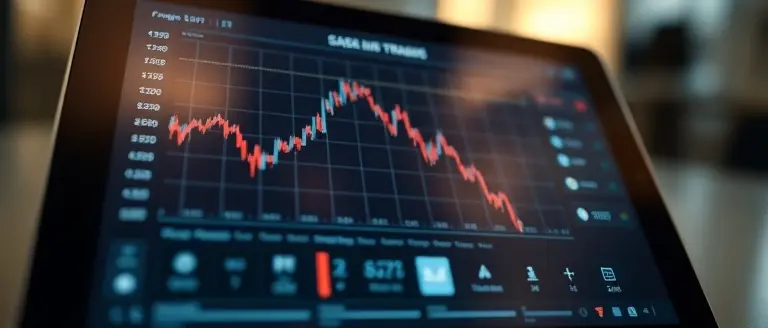
The rise of blue dot fever is inextricably linked to the widespread adoption of dynamic, demand-based pricing algorithms that dominated the post-pandemic recovery. In 2023, the industry operated under a “Fear of Missing Out” (FOMO) model, where scalper-adjacent pricing strategies were accepted as the cost of securing access to high-demand events. However, by 2026, the marketplace has hit a breaking point. Algorithms designed to maximize revenue by adjusting ticket prices in real-time have inadvertently created a barrier to entry that far exceeds the current disposable income of the average music consumer.
The Backfire of Algorithmic Inflation
Aggressive pricing strategies have fundamentally altered the relationship between artists and their fanbases. Evidence suggests that while these tools are intended to capture “surplus value,” they have instead inflated ticket inventory to levels that the market simply cannot sustain. When fans view a seating chart riddled with blue dots, they are witnessing the failure of an automated system that misread consumer sentiment.
- Erosion of Perceived Value: Excessive pricing has signaled to fans that live music is a luxury good, leading to increased price sensitivity and a decline in spontaneous attendance.
- Inventory Stagnation: Unlike the rapid sell-outs of 2023, modern tours are seeing unsold inventory languish, creating a visual feedback loop that discourages potential buyers who assume the event lacks “social proof.”
- Algorithmic Rigidity: The reliance on data-driven pricing often ignores the “nostalgia ceiling,” where fans are no longer willing to pay premiums for legacy acts if the perceived value does not align with their financial reality.
The current crisis highlights a fundamental flaw: algorithms are excellent at calculating mathematical potential but poor at predicting the psychological fatigue now defining the live event sector. As we move deeper into 2026, industry analysts note that the persistence of these pricing models is a primary driver behind the wave of tour cancellations, as artists are left with massive unsold inventory and no clear path to lowering prices without damaging their brand equity.
Future Projections: The Necessary Correction for Live Music

The emergence of blue dot fever acts as a definitive market signal that the post-pandemic era of infinite touring demand has reached a structural ceiling. As concert promoters and stakeholders analyze the unsold inventory plaguing major tours, the industry is poised for a significant pivot away from the “mega-tour” model that dominated the early 2020s. Evidence suggests that the future of live entertainment will not be defined by larger stadium footprints, but by a strategic contraction toward intimacy and scarcity. To mitigate the risk of empty seating maps, promoters are expected to favor smaller venue routing, which increases the likelihood of sell-outs, reduces overhead costs, and builds the artificial scarcity necessary to maintain premium pricing.
Shifting Economics and Pricing Transparency
The reliance on dynamic pricing algorithms has backfired, creating a friction-heavy consumer experience that often leaves venues visually barren. Industry analysts suggest that the next cycle of touring will require a transition toward:
- Transparent Tiering: Moving away from fluctuating algorithms toward predictable, value-based pricing that resonates with the current disposable income constraints of younger demographics.
- Strategic Routing: Utilizing data analytics to target secondary and tertiary markets where demand remains localized, rather than banking on mass-appeal stadium residencies.
- Subscription Models: Exploring fan-club or membership-based access to ensure baseline revenue before a single general admission ticket is released to the public.
Ultimately, the correction triggered by blue dot fever is not a sign of the industry’s demise, but a mandatory recalibration. The “nostalgia economy” can no longer sustain high-volume touring at inflated prices. Moving forward, success will be contingent on the industry’s ability to move from a supply-heavy, speculative model to one that prioritizes authentic demand and supply-side restraint. Those who fail to adjust to this cooling consumer appetite risk seeing their fiscal projections swallowed by the very digital maps they helped create.
The Path Forward in a Volatile Landscape
The ‘Blue Dot Fever’ is not merely a symptom of poor marketing or declining star power; it is an empirical signal of a market undergoing a painful, long-overdue recalibration. As the nostalgia economy cools and ticket prices continue to collide with the economic realities of the modern consumer, the ability to synthesize this complexity is what will separate the industry leaders from those left watching the maps stay blue. The data suggests that we are moving toward a more transparent, albeit more fragile, ecosystem where only those who understand the nuance of value—not just volume—will thrive.
However, the mental fog created by such rapid industry disruption can stifle the very clarity required to navigate it. In an era of market saturation and complex industry shifts, your ability to cut through the ‘fever’ requires more than just data—it requires peak cognitive performance. When the market is clouded by volatility, your mind should be a sanctuary of sharp, actionable intelligence. This is why we recommend The Brain Song as an executive cognitive optimization tool. By providing a science-backed method to clear the mental noise, it ensures you retain the acuity necessary to process these nuanced economic shifts and stay ahead of the next wave of industry disruption.
Reclaim your mental edge and sharpen your analytical focus with The Brain Song—start your 12-minute daily routine today.
 Reclaim your mental edge and sharpen your analytical focus with The Brain Song—start your 12-minute daily routine today.Yes, I Want to Sharpen My Focus Now!