

As global meteorological agencies sharpen their models, the climate conversation is increasingly dominated by the potential arrival of a Super El Niño in 2026. Unlike standard cycles, this emerging phenomenon carries the potential to become one of the most significant weather events in modern recorded history, raising legitimate questions about how it will reshape local landscapes and economies. While headlines often lean toward the sensational, the reality for homeowners is far more nuanced: this is a call for strategic awareness and proactive, localized preparation rather than indiscriminate alarmism.
Understanding the distinction between historical events, such as the 1997-98 or 2015-16 cycles, and the projected 2026 forecast is essential for navigating the coming months. From the agricultural heartlands of the Midwest to coastal infrastructure, the impact of shifted weather patterns will be felt differently across every U.S. region. This guide moves beyond the noise to provide evidence-based context, helping you identify exactly what this event means for your local environment and how you can take practical steps to fortify your home against the atmospheric volatility that lies ahead.
Understanding the Forecast: Why a 2026 Super El Niño is Predicted
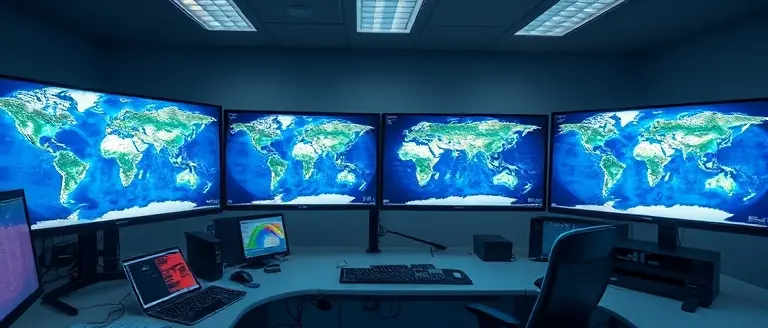
The emergence of projections regarding a 2026 Super El Niño stems from sophisticated climate modeling that tracks sea-surface temperature anomalies across the equatorial Pacific. As the globe transitions out of recent climatic phases, meteorological agencies—including international weather bureaus—have identified a rapid warming trend in oceanic heat content. Current data suggests a high probability, estimated by some models at up to 90%, that the Pacific will enter a strong warming phase by mid-2026. Unlike standard oscillations, a “Super” event is characterized by sea-surface temperatures climbing significantly above the historical average, which historically disrupts global atmospheric circulation patterns and shifts jet streams.
Scientific Drivers and Climate Indicators
The consensus among climatologists focuses on the convergence of several oceanic and atmospheric variables that distinguish this potential event from minor cycles:
- Ocean Heat Content (OHC): Deep-layer warming in the Pacific provides the “fuel” for sustained thermal release, often a precursor to record-breaking intensity.
- Trade Wind Weakening: Scientists are monitoring a reduction in the strength of easterly trade winds, which normally keep warm water contained in the western Pacific.
- Historical Benchmarks: By comparing current trajectories against the 1997-98 and 2015-16 cycles, researchers can better map how the El Niño weather phenomenon alters regional precipitation and temperature distributions.
While the term “Super El Niño” often triggers concern, it is a technical classification used by meteorologists to describe the magnitude of the thermal energy shift. Evidence suggests that while the physical phenomenon is natural, the background state of a warming climate may amplify these effects, leading to more pronounced disruptions in global weather systems throughout 2026 and 2027. Rather than viewing these forecasts as an absolute guarantee of catastrophe, they should be interpreted as early-warning indicators that allow for improved infrastructure, agricultural, and energy grid resilience planning.
Historical Context: Comparing 2026 to 1997 and 2015
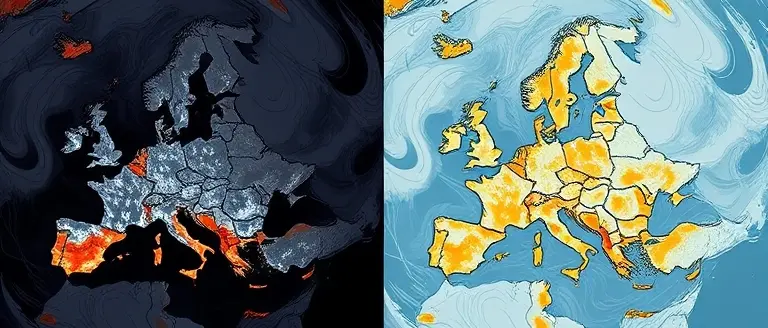
To understand the potential severity of the El Niño 2026 forecast, climatologists look to previous “Super El Niño” events that reshaped global weather patterns. The 1997-98 and 2015-16 cycles serve as the primary benchmarks for current research. During the 1997-98 event, Pacific sea surface temperatures reached anomalies that stunned the scientific community, leading to massive flooding in parts of the U.S. and severe droughts in Australia. Similarly, the 2015-16 event was marked by record-breaking heat, further intensified by a warming baseline from anthropogenic climate change.
Current projections for El Niño weather indicate that we are tracking a trajectory similar to, or potentially more rapid than, those historical milestones. While 2026 exhibits early warning signals—such as specific oceanic heat content levels and trade wind fluctuations—that mirror the lead-up to the 1997 event, there is a critical distinction: the background climate state is warmer today.
Key Parallels and Differences
- Thermal Baseline: The underlying ocean and atmospheric temperatures are significantly higher in 2026 than they were in 1997, potentially amplifying the atmospheric response to the same level of Pacific warming.
- Predictive Accuracy: Modern climate models have evolved significantly since 2015. With high-resolution satellite data and improved ocean-atmosphere coupling simulations, meteorologists are now able to identify the development of this phenomenon with a 90% probability much earlier in the cycle.
- Regional Variability: Like its predecessors, a 2026 event is expected to produce highly localized impacts, from increased winter precipitation in the Southern United States to intensified hurricane activity in the Pacific Basin.
By analyzing these historical patterns, scientists can better anticipate the duration and intensity of the upcoming cycle. Understanding this context helps shift the narrative from general anxiety to evidence-based preparation, allowing communities to mitigate the disruptions typical of a strong El Niño event.
Regional Impacts: What to Expect Across the United States
The potential emergence of a Super El Niño 2026 is driving significant concern regarding shifting El Niño weather patterns across the United States. Unlike standard oscillations, a “Super” event often forces the jet stream into a more meridional configuration, causing localized climate anomalies that can disrupt economic sectors and public infrastructure. While historical precedents like the 1997-98 cycle provide a baseline, scientists warn that today’s altered climate landscape may amplify these standard effects, necessitating a region-specific approach to risk management and agricultural planning.
Pacific Northwest and the Southwest
In the Pacific Northwest, residents should anticipate generally warmer and drier-than-average winters. While this may reduce snowpack levels, which is critical for seasonal hydroelectric power and water resource management, the primary concern remains the potential for extended drought conditions impacting forest health. Conversely, the Southwest typically experiences an increase in moisture. While this can provide a temporary reprieve for long-term drought conditions in states like Arizona and California, the intensity of a Super El Niño event often correlates with heightened risks of localized flooding and intense atmospheric river events that overwhelm aging infrastructure.
The Midwest: Agricultural Implications
For the Midwest, the impacts of an El Niño 2026 event are nuanced. The region often experiences milder winter temperatures, which can reduce heating demands but also disrupt traditional crop cycles that rely on deep freeze periods to manage pest populations.
- Crop Vulnerability: Farmers should monitor soil moisture levels closely, as altered precipitation patterns can lead to delayed planting or excessive runoff.
- Energy Grids: Shifts in heating demand may stress power grids that are historically optimized for more extreme winter cold snaps.
- Resource Management: Water authorities must balance the need for flood control with the necessity of capturing enough runoff to sustain agriculture through the subsequent summer, particularly if high temperatures follow the wet winter season.
Evidence suggests that being prepared for these meteorological fluctuations is far more effective than reacting to crisis-level weather events after they occur. By prioritizing infrastructure resilience and adapting agricultural strategies to account for increased variability, communities can better mitigate the disruptions inherent in such a strong climatic phenomenon.
Proactive Preparation: Essential Strategies for Households and Industries

As scientific models indicate a high probability of a “Super” El Niño 2026, moving from anxiety to actionable preparation is the most effective way to mitigate potential risks. While global weather authorities monitor the Pacific, homeowners and industry stakeholders should treat this forecast as a catalyst for resilience-building. El Niño weather patterns often manifest as intensified moisture in the southern US and drought conditions in the north, necessitating region-specific readiness. By auditing your vulnerability now, you can significantly reduce the impact of the extreme climate disruptions expected throughout 2026 and into 2027.
Household Resilience and Property Maintenance
For households, the focus should be on infrastructure hardening and supply chain self-sufficiency. Heavy rainfall associated with strong El Niño cycles often exposes flaws in drainage and roofing.
- Drainage and Landscaping: Ensure gutters, downspouts, and storm drains are clear of debris to prevent localized flooding during heavy precipitation events.
- Emergency Kits: Update your emergency supplies to include at least 14 days of non-perishable food, water, and essential medications, accounting for potential utility disruptions.
- Property Hardening: Inspect seals around windows and doors to prevent moisture infiltration, which is a common issue during high-humidity El Niño years.
Industrial and Agricultural Contingency Planning
Agricultural sectors and energy grids face unique challenges as this event unfolds. Agricultural contingency planning should prioritize crop insurance verification and irrigation efficiency. Producers should analyze data from previous extreme cycles, such as 1997-98, to identify potential yield risks.
- Energy Management: Businesses should review backup power solutions and grid reliance, as extreme temperature swings often strain electrical infrastructure.
- Supply Chain Logistics: Diversify logistics routes if you operate in areas prone to seasonal flooding or storm surges.
- Risk Assessment: Engage with regional meteorological updates to adjust planting or harvest schedules based on shifting precipitation patterns.
By taking these proactive steps, households and industries can navigate the volatility of El Niño 2026 with greater stability and less reliance on reactive, emergency-level measures. Preparation today transforms potential crisis into manageable operational shifts.
Taking Control of Your Home’s Resilience
As the scientific community continues to analyze the emerging data surrounding El Niño 2026, it becomes clear that while we cannot control global weather patterns, we can absolutely control the integrity of our own homes. The transition from passive observation to active preparation is the single most effective way to mitigate the anxiety associated with these long-range forecasts. By addressing infrastructure vulnerabilities now, you are not just reacting to a weather report; you are investing in the long-term safety and value of your property.
True peace of mind comes from knowing that your living space is fortified against the predicted weather extremes. While official climate alerts focus on awareness, you can transform that climate anxiety into productive, value-adding property improvements. This is where Ted’s Woodworking becomes an essential component of your resilience toolkit, providing the professional-grade blueprints and technical certainty required to build reinforced storm shutters, storage solutions, and weather-resilient structures without the frustration of amateur guesswork.
By utilizing these expert-verified plans, you bridge the gap between abstract warnings and tangible home fortification. It is the most practical, foolproof way to ensure your property remains a sanctuary regardless of the conditions outside. Start fortifying your home today: Access the complete library of DIY projects to secure your property before the 2026 weather shifts arrive.
 Start fortifying your home today: Access the complete library of DIY projects to secure your property before the 2026 weather shifts arrive.Secure My Home Resilience Now!