
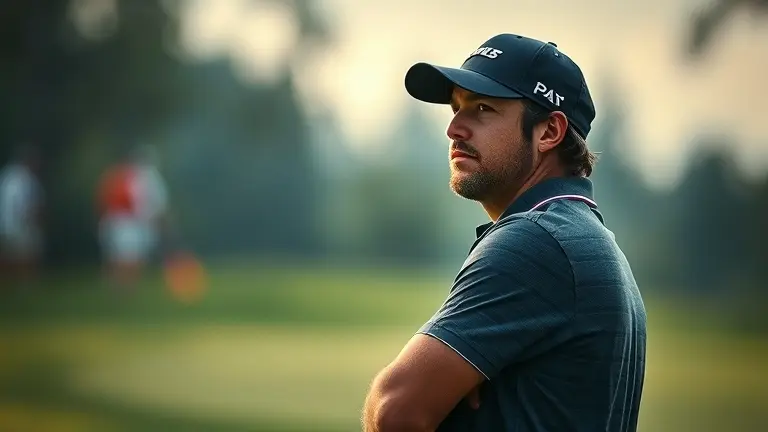
As the 108th PGA Championship kicks off at the historic Aronimink Golf Club, all eyes are fixed on Brooks Koepka. The major champion enters the tournament amidst a unique storm of scrutiny and expectation, fueled by his recent T11 finish at the Myrtle Beach Classic and a sudden, high-stakes equipment mishap that saw his trusted putter broken just days before the first tee. Yet, the real story isn’t just about the hardware in his bag; it is about the internal metamorphosis of one of golf’s most formidable competitors. Koepka has spoken candidly about rediscovering his joy for the game, marking a shift from pure, ruthless drive to a more balanced, sustainable psychological state.
For golf enthusiasts and peak performers alike, Koepka’s performance this week offers a masterclass in adaptation. Watching how he navigates the immense pressure of a major tournament with a new putter, while simultaneously prioritizing his mental happiness, provides a compelling blueprint for excellence. This isn’t just a physical test; it is a test of cognitive resilience under the most intense spotlight in the sport. How he manages this intersection of equipment uncertainty and mental clarity will likely determine whether he adds another trophy to his cabinet or if he must continue his quest to fully unlock his modern competitive edge.
Brooks Koepka at the 108th PGA Championship: A Major Test at Aronimink

The arrival of Brooks Koepka at the 108th PGA Championship marks a critical juncture in the professional career of one of golf’s most formidable major competitors. As the tournament kicks off today at the storied Aronimink Golf Club in Newtown Square, Pennsylvania, all eyes are locked on whether the four-time major winner can break his recent dry spell in championship play. Having gone 11 consecutive starts in majors without a top-tier finish, the pressure on Koepka to reclaim his status as a dominant force is palpable. However, his recent performance at the Myrtle Beach Classic, where he secured a T11 finish, provides a glimmer of optimism that his game is rounding into form at the precise moment required for a major victory.
Navigating Adversity and Finding Joy
The narrative surrounding Koepka this week is defined by a unique blend of technical adversity and a deliberate psychological shift. Facing an unexpected equipment crisis after breaking his putter just days before the event, Koepka must now navigate the challenging, tree-lined fairways of Aronimink with an untested replacement. This physical hurdle is compounded by the mental fatigue often associated with high-stakes championship golf, yet Koepka remains undeterred.
Key factors currently influencing his performance prospects include:
- The “Happiness” Factor: Koepka has been remarkably transparent about his mindset, telling reporters he has “refound his happiness.” This newfound joy in the game is seen by analysts as a potential catalyst for his competitive resurgence.
- Equipment Adaptation: Switching to a new flatstick under the bright lights of a major is rarely ideal, but Koepka’s ability to remain composed under pressure will be the defining metric of his tournament success.
- Course Fit: Aronimink rewards precision off the tee and a disciplined approach, areas where Koepka has historically excelled during his peak major runs.
Whether this week results in a championship surge or another learning experience, the intersection of his current equipment challenges and his refreshed mental state makes him the primary focal point of the 108th PGA Championship narrative.
The Putter Crisis: Equipment Adaptation Under Major Pressure
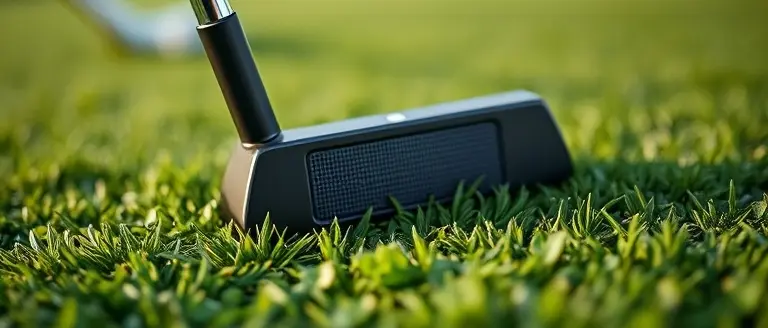
The timing of Brooks Koepka’s equipment malfunction could not have been more challenging. Just days before the start of the 108th PGA Championship at Aronimink Golf Club, the four-time major champion was forced to overhaul his setup after breaking his primary putter. In the high-stakes environment of a major tournament, where every stroke is magnified, switching equipment is a logistical nightmare that tests an athlete’s technical adaptability and mental fortitude. Unlike casual rounds, major championships require extreme precision, and the relationship between a golfer and their putter is built on thousands of repetitions and subtle confidence cues.
Technical and Psychological Hurdles
The challenge for Brooks Koepka is twofold. Physically, finding a putter with the exact weighting, loft, and lie angle that mirrors his previous instrument is rarely seamless. Elite players rely on specific feedback loops—the sound, the feel off the face, and how the ball rolls on varying grass types—to regulate their speed and line. Replacing this tool mid-week introduces variables that can undermine a player’s stroke rhythm.
From a psychological perspective, the equipment mishap acts as a significant “stress test.” However, current reports regarding his recent T11 performance at the Myrtle Beach Classic suggest that Koepka is in a resilient mindset. His public comments about “refinding his happiness” indicate a move away from the frustration that plagued his recent 11-start drought in majors. To maintain his competitive edge at Aronimink, Koepka must:
- Trust the Process: Prioritize the mechanics of his stroke over the nuances of the new implement.
- Focus on Green Reading: Compensate for potential equipment inconsistencies by relying on his veteran experience in reading complex greens.
- Maintain Composure: Use his refreshed mental state to minimize the distraction of the late equipment change, focusing instead on his broader game plan.
While history shows that elite golfers can thrive despite equipment shifts, the narrow margins at this year’s PGA Championship leave little room for error. Koepka’s ability to adapt under this specific pressure may ultimately serve as the defining narrative of his performance this week.
Finding Joy: The Mental Shift Driving Koepka’s Resurgence
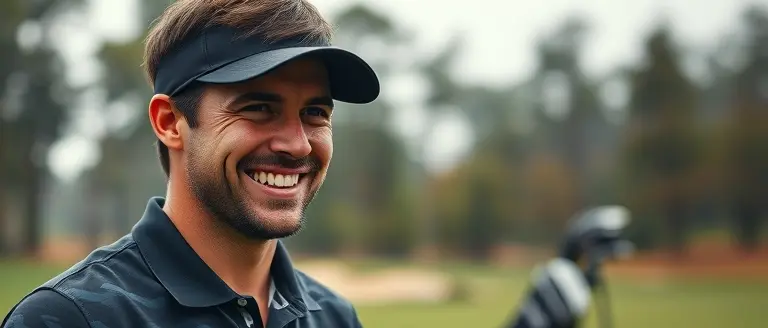
For much of his career, Brooks Koepka operated with a cold, analytical intensity that prioritized dominance over enjoyment. However, as he arrived at the 108th PGA Championship at Aronimink, the narrative surrounding the major champion has shifted significantly toward his internal state. After a challenging stretch—including a notable drought of 11 consecutive starts in majors without a top finish—Koepka has publicly addressed a fundamental change in his approach, stating, “I refound my happiness.” This admission is not merely a soft-spoken sentiment; it represents a calculated strategic pivot intended to mitigate the burnout often associated with the high-stakes environment of professional golf. By decoupling his self-worth from perfectionist outcomes, Koepka is attempting to regain the free-flowing athleticism that once made him the most feared closer in the sport.
The Strategic Value of a “Joy-First” Mentality
Evidence from his recent T11 finish at the Myrtle Beach Classic suggests that this newfound joy is paying dividends on the course. In professional sports, the transition from “grinding” to “playing” often unlocks suppressed talent, particularly during high-pressure weeks like those at the PGA Championship. For Koepka, this mental recalibration serves as a necessary buffer against the logistical frustrations that inevitably arise, such as his well-documented recent equipment mishap involving a broken putter. Instead of allowing external variables to disrupt his composure, his current mindset allows for a more pragmatic adaptation to adversity. Key elements of this resurgence include:
- Reduced Psychological Friction: Moving away from rigid expectations allows Koepka to execute shots with greater freedom.
- Enhanced Resilience: A happier, more grounded athlete is less likely to spiral after a bogey or a technical equipment setback.
- Sustainable Longevity: By prioritizing the “joy of the game,” Koepka is better equipped to handle the grueling mental toll of a major championship week at Aronimink Golf Club.
While his competitive edge remains sharp, the integration of a more positive outlook may provide the necessary stability to break his major-championship slump. At this stage of his career, Koepka’s success depends as much on his internal clarity as it does on his physical ball-striking, making his psychological state the primary variable to watch as the tournament progresses.
Real-Time Tracking: Following Koepka’s Performance at Aronimink

Tracking Brooks Koepka through the 108th PGA Championship requires more than just monitoring his leaderboard position. As the tournament unfolds at Aronimink Golf Club, spectators should focus on the intersection of his recent mental resurgence and the logistical hurdles posed by his mid-week equipment malfunction. Having publicly stated he has “refound his happiness,” Koepka’s performance will be a case study in how emotional stability influences high-stakes professional execution. While his T11 finish at the Myrtle Beach Classic showcased a lighter, more rhythmic approach to the game, the major championship pressure at Aronimink will test whether this newfound joy can withstand the mechanical scrutiny of a forced putter change.
Key Metrics for Performance Analysis
To understand if Koepka is successfully staging a “comeback” after a dry spell in major championships, observers should prioritize the following performance indicators during live coverage:
- Approach Play Accuracy: Watch how Koepka handles Aronimink’s challenging greens. Given his recent equipment adjustment, his ability to stick the ball close will reduce the reliance on his potentially unfamiliar putter.
- Mental Recovery Composure: Monitor his body language following bogeys. A departure from the frustration seen in his previous 11 major starts would suggest that his focus on “happiness” is effectively insulating him from negative feedback loops.
- Putter Efficiency: Track his scrambling statistics and short-range conversion rates. This will provide the most direct evidence of how quickly he has adapted to his replacement flatstick under tournament conditions.
By juxtaposing his relaxed energy from Myrtle Beach with his current technical precision, you can discern whether Koepka has reached a sustainable middle ground. If he maintains high greens-in-regulation stats despite the equipment shift, it serves as a strong indicator that his veteran instincts are overcoming the logistical volatility of the week. Stay tuned to live PGA Tour tracking data to see if his psychological shift translates into the high-caliber finish his fans expect.
Unlock Your Own Championship Focus
Brooks Koepka’s journey at Aronimink proves that while physical skill is the baseline, the ability to maintain cognitive clarity under extreme pressure is what separates winners from the field. His recent focus on refinding joy demonstrates that peak performance is as much about the state of your mind as it is about the mechanics of your swing. The transition from high-pressure anxiety to a ‘flow state’ is not reserved solely for elite athletes; it is a refined skill that anyone can cultivate through intentional mental training.
Just as Koepka is prioritizing his mental state to overcome the unique pressures of this PGA Championship, you can tap into the same neuroscience-based tools to optimize your own focus. The Brain Song is designed specifically for those who demand more from their cognitive performance, providing a structured approach to enhance mental clarity and maintain a calm, ‘happy’ state of mind even when the stakes are at their highest.
By integrating a daily 12-minute focus routine, you are not just improving your productivity; you are training your brain with the same dedication that a pro athlete applies to their craft. It is the ultimate bridge between observing the brilliance of champions and actively building your own path to sustained, high-level success in your personal and professional life.
 Tap into the same mental clarity that fuels major champions—start your daily 12-minute focus routine here.Unlock My Elite Focus Now!