
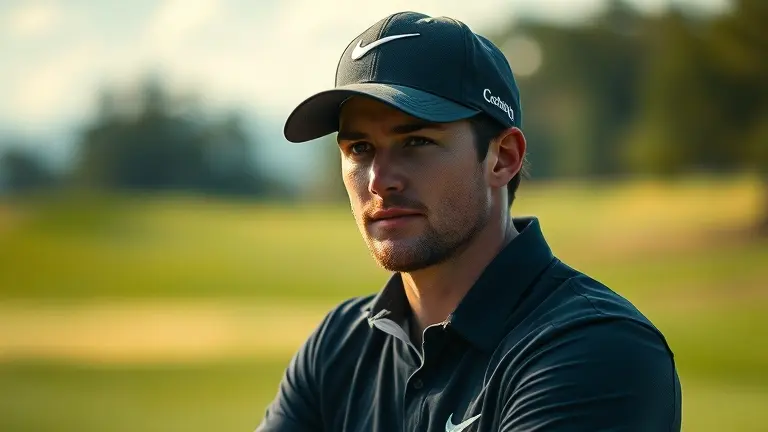
As Bryson DeChambeau steps onto the fairways of the Aronimink Golf Club for the 2026 PGA Championship, the narrative surrounding the former major champion has shifted from his legendary swing speed to a lingering, uncomfortable question: Has his transformation into a digital content mogul crippled his competitive edge? Following a disappointing string of performances, including a missed cut at the Masters, the golf world is no longer debating the mechanics of his drive, but the mental tax of his dual life as a professional athlete and a high-production YouTube star. This season has revealed a chasm between his viral brilliance and his tournament results, forcing us to scrutinize whether the relentless cognitive load of managing a massive digital platform is eroding the focus required to dominate at the highest level of professional golf.
This isn’t merely about the politics of LIV versus the PGA Tour, nor is it a question of his physical ability. Instead, it is a deeper exploration of the ‘creator-athlete’ paradox in an era where attention is the ultimate currency. While DeChambeau navigates an uncertain future as a free agent in a rapidly evolving sport, the performance metrics suggest a dangerous decline in mental stamina. To understand where Bryson goes from here, we must look at the neuroscience of elite performance and determine if he—or any modern competitor—can truly balance the demands of the camera lens with the intense, singular concentration necessary to lift the Wanamaker Trophy.
Bryson DeChambeau at the 2026 PGA Championship: A Career at a Crossroads
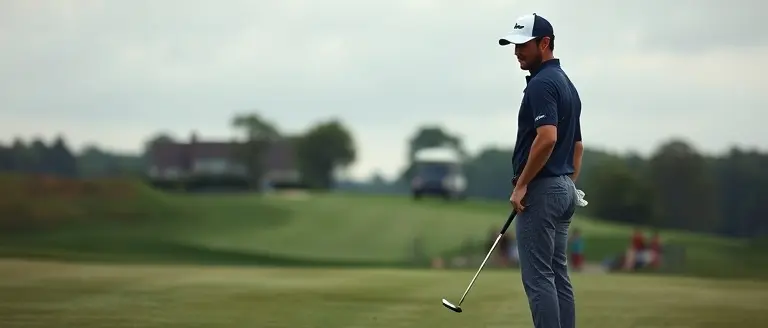
The arrival of Bryson DeChambeau at the 2026 PGA Championship at Aronimink Golf Club has been defined more by palpable tension than by his historical ability to overpower a course. As he navigates a challenging season, his vocal critiques of current course conditions have raised eyebrows, appearing to some analysts as a deflection from a broader, more systemic decline in his competitive form. Following a disappointing missed cut at the Masters earlier this year, the narrative surrounding the major champion has shifted from his role as a tactical innovator to one of vulnerability. The pressure is no longer just about hitting the ball further; it is about proving that his current trajectory remains viable at the elite level of professional golf.
A Career Facing Unprecedented Instability
The uncertainty surrounding the future of LIV Golf, coupled with his precarious status as a “free agent” in the professional landscape, has placed DeChambeau in a difficult psychological position. His performance metrics in 2026 reveal a stark regression compared to his peak, leading many observers to question whether his focus has become too diluted. As he navigates this crossroads, several factors contribute to his current struggle:
- Performance Regression: Data from the 2026 season shows a decline in accuracy and putting consistency, two pillars that previously anchored his game.
- The Weight of Leverage: As he maneuvers between potential PGA Tour reconciliation and LIV Golf’s uncertain future, the distraction of industry politics appears to be impacting his on-course focus.
- The Content Creation Balance: There is growing evidence to suggest that his high-production YouTube career—while successful in building his brand—may be extracting a toll on the hyper-focused, scientific preparation that once defined his success.
Ultimately, the 2026 PGA Championship serves as a definitive litmus test for DeChambeau. Whether he can reconcile his dual roles as a digital content creator and a world-class athlete will determine the legacy he carves out in the coming years. His ability to reclaim form at Aronimink will be critical in silencing critics who argue that his pivot toward entertainment has come at the expense of his major-championship potential.
The Performance Gap: DeChambeau’s 2026 Season by the Numbers
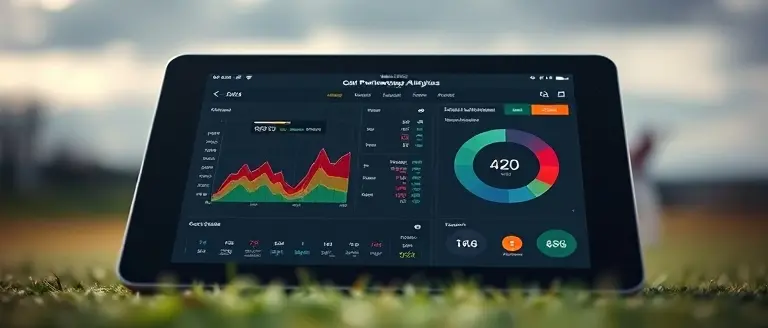
The 2026 competitive season has brought Bryson DeChambeau under intense scrutiny as his performance metrics deviate significantly from his peak years. When analyzing his transition to the LIV Golf circuit and his subsequent return to major championship fields, data suggests a distinct regression in efficiency across three primary pillars: strokes gained (SG), driving accuracy, and putting performance. While DeChambeau remains one of the longest players in the game, his “Total Strokes Gained” have dropped from his 2020-2021 levels, where he consistently ranked in the top five, to middle-of-the-pack rankings in 2026. This statistical dip is not merely a product of lower tournament volume but indicates a struggle to calibrate his high-velocity swing to the precision required for major championship conditions, such as those found at the Aronimink Golf Club.
A granular look at his game reveals that the most significant decline occurs in SG: Approach-the-Green. In previous elite campaigns, his ability to stick shots within birdie range was his primary scoring engine. Current analysis indicates:
- Driving Accuracy: His fairways-hit percentage has regressed as he prioritizes raw distance over finding the short grass, often leaving him in unfavorable angles for approach shots.
- Putting Efficiency: A once-dependable asset, his putting metrics from 10–15 feet have suffered, suggesting a potential lack of green-reading consistency that is often honed through steady, high-stakes competition.
- The “Creator-Athlete” Conflict: Evidence suggests that the time-intensive nature of his successful YouTube channel requires a mental and physical departure from the grind of traditional tour preparation.
While Bryson DeChambeau continues to provide high-quality digital content that engages millions, the data supports the theory that his professional focus is currently split. The objective decline in his major championship outcomes—capped by his missed cut at the Masters—highlights a growing disconnect between his status as a “content creator” and his status as a world-class golfer. For DeChambeau to regain his competitive edge, these metrics suggest he must reconcile the demands of his modern brand with the hyper-focused practice schedules that defined his early career trajectory.
The Cost of Content: Has YouTube Become a Distraction?
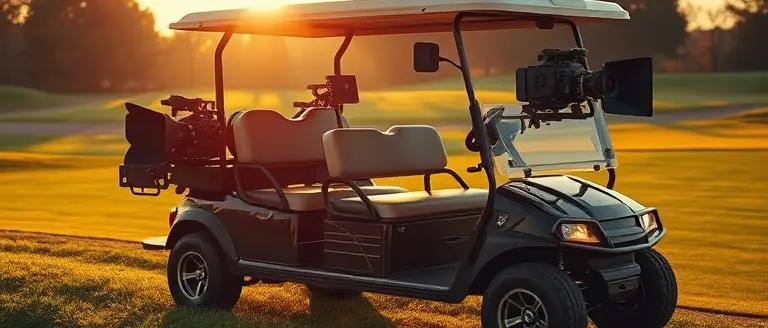
The rise of Bryson DeChambeau as a digital creator has fundamentally altered his identity within the professional golf landscape. While his YouTube channel has garnered millions of subscribers and provided an unprecedented level of fan engagement, analysts are increasingly questioning whether the “creator-athlete” model is compatible with the rigors of competing at the highest level of Major championship golf. The 2026 season has been marked by a noticeable decline in DeChambeau’s competitive output, punctuated by a missed cut at the Masters and inconsistent play leading into the PGA Championship at Aronimink. Evidence suggests that the sheer volume of production hours—ranging from scripting, filming, and editing to managing a professional media team—may be eroding the singular focus required to maintain a competitive edge.
The Trade-Off: Practice Versus Production
Professional golf demands a level of deliberate, isolated practice that is difficult to sustain while balancing a high-output content schedule. The intensity required to peak for a Major is often at odds with the demands of an entertainment-first digital brand. Key concerns regarding this shift include:
- Divided Cognitive Load: The mental energy required to engage with cameras and audiences can detract from the psychological calibration necessary to solve complex course layouts under tournament pressure.
- Diminishing Returns on Preparation: Critics point to his vocal dissatisfaction with course conditions at Aronimink as a potential symptom of a lack of deep, individualized preparation that was once the hallmark of his game.
- The “Free Agent” Psychological Burden: Navigating the uncertainty of LIV Golf while simultaneously maintaining a public-facing persona adds layers of stress that likely impact his performance consistency.
Ultimately, while DeChambeau has successfully modernized the professional golfer persona, the data from his recent performances raises a difficult question: has his pursuit of digital influence compromised his pursuit of championships? As the 2026 season progresses, the sustainability of this hybrid career path will continue to serve as a critical case study in the evolving landscape of sports entertainment.
Navigating Professional Leverage in an Uncertain Era

The professional golf landscape is undergoing a structural transformation, with the PGA Tour recently loosening its restrictive social media policies to regain relevance in a crowded media market. For Bryson DeChambeau, this shift arrives at a pivotal juncture in his career. As he navigates an “uncertain future” regarding his commitments to LIV Golf and his potential pathways back to traditional tours, his high-production YouTube channel has evolved from a hobby into a sophisticated form of professional leverage. By building a direct-to-consumer brand, DeChambeau has effectively decoupled his income and influence from traditional tournament prize money, challenging the long-held notion that a golfer’s value is solely defined by major championship trophies.
The Creator-Athlete Dilemma
However, the integration of a full-scale digital media operation into the life of a professional athlete introduces significant performance risks. Data-backed analysis of his 2026 season reveals a concerning trajectory compared to his peak competitive years. The question remains: has the “creator-athlete” model become a distraction or a diversification?
- Diversification Strategy: DeChambeau’s media empire allows him to retain sponsors and fan engagement even when his competitive form dips, insulating him from the volatility of weekly leaderboard finishes.
- Performance Trade-offs: The rigorous demands of filming, editing, and creative direction may be encroaching on the meticulous physical and mental preparation required for Major championship golf.
- The Leverage Calculus: By demonstrating his ability to draw massive audiences outside of the traditional golf ecosystem, DeChambeau forces both the PGA Tour and LIV Golf to reconsider his worth as a media asset, not just a player.
Whether this hybrid career path is sustainable at the elite level is currently the subject of intense debate. While DeChambeau’s digital presence offers unprecedented financial independence, his struggle to find consistency at venues like Aronimink Golf Club suggests that the margin for error in professional golf remains razor-thin. Ultimately, DeChambeau is testing a new professional paradigm, attempting to prove that a modern golfer can be both a digital mogul and a consistent Major winner simultaneously.
Reclaiming Your Competitive Clarity
The trajectory of Bryson DeChambeau’s 2026 season serves as a stark reminder that even the most talented athletes are susceptible to the hidden costs of a fractured focus. When the pressure of high-stakes competition collides with the creative demands of a digital empire, the result is often cognitive fatigue—a mental fog that dulls the razor-sharp precision needed to compete on the world’s most difficult courses. Maintaining peak performance under such extreme stress requires more than just discipline; it demands a strategic, scientific approach to protecting your most valuable asset: your brain.
If DeChambeau is to regain his status as a major champion, he must treat his mind with the same technical rigor he applies to his clubs. This is where The Brain Song becomes an essential recovery tool. By leveraging neuro-auditory stimulation, this system is designed to bypass the ‘brain fog’ that plagues high-performers, sharpening focus and enhancing cognitive capacity exactly when the pressure peaks. Just as athletes rely on physical therapy to recover their bodies, The Brain Song offers the neurological foundation necessary to sustain intense mental clarity, allowing you to dominate your field without sacrificing your well-being.
Don’t let cognitive strain hold you back from your potential. Whether you are battling the pressures of an elite career or managing the daily demands of a high-performance lifestyle, you deserve a tool that works as hard as you do to keep your mind sharp and resilient. It is time to treat your mental performance with the seriousness it deserves.
 Reclaim your mental edge and sharpen your focus like a pro—experience the science of The Brain Song for your daily routine today.Yes, I Want This Now!