
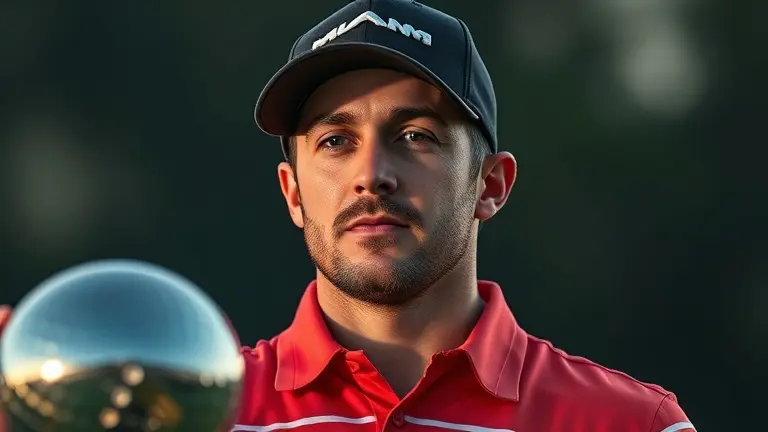
As the 2026 PGA Championship kicks off at the storied Aronimink Golf Club, all eyes are fixed on Scottie Scheffler. Entering as the defending champion and the clear betting favorite, the World No. 1 arrives in Pennsylvania riding a rare, uncomfortable wave: three consecutive runner-up finishes. While the mainstream media fixates on his technical stats and recent flashes of uncharacteristic ‘snark’ in press conferences, the real story lies beneath the surface. For an athlete whose dominance has been defined by machine-like consistency, this streak represents more than just a lack of silverware—it is a high-stakes test of psychological endurance.
The narrative surrounding Scheffler has shifted from inevitable victory to a battle against external noise. Can he quiet the distractions and reclaim his throne, or will the pressure of the ‘almost-win’ finally fracture his focus? As we analyze his performance against rising stars like Cameron Young, it becomes clear that at this level, golf is no longer just a physical pursuit; it is a war of mental attrition. The champion who triumphs at Aronimink will be the one who best navigates the chaos between their ears.
Scottie Scheffler at Aronimink: The Pressure of the Title Defense

As the 2026 PGA Championship kicks off at the historic Aronimink Golf Club in Newtown Square, Pennsylvania, all eyes are firmly fixed on Scottie Scheffler. Entering the week as the clear betting favorite, with odds fluctuating between +350 and +400, the World No. 1 finds himself in the unique, high-stakes position of defending his major title while navigating an unusual mid-season narrative. The expectation for a repeat victory is immense, yet it is complicated by a string of recent performances that have left analysts debating his current form.
The Runner-Up Streak and Mental Resilience
Scheffler arrives in Pennsylvania following a sequence of three consecutive runner-up finishes. While these results underscore his incredible consistency and status as the dominant player in professional golf, they have also sparked a broader discussion about his “internal fire.” Key factors currently shaping the tournament discourse include:
- Public Perception: There is growing chatter regarding Scheffler’s recent “snarky” interactions with the media, which some interpret as a sign of mounting frustration over his inability to close out titles.
- The Psychological Load: The transition from being the hunter to the hunted at a major championship introduces a level of scrutiny that even the best players find taxing.
- Betting Market Confidence: Despite the runner-up streak, sportsbooks remain bullish on his prospects, signaling that professional models still favor his technical skill set over recent emotional or volatile narratives.
The pressure at Aronimink will be multifaceted. It is no longer just about executing shots under pressure; it is about how Scheffler manages the media narrative surrounding his “near-misses.” Whether he can channel this perceived tension into a focused title defense or if it becomes a distraction remains the definitive storyline of this year’s PGA Championship. His ability to balance the weight of being the +400 favorite against a field of hungry competitors will likely determine if he adds another major trophy to his collection this week.
The Runner-Up Streak: Breaking the Cycle of ‘Near-Misses’

Entering the 2026 PGA Championship at Aronimink, the narrative surrounding Scottie Scheffler is defined by a paradox: he remains the undisputed World No. 1 and the betting favorite at +400, yet he arrives carrying the baggage of three consecutive runner-up finishes. While casual observers might label this a “slump,” a deeper technical analysis suggests the opposite. Scheffler is currently displaying some of the most consistent ball-striking metrics of his career, proving that his game is not broken—rather, it is experiencing a rare, fleeting lapse in closing efficiency. This period of “near-misses” serves as a testament to his high floor, even if the ceiling has remained just out of reach during the final round.
Psychological Resilience and Media Tension
The frustration of these back-to-back silvers has manifested in what many media outlets describe as a “snarky” demeanor during press conferences. This shift in tone provides a fascinating window into the mental burden placed on a dominant athlete who is held to an impossible standard of perfection. Key factors influencing his current state include:
- Pressure Management: The psychological weight of defending a major title while simultaneously trying to snap a streak of close calls is immense.
- Media Fatigue: His recent curt interactions indicate a defensive posture, common among top-tier athletes when external expectations clash with internal performance standards.
- Technical Consistency: His proximity to the hole remains statistically elite, suggesting the “streak” is more likely a variance in putting surfaces or specific hole-location difficulty rather than a fundamental swing issue.
Whether this streak represents the start of a period of vulnerability or merely a temporary plateau in an otherwise historic season, Scheffler’s ability to remain composed at Aronimink will be the decisive factor. If he can channel the frustration of his recent finishes into focused aggression, he remains the most dangerous player in the field.
The ‘Snarky’ Narrative: Analyzing Scheffler’s Changing Media Persona
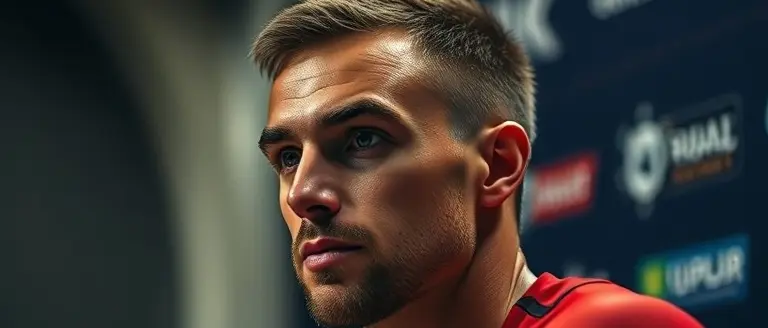
For years, Scottie Scheffler has occupied the role of golf’s quintessential “nice guy”—the unflappable, stoic professional who lets his clubs do the talking. However, as he arrives at Aronimink Golf Club for the 2026 PGA Championship, the narrative surrounding the World No. 1 has taken an unexpected turn. Following three consecutive, bittersweet runner-up finishes, observers have noted a shift in his press conference demeanor. This “snarky” evolution, characterized by sharper, more guarded responses to media inquiries, suggests that the pressure of maintaining dominance while narrowly missing victory is finally manifesting in his public persona.
Internal Fire vs. External Scrutiny
This shift in behavior is likely more than just media fatigue; it may reflect the internal fire necessary to reclaim the top spot on the podium. When an athlete of Scheffler’s caliber endures a streak of near-misses, the constant questioning regarding his “closing ability” can understandably grate on one’s patience. By engaging in a more defensive, reactive stance during interviews, Scheffler might be attempting to shield his mental focus from the relentless statistical scrutiny of the sports media cycle.
- Heightened Sensitivity: The transition from soft-spoken answers to pointed, “snarky” retorts mirrors the mounting frustration of finishing second.
- Performance Motivation: Psychologically, this edge can be a double-edged sword; while it indicates a simmering frustration, it often serves as a catalyst for a “chip on the shoulder” performance.
- The Media Dynamic: As the betting favorite at +400, every interaction is amplified, turning routine questions into high-stakes psychological tests.
Whether this shift is a sign of long-term fatigue or a temporary manifestation of competitive hunger remains to be seen. As the tournament progresses at Aronimink, all eyes will be on whether this perceived grit translates into the lethal focus required to snap his runner-up streak and secure a major title defense.
Betting Odds and Tactical Outlook at Aronimink

Despite a string of three consecutive runner-up finishes leading into this week, the betting markets remain steadfast in their valuation of Scottie Scheffler as the man to beat. Currently listed as the favorite between +350 and +400, Scheffler’s pricing reflects the oddsmakers’ belief that his elite ball-striking baseline is virtually bulletproof regardless of recent tournament outcomes. While the narrative surrounding his “snarky” media interactions has dominated headlines, the statistical reality remains that no other player in the field possesses his combination of consistency off the tee and approach-shot accuracy. Bettors are betting on the law of averages; when a player of Scheffler’s caliber maintains such a high floor, a victory is mathematically perceived as imminent rather than unlikely.
Strategic Fit at Aronimink
Aronimink Golf Club requires a specific tactical approach that plays directly into the current World No. 1’s strengths. The course demands precise iron play and the ability to navigate thick rough, two areas where Scheffler thrives.
- Neutralizing the Defense: His ability to flight the ball high allows him to hold firm, fast greens that might cause trouble for competitors.
- Pressure Management: As the defending champion, Scheffler’s institutional knowledge of major championship setups provides a significant mental edge over the rest of the field.
What to Watch for Bettors
For those analyzing his performance through the opening two rounds, focus beyond the final scorecard. Pay close attention to his Strokes Gained: Approach metrics. If Scheffler is consistently hitting greens in regulation from the fairway, the “runner-up streak” will likely be relegated to a footnote of the 2026 season. Should his accuracy falter, expect the betting sentiment to shift rapidly toward contenders like Cameron Young, who are eager to capitalize on any perceived vulnerability in the champion’s mental or technical game.
Mastering the Mindset of a Champion
The tension Scheffler faces at Aronimink is a mirror to the pressures we all encounter in our professional and personal lives. Whether defending a major title or managing the daily grind, the ability to maintain cognitive sharpness amidst noise is the ultimate competitive advantage. While the world watches the scoreboard, the real battle is won in the quiet spaces of the mind, where focus meets resilience.
Just as Scheffler needs to tune out the media scrutiny to find his groove, you can optimize your own cognitive pathways for peak performance. This is where The Brain Song becomes an essential tool. By utilizing neuroscience-based audio routines, this program helps you eliminate mental fog and sharpen your focus, mirroring the elite conditioning required of a world-class athlete. It is not just about listening; it is about calibrating your brain to function at its absolute zenith, regardless of the pressure surrounding you.
If you are ready to quiet the mental noise, elevate your learning capacity, and perform with the clarity of a champion, the next step is simple. Integrate this scientifically backed routine into your day and unlock the potential that has been masked by distraction.
 Unlock your peak cognitive potential and quiet the mental noise by integrating this neuroscience-based audio routine into your daily routine.Unlock My Peak Potential Now!