
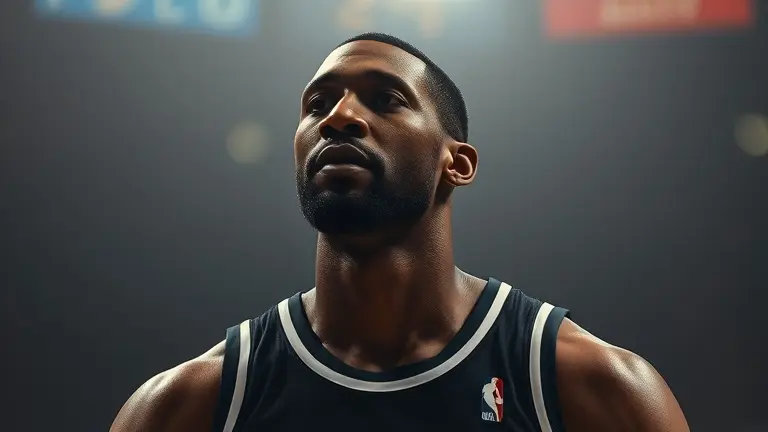
The sports world is in mourning following the tragic passing of former NBA veteran Jason Collins at the age of 47. Known for his 13-year career across several franchises, including the Brooklyn Nets and Washington Wizards, Collins became a historic figure in 2013 when he became the first openly gay athlete to play in any of the four major North American professional sports leagues. His courage transformed the cultural landscape of professional sports, leaving an indelible mark on both the league and the global LGBTQ+ community.
Reports confirmed that Collins passed away after a brave and public battle with Stage 4 glioblastoma, an aggressive form of brain cancer he had been fighting since his diagnosis in December 2025. While fans and commentators search for answers regarding how did Jason Collins die, it is vital to look past the clinical details of his illness and honor the legacy of an athlete who stood for equality, persistence, and breaking boundaries under the brightest lights of the NBA arena.
Remembering Jason Collins: A Trailblazer Lost at 47
The sports world is in mourning following the confirmed passing of Jason Collins, the veteran NBA player, on May 12, 2026, at the age of 47. Credible reporting from major outlets including ESPN, Yahoo Sports, and Outsports confirms that Collins died after a courageous battle with Stage 4 glioblastoma, an aggressive and terminal form of brain cancer. Having first shared his diagnosis with the public in December 2025, Collins spent his final months surrounded by family and loved ones, maintaining a private but dignified path throughout his treatment.
Clarifying the Facts and Legacy
In the wake of this breaking news, a significant amount of public interest and search traffic has emerged regarding the jason collins cause of death. It is vital to rely on verified medical reports to avoid the spread of misinformation. While names such as Brunson Green have occasionally appeared in related search queries due to algorithmic association, there is no factual connection between such figures and the circumstances surrounding Collins’ passing. The clinical reality remains firmly rooted in his documented struggle with glioblastoma.
To honor his memory, it is essential to reflect on his monumental impact on professional athletics:
- Trailblazing Career: Collins enjoyed a distinguished 13-year career in the NBA, providing defensive stability for numerous franchises.
- Historical Significance: He is famously remembered as the first openly gay athlete to compete in any of the four major North American professional sports leagues, a landmark moment in 2013 that fundamentally shifted the landscape of sports inclusivity.
- Enduring Advocacy: Beyond his statistics on the hardwood, his legacy is defined by his bravery in living authentically, which opened doors for countless LGBTQ+ athletes who followed in his footsteps.
As the basketball community pays tribute to his contributions both on and off the court, the focus remains on celebrating a life defined by professional excellence and historic personal courage.
A Historic Career: Breaking Barriers in Professional Sports
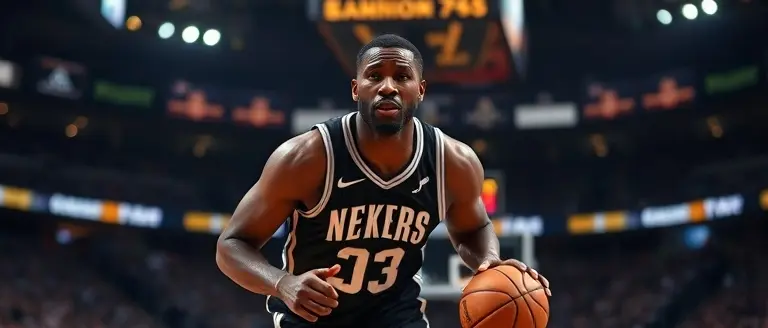
Beyond the tragic news of his passing, Jason Collins leaves behind a legacy defined by both professional longevity and immense personal courage. A standout center during his 13-year NBA tenure, Collins was highly regarded by teammates and coaches for his defensive intelligence, physical toughness, and selfless playstyle. Drafted in 2001, he became a fixture in the league, playing for several organizations, most notably the New Jersey Nets, where he helped the team reach back-to-back NBA Finals in 2002 and 2003. Throughout his career, he also contributed his talents to the Memphis Grizzlies, Minnesota Timberwolves, Atlanta Hawks, Boston Celtics, and Washington Wizards.
A Trailblazing Moment in Sports History
While his professional grit made him a respected teammate, Collins etched his name into the annals of American history in April 2013. By coming out in a cover story for Sports Illustrated, he became the first active openly gay athlete to play in one of the four major North American professional team sports. This watershed moment transcended the sport of basketball, sparking a nationwide conversation about inclusivity, sexual orientation, and the evolving culture of professional locker rooms.
- Defensive Reliability: Known as a quintessential “role player,” Collins prioritized screens, rebounding, and post-defense over personal scoring statistics.
- Cultural Impact: His 2013 announcement is widely credited with paving the way for future LGBTQ+ athletes to compete authentically in major leagues.
- Legacy of Courage: Even after his retirement from the NBA, he remained a prominent voice for equality and inclusion, using his platform to mentor younger players and support advocacy groups.
Collins’ career serves as a bridge between two eras of sports—one where athletes felt pressured to compartmentalize their identities and one that continues to move toward greater acceptance. His influence remains a fundamental pillar in the ongoing narrative of progress within professional athletics, ensuring his impact will be felt by future generations of players both on and off the court.
Understanding Glioblastoma: The Battle Beyond the Court

The passing of Jason Collins on May 12, 2026, has brought renewed public attention to glioblastoma, the aggressive form of brain cancer that claimed the life of the 47-year-old NBA player. Clinical experts describe glioblastoma (GBM)—specifically Grade 4—as a highly malignant type of tumor that arises from astrocytes, the star-shaped cells that support nerve cells within the brain. Because these tumors are characterized by their rapid growth and tendency to infiltrate surrounding brain tissue, they present significant challenges for medical professionals.
The Clinical Reality of Grade 4 Glioblastoma
When Jason Collins first disclosed his diagnosis in December 2025, he entered a courageous and private final chapter of his life. Medically, glioblastoma is categorized by the World Health Organization (WHO) as a Grade 4 astrocytoma, the most severe classification. The aggressive nature of the disease stems from several factors:
- Rapid Cell Proliferation: The tumor cells divide quickly, fueled by an extensive supply of blood vessels.
- Infiltrative Growth: Unlike encapsulated tumors, GBM cells weave into healthy brain tissue, making total surgical removal difficult.
- Treatment Resistance: The disease is notoriously difficult to treat because the blood-brain barrier often prevents many systemic therapies from reaching the site effectively.
While the medical community continues to pursue breakthroughs, the survival rate for this specific diagnosis remains sobering. Collins, a veteran of a 13-year NBA career, faced this diagnosis with the same resolve he once showed on the hardwood. His decision to share his health journey publicly in late 2025 provided a moment of clarity for his supporters while maintaining his dignity during the treatment process. By shifting the conversation toward the reality of brain cancer, his experience serves as a reminder of the fragility of health, regardless of an athlete’s physical conditioning or history. The focus remains on his legacy as a trailblazer and the broader impact he leaves behind, rather than speculation regarding unrelated figures or external factors.
The Lasting Legacy of an NBA Icon

Beyond his 13-year career as a rugged interior defender and reliable teammate in the NBA, Jason Collins cemented his place in history as a profound catalyst for change. In 2013, by becoming the first openly gay athlete to play in one of the four major North American professional sports leagues, Collins shattered long-standing barriers. His bravery did more than just spark national conversation; it reshaped the culture of professional athletics, providing a blueprint for inclusivity that continues to influence sports organizations today. While the world mourns his passing at the age of 47 following his courageous battle with Stage 4 glioblastoma, his professional contributions remain a testament to his character and integrity both on and off the court.
The outpouring of grief and respect following the news of the nba player‘s death reflects the depth of his impact. From former teammates and coaches to league leadership and prominent civil rights organizations, the sports community has united to honor his memory. His legacy is characterized by:
- Pioneering Advocacy: Opening doors for future LGBTQ+ athletes through his visibility and authentic public presence.
- Professional Tenacity: Serving as a dedicated veteran who prioritized team success and tactical discipline throughout his career with multiple franchises.
- Social Impact: Challenging the status quo in professional sports environments, effectively pushing the industry toward greater empathy and acceptance.
While search trends may sometimes conflate his name with unrelated figures, the focus of his historical record remains clear and undeniable. Jason Collins will be remembered not only as a resilient competitor who navigated the physical demands of professional basketball but as a trailblazer who chose to live his truth on the national stage. His life stands as a milestone in the ongoing pursuit of equality, ensuring that his influence will be felt for generations of athletes to come.
Honoring a Legacy of Strength and Clarity
As we reflect on the life of Jason Collins, we are reminded of the fragility of human health and the importance of advocating for neurological well-being. His journey, marked by both physical prowess and profound public advocacy, highlights the necessity of staying informed and proactive regarding our own cognitive health in an increasingly complex world. While his battle with glioblastoma was a tragic outcome, it serves as a sobering reminder of why protecting our brain function is a priority that can no longer be ignored.
In light of this focus on neurological health and the complexities of brain-related conditions, many are seeking proactive, non-invasive ways to support their cognitive longevity and mental clarity. This is where The Brain Song becomes an essential tool for your daily routine. By utilizing neuroscience-backed auditory stimulation, this unique solution is designed to combat mental fog and support healthy brain function, offering a gentle yet powerful approach to preserving your mental acuity.
Whether you are looking to enhance your focus or simply invest in your long-term cognitive wellness, integrating science-based support into your life is a logical and empowering step. Take control of your brain health today with a tool designed for the modern individual who values performance and protection.
 Discover how neuroscience-based auditory stimulation can help you support your daily cognitive health and focus.Support My Cognitive Health Now!