
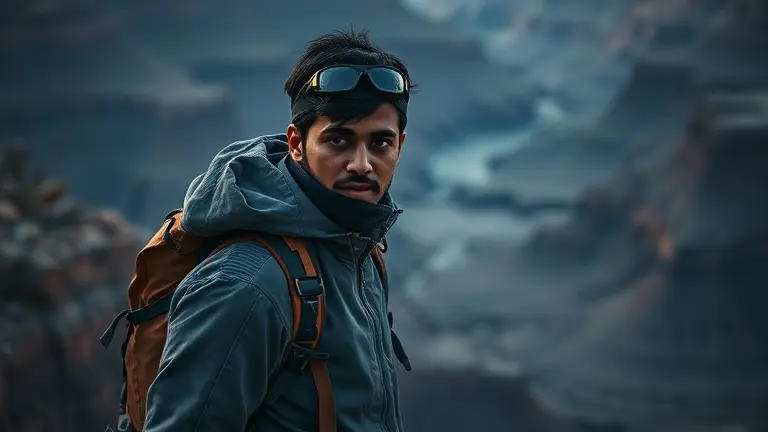
In late April 2026, the hiking community was shaken by the disappearance of 26-year-old Arizona State University student Sandarsh Krishna within the depths of Grand Canyon National Park. After a grueling two-week search operation involving over 30 personnel, his body was sadly discovered on the South Rim on May 9, 2026. The news, which spread widely on May 12, sparked a somber national conversation regarding the inherent risks of exploring such an immense and unforgiving landscape.
While investigators continue to examine the circumstances surrounding this tragedy, it serves as a stark reminder of the hazards facing solo hikers in remote wilderness. Beyond the headlines, this incident highlights a critical, often overlooked aspect of outdoor safety: the absolute necessity of mental readiness. Navigating the Grand Canyon demands more than just endurance; it requires a heightened state of situational awareness that can be the difference between a successful trek and a catastrophic mistake.
The Tragic Disappearance and Recovery of Sandarsh Krishna
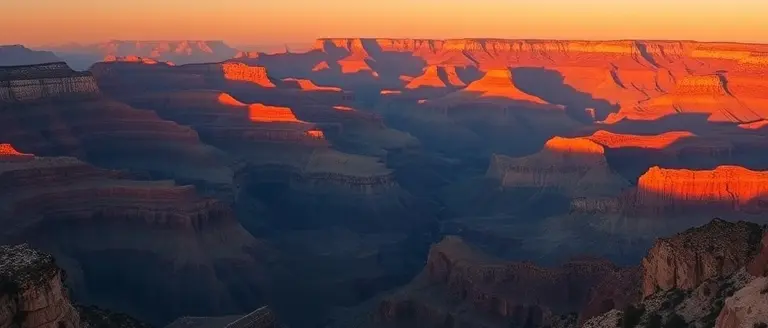
In late April 2026, the community was deeply saddened by the disappearance of Sandarsh Krishna, a 26-year-old Arizona State University (ASU) student who vanished during a visit to the Grand Canyon National Park. His disappearance prompted an extensive, multi-agency search operation characterized by the rugged and unforgiving terrain of the park’s South Rim. Over the course of a rigorous two-week search, more than 30 personnel, including specialized search and rescue teams, worked tirelessly to locate the missing student. The operation highlighted the immense logistical challenges inherent in searching for individuals within the vast, complex geological landscape of one of the world’s most iconic natural landmarks.
Timeline of the Search and Official Recovery
The search effort reached its somber conclusion on May 9, 2026, when authorities discovered the remains of the young student near the Verkamp’s Visitor Center on the South Rim. Official reports, which were widely disseminated by outlets such as KNAU, 12News, and FOX 10 Phoenix on May 12, 2026, confirmed that the body recovered by the National Park Service was indeed that of Sandarsh Krishna. While the incident remains a profound tragedy for the family and the university community, it serves as a stark reminder of the potential dangers associated with solo hiking and the unpredictable nature of the Grand Canyon.
Key details surrounding the investigation include:
- Search Duration: The search spanned approximately two weeks from late April to early May 2026.
- Personnel Involved: A coordinated task force of over 30 search and rescue specialists utilized ground teams and aerial support to scan the area.
- Location of Discovery: Remains were located in the vicinity of Verkamp’s Visitor Center, a high-traffic area that nonetheless features treacherous drops and hidden terrain.
- Public Information: Following the confirmation, local authorities emphasized the importance of public safety and preparedness for all visitors planning excursions into remote park areas.
The recovery of Sandarsh Krishna has since sparked broader discussions regarding safety protocols for students and solo travelers visiting national parks, emphasizing that even well-traveled areas require extreme caution and adherence to marked trails.
Timeline of the Search and Rescue Operation
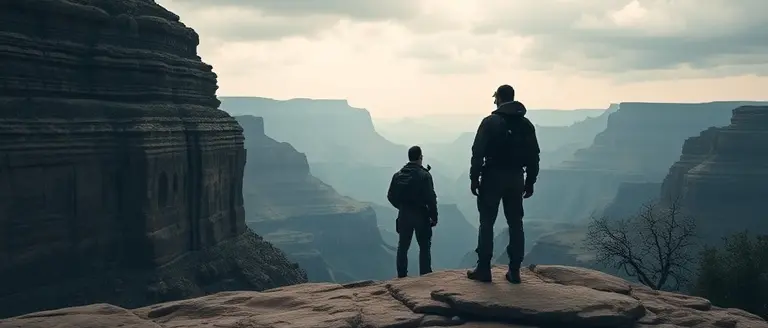
The search and rescue (SAR) operation for Sandarsh Krishna, a 26-year-old student at Arizona State University, began in late April 2026 after he was reported missing within the Grand Canyon National Park. The scale of the search was significant, requiring a highly coordinated effort to cover the park’s notoriously rugged and expansive terrain. Over the course of the two-week operation, more than 30 personnel were mobilized to systematically sweep high-probability zones, including trails, rim overlooks, and treacherous canyon drainages.
Logistical Challenges and SAR Coordination
Searching within the Grand Canyon presents unique logistical hurdles that often complicate recovery efforts. The environment is defined by extreme vertical relief, limited cellular reception, and weather patterns that can shift rapidly. During this mission, authorities utilized a multi-agency approach to maximize coverage. The progression of the search included:
- Initial Mobilization: Park rangers and specialized SAR teams immediately assessed the last known locations, initiating ground searches across the South Rim area.
- Expansion of Efforts: As the search continued into early May, the scope was widened to encompass deeper trail corridors and less accessible backcountry areas.
- Methodical Recovery: On May 9, 2026, search teams identified and recovered human remains near the Verkamp’s Visitor Center.
Following the recovery, official confirmation by local authorities on May 12, 2026, concluded the intensive search phase. This tragic event underscores the inherent risks involved in remote wilderness recreation. The collaborative efforts of park officials and regional law enforcement ensured that the search was conducted with the highest degree of technical professionalism despite the challenging geography of the region. The focus remained on a systematic, fact-based approach throughout the entire duration of the operation.
Safety Guidelines for Navigating the Grand Canyon
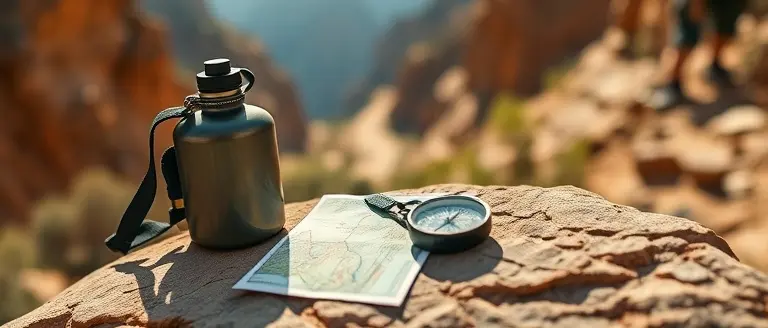
The tragic disappearance and subsequent recovery of Sandarsh Krishna at the Grand Canyon serve as a sobering reminder of the inherent risks present in one of the world’s most formidable natural landscapes. While the park offers unparalleled beauty, its sheer scale and unpredictable terrain demand absolute respect from every visitor. To ensure personal safety, hikers must prioritize preparation and situational awareness before ever stepping onto a trail. High-altitude environments and drastic temperature fluctuations mean that conditions can change rapidly, often catching inexperienced hikers off guard.
Essential Protocols for Canyon Exploration
Whether you are a seasoned trekker or a casual sightseer, adhering to established safety protocols is non-negotiable. The National Park Service emphasizes the following guidelines to mitigate risks:
- Stay on Designated Trails: Never attempt to take shortcuts or wander off-trail, especially near the South Rim. Unmarked areas often contain loose rock and unstable edges that pose significant hazards.
- Hydration and Nutrition: Carry more water than you think you will need. Even in cooler months, the arid climate leads to rapid dehydration. Pair water intake with salty snacks to maintain electrolyte balance.
- Respect the Elements: The Grand Canyon experiences extreme heat, particularly inside the canyon walls. Plan strenuous hikes for early morning or late afternoon, and avoid the midday sun whenever possible.
- Understand Your Limits: Altitude sickness and physical exhaustion are common. If you are not accustomed to high-elevation hiking, opt for shorter, well-marked paths and monitor your heart rate closely.
- Share Your Itinerary: Always inform someone reliable of your planned route and expected return time. In the event of an emergency, this information is critical for search and rescue teams tasked with navigating the vast wilderness.
By internalizing these safety measures, visitors can help prevent tragic incidents and ensure that their time in the Grand Canyon National Park remains a positive and memorable experience. Safety in the wilderness is a shared responsibility, and preparation is the single most effective tool for survival.
Honoring the Victim Through Awareness
The disappearance and subsequent recovery of Sandarsh Krishna near the Grand Canyon South Rim has left a profound impact on both the Arizona State University (ASU) student body and the broader outdoor community. Such tragedies serve as somber reminders of the inherent risks associated with exploring expansive, rugged terrains like those found within national parks. By shifting the narrative from the specifics of this incident toward proactive safety and community support, we can honor the memory of the victim while fostering a culture of mindfulness for those who continue to traverse these landscapes.
Promoting Safety and Mental Wellness
To prevent future accidents, it is essential for students and hikers to prioritize both physical preparedness and mental well-being before heading into the wilderness. Many incidents in the Grand Canyon occur when individuals underestimate the physical toll of extreme environments or face unforeseen psychological stressors. Memorializing victims through education means ensuring that the next generation of explorers is better equipped to handle the demands of solo and group excursions.
Key safety initiatives that outdoor enthusiasts should embrace include:
- Rigorous Trip Planning: Always share a detailed itinerary with friends or family and check in at predetermined times, as delayed reporting can complicate search and rescue (SAR) operations.
- Environmental Preparedness: Understand the specific hazards of the location, such as heat exhaustion, steep drop-offs, and rapid temperature fluctuations, particularly in the high-elevation zones of Arizona.
- Mental Health Awareness: Recognize the signs of fatigue or distress. Universities and community organizations should continue to provide accessible mental health resources, encouraging students to seek support when navigating the pressures of academic and personal life.
By treating every hike as an opportunity for responsible engagement with nature, we collectively reduce the risks that lead to such heartbreaking outcomes. Promoting a standard of vigilance ensures that the legacy of those lost is one of improved safety standards and heightened public awareness.
Prioritizing Awareness for Every Journey
The tragic loss of Sandarsh Krishna at the Grand Canyon serves as a sobering reminder of the unforgiving nature of our national parks. While we memorialize his life, we must also address the broader need for increased vigilance and preparation among those who seek to explore these vast, challenging landscapes. True safety on the trail is not merely about physical stamina or high-end gear; it is fundamentally rooted in the hiker’s ability to maintain high-level situational awareness.
Beyond physical preparation, the most critical piece of safety equipment a hiker carries into the wilderness is their own mental focus. When traversing complex, high-stakes environments like the Grand Canyon, cognitive clarity acts as your primary layer of protection, allowing you to make sharp, informed decisions under pressure. This is where modern mental conditioning becomes a vital component of any outdoor adventurer’s routine.
By integrating tools like The Brain Song into your life, you are not just preparing for a hike—you are sharpening your mind for the complexities of remote navigation. This proactive approach to cognitive wellness ensures that your mental acuity matches the challenge of the terrain, helping you stay alert and present when it matters most. It is the natural next step for any serious hiker committed to responsible, prepared exploration.
 Equip yourself with the mental edge needed for your next adventure—discover how consistent focus training can sharpen your awareness on the trail.Sharpen My Cognitive Focus Now!