
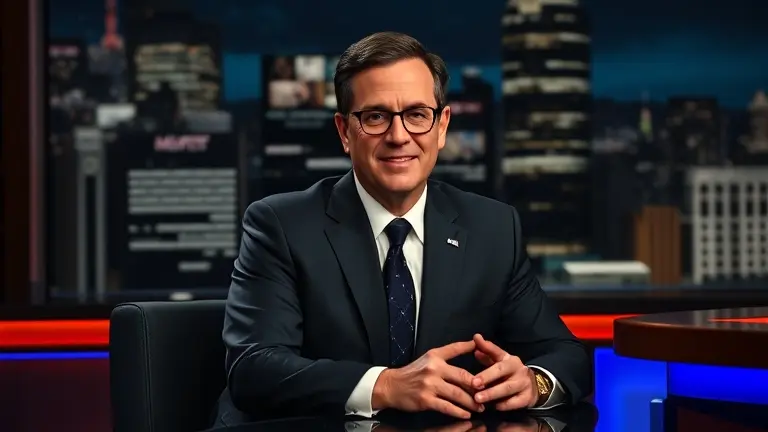
On May 21, 2026, the television landscape undergoes a seismic shift as the curtain finally falls on The Late Show with Stephen Colbert. After nearly 11 years of defining the cultural conversation, CBS has officially confirmed that this milestone marks the end of an era for the historic franchise. As the promotional final week kicks off with high-profile tributes from legends like Barack Obama, Tom Hanks, and David Letterman, the industry is bracing for a new reality. In a stunning show of solidarity, peers like Jimmy Kimmel and John Oliver are joining forces to honor Colbert’s profound influence, signaling that while one traditional stage is closing, the respect among the titans of late-night television remains stronger than ever.
This final episode is more than just a swan song; it is a critical pivot point for broadcast media. As we document the evolution of late-night talk shows over the past decade, we see how Colbert bridged the gap between sharp political satire and deeply personal storytelling. Whether you are a long-time devotee or a newcomer to his nightly wit, this comprehensive guide explores the impact of his departure and what the sunset of this franchise truly means for the future of our screens.
The End of an Era: Stephen Colbert’s Final CBS Show

The television landscape is preparing for a seismic shift as the Stephen Colbert final CBS show approaches on May 21, 2026. This broadcast marks not just the end of a long-running program, but the conclusion of the entire The Late Show franchise on the network. Following the official announcement in the summer of 2025, the industry has braced for the departure of a titan who anchored CBS’s late-night programming for nearly 11 years. This transition represents a pivot point in the traditional broadcasting business model, highlighting the waning influence of linear late-night formats in an era dominated by on-demand streaming and digital-first consumption.
A Legacy Defined by Change
For over a decade, Colbert navigated the complexities of cultural and political discourse, evolving the talk show format to meet the demands of a changing audience. His tenure, characterized by sharp wit and deep-dive investigative comedy, will leave a distinct void in the nightly schedule. Industry veterans, including David Letterman, have recently signaled that this closure underscores a broader skepticism regarding the long-term survival of traditional, monologue-driven late-night television. As viewers tune in for the final episode, the event serves as a retrospective of a transformational period in media history.
The Industry Send-Off
The significance of this finale is underscored by an unprecedented level of professional solidarity among fellow hosts. Notable details regarding the final week include:
- High-Profile Guests: The finale will feature appearances by icons such as Barack Obama, Tom Hanks, and David Letterman.
- A Collaborative Farewell: Peers, including Jimmy Kimmel, Jimmy Fallon, John Oliver, and Seth Meyers, are participating in a coordinated effort to honor Colbert’s career.
- Professional Deference: In a rare display of industry respect, Jimmy Kimmel has opted to air a rerun on the night of the finale, ensuring that Colbert’s final broadcast remains the central focus of the evening’s viewing experience.
As the May 21, 2026, date draws near, the focus remains on celebrating the impact of a decade of broadcasting while acknowledging that the departure of such a prominent figure signals the sunset of a distinct chapter in American entertainment.
A Star-Studded Send-off: The Final Week Lineup
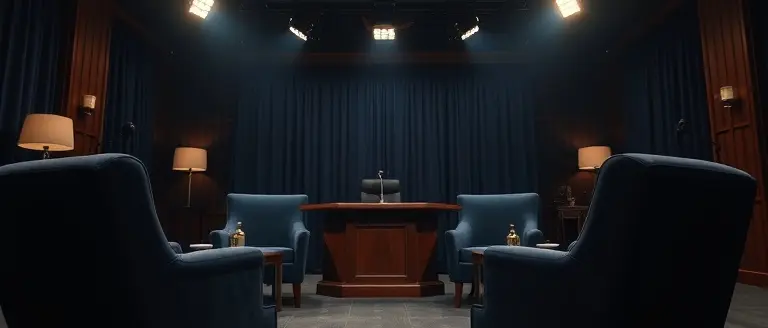
As the Stephen Colbert final CBS show approaches on May 21, 2026, the network is pulling out all the stops to honor nearly 11 years of cultural commentary and entertainment. The final week of The Late Show with Stephen Colbert is structured as a retrospective celebration, bringing together the most influential figures from the host’s tenure. This high-stakes programming block is designed not only to boost ratings but to provide a poignant closure to a transformative era in late-night television. Viewers can expect a curated journey through Colbert’s most memorable segments, punctuated by appearances from guests who defined the program’s political and pop-culture impact.
Confirmed Guests and Collaborative Tributes
The guest list for the final week reads like a who’s who of modern media and American history. Confirmed headliners include:
- Barack Obama: Returning for a final deep-dive interview, reflecting on the political shifts of the last decade.
- Tom Hanks: A long-time friend of the show who frequently provided lighthearted, high-energy moments to counter the show’s heavier political segments.
- David Letterman: The legendary predecessor returns to the Ed Sullivan Theater, lending a sense of continuity to the franchise’s transition.
Beyond the guest interviews, the broadcast landscape is seeing an unprecedented show of unity. In a move that highlights the deep respect within the industry, Jimmy Kimmel has announced he will air a rerun on the night of the finale, ensuring that the audience’s attention remains squarely on Colbert’s farewell. Furthermore, the final episode will feature a unique collaborative send-off involving late-night icons such as Jimmy Fallon, John Oliver, and Seth Meyers. This tribute emphasizes that while the colbert era is concluding, the fraternity of late-night hosts remains interconnected. This camaraderie serves as a final nod to the significant role these shows have played in the broader American television landscape, moving beyond mere competition to acknowledge a collective legacy in a changing media climate.
The Collaborative Spirit of Late Night

The conclusion of the Stephen Colbert final CBS show has triggered an unprecedented display of unity within the competitive world of broadcast television. Rather than treating the finale as an opportunity to capture additional viewership, industry peers have chosen to honor the legacy of The Late Show. Most notably, Jimmy Kimmel has announced that he will air a rerun during the time slot of Colbert’s final episode on May 21, 2026. This act of “deference” stands as a rare acknowledgment in modern media, prioritizing the historical significance of Colbert’s departure over traditional head-to-head competition. This collaborative gesture highlights a professional bond that has quietly strengthened across the late-night landscape, proving that the camaraderie among hosts often transcends the ruthless ratings battles typically associated with the genre.
Industry Perspectives on the Late-Night Evolution
The shift in the industry is further validated by legends such as David Letterman, who recently reflected on the precarious nature of the late-night format. Letterman, an architect of the modern talk show, has expressed skepticism regarding the long-term survival of traditional, monologue-driven broadcasts in the streaming era. His insights underscore the gravity of the Colbert departure:
- The End of an Era: The conclusion of the franchise marks a pivotal moment for CBS and the broader television business model.
- Unified Support: High-profile figures, including Jimmy Kimmel, John Oliver, and Seth Meyers, have joined forces to celebrate a decade of Colbert’s influence on political satire and cultural discourse.
- Strategic Transitions: Industry analysts suggest this collective solidarity indicates that the “late-night wars” have been replaced by a mutual effort to maintain the medium’s cultural relevance in a fragmented digital landscape.
By stepping aside for the final CBS show, these broadcasters are signaling that they view the closing of the Late Show not merely as a network programming change, but as a symbolic milestone. The spirit of cooperation displayed by Kimmel and others serves as a final, heartfelt tribute to an era that shaped the intersection of comedy and current events for over eleven years.
Reflecting on a Legacy: Iconic Moments and Industry Shifts

The Stephen Colbert final CBS show represents far more than the conclusion of a singular program; it signifies a definitive pivot point in the traditional broadcasting business model. Over the past 11 years, Colbert successfully transitioned from his satirical roots to the anchor of late-night television, navigating a media landscape that shifted from linear cable dominance to fragmented, on-demand streaming. His tenure became a masterclass in adapting to the digital age, where viral segments often eclipsed the relevance of the full broadcast. By blending high-stakes political commentary with deeply human interviews, Colbert maintained a cultural relevance that defined a generation of network television, even as viewership habits evolved rapidly.
The Evolution of the Late-Night Format
Throughout his run, the show transformed from a traditional monologue-and-desk setup into a fluid platform for social discourse. Several factors marked his unique influence on the industry:
- Cultural Resonance: His ability to synthesize complex political events into digestible, often poignant, monologues created a template that other networks struggled to replicate.
- Viral Strategy: Clips of his interactions and musical performances consistently dominated social media algorithms, proving that linear shows could still thrive in a digital-first economy.
- Industry Camaraderie: The collaborative send-off—highlighted by the decision of rival hosts like Jimmy Kimmel to air reruns during the finale—demonstrates a unified respect for the craft that transcends standard competitive programming.
As the industry faces the decline of the traditional late-night talk show, Colbert’s departure highlights the challenge of maintaining mass-audience appeal in an era of hyper-individualized content. David Letterman recently noted that the very structure of the genre is being questioned, suggesting that the era of the “big tent” broadcast host may be nearing its natural expiration. The legacy of this 11-year run serves as both a celebration of the medium’s peak and a sobering case study on the future of broadcast television in a streaming-dominated world.
The Future of Your Focus in a Post-Late Night Era
As we reflect on the legacy of Stephen Colbert and the transformation of the late-night format, it becomes clear that we are witnessing the end of a long-standing cultural ritual. The industry’s shift away from traditional broadcast schedules invites us to reconsider how we engage with media. As we watch the end of a legendary era in television, it’s clear that staying mentally sharp is more important than ever to process this industry shift; that’s why many dedicated viewers are turning to a simple, 12-minute daily routine to keep their focus as clear as the history we are documenting.
By integrating The Brain Song into your daily life, you aren’t just following the news; you are optimizing your cognitive performance to better absorb the complex analysis surrounding these media transitions. Designed as a science-backed auditory wellness tool, this 12-minute routine offers the perfect antidote to the mental fog that often accompanies hours of heavy digital consumption, allowing you to maintain peak intellectual clarity during this period of significant media change.
Embrace this transition with a sharpened mind and a new perspective. Our recommendation for this comprehensive guide extends beyond mere historical analysis—it includes a practical, proactive step to enhance your engagement with the content that matters most to you. Experience the difference in your own focus—try the 12-minute routine used by high-performing fans of late-night commentary.
 Experience the difference in your own focus—try the 12-minute routine used by high-performing fans of late-night commentary.Boost My Cognitive Clarity Now!