
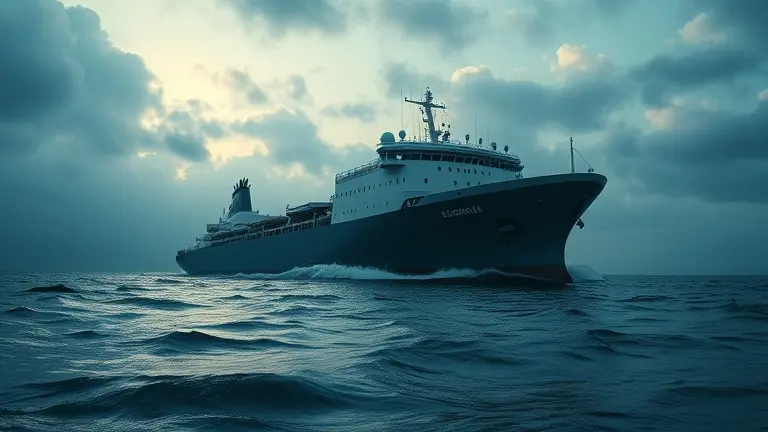
On December 23, 2024, the Mediterranean Sea became the site of a geopolitical enigma that continues to rattle global intelligence circles: the sinking of the Ursa Major, also known as the Sparta-3. While official accounts initially remained sparse, emerging reports have peeled back the layers of this clandestine maritime operation, suggesting the vessel was not merely carrying cargo, but potentially critical components for the North Korean nuclear program. This incident has ignited a firestorm of speculation regarding the reach of the so-called ‘shadow fleet’ and the potential for a high-stakes act of sabotage by a NATO-aligned state to intercept illicit nuclear proliferation.
Dissecting the timeline of the Ursa Major’s final voyage requires navigating a labyrinth of conflicting shipping logs, intelligence leaks, and international tensions. As the global community waits for definitive answers, the event serves as a stark reminder of the fragile balance in modern maritime logistics and the shadowy nature of inter-state subversion. Understanding the implications of this sinking demands more than just headlines; it requires an analytical deep-dive into the logistics of shadow operations and a precise, steady hand in interpreting the fast-moving, often contradictory data surrounding this maritime tragedy.
The Sinking of the Ursa Major: Unraveling the December 2024 Incident
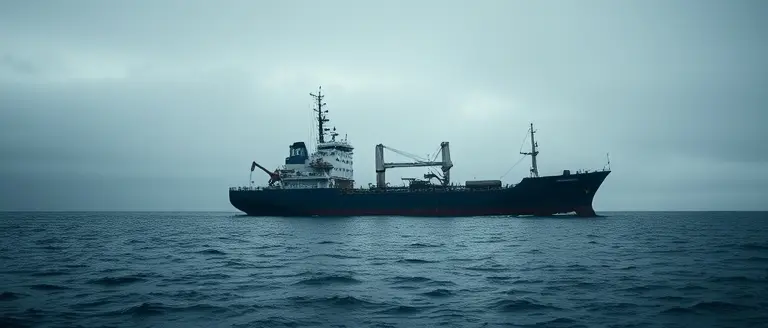
On December 23, 2024, the Russian cargo vessel Ursa Major, also known as Sparta-3, met an abrupt and catastrophic end off the coast of Cartagena, Spain. The sinking of this particular Russian ship sank into the depths of the Mediterranean under circumstances that remain a subject of intense international scrutiny. While initial reports framed the incident as a routine maritime disaster, subsequent investigative intelligence emerging in May 2026 suggests a far more complex narrative involving clandestine operations and high-stakes geopolitical brinkmanship.
A Timeline of Alleged Sabotage
The transition from a standard shipping accident to a potential act of state-sponsored sabotage highlights the strategic vulnerability of Russia’s so-called shadow fleet. Evidence analyzed by global intelligence agencies points to a series of unexplained internal explosions that compromised the vessel’s hull integrity before it ultimately went down. Key takeaways from the investigation include:
- Illicit Cargo: Intelligence reports strongly suggest the Ursa Major ship was transporting sensitive, high-grade components intended for North Korean (DPRK) submarine nuclear reactors.
- The Sabotage Theory: Analysts are currently evaluating the possibility that a NATO-aligned state utilized advanced anti-ship technology—such as a specialized torpedo—to neutralize the vessel, effectively halting the illegal transfer of nuclear technology to Pyongyang.
- Geopolitical Impact: The sinking has resurfaced as a major talking point in 2026 because it exemplifies the escalating tensions between Western alliances and the deepening military-industrial cooperation between Moscow and the DPRK.
The mystery persists because neither the Russian government nor NATO representatives have provided a definitive account of the maritime engagement. As experts continue to map the final route of the Ursa Major, the incident serves as a stark reminder of how maritime logistics are being weaponized in the current era of hybrid warfare. The lack of transparent logs from the vessel’s final days continues to fuel speculation, keeping this incident at the forefront of international security discussions.
Mapping the Route: Why the Mediterranean Became a Chokepoint
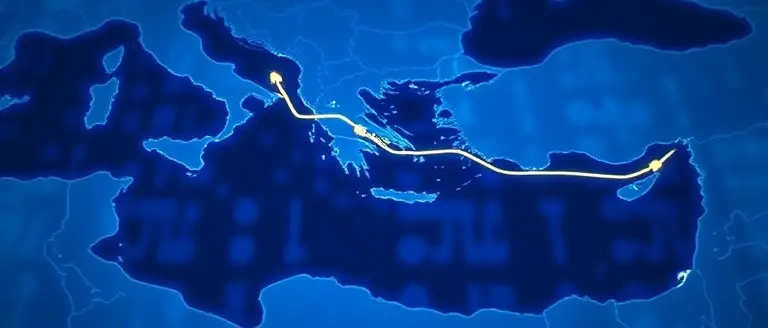
The final voyage of the Ursa Major—a vessel long scrutinized as a key asset in Russia’s secretive “shadow fleet”—followed a trajectory that deviated significantly from standard commercial shipping patterns. By tracing its path from Russian-controlled ports toward the Mediterranean, intelligence analysts have identified a series of anomalies that transformed the vessel into a geopolitical liability. The Mediterranean, typically a transit corridor for global trade, became a high-stakes chokepoint when the Ursa Major began exhibiting erratic tracking behavior off the coast of Spain, near Cartagena, shortly before it sank on December 23, 2024.
Deviations and Red Flags
Maritime monitoring data reveals that the ship’s navigation path raised immediate red flags for international observers, specifically due to the following factors:
- Intentional AIS Disconnects: The vessel frequently disabled its Automatic Identification System (AIS) in sensitive zones, a hallmark of clandestine operations intended to mask illegal cargo transfers.
- Non-Standard Routing: Rather than adhering to established trade lanes connecting the Black Sea to the Suez Canal, the ship took a meandering course that suggests an attempt to bypass traditional surveillance checkpoints.
- The Cartagena Proximity: The ship’s positioning near the Spanish coast placed it within a theater heavily monitored by NATO naval assets, suggesting that the vessel’s final maneuver was either a desperate attempt to avoid detection or a deliberate exposure to hostile maritime environments.
Evidence suggests that the Ursa Major ship was not merely transporting standard cargo; the logistics of this route point toward a high-value, sensitive mission involving the movement of nuclear reactor components. By lingering in the Mediterranean, the vessel entered a high-density area where Western intelligence agencies could track its proximity to sensitive maritime infrastructure. The subsequent sinking, marked by unexplained explosions, underscores the strategic necessity NATO-aligned states may have felt to neutralize the vessel before it could reach the open waters of the Indian Ocean, effectively cutting off the transit path to the DPRK.
Decoding the ‘Shadow Fleet’: Clandestine Maritime Operations

The term “shadow fleet” refers to a clandestine network of aging maritime vessels utilized by sanctioned nations to bypass international trade restrictions and oversight. In the context of the recent reports where a Russian ship sank, specifically the Ursa Major (also known as Sparta-3), the shadow fleet serves as the primary conduit for transporting sensitive, high-risk cargo—including potential nuclear reactor components—under the guise of legitimate commercial freight. These vessels operate outside the parameters of standard global maritime tracking, often employing sophisticated strategies to evade detection by regulatory bodies and naval patrols.
Mechanisms of Evasion
To maintain the opacity of their operations, these vessels rely on several key tactics designed to keep them off the radar of international maritime authorities:
- AIS Deactivation: Ships frequently perform “dark voyages,” where the Automatic Identification System (AIS) transponders are manually deactivated to hide the vessel’s location, course, and speed from public tracking databases.
- Shell Company Ownership: Vessels are often registered under complex, multi-layered shell companies based in jurisdictions with lax maritime regulations, effectively decoupling the physical ship from its true state-sponsored owner.
- Flag Swapping: Owners frequently change the “flag of convenience” to further obfuscate the vessel’s origin and to exploit differing legal jurisdictions.
- Ship-to-Ship (STS) Transfers: Cargo is often transferred between vessels in international waters, away from port surveillance, to conceal the cargo’s true provenance before it reaches its final destination.
The Ursa Major was ostensibly part of this shadow logistics network, allowing for the surreptitious transit of dual-use technology. Because these ships are often older, undocumented, and operate with minimal insurance, they represent a high risk to maritime safety. However, for nations seeking to circumvent strict sanctions, the logistical utility of a “ghost” vessel outweighs the risks. Intelligence gathered regarding the Ursa Major highlights how these shadow operations are no longer confined to crude oil or commodity smuggling but have expanded into the movement of sensitive military and nuclear-related materials, challenging the efficacy of current global maritime security protocols.
Sabotage or Accident? Analyzing the Intelligence Reports

The sinking of the Ursa Major—also known as the Sparta-3—has ignited a fierce debate within the intelligence community regarding the nature of its destruction. While initial reports following the December 23, 2024, incident were muted, recent disclosures have shifted the focus toward a deliberate act of maritime sabotage. Experts tracking the vessel’s final movements note that the ship, a key asset in Russia’s clandestine “shadow fleet,” reportedly suffered a series of rapid, unexplained explosions before plunging into the Mediterranean. These findings stand in stark contrast to potential mechanical failure or fire-based accident theories typically associated with aging cargo vessels.
Evaluating the Sabotage Narrative
The central hypothesis gaining traction in investigative circles—cited by outlets such as CNN and others—suggests that the russian ship sank due to a targeted intervention by a NATO-aligned state. Proponents of this theory point to the highly sensitive nature of the vessel’s reported manifest: components specifically designed for submarine nuclear reactors destined for the DPRK. According to this perspective, the transit represented a severe breach of international non-proliferation norms, necessitating a preemptive strike. Analysts often reference the following points when assessing the likelihood of external interference:
- Pattern of Explosions: The reported “sequence” of blasts is inconsistent with typical engine room fires or structural collapse.
- Geopolitical Stakes: The transfer of nuclear-capable technology to North Korea is considered a “red line” for Western intelligence agencies, providing a strong motive for neutralizing the transport.
- The ‘Barracuda’ Theory: Speculation continues to circulate regarding the potential use of advanced torpedo technology or underwater drones to disable the vessel without leaving an obvious forensic footprint.
Despite these allegations, official Russian accounts remain sparse, generally dismissing the incident as a tragic accident while suppressing details regarding the cargo. Because the wreck lies in deep waters off the coast of Spain, providing definitive physical evidence of sabotage remains a technical challenge. For now, the loss of the Ursa Major exists in a gray zone, where the absence of official confirmation allows the competing narratives of mechanical failure and state-sponsored intervention to persist as the primary lenses through which this geopolitical mystery is viewed.
Sharpen Your Analytical Edge
The investigation into the Ursa Major sinking highlights how quickly complex geopolitical narratives can shift. As we separate the verified shipping data from the layers of sabotage speculation, the primary challenge remains the immense cognitive load required to synthesize such high-stakes information. Deciphering the clandestine movements of the shadow fleet and their strategic intent is not merely a task of gathering facts; it demands sustained mental clarity and the ability to process nuanced intelligence in real-time.
To truly stay ahead of these unfolding global events, researchers and analysts need a cognitive force multiplier. This is exactly where The Brain Song proves its value. Designed for those who operate in high-pressure environments where precision is non-negotiable, our auditory stimulation tool is engineered to cut through mental fog and sharpen your focus during deep-dive investigations. By integrating this neuroscience-based solution into your routine, you can process dense, fast-moving information more efficiently, ensuring that your analytical edge remains unmatched while dissecting the complex realities of modern statecraft.
Optimize your cognitive performance for your next deep-dive research session by integrating The Brain Song into your daily routine.
 Optimize your cognitive performance for your next deep-dive research session by integrating The Brain Song into your daily routine.Yes, I Want This Now!