
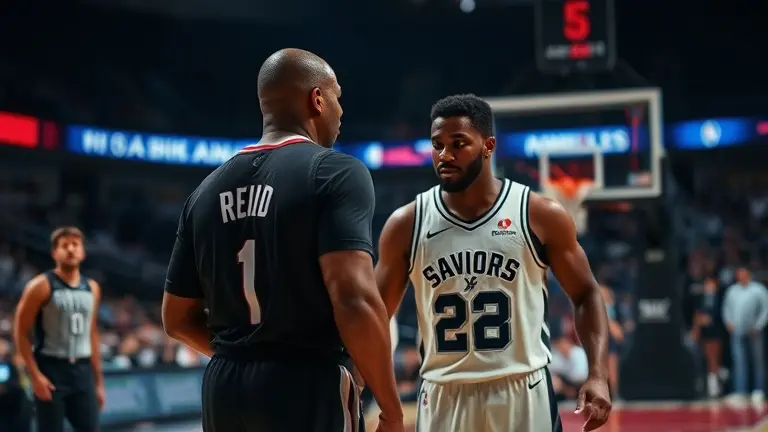
The arena fell into a stunned silence on Sunday, May 10, 2026, when Victor Wembanyama was assessed a Flagrant 2 foul and ejected during Game 4 of the Western Conference Semifinals. It was the first time in the young superstar’s career that he was forced to watch from the locker room, triggering a firestorm of debate across the league regarding player safety, superstar protection, and the arbitrary nature of high-stakes officiating. While the NBA’s decision to forgo a suspension for Game 5 has settled the immediate controversy, the incident remains a watershed moment for the San Antonio Spurs, shifting the tactical landscape of the series in an instant.
Beyond the reactive headlines, this ejection forces a deeper interrogation of the cognitive and physical threshold an elite athlete must maintain under the suffocating pressure of a playoff atmosphere. When split-second decisions result in catastrophic momentum shifts, understanding the mechanics of such fouls—and the mental state required to avoid them—becomes vital. By dissecting the game film and historical precedents of playoff ejections, we move past the shock of the moment to analyze the complex tactical adjustments now required for the Spurs to navigate their way forward.
Analyzing the Incident: Wembanyama’s First Career Ejection
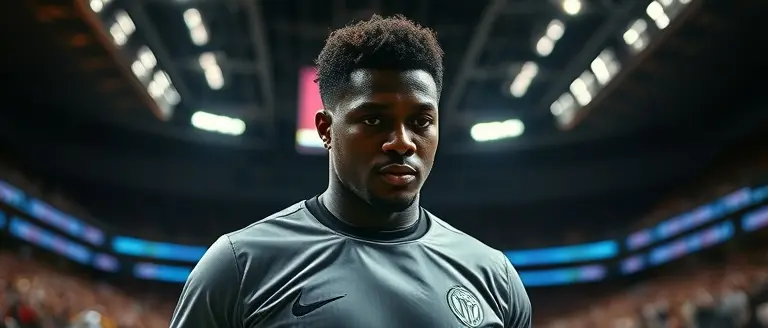
The May 10, 2026, Western Conference Semifinals clash between the San Antonio Spurs and the Minnesota Timberwolves marked a historic turning point for Victor Wembanyama. During the first half of Game 4, the Spurs superstar was assessed a Flagrant 2 foul and subsequently ejected after an elbow made contact with Timberwolves forward Naz Reid. This event, which resulted in the first Wembanyama ejected scenario of his professional career, sparked immediate controversy. The officials ruled that the contact was “unnecessary and excessive,” triggering an automatic exit from the contest and shifting the momentum of a pivotal playoff game.
Breaking Down the Mechanics of the Flagrant 2
To understand the officiating decision, analysts have pointed to the specific mechanics of the play, noting that while Wembanyama was attempting to create space, the extension of his arm deviated from a natural basketball motion.
- Point of Contact: The elbow struck Reid in the facial area, a primary factor in the league’s criteria for a Flagrant 2 classification.
- Intent vs. Result: While supporters argued the motion was a defensive posture against aggressive crowding, the referees focused on the force applied and the lack of defensive pivot.
- Historical Precedent: The officiating crew relied on established playoff guidelines that prioritize player safety, particularly concerning contact above the shoulders.
Following the game, significant uncertainty loomed regarding a potential wemby suspension. However, after a thorough review by the league office, it was confirmed that no further disciplinary action would be taken. The NBA’s decision to bypass a wemby suspension for Game 5 suggests the league viewed the incident as a singular, albeit severe, playoff foul rather than a pattern of behavior. This clarity allowed the Spurs to focus their tactical adjustments on regaining series control, moving past the shock of their star’s departure to address the physical intensity Minnesota brought to the floor.
The Mechanics of the Flagrant 2: A Frame-by-Frame Breakdown

When Victor Wembanyama was assessed a Flagrant 2 foul during Game 4 of the Western Conference Semifinals, the officiating crew relied on the NBA’s strict “unnecessary and excessive” criteria to justify the immediate dismissal. Analyzing the game footage reveals that the contact occurred while Wembanyama was attempting to navigate a screen set by Naz Reid. As Wembanyama turned into the play, his elbow made direct, forceful contact with Reid’s head and neck area. Under current league standards, officials are instructed to evaluate the “nature and severity” of the contact, and the outcome—a heavy impact to the head—often dictates a Flagrant 2, regardless of whether the player intended to cause harm.
Intent vs. Impact in Officiating
The debate surrounding Wembanyama ejected stems from the discrepancy between kinetic intent and final outcome. While defenders frequently use their arms to clear space, the threshold for a Flagrant 2 is met when the contact is deemed to have no legitimate basketball purpose.
- Point of Contact: The elbow connected with the head/neck region, which is a primary point of emphasis for player safety protocols.
- Follow-through: High-speed replays suggested an extension of the arm, which officials interpreted as “excessive” force rather than a natural basketball motion or a standard pivot.
- The “Basketball Play” Defense: Supporters argued that Wembanyama was reacting to physical play throughout the series. However, the referees viewed the maneuver as disconnected from an attempt to reach the ball, leading to the Spurs star’s first career ejection.
Ultimately, while the Wembanyama ejected ruling drew significant criticism from fans who viewed the contact as an incidental byproduct of high-intensity playoff basketball, the mechanics of the foul checked every box required for an ejection. By prioritizing head-impact prevention, the officials ensured the game remained within the strict parameters of modern NBA safety rules, even if the wembanyama ejected call significantly altered the momentum of the series.
Historical Precedents: Flagrant Ejections in NBA Playoff History
The incident involving Victor Wembanyama during the Western Conference Semifinals invites a necessary comparison to the league’s long-standing struggle with defining “excessive and unnecessary” contact. In NBA playoff history, the threshold for a Flagrant 2 ejection has often shifted based on the intensity of the series and the referee’s interpretation of intent. When Wemby was ejected for his elbow against Naz Reid, the league faced immediate scrutiny, especially considering that postseason officiating is traditionally more permissive. Historically, playoff flagrant fouls—such as those involving Amar’e Stoudemire or Andrew Bynum—often resulted in automatic suspensions; however, the NBA’s decision to forgo a wemby suspension aligns with a modern evolution toward weighing the “basketball play” aspect against the actual outcome of the contact.
Consistency in Postseason Officiating
Data-driven analysis of previous playoff ejections suggests that officials prioritize three primary factors when reviewing tape: the point of contact, the wind-up motion, and the follow-through. Unlike regular-season games, where the league occasionally utilizes ejections to send a message regarding player safety, playoff scenarios often see officials hesitant to swing the outcome of a series unless the violation is egregious.
- Impact vs. Intent: Historically, fouls resulting in facial contact—like the one involving Wembanyama ejected—draw high scrutiny. Yet, similar incidents in the 2010s often saw players remain in the game if the contact was deemed “incidental” rather than “predatory.”
- Superstar Treatment: The Spurs organization and fans argue that Wembanyama is subject to disproportionate physicality. Parallels are frequently drawn to young superstars like LeBron James or Giannis Antetokounmpo, whose aggressive playstyles often led to “welcome to the playoffs” officiating, where referees force rookies to endure high-contact defensive schemes.
- The Zero-Suspension Precedent: By opting for a 0-game suspension, the NBA office confirmed that while the ejection was an appropriate measure to manage the game flow of Game 4, the action did not warrant a permanent mark on his disciplinary record. This creates a vital precedent: even in high-stakes environments, the league is increasingly favoring case-by-case context over rigid, zero-tolerance punishment structures for first-time offenders.
Tactical Fallout: How the Spurs Adjust for Game 5
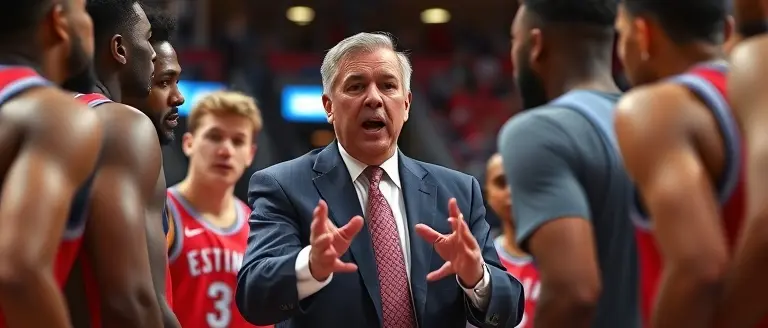
With the NBA officially clearing Victor Wembanyama of any further wemby suspension following the controversial Flagrant 2 incident in Game 4, the San Antonio Spurs coaching staff faces a critical strategic pivot. While the team avoided the worst-case scenario of losing their defensive anchor for a must-win Game 5, the psychological ripple effect of seeing Wemby ejected cannot be understated. The coaching staff must now balance maintaining the high-intensity defensive identity that defines this Spurs roster with the necessity of keeping their superstar on the floor.
Navigating Aggression and Officiating
The incident against Naz Reid has placed a microscope on Wembanyama’s physicality. To thrive in the remainder of the series against the Minnesota Timberwolves, the following tactical adjustments are expected:
- Restrained Interior Defense: Wembanyama will likely be coached to prioritize verticality over aggressive lateral swipes to avoid drawing additional whistles, as officials often heighten their scrutiny following an ejection.
- Offensive Spacing: The Spurs must diversify their playmaking to ensure Wembanyama isn’t forced into high-contact screening situations where he is susceptible to being baited into retaliatory fouls.
- Psychological Resilience: Spurs staff, including Mitch Johnson, have emphasized the need for Wembanyama to maintain “competitive composure.” The team dynamic relies heavily on his presence; therefore, preventing his frustration from escalating is now a primary tactical objective.
By refining these defensive tendencies, the Spurs aim to capitalize on Wembanyama’s availability. Because Wembanyama ejected from the previous contest left a massive void in the paint, the coaching staff must now lean into more versatile small-ball lineups to relieve the burden on their star. The goal is to avoid repeating the defensive collapse seen in Game 4, ensuring the Spurs maintain their competitive edge in a high-stakes playoff environment without compromising their primary defensive asset.
Mastering the Mental Game Under Pressure
The incident involving Wembanyama highlights a cold, hard truth of professional sports: the difference between a championship play and a costly ejection often lies in a fraction of a second. As we analyze the complex tactical film and the shifting momentum of the playoffs, it becomes clear that elite performance demands more than just physical talent; it requires a level of cognitive sharpness that can process high-stakes scenarios without succumbing to the fog of immense pressure. Just as top-tier analysts must maintain absolute clarity to decipher the nuances of these game-changing fouls, athletes must cultivate a mental edge to navigate the intensity of the hardwood.
This is precisely where the philosophy of the game meets the reality of human performance. To truly grasp the complexity of these high-pressure environments, you need to elevate your own decision-making speed and analytical focus. The Brain Song is designed specifically for this purpose, acting as a mental conditioning tool that mirrors the high-performance demands faced by elite athletes. By integrating this into your daily routine, you aren’t just watching the game—you are sharpening your cognitive edge to see the play before it happens, giving you the same analytical advantage as the coaches on the sidelines.
Don’t just observe the chaos of the playoffs; dissect it with the clarity of a professional. Unlock the focus required to see beyond the headlines and truly understand the mechanics of the game.
 Unlock your peak analytical focus and sharpen your cognitive edge with The Brain Song’s daily routine.Transform My Mental Focus Today!