
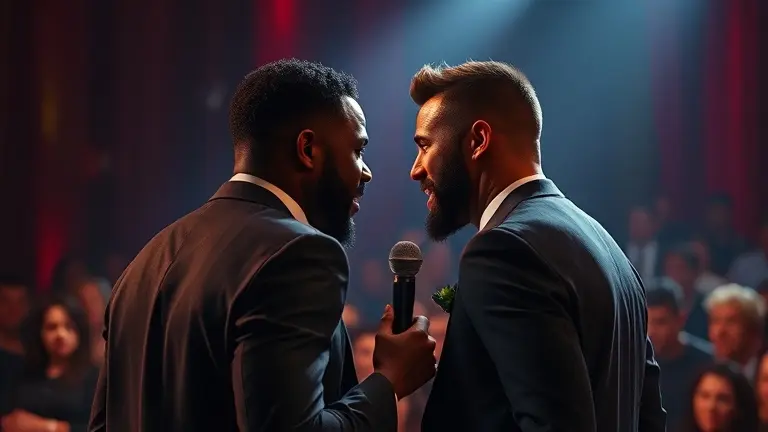
When the dust settled on the Netflix Is a Joke festival, the headlines weren’t just about the comedy—they were about the strategy. The roast of Kevin Hart, featuring a shock reconciliation with long-time rival Katt Williams and a searing performance by Tom Brady, signaled a massive pivot in streaming entertainment. This was no longer just a roast; it was a high-stakes masterclass in image rehabilitation, where personal pain and public infidelities were transformed into, and then swiftly neutralized by, carefully choreographed theater. By inviting icons like Katt Williams to the stage, the event created a narrative of growth that effectively buried years of public tension, leaving audiences to wonder: was it a genuine truce, or the ultimate PR redemption arc?
Yet, the event also pulled back the curtain on the darker side of modern celebrity culture: the aggressive exploitation of interpersonal dynamics for viral engagement. As the jokes turned toward Kevin Hart’s marriage and his wife, Eniko Hart, the lines between professional comedy and personal violation blurred dangerously. This spectacle forces us to look beneath the surface of the headlines. It isn’t just about who got roasted harder; it is about how, in an age of total surveillance, public figures and ordinary people alike must navigate the psychological minefield of maintaining loyalty and romantic resilience when every past mistake is fuel for a public fire.
The Night the Internet Stood Still: Anatomy of ‘The Roast of Kevin Hart’
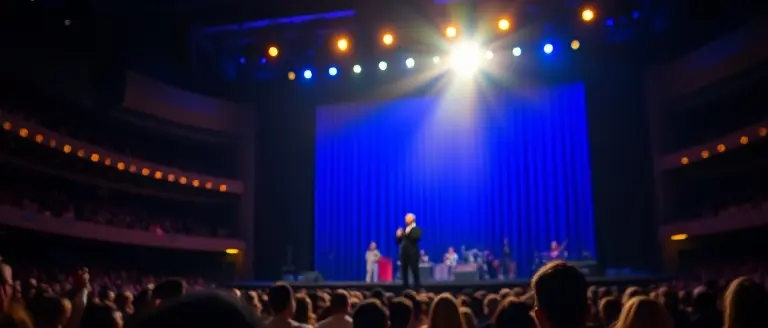
On May 10, 2026, the ‘Netflix Is a Joke’ festival culminated in a televised spectacle that transcended traditional comedy. The roast of Kevin Hart, held at the iconic Kia Forum in Los Angeles, transformed into a high-stakes cultural touchstone that blurred the lines between genuine hostility and orchestrated public relations. By leveraging a curated panel of peers and rivals, Netflix succeeded in creating a “must-watch” live event that dominated social media discourse for days, signaling a shift in how streaming platforms monetize conflict and reconciliation.
The evening was defined by two primary narratives that intersected in ways that kept viewers tethered to their screens. The first was the shocking, highly publicized reconciliation between Kevin Hart and Katt Williams. Once bitter rivals, their live-stage truce felt both jarring and calculated, leaving audiences to question whether the feud was truly buried or merely repurposed for the brand of the hour. This tension was masterfully contrasted by the aggressive performance of Tom Brady, who pivoted away from lighthearted jabs to focus on Kevin Hart’s 2017 infidelity scandal and personal life. By targeting Eniko Hart, the roast leaned into a darker, more intrusive form of comedy that sparked widespread debate regarding the ethical boundaries of roasting.
Key Factors Shaping the Event’s Paradigm Shift:
- The PR Redemption Arc: By inviting adversaries to the stage, the event reframed past grievances as “squashed” beef, effectively sanitizing reputations through the lens of comedy.
- Weaponized Vulnerability: Tom Brady’s inclusion of sensitive personal history suggests a move toward “trauma-adjacent” roasting, where the goal is to elicit a genuine emotional reaction rather than just a punchline.
- The Authenticity Debate: Social media sentiment remains divided; while some fans celebrated the Katt Williams and Kevin Hart moment, others viewed it as a hollow spectacle designed to bolster Netflix’s influence as a live-event powerhouse.
Ultimately, this event was not merely a roast but a meticulously engineered masterclass in engagement. By forcing public figures to navigate the fallout of personal trauma on a global stage, Netflix has effectively redefined the modern roast as a vehicle for complex, high-risk, and high-reward reputation management.
The PR Redemption Arc: Weaponizing Vulnerability in Comedy
The modern celebrity roast has evolved far beyond a simple comedic tribute; it has become a sophisticated instrument of reputation management. The roast of Kevin Hart illustrates a masterclass in the “PR Redemption Arc,” where high-stakes public criticism is repurposed as a tool for image rehabilitation. By inviting rivals and critics—most notably Katt Williams—onto a massive stage, Hart effectively co-opted the narrative of his own public controversies. This calculated move forces the audience to view past scandals not as fresh wounds, but as “settled history,” neutralizing the impact of future critiques by confronting them head-on in a controlled, entertainment-focused environment.
Controlling the Narrative Through Strategic Vulnerability
At the heart of this strategy is the weaponization of personal scandal. When Tom Brady aggressively invoked Kevin Hart’s 2017 infidelity, the intent was clearly to elicit a reaction. However, by allowing such sensitive topics to be aired live, Hart achieved two strategic goals:
- Normalization of Trauma: Transforming a personal scandal into a punchline strips the event of its power, framing it as a “legacy issue” rather than a current moral failure.
- The Illusion of Authenticity: The perceived “vulnerability” displayed on stage—even when scripted—builds a bridge of empathy with the audience, making the star appear more human and relatable.
The Dynamics of Reconciliation and Branding
The surprise reconciliation with Katt Williams further emphasizes the shift toward performance-based peace. While critics debate the authenticity of the truce, the brand impact is undeniable. By putting an end to a long-standing public feud, Hart successfully pivoted the conversation away from his personal life and toward his professional standing as a “big enough” star to facilitate his own televised resolution. Meanwhile, the inclusion of Eniko Hart in the roast’s crosshairs highlights the complex, often uncomfortable, gendered dynamics of modern comedy. By subjecting his inner circle to the fire, Hart projects an image of invincibility, signaling to fans and media alike that he has moved past his darker chapters and is ready to embrace his next era of mainstream dominance.
Conflict as Content: The Calculated Hart-Williams Truce
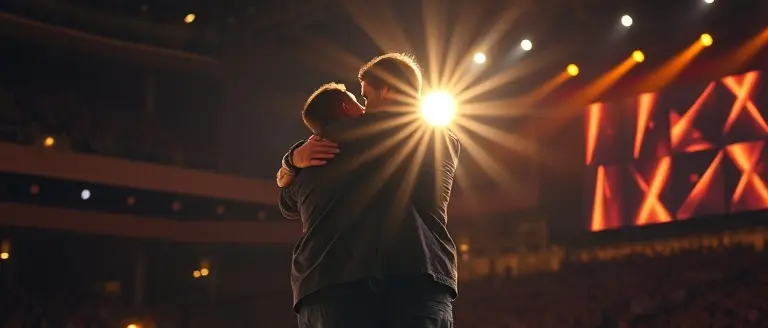
The appearance of Katt Williams at the roast of Kevin Hart served as the centerpiece of the Netflix event, yet it signaled a shift in how modern celebrity conflicts are resolved. By transforming a long-standing, volatile rivalry into a choreographed “truce” on stage at the Kia Forum, both comedians utilized the medium of live streaming to curate their respective public personas. Rather than an organic breakthrough, this reconciliation mirrors the strategic mechanics of reality television, where tension is manufactured to ensure high engagement and viewer retention. Evidence suggests that this moment was designed not just for humor, but to consolidate their market influence under the banner of a major streaming platform, effectively turning their public discord into a highly profitable, brand-aligned spectacle.
Analyzing the Synergy of Reconciliation
When evaluating the authenticity of the Katt Williams Kevin Hart interaction, viewers are left to discern between genuine sentiment and “reputation management.” In an era where digital presence dictates longevity, the roast functions less as a comedy performance and more as a PR pivot. Key observations regarding this strategic move include:
- Algorithmic Optimization: By signaling a truce, both parties generated a massive surge in social media traffic, effectively neutralizing negative PR cycles associated with their past beef.
- Narrative Control: By staging the reconciliation, the comedians reclaimed the narrative from independent gossip outlets, placing the “resolution” within a controlled, Netflix-produced environment.
- The PR Redemption Arc: Modern roasts act as a filter through which stars can address past controversies—such as Kevin Hart’s previous scandals or family mentions involving Eniko Hart—by surrounding them with performative humor and celebrity alliances.
Ultimately, this calculated synergy benefits the platform as much as the talent. By turning conflict into content, Netflix guarantees that the “event-viewing” phenomenon—where audiences tune in specifically to see if a public spat will turn physical or emotional—remains a staple of its live comedy business model. The result is a sanitization of genuine friction, replacing messy, unpredictable reality with a polished, broadcast-ready narrative of unity that serves the bottom line.
The Brady Effect: Redefining the Limits of ‘Roast’ Culture
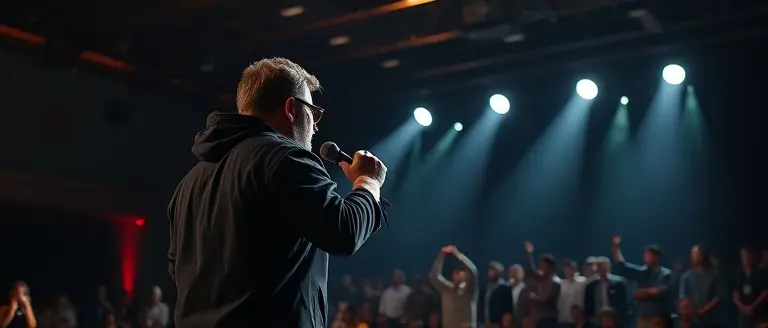
Tom Brady’s appearance at the roast of Kevin Hart signaled a seismic shift in how streaming platforms approach high-stakes comedy. While traditional roasts often focused on lighthearted ribbing or career-based jabs, Brady’s performance leaned into an aggressive, clinical style that prioritized psychological discomfort over observational humor. By targeting sensitive personal matters—specifically the 2017 infidelity scandal involving Kevin Hart and his spouse, Eniko Hart—Brady effectively blurred the lines between roast-style performance art and weaponized personal history. This transition suggests a new “Brady Effect,” where the cultural cachet of the roaster is used to bypass the social etiquette that previously kept domestic trauma off-limits in televised spectacles.
The Divide in Roast Ethics
This pivot has sparked a polarized reaction among audiences, highlighting a growing tension in modern media culture:
- The Purist Perspective: Proponents of “no-holds-barred” comedy argue that the event is a voluntary contract. They posit that by appearing on stage, celebrities forfeit expectations of privacy, making any topic—regardless of its gravity—fair game for the sake of the craft.
- The Boundaries Movement: Critics argue that moving beyond professional failure into intimate family matters serves no comedic purpose. This group suggests that leveraging a host’s history of trauma to generate headlines is a form of exploitative “reputation management” that cheapens the art form.
The inclusion of individuals like Katt Williams alongside the more pointed attacks from figures like Brady creates a volatile environment where the comedy feels less like a shared experience and more like a high-wire act of emotional endurance. As streaming services like Netflix continue to push for massive viewership through live events, the “Roast” format is being transformed into a vehicle for public redemption and raw exposure. Consequently, the industry must grapple with whether the pursuit of viral engagement justifies the erosion of professional boundaries, or if audiences will eventually demand a return to the more balanced, less predatory comedy that defined the genre’s earlier iterations.
Beyond the Roast: Mastering Real-World Connection
The spectacle of the Netflix roast has evolved into a strategic theater of reputation management, where public reconciliation and personal trauma are traded for social currency. When stars like Kevin Hart and Katt Williams stage a truce under the glare of global spotlights, or when intimate details about Eniko Hart are weaponized for a laugh, it highlights the fragility of private bonds subjected to relentless public scrutiny. Ultimately, these events remind us that even the most high-profile relationships are vulnerable to the same external pressures—judgment, skepticism, and the lingering echoes of past mistakes—that we all face in our personal lives.
While the world views these moments as mere entertainment, they expose the deeper, often fragile dynamics of how we maintain, defend, and nurture our most important connections under pressure. If the high-stakes drama of the public stage has taught us anything, it is that a relationship is only as strong as the psychological foundation upon which it is built. It is about understanding the primal, emotional triggers that foster deep-seated devotion, rather than relying on performative gestures to weather the storms of life.
This is where your personal landscape shifts. By mastering the core principles of emotional influence and commitment, you can secure your own relationship against the “external noise” that threatens even the strongest couples. It is time to move past the superficiality of modern spectacle and invest in the psychological framework that ensures your partner sees you as their ultimate priority. Don’t leave the health of your bond to chance—or to the vultures of public opinion.
 Learn how to trigger the ‘Hero Instinct’ to ensure your relationship remains a priority, regardless of external noise.Secure My Relationship Today!