
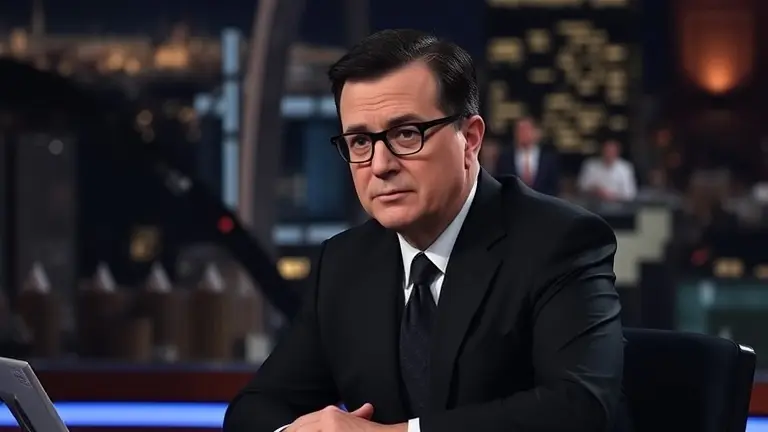
The era of the late-night monologue as a cultural anchor is officially flickering out. With CBS’s surprise announcement that The Late Show with Stephen Colbert will air its final episode on May 21, 2026, the television landscape is bracing for a profound transformation. While the network cites financial headwinds as the driving force behind the cancellation of this late-night institution, the decision has ignited a firestorm of controversy. Industry titans like David Letterman have publicly challenged the narrative, labeling the network’s justifications as disingenuous and casting a spotlight on the precarious future of traditional talk formats in a world dominated by streaming algorithms and fractured social media feeds.
As the countdown to the final show begins, the conversation has moved far beyond ratings and budgets. It has become a reflective journey into the legacy of Colbert’s eleven-year tenure, a period defined by sharp political satire and a direct, often uncomfortable, engagement with the state of the nation. Yet, for many dedicated viewers, this emotional retrospective is revealing a deeper, more personal toll: the exhaustion of keeping pace with a relentless news cycle. As we prepare to bid farewell to the host who guided us through it all, we must also address the cognitive fatigue that has settled in, leaving many fans searching for a way to clear the mental fog and rediscover their own clarity.
,slug:
The Curtain Falls: The End of The Late Show Era
The television landscape undergoes a seismic shift on May 21, 2026, as Stephen Colbert prepares to host his final Late Show episode. This broadcast marks the conclusion of a storied 11-year run, closing the chapter on what has long been considered the flagship late-night franchise for CBS. The journey toward this finale began abruptly on July 17, 2025, when network executives announced the show’s cancellation, a decision that sent shockwaves through the entertainment industry and prompted immediate speculation regarding the long-term viability of traditional talk show formats in an increasingly digital, streaming-first media environment.
A Contested Narrative: Finance vs. Legacy
While CBS officially cited “financial considerations” as the primary driver for the cancellation, this justification has faced significant pushback from industry veterans and insiders. The network maintains that the evolving economics of late-night television necessitated a structural change to preserve its bottom line. However, the official explanation has been met with skepticism, most notably from the show’s predecessor, David Letterman.
Letterman, whose own legendary tenure at the Ed Sullivan Theater defined the medium, did not mince words regarding the decision. In a series of public critiques, he labeled CBS leadership as “lying weasels,” publicly questioning whether the network’s move was truly about fiscal responsibility or a fundamental abandonment of the late-night format. This conflict has turned the Stephen Colbert final Late Show into a flashpoint for a broader debate about:
- The decline of linear television viewership among younger demographics.
- The shift in advertising revenue models that once sustained daily, long-form broadcast programs.
- The cultural impact of political satire in a polarized, social media-dominated news cycle.
As the industry watches the finale unfold, many analysts view this moment as a definitive turning point. The transition away from the iconic format signals a broader, potentially permanent migration of late-night entertainment toward decentralized digital platforms, leaving the legacy of the Ed Sullivan Theater as a monument to a fading, yet culturally significant, era of American broadcasting.
Profit vs. Prestige: Analyzing the Network’s Strategy

The announcement of the Stephen Colbert final Late Show has sparked a firestorm of industry debate, centering on a fundamental tension between long-standing cultural prestige and modern fiscal reality. CBS officially cites “financial considerations” for the conclusion of this flagship series, yet veteran broadcasters—most notably David Letterman—have publicly challenged this narrative. By labeling the network’s justification as the work of “lying weasels,” Letterman echoed a broader industry concern: that corporate prioritization of short-term margins is dismantling the structural integrity of American late-night television.
The Shift in Viewing Habits
The decline of the traditional linear talk show is not merely a matter of budget, but a symptom of a shifting media landscape. Evidence suggests that the transition toward digital-first consumption has rendered the traditional late-night model increasingly precarious. Key factors influencing this corporate pivot include:
- Fragmentation of Audience: Younger demographics prioritize on-demand, bite-sized clips over the traditional hour-long broadcast format.
- Declining Ad Revenue: As linear television ratings drop, the return on investment for high-cost studio productions has become difficult to justify to shareholders.
- The Streaming Competition: Subscription-based services offer more flexible schedules, making the “appointment viewing” requirement of a 11:30 PM slot feel increasingly antiquated.
This decision to end the show after an 11-year run signals that CBS may be moving away from the “prestige” talk show model in favor of more cost-efficient, non-scripted, or digital-native programming. While supporters of the format argue that Colbert’s work provided essential political satire that social media clips cannot replicate, the network’s strategy appears to be a cold calculation that the costs of maintaining a cultural institution no longer outweigh the potential for streamlined, digital-forward profit centers. Whether this marks the death of the genre or merely a necessary evolution remains a point of intense speculation among media analysts.
A Legacy of Satire: Colbert’s 11-Year Impact
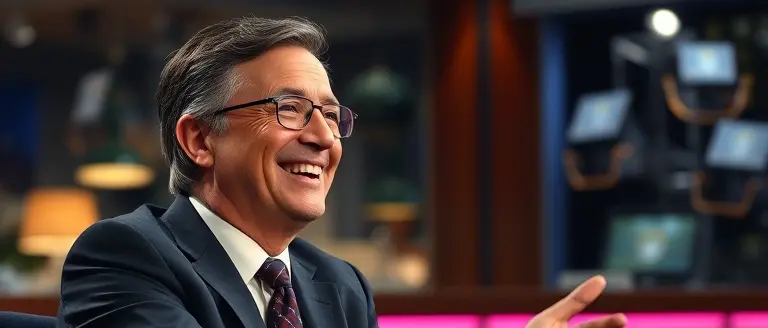
As the Stephen Colbert final Late Show approaches on May 21, 2026, it is clear that his 11-year tenure redefined the architecture of late-night television. Stepping into the massive shadow cast by David Letterman, Colbert successfully pivoted from his high-concept “Colbert Report” persona to a more nuanced, albeit pointed, style of political commentary. His ability to balance the rapid-fire absurdity of modern political discourse with moments of profound, unscripted emotional sincerity became his signature. This evolution transformed the show from a traditional variety program into a essential destination for audiences seeking to process the complexities of contemporary news and pop culture.
Redefining the Late-Night Format
Colbert’s impact on the medium extends far beyond the monologue. By embedding sharp, research-heavy satire into his opening segments, he elevated the intellectual standard of the nightly talk show. His tenure was defined by several key developments in how audiences consume media:
- Political Engagement: He utilized the “Late Show” as a primary venue for investigative interviews, most notably his recent final discussion with Barack Obama, which underscored the program’s role as a cultural and political institution.
- The “Strike Force Five” Synergy: His collaboration with industry peers—Jimmy Fallon, Jimmy Kimmel, Seth Meyers, and John Oliver—during the industry strikes showcased a new era of cross-network cooperation, a move that solidified his status as a statesman of comedy.
- Vulnerability as a Tool: Colbert’s capacity to address national tragedies and personal grief on-air allowed for a communal healing process that traditional, more guarded hosts rarely achieved.
Ultimately, the Stephen Colbert final Late Show signals the end of a pivotal chapter in television history. While critics often point to the shifting economics of broadcast networks as the reason for this closure, Colbert’s legacy remains secure. He didn’t just host a show; he provided a daily mirror to the American experience, proving that even in the digital age, a centralized voice can still command national attention.
The Ultimate Guest List: A Viewer’s Guide to the Finale
As the clock ticks down to the Stephen Colbert final Late Show on May 21, 2026, anticipation has reached a fever pitch. CBS is curating a swan song designed to honor the legacy of the flagship late-night franchise, packing the final 10 days with appearances that bridge the gap between competitive networks and shared industry history. Viewers should prepare for a nightly rotation of monumental talent, culminating in a broadcast that many industry insiders expect to be the most-watched late-night event of the decade.
Confirmed Appearances and Special Programming
The centerpiece of this farewell is undoubtedly the reunion of the “Strike Force Five,” as the industry’s top titans put aside network rivalries to celebrate Colbert’s 11-year run. The lineup for the final week includes:
- Jimmy Fallon, Jimmy Kimmel, and Seth Meyers: These late-night peers will participate in a special roundtable discussion reflecting on the evolution of the monologue format.
- John Oliver: The Last Week Tonight host is slated for a retrospective segment focusing on the intersection of satire and journalism.
- Archival Specials: CBS will air “The Best of The Late Show” vignettes throughout the week, featuring highlights from Colbert’s most iconic political interviews and comedy sketches.
How to Watch the Historic Finale
To ensure you do not miss a single moment of this historic televised farewell, the episode will air on its standard schedule on CBS. For those who have cut the cord, the finale will be available to stream simultaneously via Paramount+, with an extended “after-show” exclusive featuring behind-the-scenes footage and heartfelt goodbyes from the production staff. Given the widespread speculation surrounding the show’s sudden cancellation, fans are encouraged to tune in early, as the finale is expected to include a poignant, unfiltered monologue that may address the network’s controversial “financial considerations” explanation.
Navigating the Future of Your Focus
As the final curtain falls on The Late Show with Stephen Colbert, we aren’t just saying goodbye to a host; we are witnessing the closing of a chapter in American television. The debate over its cancellation—ranging from CBS’s corporate bottom line to industry veterans like David Letterman calling out the network’s transparency—highlights a fundamental shift in how we consume media. For years, Colbert has been our compass through the stormy seas of political discourse, but the constant stream of high-stress news and biting satire has left many of us feeling mentally drained and perpetually on edge.
It is in these moments of transition that we must prioritize our own cognitive well-being. The “mental fog” that follows years of high-intensity media consumption is a real phenomenon, making it increasingly difficult to find clarity in a world that never stops talking. If you find yourself feeling burned out by the 24/7 news cycle, now is the perfect time to reset. By reclaiming your mental space, you ensure that you aren’t just a passive consumer of information, but an active participant in your own well-being.
The Brain Song offers a science-backed, non-invasive path to clearing that lingering static, helping you sharpen your focus and decompress after the heavy emotional lifting of these past few years. It is more than just a routine; it is your tool for regaining the cognitive sharpness required to navigate whatever comes next in our evolving media landscape. Embrace this moment of change as an opportunity to sharpen your mind and restore your focus.
 Reclaim your focus after the final curtain call; see how this 12-minute daily routine is helping fans clear the mental fog and sharpen their minds for what comes next.Yes, I Want to Sharpen My Mind Now!