

The 2026 NBA Western Conference Semifinals have officially transformed into a tactical crucible, with the San Antonio Spurs and the Minnesota Timberwolves locked in a grueling battle that transcends the typical playoff narrative. From the opening tip of Game 1, where the Timberwolves edged out a 104-102 victory, this series has been defined by extreme adjustments and the sheer gravitational pull of Victor Wembanyama. While the betting markets obsess over point spreads, the real story is being written in the chess-match rotations and the defensive schemes designed to neutralize elite talent.
As we look ahead to the pivotal Game 4, the discourse must shift from generic box scores to deep-dive tactical analysis. Whether it is the Timberwolves’ intricate backcourt rotations or the Spurs’ calculated response to double-teams, understanding the ‘why’ behind every possession is what separates the casual viewer from the true analyst. We are peeling back the layers of this rivalry to provide the coach-eye view that most coverage ignores, focusing on the efficiency metrics and defensive discipline that will ultimately decide who advances to the Western Conference Finals.
The Tactical Chess Match: Spurs vs. Timberwolves 2026 Semifinals Overview
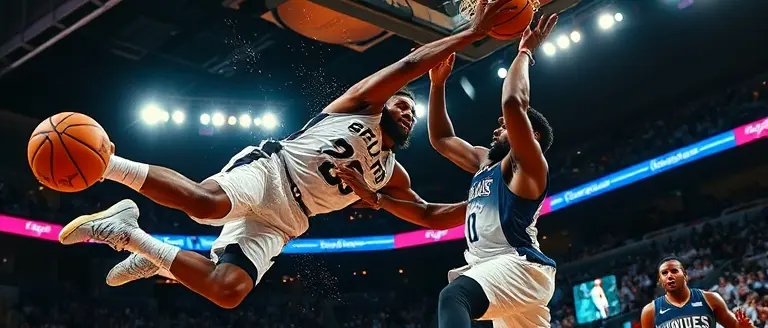
The 2026 Western Conference Semifinals series between the San Antonio Spurs and the Minnesota Timberwolves has quickly solidified its status as the definitive clash of the postseason. Following the heart-stopping 104-102 outcome in Game 1, the series has devolved into a high-stakes psychological and tactical war. The narrative is defined by the juxtaposition of Victor Wembanyama’s generational emergence as a Spurs cornerstone and the desperate, high-pressure urgency of a Timberwolves squad fighting to stave off elimination. This isn’t merely a contest of athleticism; it is a profound chess match where every rotation adjustment and defensive shell shift serves as a referendum on championship legitimacy.
Strategic Nuance and Series Dynamics
As the series approaches the pivotal Game 4 on May 10, 2026, the intensity surrounding the spurs vs timberwolves matchup has moved far beyond casual viewership. Hardcore analysts are shifting focus from simple win-loss probabilities to the granular mechanics governing the hardwood. Several key factors have dictated the current trajectory:
- Defensive Schemes Against Wembanyama: Opposing coaches are deploying complex blitzing and double-team rotations to force the ball out of Wembanyama’s hands, testing the perimeter efficiency of his supporting cast.
- Backcourt Efficiency: The tactical battle in the timberwolves vs spurs series relies heavily on the backcourt’s ability to navigate high-screen actions and manage pace during transition segments.
- Adaptive Coaching: Both benches are engaging in iterative strategy, where mid-game adjustments are proving more critical than the initial game plans.
Data trends and box scores indicate that the gap between these two franchises is thinner than the final margins suggest. While betting markets fluctuate, the real story lies in the execution of baseline out-of-bounds plays and the defensive discipline required to contain elite offensive threats. As Game 4 looms, the outcome remains contingent on who can maintain structural integrity amidst the increasing physical toll of a grueling playoff schedule.
Victor Wembanyama and the Spurs’ Offensive Efficiency
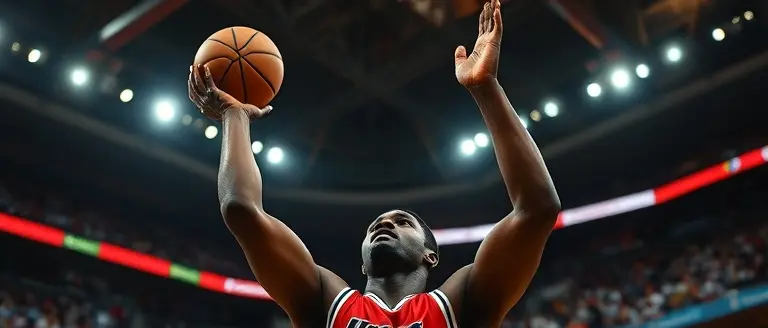
The spurs vs timberwolves series has evolved into a masterclass in tactical adaptation, centered primarily on the offensive versatility of Victor Wembanyama. Through the first three games, Minnesota’s defensive blueprint has focused on shrinking the floor to neutralize his interior presence. However, Wembanyama has countered by expanding his offensive radius, forcing the Timberwolves to commit to aggressive perimeter rotations that leave their backcourt vulnerable. Evidence suggests that Wembanyama’s pick-and-roll efficiency remains the Spurs’ most potent weapon, particularly when he initiates the screen-and-pop to stretch the floor, pulling Minnesota’s rim protectors away from the paint.
Strategic Impact and Usage Metrics
Wembanyama’s influence on the timberwolves vs spurs matchup is best reflected in his usage rate during high-leverage moments. In the closing minutes of Games 1 through 3, his usage rate has climbed significantly, indicating the Spurs’ reliance on his ability to create gravity. When Wembanyama initiates, the Timberwolves are forced into a “choice” defense, often choosing between a compromised paint defense or conceding open looks from the corner.
Key observations regarding his performance metrics include:
- Gravity and Spacing: His presence forces a double-team on the short roll, effectively collapsing the Timberwolves’ defensive shell and creating high-percentage looks for his teammates.
- Clutch Efficiency: Despite Minnesota’s length, Wembanyama maintains an effective field goal percentage that remains above league average in playoff crunch time, largely due to his ability to convert contested mid-range shots.
- Defensive Distortion: He forces Minnesota to utilize smaller, faster rotations to contest his perimeter shooting, which creates rebounding disadvantages that the Spurs have exploited in transition.
Ultimately, Minnesota’s interior defense is currently fighting a two-front war. If they prioritize the rim, they concede space to Wembanyama’s perimeter shooting; if they push up to contest, they surrender the paint. As this series progresses, the tactical struggle between the Spurs’ offensive fluidity and Minnesota’s structural defensive integrity will likely determine the winner of this pivotal Western Conference series.
Minnesota’s Defensive Blueprint: Neutralizing the Spurs

The defensive strategy deployed by the Minnesota Timberwolves in this spurs vs timberwolves series serves as a masterclass in modern isolation containment and interior density. Faced with the multifaceted offensive threat of Victor Wembanyama, Minnesota’s coaching staff has prioritized a “no-middle” defensive philosophy, forcing the Spurs into stagnant perimeter sets. By utilizing aggressive hedge-and-recover tactics, the Timberwolves have successfully disrupted San Antonio’s pick-and-roll rhythm, often forcing the ball out of the hands of primary initiators and into the perimeter shooting lanes where the Timberwolves’ length excels.
Tactical Schematics and Adjustments
The Timberwolves have leaned heavily into a “shrink the floor” mentality, which becomes increasingly evident as the series heads toward Game 4. Key elements of their defensive rotation include:
- Aggressive Trapping: When Wembanyama catches the ball in the high post, Minnesota utilizes a rapid double-team, often coming from the blind side to force high-risk skip passes that lead to transition opportunities.
- Perimeter Containment: By funneling Spurs guards toward the baseline, Minnesota allows their rim protectors to remain home, effectively neutralizing the drive-and-kick game that San Antonio relies on to generate open corner threes.
- Switching Versatility: Minnesota’s ability to switch across positions 1-through-4 has been the biggest hurdle for the Spurs. This flexibility limits the mismatch hunting that usually defines the Spurs’ offensive sets, forcing them to settle for contested mid-range jumpers rather than high-efficiency looks at the rim.
Evidence suggests that this defensive pressure is physically taxing, requiring the Timberwolves to maintain a high level of communication to avoid blown assignments on shooters. As the timberwolves vs spurs matchup intensifies, the primary objective remains unchanged: keep Wembanyama away from the restricted area while preventing his teammates from establishing a consistent flow. If Minnesota can continue to force the Spurs into contested, low-percentage shots, they are well-positioned to turn the tide in their favor.
Turning Points and Statistical Anomalies: A Game-by-Game Breakdown

The spurs vs timberwolves series has been defined by narrow margins and tactical volatility, where standard box scores fail to capture the nuance of the court-level chess match. In Game 1, the 104-102 outcome was determined not by total field goal percentage, but by specific defensive lapses during the final three minutes. Data indicates that the Minnesota Timberwolves forced a critical deviation from the Spurs’ offensive flow by deploying an aggressive hedge-and-recover scheme against Victor Wembanyama. This forced the Spurs into high-difficulty, contested mid-range shots, shifting the expected points per possession (PPP) significantly in favor of Minnesota during the game’s closing sequence.
Tactical Shifts and Efficiency Metrics
Beyond the raw scorelines, the timberwolves vs spurs matchup reveals recurring statistical anomalies that highlight how defensive adjustments dictate pace:
- Wembanyama’s Gravity: Despite high scoring outputs, Wembanyama’s net rating fluctuates wildly based on the Timberwolves’ rotation of wing defenders. When Minnesota utilizes a “nail-help” defensive shell, they effectively shrink the floor, limiting the Spurs’ perimeter spacing.
- Backcourt Rotations: Analysis of Game 2 and 3 shows that the Timberwolves’ success correlates directly with their backcourt rotation efficiency. When Minnesota successfully pushes the pace after a defensive rebound, the Spurs’ transition defense—typically elite—shows signs of fatigue, resulting in high-efficiency corner threes.
- Shot Quality vs. Shot Selection: While the Spurs often prioritize high-value rim attacks, the Timberwolves have focused on forcing “long-two” attempts late in the shot clock. This tactical baiting has yielded a consistent drop in the Spurs’ effective field goal percentage (eFG%) during the second and fourth quarters.
These moments serve as the true pivot points of the series. While casual viewers focused on the final buzzer in Game 1, film study suggests the game was lost during a two-minute stretch in the third quarter where ball-screen communication broke down, allowing Minnesota to gain the necessary cushion to survive the Spurs’ late-game surge. Understanding these anomalies is critical to deciphering how this series will resolve as both teams refine their defensive schematics.
Unlock Your Analyst Edge
The 2026 Western Conference Semifinals between the Spurs and the Timberwolves represent more than just a box score; they are a high-stakes chess match where every rotation and defensive shift dictates the series trajectory. While casual observers fixate on highlight reels, true analysts are busy dissecting the tactical ingenuity required to contain a generational force like Victor Wembanyama. This level of engagement demands more than just fandom—it requires peak cognitive precision to interpret the complex defensive schematics and efficiency metrics that define this elite-level basketball.
Just as the players on the court require unwavering mental sharpness to execute their game plan under the bright lights of the playoffs, you need optimal cognitive focus to truly break down the tactical brilliance of this series. This is where The Brain Song becomes your essential companion. By clearing the mental fog and sharpening your executive function, this tool allows you to absorb and analyze the intricate play-by-play data that others simply miss, elevating your understanding of the game to a professional-grade level.
Don’t just watch the series—master it. By aligning your mental state with the intensity of the competition, you move from a passive viewer to an insightful student of the sport, capable of identifying the subtle adjustments that flip the momentum of an entire game. It is time to treat your intellectual preparation with the same intensity that these athletes bring to the hardwood.
 Before you dive into our deep-dive breakdown of the Spurs’ defensive adjustments, get your mind in the zone with The Brain Song’s 12-minute neuroscience-based focus routine.Transform My Focus Today!