
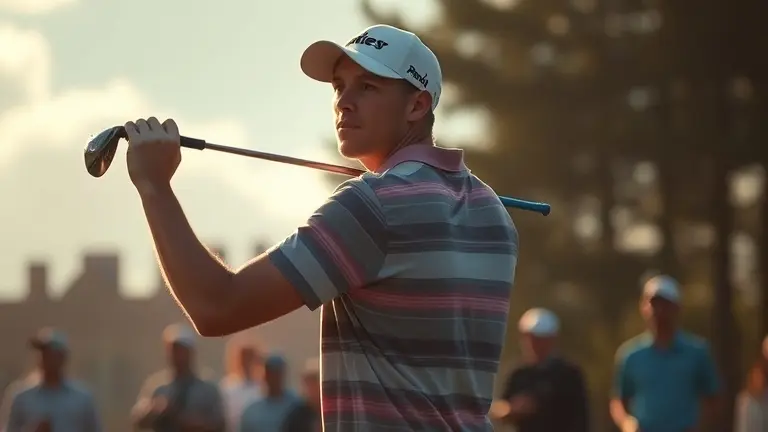
When the world’s top-ranked players, including Scottie Scheffler and Collin Morikawa, announced their strategic withdrawals from the 2026 Truist Championship, a void appeared at the iconic Quail Hollow Club. However, in the high-stakes world of PGA Tour Signature Events, nature abhors a vacuum. As the tournament unfolded, the focus shifted from the absence of superstars to the clinical precision of a new wave of talent seizing their moment in the spotlight. With a massive $20 million purse on the line, the event proved that the ‘Signature’ designation is about more than just marquee names—it is about the relentless demand for perfection that this legendary North Carolina course imposes on every golfer who steps onto the tee.
This year’s edition at Quail Hollow offered a masterclass in professional course management. Following the rigorous modifications that defined the 2025 PGA Championship, the layout demanded total technical mastery rather than raw power alone. For golf fans, the shift was exhilarating: watching emerging stars navigate these complex architectural challenges provided a level of insight into professional-grade strategy that is rarely seen when the usual field dominates the narrative. It turns out, true greatness is often found in the blueprints of success, where every angle and variable is calculated to achieve a championship result.
The Truist Championship: A Defining Moment at Quail Hollow
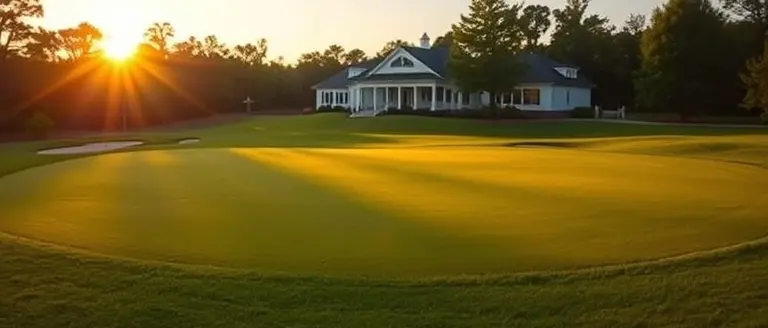
The Truist Championship has firmly established itself as a premier stop on the PGA Tour, cementing its status as a vital “Signature Event” within the global golf calendar. Held at the historic Quail Hollow Club in Charlotte, North Carolina, the tournament carried a massive $20 million purse, reflecting its high-stakes nature and the caliber of competition expected by fans and stakeholders alike. Coming off the heels of Quail Hollow hosting the 2025 PGA Championship, the course was primed to test the world’s best with its renowned layout, demanding both extreme precision and strategic shot-making that separates the elite from the field.
However, the 2026 edition of the event faced significant logistical challenges that sparked intense debate across the golf community. The high-profile Scottie Scheffler truist championship withdrawal, alongside exits from top-ranked peers like Collin Morikawa and Jake Knapp, shifted the narrative leading into the opening round. These decisions were primarily strategic; with the PGA Championship looming on the schedule, top players chose to prioritize rest and recovery over the grueling demands of a Signature Event. This trend highlights a growing tension within the PGA Tour ecosystem, where the frequency of elite events forces professionals to weigh immediate financial incentives against their long-term major championship goals.
Key factors that defined the 2026 event include:
- Course Prestige: The continued use of Quail Hollow, a venue validated by its recent hosting of a major, ensured that the field competed on a championship-grade test of skill.
- Signature Event Format: As a high-purse, restricted-field tournament, the event is designed to maximize television viewership and sponsorship value via the Truist partnership.
- Strategic Scheduling: The withdrawals were not merely absences; they represented a calculated pivot, as elite players often opt for specific training blocks to achieve peak physical condition for majors.
- Talent Depth: While the departure of superstars dominated headlines, the event provided a platform for the next generation of contenders to demonstrate their potential on a global stage, ensuring the competition remained fierce until the final hole.
Breakout Stars: Winners and Losers from the Charlotte Field
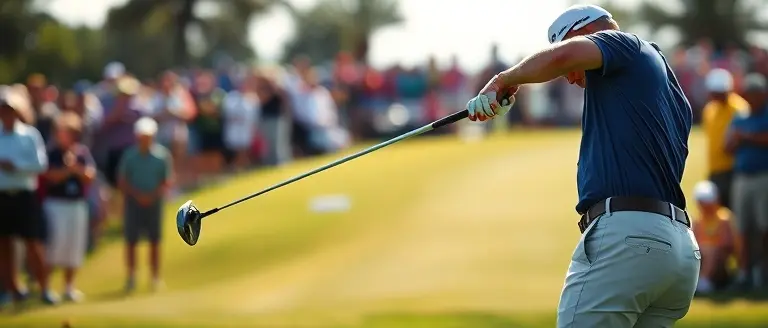
The 2026 Truist Championship at Quail Hollow served as a definitive stage for the next generation of professional golfers. While the pre-tournament narrative was dominated by the high-profile withdrawal of players like Scottie Scheffler and Collin Morikawa to prioritize preparation for the upcoming PGA Championship, the vacuum at the top of the leaderboard allowed emerging talent to command the spotlight. The final round was a masterclass in tactical discipline, proving that the $20 million Signature Event purse remains a massive motivator even when the traditional marquee names are sidelined.
Rising Talent and Tactical Mastery
The shift in the field dynamic necessitated a change in strategy on the challenging Charlotte layout. Players who historically rely on brute force were forced to navigate the course’s narrow corridors and high-penalty rough with greater precision. Key performances highlighted during the final round included:
- Alex Fitzpatrick’s Composure: Fitzpatrick demonstrated maturity beyond his years, particularly on the back nine, where he utilized a conservative off-the-tee strategy to avoid the punitive hazards that claimed other contenders. His ability to execute long-iron approach shots into the firm greens at Quail Hollow was the deciding factor in his surge.
- Kristoffer Reitan’s Putting Clinic: Reitan’s performance on the greens was arguably the most statistically significant aspect of the final day. By capitalizing on crucial birdie opportunities on the 14th and 16th holes, he showcased the kind of clutch putting that is essential for winning elite PGA Tour events.
- Strategic Adaptability: The leaderboard shifts revealed that the players who succeeded were those who treated the event not as a tune-up, but as a primary objective. Their ability to minimize double bogeys in the final five holes provided a blueprint for how to attack this major-ready venue.
Ultimately, the event underscored a changing of the guard within the PGA Tour ecosystem. While the absence of top-tier pros created a void, the tenacity displayed by the tournament’s breakout stars proved that the competitive depth of the tour is stronger than ever. The data from the final round suggests that these emerging talents are not merely placeholders but are legitimate threats to contend in upcoming Major Championships.
PGA Tour Scheduling: Are Signature Events Cannibalizing the Majors?

The 2026 Truist Championship at Quail Hollow served as a high-stakes litmus test for the PGA Tour’s current structural philosophy. When world-class golfers like Scottie Scheffler and Collin Morikawa opted for strategic withdrawals, it highlighted an emerging friction point within the professional golf calendar. By placing a $20 million Signature Event in such close proximity to the PGA Championship, the Tour effectively forces elite players into a zero-sum game: prioritize the massive purse and elevated status of a Signature event, or protect their physical and mental energy for the history-defining prestige of a Major.
The Sustainability of the Signature Label
The “Signature Event” model is designed to maximize viewership and sponsor interest, but it may be inadvertently diluting the exclusivity of top-tier competition. When the field is compromised by star withdrawals, the “Signature” label loses its luster, shifting the narrative from elite performance to scheduling logistics. To maintain the integrity of these tournaments, industry experts suggest several potential calendar shifts:
- Buffer Zones: Implementing a mandatory two-week gap between a Signature Event and any Major Championship to allow for player recovery and preparation.
- Tiered Commitment: Incentivizing participation through a season-long points structure that balances Major performance with Signature event attendance.
- Scheduling Agility: Evaluating if the current mid-May congestion is sustainable, or if moving high-purse events earlier in the season would alleviate the pre-Major “burnout” effect.
Ultimately, if the PGA Tour continues to sandwich these lucrative events against the Majors, it risks a recurring cycle where fans are denied the opportunity to see the world’s best compete on the game’s biggest stages. The absence of top-tier pros at Quail Hollow—a venue proven capable of hosting major-level drama—indicates that while the money is significant, the pull of the Majors remains the primary driver of elite scheduling. If the goal is to create a premium product, the Tour must ensure that player participation is a consistent standard rather than a calculated, tournament-by-tournament choice.
Data Breakdown: Statistical Highlights from Quail Hollow
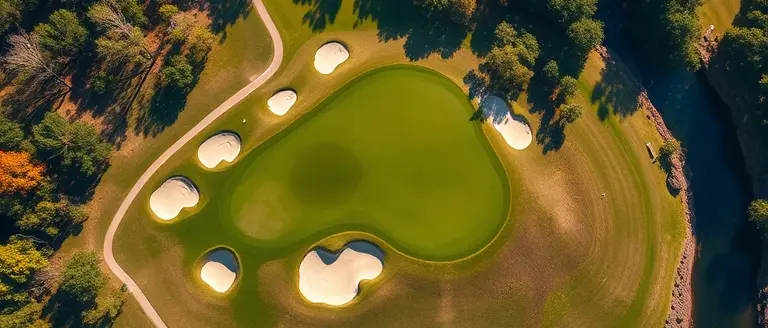
The 2026 Truist Championship served as a masterclass in elite-level course management, proving that Quail Hollow remains a premier test of golf even in the absence of names like Scottie Scheffler. A granular analysis of the final round leaderboard reveals that winning at this historic venue requires a perfect synthesis of power and precision. The field average for Strokes Gained: Tee-to-Green plummeted as players faced notoriously difficult pin placements, particularly on the famed “Green Mile.” Champions of this event consistently posted Green-in-Regulation (GIR) percentages exceeding 78%, a necessity given the firm, fast conditions that penalized any approach missing the putting surface.
Key Performance Metrics
Success at the Truist Championship was ultimately dictated by three primary statistical pillars:
- Strokes Gained: Approach: The winning strategy relied on neutralizing the course’s narrow corridors. Leaders gained an average of +2.4 strokes on the field specifically through approach play, neutralizing the risk posed by the course’s signature hazards.
- Putting Efficiency: With speeds reaching 13 on the stimpmeter, putting inside 10 feet became the primary differentiator. Those who capitalized on birdie opportunities were those who limited three-putts to under 1.5% of their round total.
- Proximity to Hole: Data from the final round shows that winners targeted the centers of greens, prioritizing safety over aggressive hunting of pins on the challenging par-3s.
The technical difficulty of the course is reflected in the cumulative scoring averages. While the PGA Championship history at this venue established a baseline for high-stakes competition, the 2026 event forced players to lean heavily on statistical discipline. For emerging talents, the tournament served as an audition, demonstrating that high-level data modeling and disciplined course navigation can overcome the volatility of a $20 million Signature Event. Ultimately, the statistics confirm that Quail Hollow demands a complete game, rewarding those who prioritize statistical consistency over raw distance.
Mastering the Blueprint of Your Own Success
The 2026 Truist Championship served as a poignant reminder that even at the highest levels of professional sports, success is not accidental—it is engineered. Just as the historic Quail Hollow layout was meticulously redesigned to demand absolute precision from the world’s best, true mastery in any endeavor relies on having the right blueprint for success. When you analyze the performance of the breakout stars this week, you realize that their ability to contend under immense pressure was a direct result of their technical preparation and commitment to excellence.
You can bring that same level of professional-grade precision to your own workshop with Ted’s Woodworking. Much like golf architecture requires exact specifications to challenge the world’s best, your personal projects deserve the same structural integrity and attention to detail. Ted’s Woodworking acts as the ‘course architect’ for your hobby, eliminating trial-and-error frustration by providing professional-grade, foolproof technical plans that ensure you build with total confidence.
Whether you are a novice looking to learn the craft or a seasoned builder aiming for pro-level results, having a detailed, proven guide is the ultimate competitive advantage. Stop guessing and start creating with the precision of a master. Elevate your project outcomes today by accessing the same level of detailed planning that defines the world’s most impressive achievements.
 Elevate your own precision game and build with professional confidence; discover the blueprints used by masters of the craft here.Yes, I Want to Build Like a Pro!