
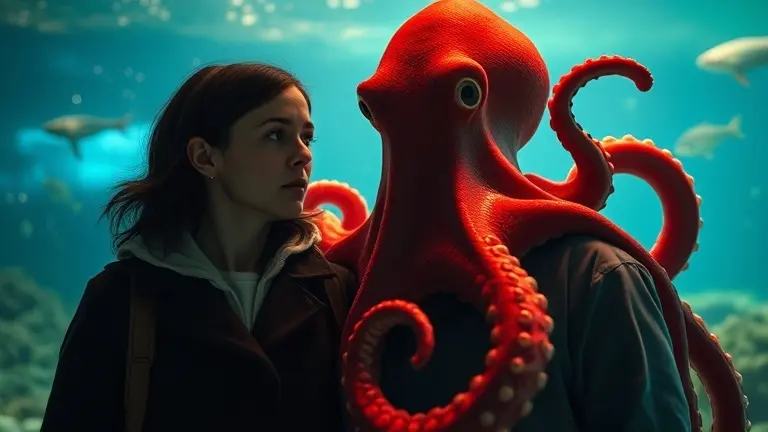
Since its Netflix release on May 8, 2026, Remarkably Bright Creatures has become more than just another adaptation; it is a cultural phenomenon. Audiences everywhere are calling this live-action reimagining of Shelby Van Pelt’s bestseller a ‘big warm hug’—a cinematic experience that manages to be both profoundly comforting and quietly devastating. With Sally Field delivering a masterclass in understated grief as Tova, and Lewis Pullman perfectly capturing the aimlessness of a life unanchored, the film taps into a raw, collective nerve regarding loneliness and the desperate, universal human need to be understood.
But what is it about this story that has viewers reaching for the tissues? Beyond the incredible voice work of Alfred Molina as the grumpy, genius octopus Marcellus, the film excels at exploring the ‘psychic wounds’ we all carry. Whether you are curious about where was Remarkably Bright Creatures filmed to capture those melancholic coastal vibes, or you are simply trying to process the emotional weight of its message, one thing is clear: this movie is hitting home because it reflects our own hidden longings for deep, authentic connection in a modern world that often feels cold and isolating.
Remarkably Bright Creatures: From Bestselling Novel to Netflix Phenomenon
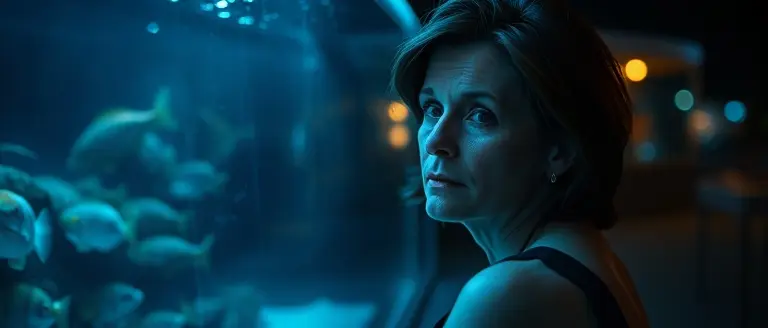
Since its release on Netflix on May 8, 2026, the remarkably bright creatures movie has emerged as a cultural touchstone, transforming Shelby Van Pelt’s beloved 2022 bestselling novel into a poignant cinematic experience. Directed by Olivia Newman, the adaptation strikes a delicate balance between whimsical storytelling and profound emotional exploration. At the center of the narrative is the legendary Sally Field, who delivers a masterclass in subtlety as Tova Sullivan, a woman finding solace in her nocturnal work at a local aquarium while grappling with long-standing grief. Opposite Field, Lewis Pullman shines as Cameron, a man whose arrival in town forces a confrontation with a mysterious past, creating a central dynamic that grounds the film’s more fantastical elements.
The film’s breakout star, however, is arguably the tentacled philosopher, Marcellus. Brought to life through sophisticated CGI and voiced with gravitas by Alfred Molina, the giant Pacific octopus provides the story with its moral compass and dry wit. The interplay between the human cast and the digital Marcellus has resonated deeply with audiences, leading to a viral social media phenomenon.
Why has this film become an instant “tear-jerker”? Industry analysts and early viewers point to several core reasons:
- The “Comfort Watch” Factor: In an era of high-intensity cinema, the film offers a meditative, heart-first aesthetic that functions as a “big warm hug” for viewers.
- Emotional Resonance: Critics from outlets like The Guardian and Roger Ebert note that the film’s focus on loneliness and the healing power of connection creates a relatable, cathartic experience.
- Character Depth: The performances, particularly from Field, elevate the source material, turning a quiet drama into a story that “quietly wrecks” audiences by addressing universal experiences of loss and discovery.
While some reviews characterize the tone as a “Hallmark-style” melodrama, the overwhelming consensus positions the film as a must-watch for those seeking a deeply human, soul-stirring narrative.
Coastal Charm: Exploring the Filming Locations of Remarkably Bright Creatures

The visual landscape of the Remarkably Bright Creatures movie plays a pivotal role in grounding the narrative’s ethereal, emotional core. To capture the specific Pacific Northwest aesthetic described in Shelby Van Pelt’s novel, the production team prioritized authentic, moody coastal environments that mirror Tova’s internal state. Filming primarily took place in picturesque regions along the Oregon and Washington coasts, chosen for their rugged cliffs, misty mornings, and small-town seclusion. These real-world settings successfully translate the quiet, atmospheric loneliness of the fictional town of Sowell Bay onto the screen, providing a tactile backdrop for Sally Field as she navigates her grief within the aquarium walls.
Capturing the Atmospheric “Sowell Bay”
The production utilized a blend of location shooting and studio sets to replicate the fictional aquarium where Alfred Molina—as the voice of Marcellus—delivers his introspective observations. By selecting actual coastal towns that maintain a vintage, maritime heritage, the director, Olivia Newman, anchored the film in a reality that feels both timeless and grounded. Key aesthetic elements that define the filming locations include:
- Weathered Coastal Architecture: Many of the exterior shots feature century-old wooden storefronts and weathered docks that emphasize the passage of time.
- The Misty Pacific Palette: Cinematographers leaned into the natural overcast lighting of the Pacific Northwest, using cool, muted tones to heighten the film’s “comfort watch” quality.
- Localized Nautical Landmarks: Small fishing piers and tide-pooling areas were sourced to create a tangible connection to the marine life that drives the plot alongside Lewis Pullman’s mysterious character arc.
By favoring these authentic geographic features over heavily processed landscapes, the film achieves a grounded realism that complements its fantastical elements. This deliberate choice of setting reinforces the themes of isolation and connection, ensuring that every frame feels like a lived-in, honest corner of the world.
Book vs. Screen: How the Adaptation Holds Up

The transition of Shelby Van Pelt’s 2022 bestselling novel into a Remarkably Bright Creatures movie presented a unique narrative challenge: balancing the internal, often solitary monologue of an octopus with the grounded, human-centric arc of Tova Sullivan. Directed by Olivia Newman, the adaptation largely succeeds by emphasizing the atmosphere of the Pacific Northwest, though it makes strategic pivots from the page to the screen to accommodate the medium of film. While readers of the book will recognize the core emotional beats, the screenplay streamlines the backstory of Lewis Pullman’s character, shifting the pacing to favor a more visual exploration of grief rather than the literary introspection found in the source material.
Sally Field as Tova: Capturing the Nuance
A primary concern for fans was whether the film could replicate the quiet, dignified resilience of Tova. Sally Field delivers a performance that aligns with reader expectations, anchoring the film with a stillness that highlights the character’s profound loneliness. Unlike the book, which allows the reader to live inside Tova’s head for long durations, the film uses close-up cinematography to mirror that intimacy. Key adjustments include:
- Pacing: The narrative timeline is condensed, focusing heavily on the friendship between Tova and the aquarium’s cephalopod, Marcellus, voiced by Alfred Molina.
- Dialogue vs. Action: In the book, Marcellus provides witty, observational insights through internal narration; in the film, the CGI integration allows for a more subtle, expressive approach that relies on his interactions with the physical environment.
- Ending Resolution: While the film maintains the book’s “heart-first” conclusion, it opts for a slightly more cinematic, emotive climax to satisfy the “tear-jerker” expectations set by modern audiences.
Ultimately, the adaptation acts as a companion piece to the novel. By prioritizing the emotional resonance of the central mystery over dense exposition, the Remarkably Bright Creatures film offers a distinct experience that honors the original text while embracing the unique strengths of visual storytelling.
The Magic Behind Marcellus: VFX and the Voice of Alfred Molina
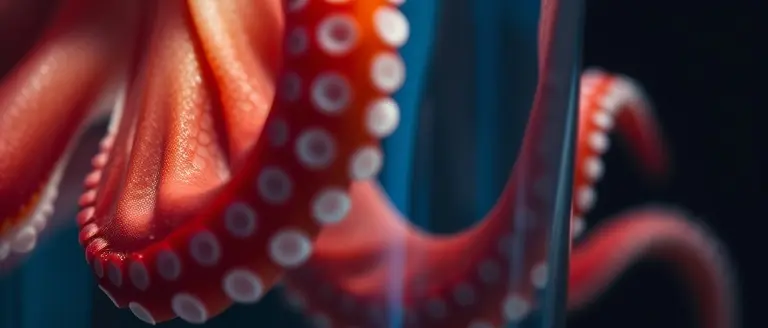
Bringing the giant Pacific octopus, Marcellus, to life in the Remarkably Bright Creatures movie was a technical feat that served as the emotional heartbeat of the film. Directed by Olivia Newman, the production team utilized a sophisticated blend of cutting-edge CGI and physical animatronics to ensure the creature felt like a tangible presence within Tova’s world. Unlike typical creature features that rely solely on digital overlays, the production prioritized “weight and texture,” using high-resolution subsurface scattering to mimic the bioluminescence and shifting skin patterns of a real octopus. This careful attention to detail allowed the audience to connect with Marcellus as a sentient character rather than a mere visual spectacle.
The Vocal Performance That Defined a Character
The visual achievement would have lacked resonance without the nuanced vocal performance of Alfred Molina. As the voice of Marcellus, Molina captures the curmudgeonly, observant, and deeply empathetic nature of the octopus. His delivery transforms the CGI character into a relatable protagonist who bridges the gap between the aquarium’s aquatic life and the human struggles of Tova. Key technical aspects of the character’s development included:
- Vocal Texture: Molina employed a measured, gravelly tone to reflect the wisdom and “old soul” status of the octopus, which has lived in the aquarium for years.
- Synchronized Motion Capture: The animation team mapped Marcellus’s eye movements and ink-jet gestures to the cadence of Molina’s speech, creating a seamless connection between the audio and visual components.
- The Emotional Anchor: By grounding the character in a believable physical existence, the VFX team ensured that when Marcellus interacts with his environment—and eventually with Tova—the emotional payoff feels earned.
This successful marriage of technology and performance is a significant reason why the film has resonated so deeply with viewers, turning a “slight” premise into an unforgettable cinematic experience. By avoiding the uncanny valley, the production team ensured that Marcellus stands as one of the most compelling digital creatures in recent memory.
The ‘Why’ Behind the Crying: Why Audiences Are Obsessed with This Tear-Jerker
Since the Remarkably Bright Creatures movie arrived on Netflix, it has transcended the typical boundaries of a standard drama, evolving into a cultural phenomenon frequently described by viewers as a “big warm hug.” The emotional resonance of the film—led by a powerhouse performance from Sally Field as the grieving Tova—taps into the universal experience of isolation. By centering the narrative on the quiet, nocturnal world of an aquarium, the film provides a meditative space to explore the weight of unspoken grief. The interplay between Tova and the cynical, sharp-witted octopus Marcellus, voiced by Alfred Molina, serves as an unconventional vessel for human healing, proving that even the most detached characters can find profound connection through shared vulnerability.
Understanding the Emotional Hook
The film’s success as a “tear-jerker” is no accident; it strategically navigates the intersection of loneliness and hope. Critics and audiences alike have pointed to several key elements that contribute to its viral “comfort watch” status:
- The Power of Interspecies Empathy: The bond between Tova and Marcellus challenges traditional storytelling tropes, reminding audiences that companionship often arrives in unexpected forms.
- Reflecting Modern Loneliness: Much like the bestselling novel by Shelby Van Pelt, the adaptation captures the specific, aching stillness of post-loss existence, which many viewers find deeply relatable in today’s high-paced digital landscape.
- The “Lewis Pullman Effect”: Alongside Sally Field, Lewis Pullman brings a necessary layer of grounded mystery that keeps the narrative tension high, ensuring the film remains emotionally gripping rather than purely sentimental.
Ultimately, the movie succeeds because it treats its audience’s emotional intelligence with respect. By refusing to offer easy answers for life’s “psychic wounds,” the film allows viewers to sit with their own emotions. Whether it is the soft, immersive cinematography or the understated voice work of Alfred Molina, every technical choice is designed to prioritize heart-first storytelling, solidifying its place as a cornerstone of 2026’s emotional cinema.
Moving Beyond the Screen: How to Cultivate Real-World Connection
The overwhelming success of Remarkably Bright Creatures proves that we are all, at our core, searching for the same thing: a bond that sees us, hears us, and stays with us through the seasons of our lives. Tova and Marcellus remind us that vulnerability—the terrifying act of letting someone else into our internal world—is not a sign of weakness, but the only true path to healing. The tears shed by audiences globally are a testament to how deeply we crave this kind of soul-level resonance in our own lives, yet so many of us feel stuck, unable to bridge the gap between our current reality and the meaningful intimacy we desire.
You don’t have to wait for a cinematic epiphany to start building the relationships you deserve. If the film’s exploration of emotional depth has left you reflecting on your own romantic life, you can stop being a spectator of love and start being the architect of your own happiness. Just as the characters in the film learn that authentic communication is the key to overcoming isolation, you can master the psychological shifts necessary to foster that same depth in your relationship.
If you’re inspired by the deep emotional bonds in the film and want to learn how to foster that same level of passion and commitment in your life, discover the ‘Hero Instinct’ technique here.
 If you’re inspired by the deep emotional bonds in the film and want to learn how to foster that same level of passion and commitment in your life, discover the ‘Hero Instinct’ technique here.Transform My Love Life Today