
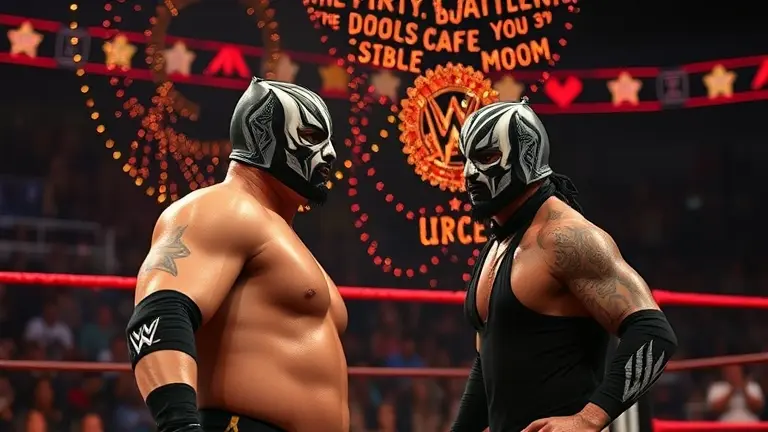
When the lights dimmed at WWE Backlash 2026 in Tampa, the air was thick with speculation. For weeks, the wrestling world had been ablaze with theories regarding Danhausen’s ‘mystery partner’ for his showdown against The Miz and Kit Wilson. Fans scoured social media, betting odds shifted, and high-profile names were floated as the potential savior for the ‘very nice, very evil’ superstar. However, when the fog cleared, the reveal was not a legendary veteran or an emerging star, but the absurdly hilarious ‘Minihausen’—a chaotic, cloned sidekick birthed from a storyline machine that left the audience equal parts bewildered and entertained.
This masterclass in comedic wrestling booking stands in stark contrast to the traditional, high-stakes narratives fans are accustomed to. By opting for a surreal, laughter-driven payoff, the WWE successfully subverted the ‘mystery partner’ trope, turning a moment of extreme anticipation into a unique piece of performance art. As we dissect the legacy of this match, it becomes clear that staying ahead of modern booking requires more than just passion; it demands a sharp, agile mind capable of processing the rapid-fire absurdity that defines the current era of sports entertainment.
The Mystery Solved: Minihausen Debuts at Backlash 2026
The atmosphere at WWE Backlash 2026 in Tampa was electric, fueled largely by the intense speculation regarding the Danhausen mystery partner. Following weeks of teases and social media buzz, fans arrived with high expectations, many anticipating a major celebrity cameo or a returning wrestling legend to assist the “very nice, very evil” star in his high-stakes tag team clash against The Miz and Kit Wilson. However, the promotion opted for a creative, albeit polarizing, path that leaned heavily into the supernatural absurdity that defines Danhausen’s persona.
The Cloning Machine Revelation
As the match reached its frantic climax, the tension broke with the reveal of a specialized, storyline-driven cloning machine stationed at ringside. To the shock of the crowd and the utter bewilderment of the commentators, out stepped Minihausen—a pint-sized, mirror-image clone of the eccentric wrestler. This surreal turn of events immediately shifted the tone of the contest, highlighting the divide between traditional technical wrestling and the comedic, character-first booking WWE utilized for this specific feud.
A Humorous Victory
The ensuing sequence solidified the match as one of the most memorable moments of the 2026 calendar year, characterized by:
- Comedic Interference: Minihausen utilized his smaller stature to distract The Miz during critical moments of the match.
- Absurd Tactics: The duo employed synchronized, quirky maneuvers that left their opponents stumbling.
- The Finish: The match concluded with a chaotic pinfall, securing a victory for the Danhausen-Minihausen tandem.
While Wade Barrett noted on commentary that the display felt like a “mockery of The Miz’s Hall of Fame-worthy career,” the finish proved effective in terms of sheer entertainment value. By eschewing a traditional high-profile partner in favor of the Minihausen gimmick, WWE leaned into the unique charisma of Danhausen, ensuring that this Backlash showdown remains a central point of debate for fans analyzing the evolution of mainstream wrestling tropes.
A Case Study in Comedic Wrestling Booking
The Danhausen mystery partner reveal at WWE Backlash 2026 serves as a definitive case study in the risks and rewards of comedic booking on a mainstream stage. For weeks, the Danhausen mystery partner narrative dominated social media, with fans eagerly speculating about high-profile celebrity cameos or returning legends to level the playing field against The Miz and Kit Wilson. By instead delivering “Minihausen”—a storyline-created clone—WWE deliberately subverted these traditional wrestling tropes, choosing the “very nice, very evil” brand of absurdity over a standard power-wrestler payoff.
From an analytical standpoint, this decision highlights a clear divide in the modern wrestling landscape regarding character work versus in-ring traditionalism. While some purists argued that such a reveal diminished the stakes for a veteran like The Miz, others viewed the segment as a masterclass in protecting Danhausen’s unique gimmick. By leaning into the surreal, WWE successfully:
- Maintained Character Integrity: The use of a “clone” fits perfectly within the existing lore of Danhausen, ensuring that his introduction to the WWE Universe remained authentic to his established personality.
- Subverted Expectation: By bypassing a high-profile guest star, the company avoided the “short-term pop” trap, opting for a long-term comedic narrative that keeps fans talking.
- Enhanced Entertainment Value: The absurdity of the match provided a stark, refreshing contrast to the technical intensity typically seen at premium live events.
Ultimately, the match demonstrated that comedic wrestling, when executed with commitment, can thrive alongside serious athletic storylines. While the fan reaction on platforms like Reddit and X (formerly Twitter) remained polarized, the engagement metrics prove that the “Minihausen” payoff succeeded in its primary goal: generating conversation through an unconventional, memorable spectacle.
Danhausen: Translating Absurdity to the WWE Mainstream
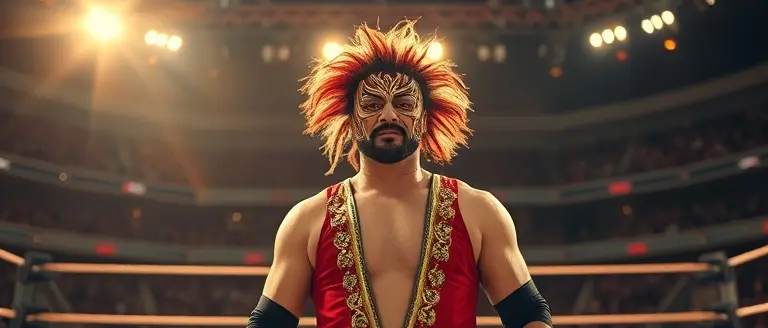
The arrival of Danhausen on the WWE stage at Backlash 2026 served as a fascinating case study in how niche, character-driven independent wrestling translates to a global, mainstream audience. For years, the “very nice, very evil” persona thrived in smaller promotions, relying on absurdist humor and internet-native charm. Moving that act to a WWE ring—an environment often defined by high-octane realism and traditional storytelling—presented a significant risk. However, the decision to lean fully into the absurdity rather than diluting his character proved that the WWE platform can occasionally accommodate unconventional comedy, provided the commitment to the bit is absolute.
Balancing Expectations and The Mystery Partner Trope
The buildup to Backlash relied heavily on the Danhausen mystery partner hook, a classic wrestling trope designed to spike engagement. By keeping the identity of his teammate under wraps, WWE successfully tapped into speculative fervor, with fans naming high-profile celebrities and returning legends. When the reveal turned out to be “Minihausen”—a byproduct of a whimsical cloning machine storyline—the reaction from the WWE Universe was polarized. While some purists were frustrated by the lack of a “serious” payoff, the narrative functioned as an intentional subversion of expectations.
Key factors that contributed to the segment’s unique reception include:
- The Contrast Factor: Pairing an off-the-wall character like Danhausen against a seasoned, straight-laced veteran like The Miz created an immediate, comedic friction that would be difficult to replicate with a standard partner.
- Mainstream Accessibility: The “clone” concept provided a visual shorthand for casual viewers, allowing them to instantly grasp the surreal tone of the match without needing deep knowledge of Danhausen’s indie history.
- Commentary Integration: Wade Barrett’s vocal disdain for the absurdity highlighted the “clash of styles,” framing the match as a nuisance for the established roster rather than just a standalone gag.
Ultimately, the match demonstrated that when the WWE embraces the eccentric, it creates a “petri dish” environment where character-work takes precedence over technical wrestling. By anchoring this performance in the high-stakes atmosphere of Backlash, the company successfully bridged the gap between internet-based wrestling memes and stadium-level entertainment.
The Future of Comedy in Modern Wrestling
The successful integration of Danhausen at WWE Backlash 2026 serves as a fascinating case study for the evolving role of comedy in mainstream professional wrestling. By opting for the “Minihausen” reveal rather than a conventional high-profile celebrity appearance, WWE creative demonstrated a calculated willingness to lean into the absurdist, “very nice, very evil” persona that fans have long embraced online. This shift suggests that modern programming is increasingly comfortable balancing traditional athletic presentation with self-aware, meme-friendly content designed to engage a digitally native audience. The reaction to the Danhausen mystery partner payoff—which pitted the duo against The Miz and Kit Wilson—highlights a pivot toward high-concept storytelling that values character authenticity over rigid, standard wrestling tropes.
The implications for WWE’s future creative direction are significant. Embracing cartoonish elements allows the promotion to capture a younger, internet-savvy demographic that favors viral moments over long-form, serious technical bouts. Several factors indicate why this “absurdist” approach is gaining traction:
- Platform Integration: Content that thrives on social media platforms like X (formerly Twitter) and TikTok often prioritizes humor and visual spectacle, traits that Danhausen excels at delivering.
- Character Versatility: Comedic wrestling provides a “buffer” during high-stakes events, allowing for a tonal palate cleanser between intense championship matches.
- Fan Engagement: By subverting the expectations surrounding a “serious” mystery partner, WWE successfully utilized fan speculation as a marketing tool, proving that even a humorous reveal can drive significant event viewership.
While traditionalists may argue that such segments undermine the legitimacy of seasoned veterans like The Miz, the overarching evidence suggests that this “variety show” approach strengthens the overall product. By providing a diverse range of entertainment, WWE is effectively insulating its programming against viewer fatigue, ensuring that the wrestling landscape remains dynamic and unpredictable.
Decoding the Absurdity of Modern Wrestling
The Minihausen reveal at Backlash proved that in the landscape of professional wrestling, the most effective tool in a promoter’s belt is often the ability to laugh at the audience’s own intensity. While some purists may have hoped for a ‘major’ return, the decision to lean into the surreal, comedic character of Danhausen highlighted a refreshing pivot toward character-driven entertainment that prioritizes fan connection over predictable tropes. To keep pace with such multi-layered storytelling, where every segment acts as a piece of a larger, evolving puzzle, you need to maintain supreme cognitive focus.
Keeping up with the unpredictable twists in WWE booking, like the Minihausen reveal, requires a sharp mind—which is exactly where a little cognitive optimization comes into play. Much like how discerning fans must quickly pivot their expectations to enjoy the nuance of a ‘very nice, very evil’ storyline, your brain needs the right support to maintain the analytical edge required for high-level wrestling commentary and beyond. This is where The Brain Song becomes an essential tool for the modern superfan.
By integrating this mental conditioning tool into your routine, you can eliminate the mental fog that often plagues viewers during chaotic live events, allowing you to process lightning-fast developments with total clarity. It is the perfect innovation for those who value performance and insight, ensuring you never miss the subtle storytelling cues hidden behind the chaos. Elevate your engagement and transform how you watch the game today.
 Upgrade your cognitive game to catch every nuance of the next big wrestling mystery; discover how The Brain Song can sharpen your analytical edge today.Yes, I Want This Now!