
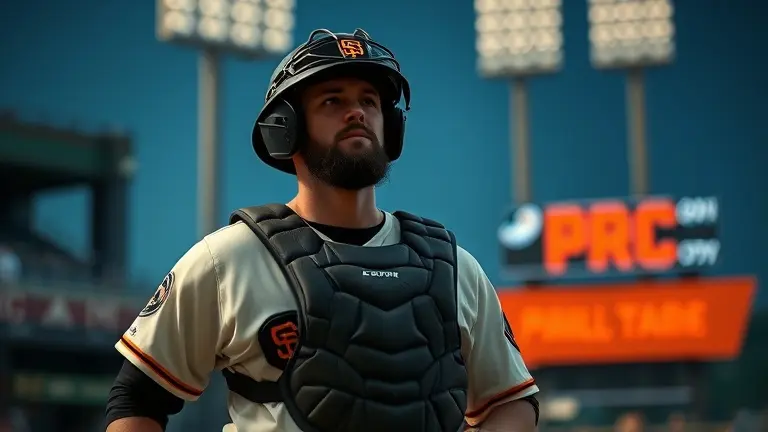
The landscape of Major League Baseball shifted dramatically on May 9, 2026, as the San Francisco Giants and Cleveland Guardians executed a high-stakes trade that sent two-time Gold Glove-winning catcher Patrick Bailey to Cleveland. In a move that has sent shockwaves through both fan bases, the Giants secured the 29th overall pick in the 2026 amateur draft and landed a high-upside minor league left-handed pitching prospect, Matt “Tugboat” Wilkinson. This blockbuster deal immediately sparked heated debates regarding the value of elite defensive metrics versus the necessity of offensive production, especially as the Guardians simultaneously optioned Bo Naylor to Triple-A Columbus.
While the front-office math captures the headlines, the human element of this trade—particularly the emergence of Wilkinson and the sudden uncertainty surrounding Naylor—demands a closer look. For the die-hard fan, deciphering the long-term implications of this transaction requires wading through dense scouting reports and complex roster maneuvering. As the dust settles on this mid-season shakeup, it is critical to look beyond the trade grades and understand what the arrival of ‘Tugboat’ Wilkinson truly signals for the future of both franchises.
Blockbuster Trade: Patrick Bailey Heads to Cleveland in Giants-Guardians Swap

In a seismic shift for the 2026 MLB landscape, the San Francisco Giants and Cleveland Guardians finalized a major trade on May 9, 2026, sending two-time Gold Glove-winning catcher Patrick Bailey to Cleveland. This high-profile move signals a fundamental change in strategy for both organizations as they navigate the mid-season stretch. The Guardians, desperate to stabilize their defensive core and address persistent offensive struggles behind the plate, prioritized the elite glove work of Bailey. In exchange, the Giants acquired a significant package centered around left-handed pitching prospect Matt Wilkinson—widely known to fans and scouts alike as “Tugboat”—along with the 29th overall pick in the 2026 amateur draft.
The immediate fallout of this transaction has hit close to home in Cleveland, where the organization officially optioned former starter Bo Naylor to Triple-A Columbus. The Bo Naylor demotion analysis suggests that the Guardians front office felt the need for a veteran presence to anchor their pitching staff, leaving the younger Naylor to regain his consistency in the minor leagues. For the Giants, the acquisition of Matt Wilkinson baseball assets—specifically a prospect with his unique profile—underscores a shift toward a long-term rebuild and asset accumulation rather than immediate title contention.
Trade Breakdown and Key Considerations
- The Guardians’ Motivation: By moving for Patrick Bailey, Cleveland is clearly betting on defensive stability and pitch framing to keep their postseason aspirations alive despite a stagnant offensive start.
- The Giants’ Rebuild: Acquiring the 29th overall pick and Matt Tugboat Wilkinson provides San Francisco with high-ceiling organizational depth, moving away from high-salary arbitration pieces.
- The “Tugboat” Factor: Scouts have long praised Matt Wilkinson for his deceptive delivery and command, making him a cornerstone of the Giants’ new developmental strategy.
This move marks a polarizing moment for fans, as the Guardians sacrifice a homegrown talent in Naylor for the proven, elite defensive prowess of Bailey, while the Giants solidify their future draft capital.
Matt Wilkinson Scouting Report: Who Is ‘Tugboat’?
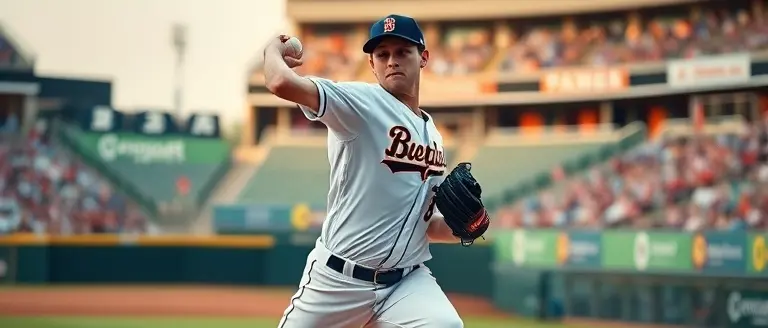
The acquisition of Matt Wilkinson—affectionately known by his nickname “Tugboat“—represents a calculated gamble by the San Francisco Giants as they pivot toward a long-term rebuild. While casual fans may be surprised by the Giants parting with a Gold Glove catcher like Patrick Bailey, the inclusion of Matt Wilkinson baseball scouts suggest, provides the organization with a high-ceiling left-handed arm capable of anchoring a rotation. Wilkinson earned the moniker “Tugboat” early in his minor league tenure due to his sturdy, powerful frame and his relentless, steady approach to every inning he works on the mound. He is not a pitcher who relies solely on velocity; instead, he commands his repertoire with a deceptive delivery that makes him incredibly difficult for hitters to time effectively.
Scouting the ‘Tugboat’ Arsenal
The Matt Wilkinson scouting report highlights a pitcher whose value is rooted in his advanced pitchability and ability to manipulate spin rates. As a left-hander, his profile is highly coveted by the Giants, who have sought to improve their organizational pitching depth. Key attributes include:
- Deceptive Mechanics: His high-effort delivery hides the ball well, creating a “funk” that keeps hitters off balance.
- Command Profile: Unlike many prospect-level pitchers, Matt tugboat wilkinson demonstrates a plus-command profile, rarely issuing walks and consistently attacking the strike zone.
- Secondary Development: His changeup has become a legitimate out-pitch, mirroring his fastball tunnel to induce weak contact and ground balls.
The Giants clearly identified that while Bo Naylor and Patrick Bailey trade dynamics dominated headlines, the true long-term value in this deal rests on whether Wilkinson can translate his minor league success to the major league level. By prioritizing a pitcher of his profile, the front office is signaling that they are prioritizing controllable, high-upside pitching assets to complement their younger core. For fans wondering why the team moved on from elite catching defense, the answer lies in the belief that the “Tugboat” can eventually become a foundational piece of the Giants’ pitching staff for years to come.
Winners and Losers: The Bo Naylor Demotion Controversy
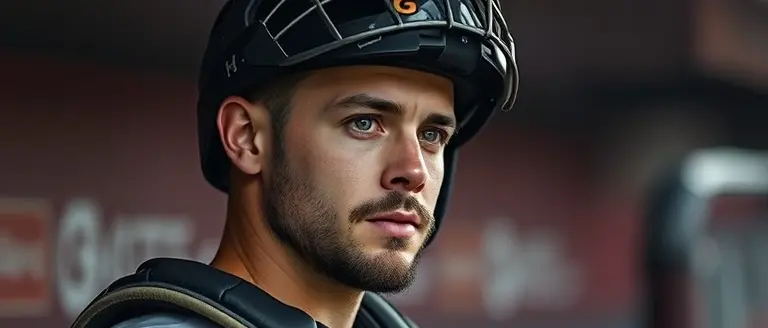
The decision to option Bo Naylor to Triple-A Columbus serves as the most polarizing element of the blockbuster Patrick Bailey trade. By demoting their homegrown catcher to make room for Bailey, the Cleveland Guardians have effectively signaled that their patience for “developmental growing pains” has evaporated in the heat of a 2026 postseason push. While Bailey brings elite, Gold Glove-caliber defense to a pitching-centric staff, the move places significant pressure on the front office to justify the sudden exit of Naylor, who had been viewed as a cornerstone of the franchise’s long-term identity.
Tactical Implications for the 2026 Playoff Race
The Guardians’ rationale appears rooted in the prioritization of defensive stability over the inconsistent offensive production Naylor provided throughout the early season. For the organization, the “winner” of this transaction is the pitching rotation, which now benefits from Bailey’s framing mastery and game-calling expertise. However, the move creates immediate risks:
- Career Trajectory: For Naylor, the demotion represents a critical juncture; he must now rediscover his swing in Columbus without the pressure of a big-league microscope.
- Offensive Void: While Bailey is a defensive upgrade, his offensive ceiling remains a point of debate compared to Naylor’s raw potential, meaning Cleveland is betting entirely on their pitchers’ improved performance to offset any lost production at the plate.
- The “Tugboat” Factor: By trading for Matt Wilkinson—the prospect affectionately known as Matt ‘Tugboat’ Wilkinson—the San Francisco Giants have clearly pivoted toward a rebuild, prioritizing high-upside pitching depth over the immediate defensive security Bailey provided.
Ultimately, the Guardians’ move is a high-stakes gamble. If Bailey’s arrival stabilizes the staff and leads to a deep October run, the front office will be lauded for their boldness. If the team continues to struggle offensively, the Bo Naylor demotion analysis will undoubtedly become a focal point of fan frustration, highlighting the friction between analytical roster construction and the emotional attachment to rising young talent.
Patrick Bailey Trade Grade: Assessing the 2026 Strategic Shift
The Patrick Bailey trade grade reflects a high-stakes gamble for both the San Francisco Giants and the Cleveland Guardians. For Cleveland, acquiring a two-time Gold Glove winner addresses a glaring defensive deficiency that has hampered their pitching staff all season. By trading for Bailey, the Guardians are clearly prioritizing elite framing and game management over the offensive inconsistencies they endured with Bo Naylor. While Naylor’s demotion to Triple-A Columbus serves as a harsh reality check for the young catcher, the front office is signaling a “win-now” mentality, betting that Bailey’s defensive stability provides more aggregate value than Naylor’s potential offensive upside.
For the San Francisco Giants, the return package—headlined by left-handed pitching prospect Matt Wilkinson—underscores a shift toward a long-term rebuild. Matt “Tugboat” Wilkinson has quickly become a fan-favorite prospect due to his unique delivery and high-efficiency stuff, and the inclusion of the 29th overall pick in the 2026 amateur draft provides the Giants with vital draft capital to restock their farm system.
Key Strategic Impacts of the Trade
- Guardians’ Defensive Upgrade: The move provides an immediate boost to the club’s defensive metrics, specifically in pitch framing, which is crucial for a team contending in a tight division race.
- Giants’ Future-Proofing: By securing a high-ceiling prospect like Matt Wilkinson baseball fans are seeing a clear commitment to replenishing the pitching pipeline.
- Risk/Reward Assessment: The Guardians take on the risk of Bailey’s bat continuing to struggle, while the Giants take the risk of trading away a proven defensive anchor.
Ultimately, the trade is a classic clash between immediate tactical need and long-term asset accumulation. While the Bo Naylor demotion analysis will dominate headlines in the short term, the success of this deal hinges on whether Matt tugboat wilkinson can translate his minor league dominance into sustained success at the Major League level. For now, the Guardians earn a B+ for immediate impact, while the Giants secure a solid B for organizational flexibility.
Stay Sharp Through the Trade Deadline Noise
The blockbuster swap between the Giants and the Guardians serves as a stark reminder that in professional baseball, no roster is ever truly set in stone. As you navigate the complex web of scouting reports on Matt ‘Tugboat’ Wilkinson and analyze the tactical implications of moving a talent like Patrick Bailey, the sheer volume of data can be overwhelming. Keeping track of minor league metrics, draft compensation, and major league roster shakeups demands elite-level mental processing.
Tracking these complex trade grades and deep-diving into scouting reports requires significant mental bandwidth; just as players need to stay sharp, the modern baseball fan needs peak cognitive clarity to stay ahead of the game. If you find yourself battling mental fog while attempting to decode the long-term impact of the Bo Naylor demotion or the Giants’ rebuild strategy, you aren’t alone. It is time to treat your analytical capacity with the same dedication a scout shows in talent evaluation.
We recommend integrating a cognitive optimization routine to maintain your competitive edge as a sports enthusiast. This approach bridges the gap between high-stress information consumption and cognitive performance, ensuring you never miss a nuance in the next breaking trade report. Embrace the clarity needed to become the smartest fan in the room.
 Unlock your peak analytical potential—try The Brain Song’s 12-minute daily routine to keep your focus as sharp as a scouts eye for talent.Upgrade My Cognitive Edge Now!