
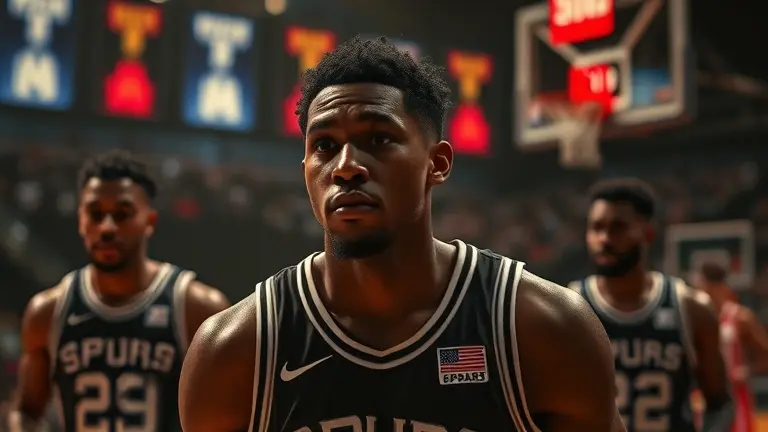
The 2026 NBA Playoffs have shattered the status quo, transforming the hardwood into a laboratory of tactical evolution. While fans are captivated by the historic defensive dominance of Victor Wembanyama, the true story lies in the fundamental restructuring of how offensive schemes must operate against such an unprecedented, multidimensional force. We are witnessing a definitive generational shift, where traditional basketball metrics are failing to capture the complexity of the modern game, and only those who can decode these nuanced adjustments will truly understand the trajectory of the Larry O’Brien Trophy.
As we pivot from the intensity of the Conference Semifinals to the high-stakes theater of the 2026 NBA Draft Lottery, the margin between a franchise-altering selection and a missed opportunity is razor-thin. This is no longer just about scouting high school or college highlights; it is about predictive modeling and long-term roster construction in an era that demands absolute analytical precision. For the dedicated enthusiast, keeping pace with this metamorphosis requires more than passion—it requires a profound level of cognitive clarity to process the sheer volume of data shaping the future of the league.
The 2026 NBA Playoff Landscape: A Mid-May Status Report
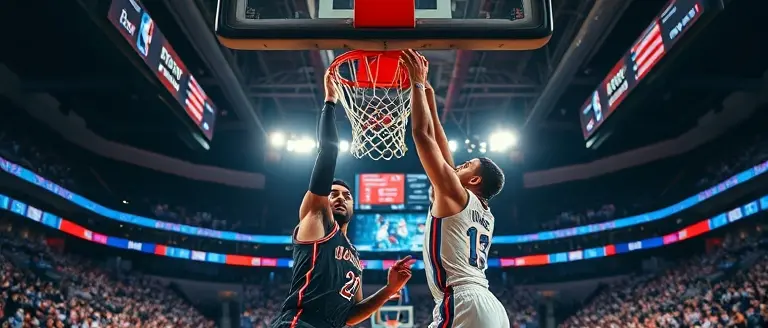
As we navigate the middle of May 2026, the NBA basketball landscape has reached a fever pitch. The Conference Semifinals have transitioned from early-round posturing to high-stakes tactical warfare, where every possession carries the weight of a championship aspiration. This year’s postseason is defined by a palpable shift in hierarchy, as the emergence of generational talents has effectively dismantled traditional playoff roadmaps. Teams are currently locked in grueling series that emphasize defensive versatility and late-game execution, setting the stage for what many analysts describe as one of the most unpredictable title races in league history.
A New Era of Playoff Dominance
The intensity of the 2026 playoffs is largely anchored by the historic performance of Victor Wembanyama. His influence on the San Antonio Spurs, who currently hold a 2-1 series lead over the Minnesota Timberwolves, extends far beyond typical box score metrics. By setting an all-time record for blocks in a playoff game—recording 12 in a single outing—Wembanyama has forced opposing coaches to abandon conventional offensive sets. This defensive dominance is a focal point of the current series, illustrating how a single player can rewrite the strategic requirements for winning deep in the postseason.
The Converging Paths of Postseason and Draft
Adding to the electrifying atmosphere is the proximity of the 2026 NBA Draft Lottery, scheduled for May 10. While the remaining playoff contenders battle for the Larry O’Brien Trophy, the rest of the league looks toward the future. The involvement of icons like Vince Carter in the lottery proceedings underscores the importance of this event, which serves as a critical bridge between the conclusion of the regular season and the finality of the playoffs.
Key storylines to monitor as we move through mid-May include:
- Tactical Shifts: How teams adjust their rim-protection strategies against elite defensive anchors.
- Playoff Fatigue: The impact of high-usage roles on young superstars amid the rigors of seven-game series.
- Draft Lottery Stakes: The implications of lottery results on immediate roster construction and trade flexibility for non-playoff franchises.
The convergence of these events highlights a unique moment in basketball history, where the excellence on the floor is matched only by the intense anticipation surrounding the league’s future direction.
The Wembanyama Effect: Rewriting Defensive Playbooks
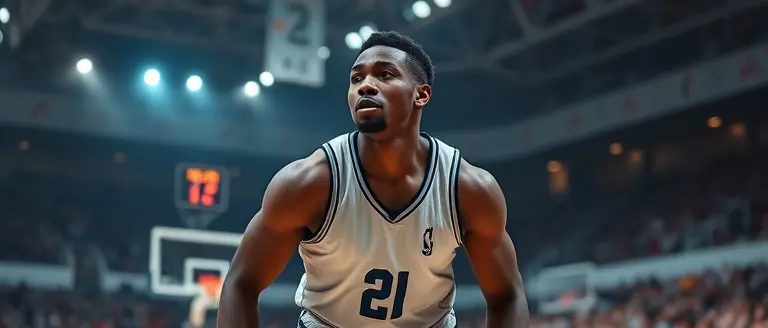
The 2026 NBA basketball postseason has been defined by a singular, unprecedented tactical shift: the “Wembanyama Effect.” Following his historic 12-block performance in the Conference Semifinals, Victor Wembanyama has effectively neutralized the traditional rim-running offense that has dominated the league for the last decade. Coaches are no longer merely planning for the San Antonio Spurs’ set plays; they are actively redesigning their offensive rotations to avoid the “Wemby zone.” The sheer gravity of his defensive presence forces guards to pull up for low-efficiency mid-range jumpers rather than challenging the paint, a tactical concession that has fundamentally altered the scoring math for every opponent facing the Spurs.
Tactical Shifts in the Paint
The evidence suggests that opposing teams are adopting extreme perimeter-centric strategies to mitigate Wembanyama’s reach. By analyzing recent series, we can observe several recurring adjustments:
- Forced Perimeter Gravity: Opponents are prioritizing “dribble-handoffs” far beyond the three-point line to draw Wembanyama away from the restricted area.
- Increased Mid-Range Volume: Because drives to the rim result in high-frequency blocked shots, offenses are settling for contested, long-range two-pointers—a statistical outcome that defensive coordinators for the Spurs are more than happy to accept.
- Vertical Spacing Changes: Traditional lob threats are being abandoned in favor of “corner-drift” shooters, forcing Wembanyama to make split-second decisions between guarding his man and rotating for help defense.
This evolution marks a generational shift in how NBA basketball is played. As teams scramble to adjust, Wembanyama’s ability to defend the entire half-court without fouling creates a defensive archetype that modern offensive playbooks were never designed to combat. Whether this trend forces a permanent move toward “positionless” shooting or leads to a resurgence of elite floor-spacing bigs remains to be seen, but one thing is clear: the league is currently playing a game of catch-up with the Spurs’ defensive superstar.
Draft Lottery Survival Guide: Stakes Beyond the First Pick

The 2026 NBA Draft Lottery, scheduled for May 10, represents far more than a simple race for the top selection. For franchises currently evaluating their nba basketball roster construction, the lottery is a foundational moment that dictates long-term competitive viability. While media narratives focus intensely on the prospect of landing a franchise-altering talent, smart organizations view the event through the lens of asset management and strategic positioning. As icons like Vince Carter take the stage to represent league history and bridge the gap to the next generation of stars, teams are focused on how their specific draft position unlocks flexibility in the trade market or the ability to fill critical positional needs.
Understanding the Odds and Strategic Value
Understanding the statistical landscape is essential for any fan tracking the proceedings. The current lottery system is explicitly designed to flatten the odds for the worst-performing teams, preventing “tanking” while maintaining a degree of parity. Beyond the coveted No. 1 pick, the primary stakes include:
- Top-Four Protections: Many teams hold draft assets with “protections,” meaning their value fluctuates based on exactly where the ball drops. Securing a spot in the top four can often be the difference between retaining a core piece or sending a high-value asset to a rival.
- Tiered Talent Pools: Scouts often categorize drafts into specific “tiers.” Falling outside of the top three or five picks doesn’t necessarily mean a failure; it simply shifts the draft board strategy toward players who offer high-floor utility or specialized skills that complement existing star power.
- Trade Leverages: A high lottery pick acts as the ultimate currency. Teams often leverage their position to trade down for depth, acquiring multiple role players or future draft capital to accelerate a rebuild.
As the 2026 NBA Playoffs continue to showcase the rise of defensive disruptors like Victor Wembanyama, teams in the lottery are under increased pressure to select prospects capable of shifting league-wide tactical schemes. Whether a team moves up or slides back, the outcome of this event will influence league parity for years to come, proving that the lottery is not just about the first name called, but about how that pick facilitates a championship-caliber future.
Data-Driven Playoff Moments: Beyond the Box Score

In the landscape of modern nba basketball, the traditional box score has become a secondary tool for understanding the true impact of the 2026 NBA Playoffs. While raw totals provide the narrative, advanced tracking data now offers a granular lens through which we can analyze player movement, defensive spacing, and shot probability. By integrating motion-tracking technology, we can move beyond mere anecdotal praise to verify exactly how superstars are tilting the competitive balance. For instance, analyzing the defensive gravity of elite players reveals that the mere presence of a rim protector can shrink the court, forcing opponents into sub-optimal shot selection even when that player isn’t directly contesting the ball.
Decoding Impact Through Advanced Metrics
The shift toward data-driven analysis is most visible when assessing historical performances, such as the defensive mastery displayed during the current postseason. When we examine specific moments, we look at:
- Defensive Impact Radii: Tracking how a player’s proximity to shooters dictates offensive efficiency and forces secondary rotations.
- Expected Field Goal Percentage (xFG%): Utilizing shot-quality data to distinguish between lucky streaks and sustained, high-percentage offensive execution.
- Spacing Dynamics: Measuring the “gravity” of elite scorers to quantify how their movement creates open lanes for teammates, a critical factor in high-stakes series like the Spurs-Timberwolves matchup.
This analytical approach transforms how fans consume nba basketball highlights. Instead of simply watching a highlight reel of a Victor Wembanyama block, viewers can now see the velocity of the drive and the precise defensive rotation that funneled the offensive player into the restricted area. This transition toward predictive data ensures that our appreciation of the game is rooted in hard evidence, providing a deeper connection to the tactical adjustments that define whether a team advances toward the Larry O’Brien Trophy or faces elimination. As we look ahead to the draft lottery, these same metrics will be essential in evaluating how incoming prospects might fit into the complex, data-heavy schemes of today’s league.
Sharpen Your Analytical Edge for the Future of the NBA
Understanding the ripple effects of Wembanyama’s defense and the intricate landscape of the 2026 Draft Lottery requires a level of deep focus that goes beyond casual viewing. As teams navigate this landscape, the analytical requirements for the sophisticated fan have never been higher. Just as Victor Wembanyama processes the court with unprecedented speed, you need your own mental gears finely tuned to decode these complex playoff strategies and draft implications with ease.
To truly master the intricacies of modern roster building and stay ahead of the curve, you need a cognitive advantage that cuts through the noise. This is where The Brain Song becomes your essential companion. By enhancing focus and sharpening mental clarity, it allows you to process advanced statistics and tactical breakdowns with the precision of a front-office executive. It is the ultimate tool for any fan who refuses to be a passive spectator and instead demands a total, immersive understanding of the game.
Preparing for the draft lottery shouldn’t feel like a chore; it should be a high-performance experience. Elevate your analytical capacity, clear the mental fog, and gain the insight necessary to anticipate every move before it happens on the court. It is time to transform your fan experience from mere observation to elite-level sports intelligence.
 Optimize your analytical edge and clear the mental fog before the draft lottery; listen to The Brain Song to sharpen your game-day focus.Sharpen My Analytical Focus Now!