
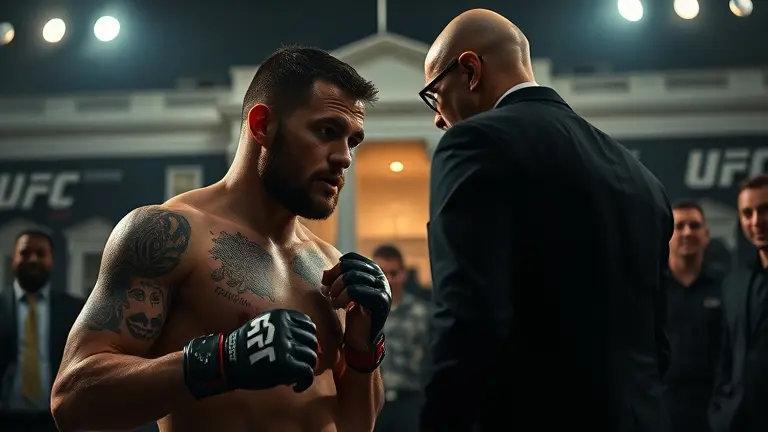
The atmosphere at the UFC Freedom 250 press conference on May 8, 2026, was meant to be a celebration of the sport’s historic move to the UFC White House grounds. Instead, it descended into chaos when heavyweight contender Josh Hokit found himself at the center of a volatile, headline-grabbing confrontation with lightweight champion Ilia Topuria. The intensity of the altercation, which eventually required security to physically remove Hokit from the stage, has set the tone for what is being billed as the most high-stakes card in modern combat sports history.
As the countdown to the June 14th UFC White House event intensifies, the promotional narrative has shifted from pure athletic competition to a drama-fueled collision of egos. With figures like Alex Pereira becoming indirectly drawn into the brewing resentment, the promotion is masterfully—if dangerously—leveraging this ‘bad boy’ marketing to drive unprecedented engagement. While fans focus on the fireworks of the presser, the reality remains that surviving at this level of elite, high-pressure performance requires more than just raw aggression; it demands a level of internal focus and physical vitality that only a true champion can maintain.
The UFC Freedom 250 Incident: Josh Hokit and the White House Card Controversy
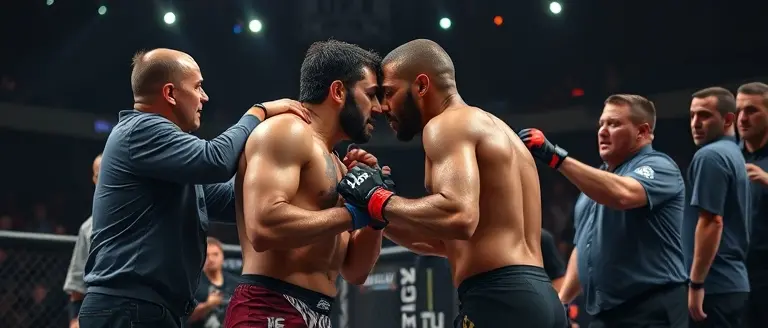
The atmosphere surrounding the UFC Freedom 250 pre-fight press conference on May 8, 2026, in New Jersey, shifted from promotional hype to volatile chaos in a matter of seconds. The incident centered on heavyweight contender Josh Hokit, who is currently slated for a high-profile bout on the historic UFC White House card set for June 14, 2026. What began as standard banter rapidly devolved when Hokit engaged in a heated confrontation with UFC lightweight champion Ilia Topuria. The verbal exchange escalated into a physical altercation, drawing the attention of other stars on stage, including Alex Pereira, whose presence added an unpredictable layer of tension to the event.
Security personnel were forced to intervene aggressively as the stage became a scene of disorder, ultimately leading to the premature termination of the press conference. This incident has sent shockwaves through the MMA community, prompting intense debate regarding fighter conduct in the lead-up to the UFC White House card. While many fans viewed the drama as “definitely entertaining,” others have criticized the lack of professionalism displayed by the athletes ahead of such a culturally significant event.
Key takeaways from the fallout include:
- Escalation Timeline: The confrontation sparked during the final segment of the presser, forcing officials to clear the stage to prevent a full-scale brawl.
- Involvement of Elites: Beyond the primary participants, the involvement of high-profile figures like Alex Pereira suggests that the competitive tensions at the UFC Freedom 250 event are spilling over into the broader roster.
- Promotional Impact: The UFC is navigating a delicate balance, leveraging the “bad boy” marketing narrative for Josh Hokit while attempting to maintain the dignity required for a sanctioned event hosted on the grounds of the White House.
As the June 14 event approaches, the incident has undeniably heightened interest in the upcoming fight card. Whether this chaotic preview serves as a successful promotional strategy or a liability for the sport remains a subject of heavy speculation across major sports media outlets.
UFC White House: Everything to Know About the Historic June 14th Card
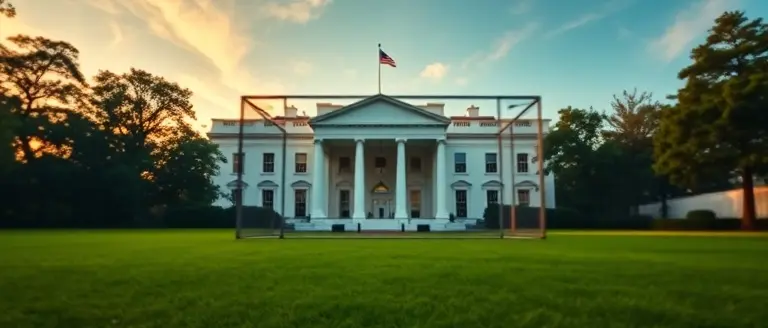
The UFC White House event, scheduled for June 14, 2026, marks an unprecedented moment in combat sports history. By securing the White House grounds as a venue, the organization has elevated its promotional reach to a global stage, cementing this card as the centerpiece of the 2026 calendar. While the spectacle of the location is drawing significant mainstream attention, the card is equally bolstered by high-stakes matchups that bridge the gap between pure athletic competition and the high-octane drama typical of modern MMA.
Key Matchups and Strategic Importance
The fight card features a mix of veteran talent and rising stars, though the spotlight has intensified following recent promotional volatility. Among the most anticipated bouts is the heavyweight clash between veteran Derrick Lewis and the rapidly ascending Josh Hokit. This particular pairing has moved from a standard athletic contest to a focal point of fan interest, especially after the explosive tensions witnessed during the UFC Freedom 250 press conference. The inclusion of champions like Ilia Topuria and pound-for-pound elite fighters such as Alex Pereira ensures that the event maintains its competitive integrity despite the surrounding media circus.
- Derrick Lewis vs. Josh Hokit: A high-stakes heavyweight showdown.
- Ilia Topuria: Featured as a primary attraction on the main card.
- Alex Pereira: Expected to headline or co-headline, driving significant pay-per-view interest.
- Justin Gaethje and Ciryl Gane: Confirmed additions providing massive depth to the historic event.
The UFC’s strategy to utilize these intense, off-script moments—such as the incident involving Josh Hokit and Ilia Topuria—demonstrates a pivot toward a more aggressive, personality-driven marketing approach. While some fans have criticized the lack of decorum, the engagement metrics suggest that this “bad boy” narrative is successfully driving mainstream visibility for the UFC White House card. As the date approaches, the organization continues to sweeten the deal, recently announcing bigger bonuses for fighters, ensuring that the performances on the lawn match the magnitude of the venue.
Promotional Chaos: Analyzing the Shift in UFC Presser Dynamics
The explosive altercation between Josh Hokit and lightweight champion Ilia Topuria during the UFC Freedom 250 press conference marks a pivotal moment in the promotion’s recent marketing trajectory. While fans and pundits remain divided on whether the chaos was organic or manufactured, the intensity of the scene—which also drew in stars like Alex Pereira—underscores a shift toward high-stakes, volatile confrontations. Historically, UFC press conferences have thrived on tension, yet the stakes for the upcoming UFC White House card demand unprecedented levels of visibility. By fostering a “bad boy” persona for rising contenders like Hokit, the UFC is effectively leveraging controversy to dominate social media cycles ahead of the June 14, 2026, historic event.
Comparing Modern Controversies to Legacy Brawls
Historically, scuffles at weigh-ins or press events serve as a barometer for fighter animosity. However, the current strategy appears more calculated. Unlike previous eras where beefs were often long-simmering personal feuds, the UFC White House card promotional cycle suggests a refined approach to maximizing PPV interest through “forced” proximity. Key observations regarding this tactical shift include:
- Heightened Visibility: The White House venue requires a mainstream cultural footprint, and viral moments—even polarizing ones—ensure the event stays in the national news cycle.
- Strategic Escalation: The involvement of secondary stars like Alex Pereira during the Hokit-Topuria incident suggests that the UFC is weaving a broader narrative of interconnected rivalries across weight classes.
- Engagement Metrics: Evidence from platforms like YouTube and Facebook indicates that “near-brawl” clips generate significantly higher engagement than traditional technical breakdowns, proving that drama remains the most effective driver for the casual viewer base.
Whether these incidents are authentic spikes in tension or orchestrated marketing tactics, the effect is undeniable: interest in the UFC White House card is at an all-time high. By blurring the line between sport and spectacle, the UFC continues to prove that volatility remains its most potent tool for driving global pay-per-view buy rates.
Navigating the Viral Backlash: Fighter Conduct and Audience Perception
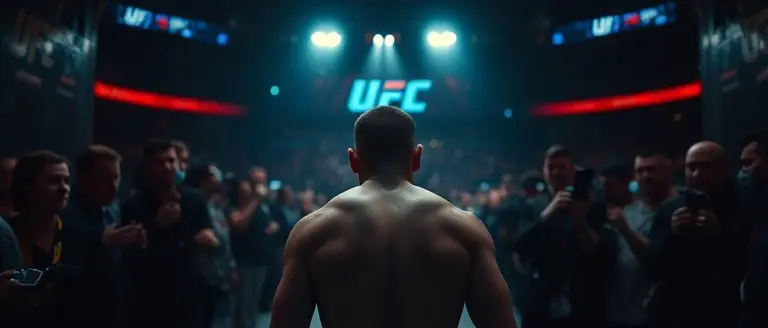
The incident involving Josh Hokit at the UFC Freedom 250 press conference has ignited a fierce debate regarding professional conduct in combat sports. As a rising heavyweight, Hokit’s physical altercation with lightweight champion Ilia Topuria—which necessitated a security intervention—has left the MMA community deeply divided. While some segments of the fanbase view this “bad boy” marketing as an entertaining display of raw intensity, others argue that it undermines the prestige of the upcoming UFC White House card. The optics of such volatility are particularly sensitive given the unprecedented nature of hosting an event on the White House grounds, leading many to question whether this bravado distracts from the athletic integrity of the sport.
The Polarization of MMA Fans
Social media consensus remains fractured, reflecting a broader evolution in how fight fans perceive promotional drama versus competitive substance. Key reactions from the digital discourse include:
- The Entertainment Factor: A vocal contingent of supporters argues that the “near brawl” dynamic generates necessary hype and brings mainstream visibility to the UFC White House event.
- Professionalism Concerns: Critics, including seasoned analysts, point out that Hokit’s erratic behavior risks overshadowing the technical brilliance of headliners like Alex Pereira.
- Impact on Brand: There is a growing narrative that the UFC is leaning into these confrontations to maximize engagement, though this risks alienating those who prefer a more disciplined approach to fight buildup.
Ultimately, the pressure on Hokit is now twofold. He must not only prove his dominance in the cage against Derrick Lewis but also manage the professional repercussions of his newfound reputation. As the industry looks toward June 14, 2026, the question remains: will this viral volatility act as a catalyst for his superstardom, or will it be remembered as a lapse in judgment that overshadowed a historic milestone for the organization? The eyes of the world, and potentially the administration hosting the event, will certainly be fixed on his next move.
The Price of Elite Performance
The events surrounding Josh Hokit and the UFC White House card serve as a stark reminder that at the highest levels of combat sports, the margin between triumph and turbulence is razor-thin. While the spectacle of these confrontations creates the buzz that sells out historic venues, the true test of a champion lies in the grueling, day-to-day commitment to physical and mental excellence. The intense scrutiny and physical demands placed on these athletes are immense, and without the proper foundation of health, the competitive edge that defines an elite fighter can quickly begin to erode.
While fighters like Hokit rely on explosive aggression to make headlines, maintaining that level of drive and physical vitality requires a sustained internal balance that many fans overlook. This is where Protoflow becomes an essential tool for the modern man. Just as an athlete must optimize every aspect of their health to ensure peak performance in the octagon, Protoflow is specifically formulated to support prostate health and boost male vitality. It provides the foundational support necessary to sustain high-level drive, focus, and stamina, ensuring that you are always ready to conquer your own daily battles.
By integrating Protoflow into your regimen, you aren’t just taking a supplement; you are prioritizing the same standard of peak performance that powers the world’s most elite athletes. If you are ready to stop leaving your vitality to chance and want to harness the focus and strength of a champion, the time to act is now. Take control of your physical well-being and experience the difference that optimized health can make in your professional and personal life.
 Unlock your peak performance levels and maintain the focus of a champion; discover how Protoflow supports male vitality here.Yes, I Want This Now!