
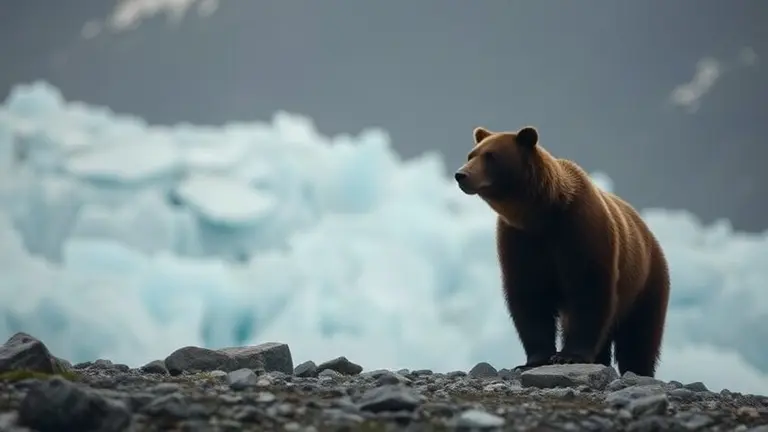
When travelers venture into the rugged landscapes of Southeast Alaska or the breathtaking vistas of Glacier National Park, the term glacier bear often sparks immediate curiosity. For some, it refers to the elusive Ursus americanus emmonsii, a rare subspecies of the American black bear distinguished by its stunning, silver-blue coat that mirrors the icy terrain. For others, the phrase is a catch-all used while planning summer itineraries, blending the excitement of glacial tours with the vital necessity of bear safety. Navigating this confusion is the first step toward a responsible and awe-inspiring wilderness experience.
Understanding whether you are tracking a biological marvel or preparing for common wildlife encounters is essential for every adventurer. In the high-stakes environment of the great outdoors, success isn’t just about what you see—it’s about how you prepare. Whether you are aiming to photograph a rare species or simply exploring glacier country, the difference between a seamless expedition and a logistical hurdle often lies in the quality of your custom gear and your readiness to handle the elements.
Understanding the ‘Glacier Bear’: Defining a Dual-Meaning Search
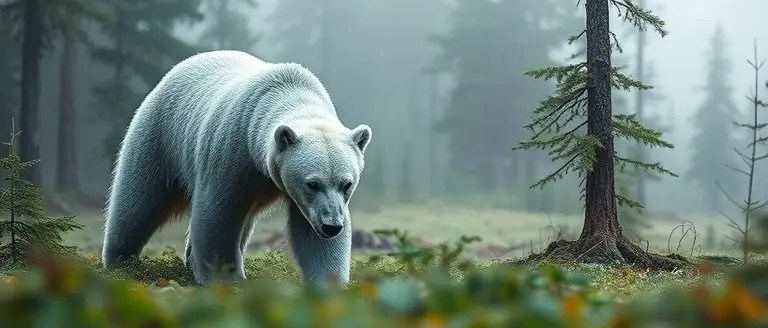
The term glacier bear functions as a high-frequency search query that serves two distinct audiences: wildlife biologists interested in rare taxonomy and travelers planning summer excursions. Because search engines often group these intents, it is vital to distinguish between the biological subspecies and the common regional sightings that occur during the peak tourism season in Alaska and Montana.
The Rare Biological Subspecies
Scientifically, the glacier bear (Ursus americanus emmonsii) is a legitimate and rare subspecies of the American black bear. It is primarily identified by its unique coat, which exhibits a distinct silver-blue, slate, or charcoal-gray coloration rather than the standard black or brown. These animals are generally restricted to the coastal regions of Southeast Alaska. Because of their elusive nature, sightings are rare, making them a significant point of interest for nature photographers and wildlife enthusiasts. It is important to note that these are not a separate species from the black bear but a unique color phase adaptation.
The Tourism-Driven Search Intent
Conversely, a vast majority of traffic for the term arises from itinerary planning. During the summer months, travelers searching for Glacier National Park or popular Alaskan sites—such as Exit Glacier or the Bear Creek Weir—frequently combine these terms. This results in search patterns where users are looking for:
- Bear Safety: Advice on how to navigate “bear country” while trekking near glaciers.
- Trip Planning: Logistics for tours that offer both glacial viewing and wildlife photography opportunities.
- Location-Specific Content: Confusion often occurs when travelers assume any black bear seen near a glacier is the rare Ursus americanus emmonsii, when in reality, most bears in these regions are common black bears or grizzlies.
By recognizing this duality, travelers can better refine their searches. Whether you are seeking the rare silver-coated bear or simply planning a safe, productive trip to Alaskan glacial sites, distinguishing between these two intents is the first step toward accurate information gathering.
The Rare Glacier Bear: A Guide to the Ursus americanus emmonsii
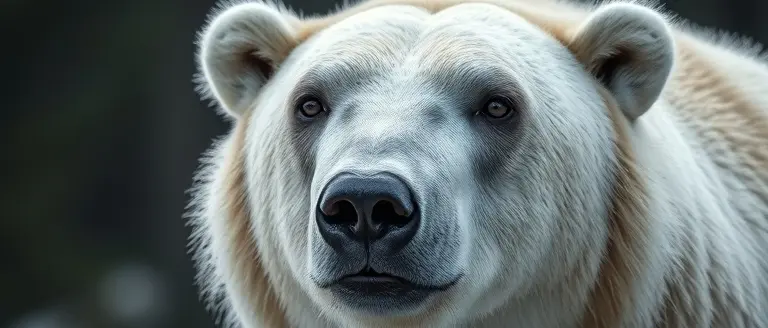
The glacier bear (Ursus americanus emmonsii) is one of the most enigmatic subspecies of the American black bear. Far from being a separate species, it is a color-phase variant of the black bear characterized by its striking, iridescent silver-blue or slate-gray fur. This unique coloration is not caused by albinism but rather a localized genetic mutation. While black bears are common across North America, the emmonsii subspecies is geographically isolated, primarily restricted to a narrow coastal range in Southeast Alaska, spanning from the Glacier Bay region to the Taku River.
Understanding the Genetics and Habitat
The “glacier” designation is somewhat of a misnomer; while these bears reside in areas dominated by glacial activity, their coat color is an evolutionary curiosity rather than a direct adaptation to ice. Researchers believe the color variation may have persisted due to the isolated nature of the steep, rugged mountains and dense forests of the Alaskan Panhandle, which limit gene flow with standard black bear populations. Because of their limited range and elusive behavior, population numbers remain unconfirmed, contributing to their status as a “holy grail” for wildlife enthusiasts and zoologists alike.
Ethical Wildlife Viewing
Spotting a glacier bear requires significant patience and a deep understanding of ethical wilderness practices. Because they are shy and rarely venture near high-traffic tourist hubs, they are unlikely to be seen near common cruise ship excursion points. If you are fortunate enough to encounter one, prioritize the animal’s safety and your own by adhering to these guidelines:
- Maintain Distance: Always stay at least 100 yards away from any bear. Use high-powered binoculars or a telephoto lens for observation.
- Avoid Attracting Bears: Never store food or scented items in a way that could lure wildlife; follow strict “Leave No Trace” principles in bear country.
- Respect Behavioral Cues: If the bear alters its behavior, stops foraging, or reacts to your presence, you are too close. Back away slowly without making direct eye contact.
- Prioritize Local Guidance: Work with certified, reputable Alaskan guides who understand the habitat requirements of the Ursus americanus emmonsii and prioritize animal welfare over photo opportunities.
By treating these sightings as a rare privilege rather than an expectation, visitors can help protect this unique subspecies for future generations.
Summer Travel Essentials: Navigating Glacier Regions Safely
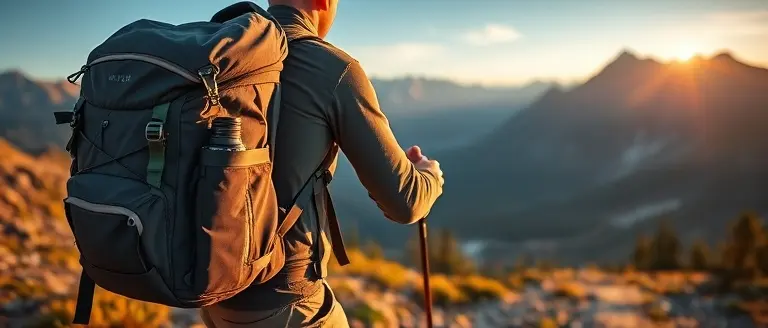
August marks the peak of tourism in both Glacier National Park and the expansive glacial regions of Alaska. While travelers often search for the elusive glacier bear—a rare subspecies of the American black bear—the reality of summer travel is that encounters with standard black bears and grizzly bears are a statistical certainty. Navigating these habitats requires rigorous adherence to safety protocols to protect both the visitor and the wildlife. Whether you are trekking near Exit Glacier or scouting for salmon at a Bear Creek Weir, situational awareness remains your primary defense.
Essential Bear Safety Protocols
To ensure a secure experience while exploring high-density bear country, prioritize the following practices:
- Carry Bear Spray: Always keep EPA-approved bear spray in an easily accessible holster, not buried inside your backpack. Ensure you know how to operate the safety mechanism before hitting the trail.
- Secure All Attractants: Bears have an acute sense of smell. Never leave food, trash, or scented toiletries unattended. Use certified bear-resistant containers when camping and dispose of waste in provided wildlife-proof bins.
- Make Noise: Travel in groups and make regular noise—talking, singing, or clapping—to avoid startling a bear, particularly near rushing water or dense brush where your presence might go unnoticed.
- Respect Distance: Wildlife photography is a popular pursuit, but never prioritize a shot over safety. Maintain at least 100 yards of distance from bears. If a bear notices you and changes its behavior, you are too close.
Evidence suggests that most negative interactions occur due to human negligence regarding food storage or surprise encounters. By remaining vigilant and respecting the habitat, you contribute to the conservation of these magnificent creatures while enjoying the majestic, icy landscapes that define the 2026 summer season. Always check with local ranger stations for current bear activity reports before entering remote trails.
Wildlife Photography Ethics and Itinerary Planning
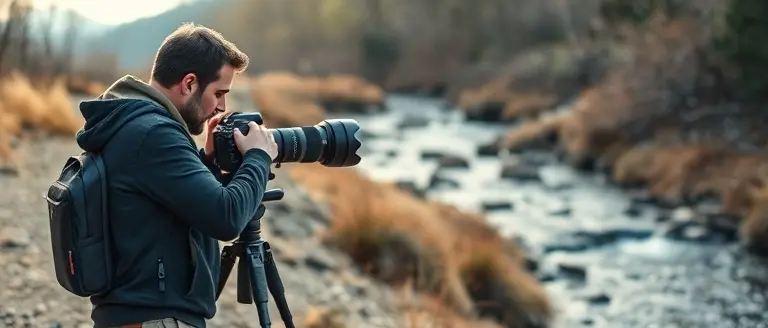
When planning your summer excursion to regions like Southeast Alaska or Glacier National Park, balancing the thrill of spotting a glacier bear—or any local wildlife—with responsible stewardship is paramount. An effective, ethical itinerary prioritizes the safety of both the traveler and the animal. To minimize your footprint, focus your travel schedule around established wildlife viewing platforms and maintained trails. By sticking to designated areas at locations like the Bear Creek Weir or popular glacial overlooks, you reduce the risk of habitat fragmentation and keep animals from becoming habituated to human presence.
Principles of Responsible Wildlife Observation
Adopting Leave No Trace principles is essential when navigating these sensitive environments. Whether you are searching for the rare Ursus americanus emmonsii or observing more common species, your actions dictate the long-term health of the ecosystem. Consider these essential guidelines for ethical observation and photography:
- Maintain Distance: Use high-quality telephoto lenses to capture images from a respectful distance rather than attempting to approach the animal. If a bear changes its behavior—such as stopping its activity, vocalizing, or changing direction—you are too close.
- Prioritize Natural Behavior: Never use food, calls, or mimicry to bait animals into a “better shot.” These practices can lead to aggressive behavior and ultimately necessitate the relocation or euthanization of the animal.
- Respect the “Bear Country” Protocol: Always carry bear spray in an accessible holster, not inside your camera bag, and ensure you know how to deploy it correctly.
- Limit Stay Duration: Keep your viewing sessions brief to prevent stressing the wildlife, especially during high-energy periods like salmon runs.
Ultimately, the goal of your glacier bear photography trip should be to document the majesty of the wilderness without leaving a mark. High-quality imagery is best achieved through patience and preparation rather than proximity. By researching the specific ecology of the area before you arrive, you transform from a casual tourist into a conscientious nature advocate, ensuring these fragile habitats remain pristine for future generations.
Build Your Way to a Safer, Smarter Expedition
Mastering your time in glacier country requires more than just a map; it demands the right equipment tailored to the unique rigors of the wilderness. Whether you are crafting bear-resistant storage to keep your campsite secure or building custom, heavy-duty mounts for your wildlife photography gear, precision is the difference between a trip that flows and one that falters. Just as a perfect itinerary requires meticulous planning, your gear should be built with the same level of professional attention to detail.
This is where your preparation moves from passive caution to active mastery. By utilizing professional-grade blueprints, you eliminate the trial-and-error stress that plagues most DIY projects, ensuring your equipment is as rugged as the environment you are entering. When you commit to building your own gear, you are not just saving time—you are crafting a specialized toolkit that directly enhances your safety and your ability to capture the wonders of the wild.
You are now ready to stop searching for equipment that fits your needs and start building it. With access to over 16,000 professional-grade plans, you can construct every essential component for your next Alaskan or mountain expedition with confidence and precision. Elevate your craftsmanship and secure your gear today.
 Ready to build the perfect gear setup for your Alaskan expedition? Access 16,000+ professional plans to construct everything you need for your next adventure.Yes, I Want This Now!