
The 2026 Western Conference Semifinals have thrust the Los Angeles Lakers into their most testing sequence of the season. Following a gritty six-game victory against the Houston Rockets, the purple and gold find themselves in a precarious position, trailing the Oklahoma City Thunder 1-0. With Luka Dončić officially sidelined for Game 2 and questions looming over Jarred Vanderbilt’s availability, the narrative has shifted from standard post-season excitement to a high-stakes tactical chess match. For the Lakers, the challenge is no longer just about talent—it is about organizational adaptability in the face of adversity.
To bridge the gap against the Thunder’s relentless pace, head coach JJ Redick must navigate a rotation crisis that demands immediate, unconventional solutions. This guide bypasses the generic media noise to dissect how ‘Small Ball’ lineups and secondary role players like Austin Reaves must evolve to sustain the Lakers’ championship aspirations. As the pressure mounts, understanding these tactical shifts is critical for any fan looking to get past the box score and see exactly how the Lakers plan to claw their way back into this series.
Lakers Playoff Pulse: Navigating the Semifinals Against OKC
The Los Angeles Lakers enter a critical juncture in their 2026 postseason campaign following an exhausting 6-game series victory over the Houston Rockets. While the team successfully navigated the physical demands of that opening round, the momentum has shifted as they face the Oklahoma City Thunder in the Western Conference Semifinals. Currently trailing 1-0, the Lakers are forced to re-evaluate their rotation and tactical approach amidst mounting adversity. The series opener exposed defensive lapses and offensive stagnation, highlighting the immediate necessity for adjustments as the coaching staff looks to equalize before shifting back to Los Angeles.
Managing a Depleted Roster
The primary hurdle for the Lakers heading into Game 2 is the significant injury report. Most notably, co-star Luka Dončić has been officially ruled out for the upcoming contest. His absence removes a primary playmaker and scoring engine from the rotation, shifting the burden of shot creation onto the remaining core. Additionally, the status of Jarred Vanderbilt remains questionable, leaving a void in the team’s perimeter defense and transition versatility. To compensate for these losses, the coaching staff is likely to lean on the following strategic shifts:
- Expanded Usage for Austin Reaves: With the perimeter rotation thinned, Reaves will be expected to absorb increased playmaking duties, requiring him to balance efficient scoring with high-level facilitation.
- Small-Ball Deployments: Evidence suggests the team may pivot to faster, spacing-oriented lineups to negate the Thunder’s length and rim protection.
- Defensive Consolidation: Stricter adherence to help-side rotations will be required to account for the mobility of the Thunder’s younger, explosive backcourt.
As the series progresses, the Lakers must reconcile their championship aspirations with the realities of their current personnel availability. The focus remains strictly on managing the immediate deficit against the Thunder, as the franchise continues to navigate a high-stakes playoff environment where every rotational decision carries significant weight.
Strategic Adjustments: How the Lakers Can Counter the Thunder in Game 2
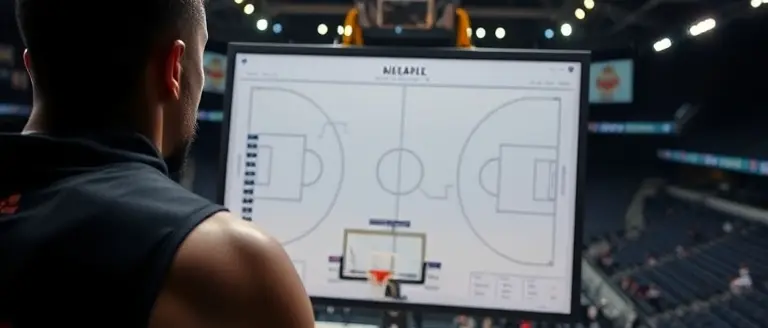
To even the series, the Los Angeles Lakers must fundamentally alter their defensive shell and playmaking distribution following the loss of Luka Dončić. During the Western Conference Semifinals series opener, the Oklahoma City Thunder exploited the Lakers’ lack of perimeter containment, particularly in transition. Data from the previous series against the Houston Rockets showed the Lakers’ pick-and-roll defensive efficiency relied heavily on Dončić’s gravity and screen navigation. Without him, the team’s current defensive rating is projected to dip unless they transition into a more conservative, “drop” coverage scheme that prioritizes protecting the paint over aggressive blitzing.
Tactical Shifts for Rotational Stability
The coaching staff faces a critical need to reconfigure the rotation to fill the void left by their star playmaker. To counter the Thunder’s blistering pace, the Lakers should consider the following tactical adjustments:
- Heightened Perimeter Pressure: Shift defensive assignments to force the Thunder into mid-range jumpers rather than high-percentage corner threes, a common trend in OKC’s offensive sets.
- Small-Ball Flexibility: With the status of Jarred Vanderbilt remaining questionable, utilizing a versatile, mobile frontcourt will be essential to negate the Thunder’s speed in secondary breaks.
- Secondary Playmaking: Austin Reaves must shoulder a larger creative load. Evidence suggests that his ability to draw contact and facilitate from the high post will be the primary engine for the Lakers’ offense in Game 2.
Defensive rebounding remains the silent catalyst for success. If the Lakers can secure long rebounds—an area where they struggled in Game 1—they can limit the Thunder’s transition opportunities and force a half-court game that favors the veteran experience of the Los Angeles squad. Strategic discipline, combined with a tightened rotation, will be the determining factor in avoiding a 0-2 deficit as the series progresses.
Performance Analysis: Bench Depth and Role Player Impact
With the Los Angeles Lakers navigating the high-stakes pressure of the 2026 NBA Western Conference Semifinals, the absence of Luka Dončić for Game 2 has shifted the analytical focus toward secondary contributors. The current roster rotation must compensate for a significant offensive void, necessitating an immediate elevation in output from key rotation players. Data from the series against the Houston Rockets underscores that success hinges on high-efficiency output from players who can bridge the gap in perimeter defense and spacing.
Leveraging Efficiency and Defensive Versatility
To counter the Oklahoma City Thunder’s transition-heavy offense, the Lakers coaching staff is expected to lean into “small ball” lineups that maximize floor spacing. Scrutiny regarding Austin Reaves has intensified; however, his underlying metrics suggest he remains a critical stabilizer in the rotation. Rather than viewing his performance through a traditional scoring lens, his value is better defined by his high-usage playmaking and ability to mitigate defensive lapses during stagnant stretches.
Strategic adjustments for Game 2 require specific contributions from the bench unit to ensure sustainable efficiency:
- Secondary Playmaking: The rotation must prioritize ball movement to overcome the Thunder’s length, shifting away from iso-heavy sets that were disrupted in the series opener.
- Perimeter Defense: With the potential absence of Jarred Vanderbilt, perimeter defenders must prioritize closing out on shooters to prevent the Thunder from generating high-percentage transition looks.
- Effective Plus-Minus: Players like Rui Hachimura and Gabe Vincent are under pressure to improve their on-court efficiency ratings; evidence suggests that when these role players maintain a positive plus-minus, the Los Angeles Lakers defensive transition significantly improves.
By reallocating touches and emphasizing defensive rotations, the team is well-positioned to remain competitive despite the injury-riddled landscape. Relying on collective execution rather than individual heroics provides the most viable path toward equalizing the series.
Developmental Pipeline: The Coachella Valley G-League Rebranding

Amidst the intensity of the 2026 NBA Western Conference Semifinals, the Los Angeles Lakers have made a strategic investment in their long-term organizational future through the relocation and rebranding of their G-League affiliate to the Coachella Valley. This move represents a shift in how the organization approaches player development, moving from a passive scouting model to a highly integrated, localized ecosystem designed to feed the main roster. By establishing a dedicated facility in the Coachella Valley, the front office is signaling a commitment to providing prospects with the same training resources, medical staff, and tactical schematics utilized by the parent club in Los Angeles.
Strategic Benefits of the New G-League Affiliate
The decision to revitalize the developmental pipeline is aimed at creating a seamless transition for players climbing the ranks. Key advantages of this move include:
- Tactical Alignment: Players in the Coachella Valley program will now run sets that mirror the Lakers current offensive and defensive strategies, ensuring that call-ups are physically and mentally prepared for high-stakes playoff minutes.
- Proximity and Monitoring: The shorter distance between the affiliate and the main franchise allows for real-time evaluation and instant feedback loops between G-League coaching staffs and the primary scouting department.
- Enhanced Player Retention: A localized, high-tier developmental environment acts as a recruiting tool, attracting high-ceiling prospects who value the organization’s commitment to internal growth.
This structural upgrade is particularly vital as the franchise navigates the complexities of the current salary cap landscape. As the organization faces difficult decisions regarding their roster construction for future seasons, the ability to rely on cost-effective, homegrown talent becomes a competitive necessity. While current fan attention is locked on the series against the Oklahoma City Thunder, the Coachella Valley project ensures that the Los Angeles Lakers are not just competing for the immediate championship, but are methodically building the depth required to sustain championship-level excellence in the coming years. By prioritizing this developmental infrastructure, the Lakers are positioning themselves to mitigate the impact of injury-riddled rotations, similar to the challenges currently faced by the team during their 2026 postseason run.
Elevating Your Analytical Game for Game 2
The path forward for the Lakers rests on surgical precision and a departure from standard rotations. While the coaching staff works behind the scenes to compensate for the absence of Luka Dončić, your ability to track these tactical adjustments is what separates a casual viewer from a true basketball strategist. The intensity of these Western Conference Semifinals demands more than just passion; it requires an sharp, analytical mind capable of processing high-speed, high-stakes shifts in real-time.
Just as the Lakers’ staff must refine their ‘Small Ball’ strategies to counter the Thunder’s momentum, maintaining your own mental clarity is essential to analyzing these complex matchups. This is where The Brain Song becomes your ultimate cognitive edge. By tapping into a proven method for sustained focus and cognitive processing, you move from being a spectator to an active, high-functioning analyst who misses nothing.
Transform your playoff experience by priming your mind for the intensity of the upcoming series. By enhancing your mental acuity, you ensure that you are fully engaged and ready to decipher every critical rotation change before the final buzzer sounds.
 Optimize your analytical focus for the rest of the playoffs—try the 12-minute brain-priming audio routine before Game 2 tip-off.Sharpen My Analytical Focus Now!