
Following the 2026 NFL Draft, the Baltimore Ravens find themselves in a precarious position that has Baltimore faithful and analysts alike questioning the front office’s direction. General Manager Eric DeCosta, usually lauded for his methodical and calculated approach to roster construction, finds himself navigating the aftermath of a draft cycle he famously described as the ‘Wild West.’ With the Chicago Bears swooping in to secure the interior offensive line prospect Ravens fans were banking on, the glaring void at the starting center position has become the focal point of the team’s championship aspirations. The narrative is no longer just about who was missed; it is about how a championship-caliber team can pivot when the original plan falls through.
The current discourse, fueled by social media frustration and speculation over veteran trade targets like Calais Campbell, highlights a fundamental truth about NFL operations: talent acquisition is an exact science that leaves little room for error. When the margin between a Super Bowl run and an early exit is razor-thin, the lack of a solidified center isn’t just a personnel gap—it is a structural failure. As we look at what should happen next, it becomes clear that DeCosta must move beyond reactive measures and apply the same level of precision and strategic foresight that defines his best draft classes to resolve this critical bottleneck before the season kicks off.
The Post-Draft Reality: Decoding Eric DeCosta’s Candid Admissions
In the wake of the 2026 NFL Draft, Eric DeCosta has moved beyond the typical GM veneer of post-draft platitudes, offering a level of transparency that has left the Baltimore Ravens fanbase both informed and anxious. His candid admission that the Chicago Bears essentially “stole” the team’s primary center target has shifted the narrative from draft-day optimism to immediate roster concerns. By openly discussing the front office’s failure to secure a high-priority prospect, DeCosta has inadvertently highlighted a precarious “hole in the middle” of the Ravens’ offense, prompting widespread speculation about the team’s contingency plans.
Navigating the Center Position Crisis
This vulnerability at center has become the focal point of the current offseason. While some fans view DeCosta’s honesty as a refreshing break from corporate jargon, others find the lack of a solidified starter as a glaring oversight in an otherwise disciplined roster construction process. To bridge this gap, the Ravens are now forced into a high-stakes decision: trust internal development or aggressively pursue a trade. Several factors define the complexity of this situation:
- Market Reality: The supply of high-caliber, scheme-fit centers is limited, making the prospect of a mid-season trade or veteran signing a strategic imperative rather than a luxury.
- The Rivalry Narrative: The friction with the Chicago Bears has added a layer of intensity to the conversation, fueling fan-driven debates regarding whether the Ravens’ draft board strategy is becoming too predictable for competitors to exploit.
- Strategic Disconnect: There exists a tangible tension between DeCosta’s “Best Player Available” philosophy and the immediate, positional needs identified by the coaching staff.
Moving forward, the primary metric for DeCosta’s success this year will not be his draft-day transparency, but his ability to rectify this roster deficiency before Week 1. Whether through veteran acquisitions like a potential Garrett Bradbury trade or internal shuffling, the burden of proof now rests on the front office to ensure that the 2026 offensive scheme remains functional despite the lack of a veteran anchor at center.
The Center Crisis: Is the Ravens’ O-Line Strategy Sustainable?
The current uncertainty surrounding the Baltimore Ravens’ interior offensive line has become the defining narrative of the post-draft offseason. Eric DeCosta finds himself at a tactical crossroads: trust the internal development of young, unproven personnel or aggressively pursue a veteran stopgap to protect his franchise quarterback. While DeCosta’s track record as a General Manager suggests a preference for value-based roster construction, the “hole in the middle” creates a genuine concern for offensive continuity. Relying on inexperienced players at the pivot position is a high-stakes gamble, as the center serves as the quarterback’s primary communicator, responsible for identifying defensive fronts and blitz packages in real-time.
Evaluating Internal Depth vs. Market Necessity
Evidence suggests that while the front office remains publicly calm, the lack of a proven starter represents a potential catastrophic point of failure. If the Ravens refuse to add a veteran, they must rely on rapid maturation from their current roster. However, historical data on NFL offensive line performance indicates that successful run-blocking schemes—the hallmark of the Ravens’ identity—require a high degree of synergy between the center and the interior guards. Without a solidified veteran presence, the offense risks:
- Communication Breakdown: Increased susceptibility to disguised pressures and exotic blitzes that target the interior gap.
- Red Zone Inefficiency: A lack of veteran anchor strength often leads to “leaks” in the middle, disrupting the timing of play-action passes.
- Developmental Lag: Relying on trial-by-fire for inexperienced centers can compromise the development of younger offensive linemen playing adjacent positions.
For DeCosta, the pragmatic path likely involves monitoring the trade market for candidates like Garrett Bradbury. The “wild west” nature of the 2026 draft may have forced his hand away from a rookie center, but the post-draft phase offers a second window to stabilize the line. To maintain championship aspirations, the Ravens must pivot from defensive posturing to proactive acquisition. The risk of failing to bridge this gap is simply too high, as even the most dynamic offense cannot function effectively if the snap-to-pocket transition is structurally compromised.
Fixing the Gap: Realistic Trade Partners and Veteran Targets
With the 2026 NFL Draft concluded, Eric DeCosta and the Baltimore Ravens front office must now pivot from reactionary roster moves to proactive solutions. The primary concern remains the void at the center position, which has become the focal point of fan anxiety following DeCosta’s candid admission that his preferred targets were intercepted by rival teams. To maintain a championship-caliber offensive identity, the Ravens must address the interior line instability before training camp intensifies.
Strategic Trade Targets and Free Agent Options
Given the Ravens’ current salary cap constraints, DeCosta is likely to favor veteran value over expensive long-term contracts. The goal is to secure a plug-and-play starter who understands the complexities of an NFL protection scheme. Several avenues remain viable for stabilizing the front:
- Garrett Bradbury: Often cited as a primary trade target, his experience in zone-blocking schemes aligns well with the Ravens’ offensive philosophy. Acquiring a player of his caliber would mitigate the risk associated with relying on unproven developmental prospects.
- Veteran Interior Linemen: Beyond the center position, the team has explored veteran depth to reinforce the defensive interior. The potential return of Calais Campbell remains a significant talking point; his veteran presence would not only stabilize the defensive front but also provide critical leadership during a transitional post-draft phase.
- Post-June 1st Cuts: As other franchises finalize their rosters, teams frequently release veteran players to clear cap space. DeCosta has historically excelled at navigating this “second wave” of free agency, and the Ravens are positioned to pounce on experienced linemen who become cap casualties.
Ultimately, the Ravens’ success in 2026 depends on DeCosta’s ability to remain pragmatic. While the “wild west” nature of the recent draft frustrated the front office, the current roster construction provides a strong foundation. By targeting cost-effective, high-IQ veterans, Baltimore can bridge the gap in the middle of the offense and silence the skepticism surrounding their draft-day outcomes. Relying on a combination of savvy trades and veteran signings is the most realistic path to ensuring the offensive line remains a strength rather than a liability.
Navigating the Offseason: Can DeCosta Secure a Championship Contender?
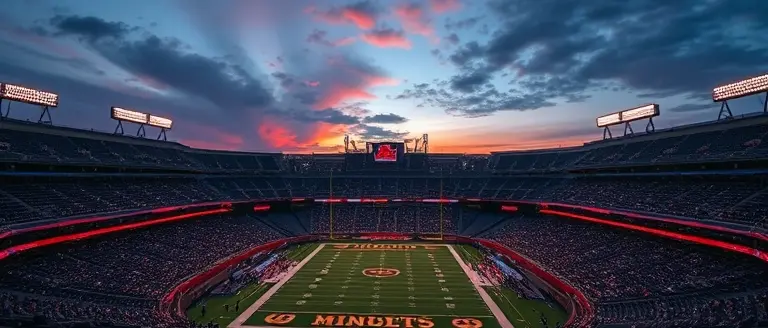
The post-draft landscape in Baltimore has left the fanbase at a crossroads, with Eric DeCosta facing mounting pressure to stabilize a roster currently lacking a solidified anchor at the center position. While the 2026 NFL Draft was viewed by many as a “wild west” scenario that saw the Chicago Bears pull the rug out from under the Ravens’ draft board, the immediate narrative shift must transition from frustration to strategic recovery. To maintain the team’s status as a top-tier championship contender, DeCosta must leverage the remaining offseason window to address the “hole in the middle of the offense” that has become the primary talking point among analysts and supporters alike.
Strategic Pivots for Roster Reinforcement
To regain confidence and silence the growing skepticism—especially with divisional rivals like the Pittsburgh Steelers reinforcing their own rosters—DeCosta must execute calculated, high-impact moves. The consensus among league observers suggests that relying on internal development alone at center may be insufficient for a deep playoff run. Instead, DeCosta should explore the following avenues:
- Veteran Trade Targets: Aggressively pursue established centers, such as Garrett Bradbury, who possess the technical acumen to manage complex protection schemes.
- Cap Space Flexibility: Utilize lingering cap space to bring in veteran leadership, perhaps revisiting discussions regarding defensive stalwarts like Calais Campbell to solidify the locker room culture.
- Scheme Alignment: Re-evaluate the offensive line personnel to ensure the current blocking concepts match the mobility required by the quarterback, reducing the risk of interior pressure.
By pivoting toward a “solution-oriented” approach, Eric DeCosta can mitigate the perception of a failed draft. The goal is clear: the Ravens must bridge the gap between their current draft-room limitations and their ultimate objective of hoisting the Lombardi Trophy. If the front office remains stagnant, the rivalry tension—fueled by recent headlines—will only intensify, potentially undermining the team’s cohesion heading into the competitive fall schedule.
Building with Professional Certainty
The frustration surrounding the Ravens’ current roster construction is a reminder that even the most talented organizations are only as strong as their weakest link. Eric DeCosta’s challenge in securing the center position perfectly illustrates that in high-stakes environments, a ‘trial-and-error’ approach is a recipe for disaster. Whether you are managing an NFL roster or tackling a complex project in your own home, success requires a proven, high-precision blueprint that eliminates guesswork and ensures every component fits exactly where it should.
Just as a championship offensive line depends on the structural integrity of its center, your professional and personal projects depend on the accuracy of your plans. You cannot afford the costly mistakes that stem from amateur guessing games. This is why we recommend the precision and technical reliability of Ted’s Woodworking—a resource designed for those who value structure, accuracy, and proven results over vague speculation and reactive, hit-or-miss decision-making.
By adopting a systematic approach to your builds, you bridge the gap between mere aspiration and flawless execution. It is time to stop reacting to structural failures and start building with the confidence that comes from professional-grade planning. If you are ready to eliminate frustration and secure the blueprint for your next great achievement, look no further.
 Stop guessing and start building with professional certainty—get your comprehensive project blueprints here.Yes, I Want My Professional Blueprints Now!