

The latest climate projections from leading meteorological bodies have sent a ripple of concern through global markets and local communities alike, with data suggesting a 62% probability of a Super El Niño event in 2026. As researchers monitor rising sea-surface temperatures in the Pacific, the conversation is shifting from abstract climate modeling to the very real prospect of extreme heatwaves, intense flooding, and infrastructure strain. For homeowners and business owners, the question is no longer whether these weather anomalies will occur, but how to effectively safeguard their physical assets against the incoming wave of environmental volatility.
While news outlets often lean toward alarmism, the most effective response is one rooted in constructive preparedness. Understanding the nuances of a potential Super El Niño—and how it historically impacts regional infrastructure—is the first step toward mitigation. By transitioning from passive concern to a strategy of proactive home hardening, you can transform your property into a resilient space capable of withstanding the stressors of a changing climate. This guide provides the vetted context you need to move beyond the headlines and take command of your home’s durability.
Understanding the 2026 ‘Super El Niño’ Forecast: What the Data Actually Says
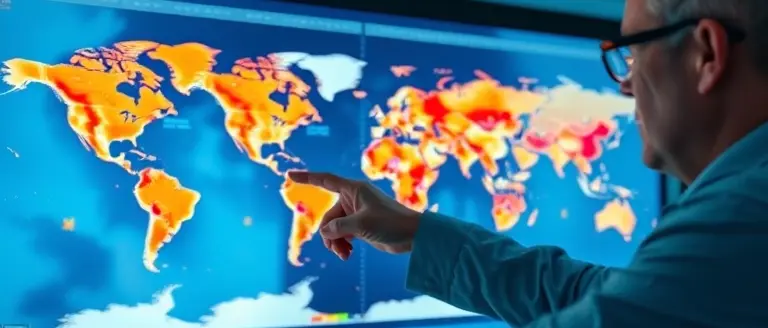
Recent meteorological updates have sparked widespread discussion regarding a potential super el niño 2026 event. Projections from leading institutions, including models referenced by NOAA, currently indicate a 62% probability of a significant El Niño phase emerging between June and August 2026. While these figures have generated substantial public interest and concern, it is vital to distinguish between statistical modeling and absolute environmental certainty. Climate models are predictive tools used to identify shifts in equatorial Pacific sea surface temperatures, but they are not infallible crystal balls. A 62% probability suggests that while the atmospheric conditions are trending toward an anomalous warming phase, a 38% chance remains that the event could be significantly weaker, delayed, or fail to manifest as a “super” classification.
Distinguishing Between ‘El Niño’ and ‘Super El Niño’
Misinformation often conflates standard weather oscillations with extreme phenomena. To maintain scientific perspective, it is important to understand the thresholds used by climatologists:
- Standard El Niño: Characterized by warmer-than-average sea surface temperatures in the central and eastern Pacific, leading to predictable but manageable shifts in global rainfall and temperature patterns.
- Super El Niño: A rare, high-intensity event where sea surface temperatures consistently exceed thresholds by 2°C or more. These events have historically triggered more severe droughts, rapid melting, and extreme weather volatility.
- The 2026 Context: Current data reflects an elevated risk profile, yet the focus should remain on resilience and preparation rather than panic. By monitoring official reports from global climate research outlets, stakeholders—ranging from agricultural producers to the travel sector—can make data-driven decisions.
The transition toward a potential super el niño 2026 requires a nuanced understanding of how these patterns influence localized climates. Rather than interpreting every headline as a guarantee of disaster, viewing these projections as a call for strategic readiness allows communities to fortify infrastructure and adapt supply chains before seasonal impacts begin to materialize. Scientific bodies continue to refine these projections; therefore, keeping informed through vetted sources remains the most effective approach to navigating the uncertainty of the coming year.
Global Weather Shifts: Anticipating Regional Impacts

A super El Niño 2026 event functions like a massive thermal engine, redistributing atmospheric heat and moisture across the globe. By disrupting the traditional trade winds across the Pacific, this phenomenon triggers a “seesaw” effect in global weather, where regions accustomed to stable climates face unexpected extremes. While scientific models from organizations like NOAA indicate a 62% probability of development by Q3 2026, the real-world consequences vary drastically depending on local geography and topographical vulnerability.
Regional Vulnerabilities and Climate Extremes
The impacts of this climate shift are not uniform. Evidence suggests that while some regions will experience devastating moisture deficits, others will face torrential rains. Key geographical shifts include:
- Southeast Asia and India: Historically, these regions experience significant moisture stress during strong El Niño cycles. Current projections indicate a high risk of weakened monsoon patterns, threatening agricultural output and domestic water security.
- The Americas: The western coast of the United States and parts of South America often see intensified storm tracks. This can lead to heavy precipitation, flooding, and the potential for infrastructure damage, whereas inland regions may grapple with prolonged, record-breaking heatwaves.
- Southern Africa and Australia: These areas are particularly susceptible to extreme drought conditions, which can exacerbate existing risks to food security and heighten the threat of wildfires.
Navigating the “Seesaw” Effect
Understanding that a super El Niño is a global driver—rather than a localized weather anomaly—is vital for effective preparedness. The shifts in the jet stream often force colder air to remain locked in high latitudes while pushing tropical warmth toward temperate zones. This atmospheric reorganization explains why tourism sectors, such as those in Thailand, are already adjusting their risk assessments. Residents and business owners in affected zones should prioritize climate-resilient infrastructure and monitor long-range meteorological updates to mitigate the cascading effects of this anticipated 2026 weather pattern.
Economic and Industry Preparedness: Agriculture, Insurance, and Travel

As meteorological models from NOAA highlight a 62% probability of a super el niño 2026 event emerging by the third quarter, key economic sectors are shifting from speculation toward proactive mitigation. Rather than reactive panic, industries are leveraging historical data from past events—such as the 2015-16 cycle—to refine their resilience strategies and stabilize supply chains.
Agriculture and Food Security
The agricultural sector is arguably the most vulnerable to the shifting rainfall patterns and extreme heat associated with a super el niño 2026. Proactive farmers are currently adjusting planting schedules and investing in drought-resistant crop varieties to hedge against monsoon variability.
- Diversification: Growers are prioritizing moisture-retaining soil management practices.
- Predictive Analytics: Agricultural firms are utilizing real-time satellite telemetry to monitor soil moisture levels, allowing for rapid decision-making regarding irrigation and harvest timing.
Insurance and Risk Assessment
Insurers are actively recalibrating their risk models to account for the heightened intensity of 2026 climate forecasts. Underwriters are focusing on long-term policy adjustments that reflect the potential for increased flooding in coastal zones and wildfire risks in arid regions. Business owners are advised to:
- Review Coverage: Ensure policies explicitly cover business interruption related to extreme weather events.
- Infrastructure Audits: Conduct property stress tests to verify drainage and structural integrity against projected record-breaking heat and precipitation levels.
Travel and Tourism Planning
For travelers, the prospect of a super el niño 2026 necessitates a more flexible approach to vacation planning. With reports suggesting potential tourism disruptions in regions like Thailand, travelers should prioritize travel insurance that offers robust “Cancel For Any Reason” (CFAR) protections. Experts suggest booking refundable itineraries for mid-to-late 2026 and staying informed through official meteorological channels rather than relying on unverified social media narratives. By adopting a strategy of calculated flexibility, individuals and businesses can navigate the potential volatility of this climate phenomenon with greater confidence.
Proactive Strategies for Climate Resilience

With a 62% probability of a super El Niño 2026 emerging by the third quarter, both individuals and small business owners must move beyond speculation toward concrete, science-based preparedness. Climate resilience is not about reacting to panic but about hardening infrastructure and supply chains against potential volatility. Whether you are in a region susceptible to extreme heatwaves or heavy flooding, proactive maintenance is your most effective defense against the uncertainty surrounding this climate phenomenon.
Strengthening Home and Business Infrastructure
To mitigate the risks associated with an intensified El Niño cycle, prioritize infrastructure hardening before the peak season arrives. Small adjustments can significantly reduce the impact of record-breaking temperatures or sudden, extreme precipitation.
- Home Maintenance: Clear gutters and downspouts to handle sudden heavy rainfall, install reflective window films to manage heat gain, and service HVAC systems to ensure maximum efficiency during potential heat spikes.
- Landscape Management: Implement drought-resistant landscaping or xeriscaping to reduce water dependency if the region faces precipitation deficits.
- Emergency Preparedness: Establish a localized communication plan and maintain an emergency kit that includes essential supplies to sustain your household or staff for at least 72 hours in the event of power grid disruptions.
Supply Chain and Information Literacy
For businesses, the uncertainty of a super El Niño 2026 requires a strategic look at inventory and logistics. Diversifying suppliers can act as a buffer against regional crop failures or shipping delays caused by weather-related disruptions. Most importantly, avoid relying on viral social media trends that often amplify alarmism. Instead, anchor your decision-making in data from verified meteorological bodies like NOAA. Regularly monitor official climate briefings to adjust your operational plans as updated projections emerge, ensuring your response remains grounded in scientific consensus rather than anecdotal speculation. By focusing on these structured steps, you can navigate the coming months with greater confidence and stability.
Building Your Fortress Against Climate Volatility
As meteorological models point toward a 62% probability of a Super El Niño event by mid-2026, the data serves as a clear signal for proactive, not reactive, home management. While you cannot control the shifting patterns of the Pacific, you can significantly alter the resilience of your property. Moving from climate anxiety to concrete, structural hardening is the most effective way to protect your investment and your peace of mind.
This is where the concept of a ‘Blueprint for Resilience’ becomes critical. Strengthening your home’s defenses—whether through reinforced exterior structures, elevated garden features, or custom storage solutions—requires technical precision. Ted’s Woodworking provides the professional-grade blueprints necessary to transform your property into a high-performance, weather-ready environment, allowing you to bridge the gap between scientific warning and practical safety.
By investing in these workshop-tested plans, you are not just building furniture or outdoor structures; you are hardening your home against the unpredictable stresses of the upcoming season. With the right tools and guidance, you can secure your perimeter and ensure your living space remains a sanctuary regardless of what the coming summer brings.
 Download these workshop-tested plans today to start building a more resilient, weather-ready home before the summer season peaks.Yes, I Want My Resilience Blueprint Now!