
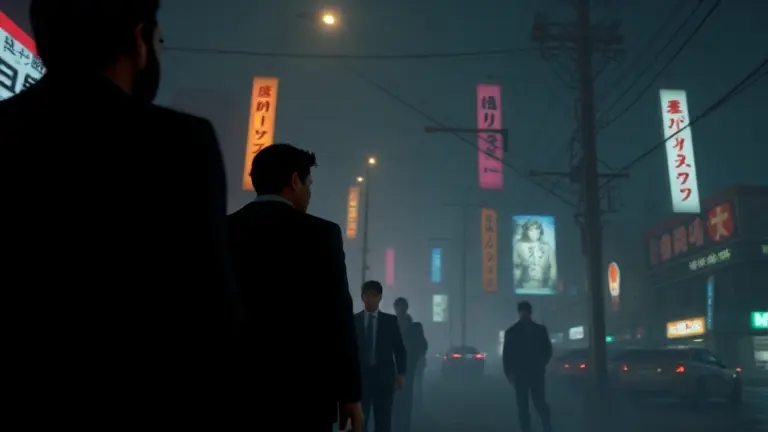
The gaming world is still reeling from the explosive ‘Xbox Presents’ showcase that officially unveiled Stranger Than Heaven. Developed by the masters of gritty narrative at RGG Studio, this upcoming title promises to be the definitive origin story of the infamous Tojo Clan. With a narrative spanning five decades, five unique Japanese cities, and the viral addition of rap icon Snoop Dogg to the cast and soundtrack, the anticipation for this Winter 2026 release has reached a fever pitch. But beneath the celebrity buzz lies a complex, era-hopping structure that demands a deep dive into the very fabric of the Yakuza universe.
For fans and lore-hunters, the challenge is clear: how do we connect the disparate threads of this 50-year saga before the game even launches? As we prepare to dissect the evolving mechanics and the historical shifts of 20th-century Japan, it becomes evident that superficial coverage will not suffice. To truly master the intricate web of criminal syndicates and legacy characters, you need to go beyond the trailers. Welcome to our comprehensive guide as we synthesize everything we know about Stranger Than Heaven and prepare you for the ultimate deep dive into the Tojo Clan’s darkest origins.
Stranger Than Heaven: Everything We Know About RGG Studio’s Latest Epic

Following a massive global reveal at the May 6, 2026, Xbox Presents showcase, RGG Studio officially pulled the curtain back on Stranger Than Heaven. Serving as the definitive origin story for the notorious Tojo Clan, this ambitious project marks a bold departure for the developers of the legendary Yakuza and Like a Dragon series. The game is confirmed for a Winter 2026 release and will be available across Xbox Series X/S, PlayStation 5, and PC (via Steam and the Microsoft Store). Perhaps most significantly for subscribers, the title is confirmed for a Day 1 launch on Xbox Game Pass, ensuring immediate accessibility for the franchise’s expansive community.
A Grand Narrative Odyssey
Stranger Than Heaven is not merely another entry in the series; it is a sprawling, high-stakes epic designed to redefine the scope of RGG Studio’s storytelling. The game spans an incredible five decades of criminal history, moving players through five distinct Japanese cities that serve as the foundation for the syndicate’s eventual rise to power. By mapping the evolution of the Tojo Clan across the 20th century, the narrative promises a deep, historical look at the underground power structures that defined the series’ modern-day conflicts.
Star-Studded Collaboration
The announcement sent social media into a frenzy not only due to the depth of the lore but also because of an unexpected creative partnership. The inclusion of hip-hop icon Snoop Dogg—who is confirmed to contribute both his likeness as a cast member and the production of the game’s official theme song—has positioned the title as a cultural crossover event. This star-studded approach, combined with the technical pedigree of RGG Studio, suggests that Stranger Than Heaven will be the most cinematic and expansive experience in the developer’s history. Fans can expect further details on the specific era-hopping mechanics in the coming months as the winter launch window approaches.
The Rise of the Tojo Clan: A Deep Dive into the Origin Story
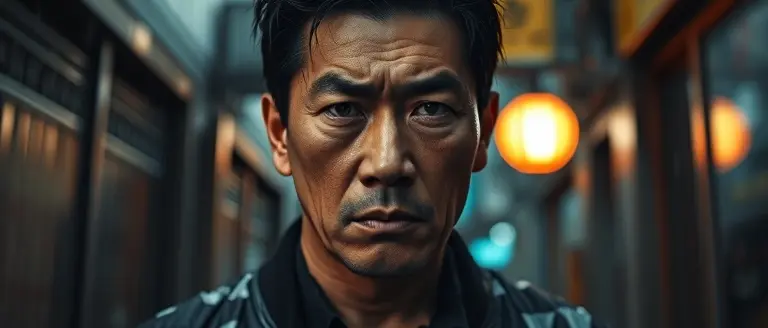
Stranger than heaven serves as the definitive prequel that long-time fans of the Like a Dragon series have been clamoring for. By shifting the narrative focus to the formative years of the Tojo Clan, Ryu Ga Gotoku Studio is finally pulling back the curtain on the organized crime syndicate that dictated the geopolitical landscape of the Kamurocho underworld for decades. This origin story is not merely a nostalgic trip; it is a structural necessity that explains the fractured power dynamics and political instability that defined the franchise’s earlier mainline entries. By setting the game across five distinct decades, the developers are providing a rare, granular look at how a fledgling group transformed into the monolithic criminal empire that Kazuma Kiryu would later fight to dismantle.
Connecting the Timeline to Modern Crime Drama
The decision to frame this title as an action-crime hybrid rooted in historical evolution offers a unique narrative advantage. Unlike the modern settings of recent games, this prequel captures the volatile atmosphere of 20th-century Japan—a period of rapid urbanization, economic flux, and social upheaval that provided the perfect breeding ground for syndicate expansion. Key narrative pillars we expect to see include:
- The Unification Process: Witnessing the violent early struggles to consolidate rival families under a single banner.
- Generational Shifts: How the code of honor and “yakuza” philosophy evolved from the post-war era through the bubble economy.
- Foundational Rivalries: Mapping the ancestors of families that later became core staples of the Tojo hierarchy.
By placing Stranger than heaven in this specific historical vacuum, RGG Studio is effectively bridging the gap between traditional Japanese noir and the series’ signature eccentric flair—a mix perfectly punctuated by the involvement of global cultural icons like Snoop Dogg. This strategic narrative choice allows the game to function as both a deep-lore exploration for the core fanbase and a stylized entry point for new players. By grounding the chaotic, decade-spanning story in the cold, hard reality of the Tojo Clan’s rise to power, the game establishes a sense of historical stakes that feels both intimate and grand in scale.
Snoop Dogg’s Unexpected Role: From Casting to the Main Theme

The announcement of Stranger Than Heaven during the Xbox Presents showcase sent shockwaves through social media, primarily due to the inclusion of hip-hop icon Snoop Dogg. While RGG Studio is celebrated for its deep commitment to Japanese cultural authenticity, this collaboration marks a bold departure. Snoop Dogg is not merely lending his likeness to the project; he is integrated into the narrative as a featured voice actor and character, while simultaneously composing the game’s main theme song. This dual involvement suggests that the studio is intentionally bridging the gap between gritty, street-level crime drama and global pop-culture appeal.
Strategic Global Expansion
The decision to feature a high-profile Western celebrity in a story centered on the Tojo Clan suggests a strategic pivot in RGG Studio’s marketing approach. By incorporating such a globally recognizable figure, the studio aims to broaden the reach of the Like a Dragon universe beyond its traditional core fanbase. This collaboration serves several tactical purposes:
- Mainstream Visibility: Leveraging Snoop Dogg’s massive reach to attract casual gamers who might otherwise overlook a dense, multi-generational crime epic.
- Cultural Fusion: Using music to set the tone for a narrative that spans five decades, effectively using the artist’s brand to symbolize the “cool” factor of the organized crime lifestyle.
- Global Positioning: signaling that Stranger Than Heaven is designed to be the studio’s most accessible title for Western audiences to date.
Early fan reception indicates that this unconventional casting choice has effectively amplified the “viral” status of the game. While long-time fans of the series are analyzing how this fits into the established lore of the Tojo Clan, the inclusion of such a major star has transformed the discourse from a niche hobbyist discussion into a mainstream cultural event. As more details emerge regarding his character’s specific role in the timeline, it is clear that RGG is looking to define the game not just as a prequel, but as an ambitious cross-media project.
Gameplay Mechanics and Fan Expectations: What the Reddit Threads Are Saying
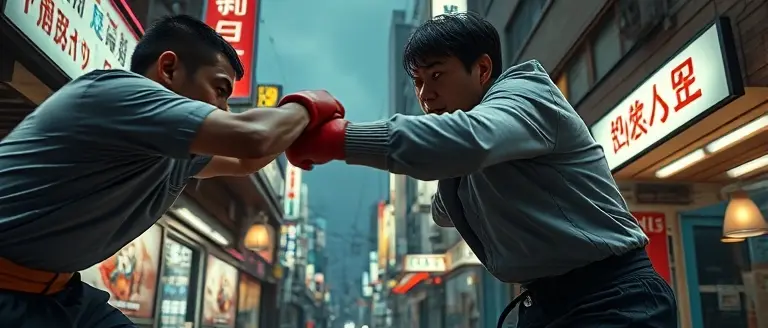
The announcement of Stranger Than Heaven has sent the RGG community into a frenzy, with dedicated subreddits like r/yakuzagames dissecting every frame of the ‘Xbox Presents’ showcase. A primary point of debate among fans involves the evolution of the combat system. While RGG Studio has successfully pivoted to turn-based mechanics in recent titles, long-time series veterans are speculating whether the historical, gritty nature of a Tojo Clan origin story warrants a return to the high-octane, real-time brawling synonymous with the early Yakuza entries. Evidence suggests that the studio is aiming for a hybrid approach, potentially integrating style-switching mechanics that reflect the combat evolution of different eras as the narrative shifts across five decades.
Community Speculation and Technical Expectations
Beyond the combat, fans are actively debating the scope of the five-city map structure. There is significant curiosity regarding how the game will balance open-world density against the logistical challenge of traversing five distinct Japanese settings. Community consensus currently highlights the following key expectations:
- Era-Specific Traversal: Users are theorizing that traversal methods will evolve alongside the technology of each decade, potentially moving from foot-based navigation in the 1970s to more modern vehicular options in later chapters.
- Activity Variety: Given the inclusion of high-profile figures like Snoop Dogg, players expect a massive expansion of the signature RGG side-activity suite, with hopes for period-accurate mini-games that define the cultural zeitgeist of each era.
- Open-World Density: There is collective anxiety regarding whether the five-city scope will result in “wide but shallow” map design or the meticulously dense, claustrophobic urban environments that fans have come to love.
While official technical details remain scarce, the sheer scale of this project suggests a departure from the single-city focus of previous Like a Dragon games. The integration of Tojo Clan lore remains the most anticipated narrative feature, with players scrutinizing every trailer cut to identify potential cameos from legacy characters during their formative, younger years. As we approach the Winter 2026 launch, the expectation is that RGG Studio will maintain the series’ trademark balance of high-stakes melodrama and eccentric, lighthearted side content.
Mastering the Underworld: A Strategy for True Lore Scholars
As we peel back the layers of these five decades of Tojo Clan history, the depth of ‘Stranger Than Heaven’ becomes clear. This isn’t just another action game; it is a sprawling, interconnected puzzle that demands a keen analytical mind to truly appreciate the genius of RGG Studio’s narrative design. Connecting the dots between the early rise of the syndicates and the modern-day legacy requires more than just casual observation—it requires a state of peak cognitive performance.
Mapping out five decades of Tojo Clan history and complex timeline mechanics is an arduous task; you will need sharp mental recall to piece these theories together, so here is how to optimize your cognitive flow for the deep dive ahead. To master the game’s lore before the winter release, you need a tool that eliminates mental fatigue and cuts through the fog of dense information. ‘The Brain Song’ serves as the ultimate cognitive accelerator, providing the mental clarity necessary to synthesize complex historical timelines into a cohesive understanding of the Yakuza universe.
By integrating this 12-minute daily audio routine into your research ritual, you turn a daunting task into a streamlined, effortless process of discovery. Whether you are tracking the rise of key lieutenants or analyzing the historical accuracy of the Japanese urban settings, sharpening your mental focus is the key to becoming a master of the canon. Do not let the complexity of the narrative overwhelm you; equip yourself with the mental edge required to conquer the Tojo Clan archives today.
 Optimize your focus for the deep-dive analysis by incorporating this 12-minute daily audio routine into your research ritual.Sharpen My Cognitive Edge Now!