
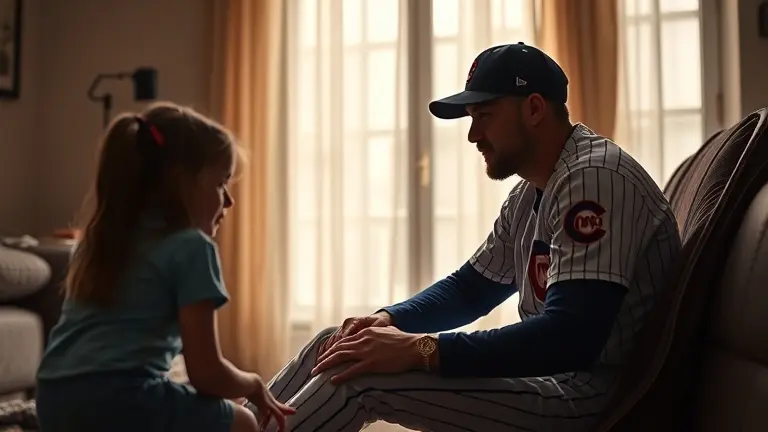
Chicago Cubs starting pitcher Matthew Boyd faces an uncertain road ahead after a shocking injury announcement rocked the MLB landscape on May 6, 2026. In what can only be described as a cruel twist of fate, the veteran hurler, who has been a pillar of the Cubs’ rotation, suffered a torn meniscus while simply playing with his children at home. Manager Craig Counsell confirmed the news, noting that the injury occurred during a routine movement—an abrupt reminder that the thin line between a successful season and a recovery timeline can vanish in a single, innocuous second.
While the sports world reacts with collective disbelief, the incident highlights a deeper, often overlooked reality of professional baseball: the relentless physical toll on players in their mid-30s. At 35 years old, Boyd’s injury raises significant questions about recovery, the history of non-game-related ‘freak’ injuries in the majors, and how the Chicago Cubs will pivot to maintain their competitive edge. As fans look to the dugout for answers, the conversation is shifting from the headline-grabbing nature of the accident to the complex reality of how elite athletes manage their physical longevity under extreme pressure.
Chicago Cubs Pitcher Matthew Boyd to Undergo Knee Surgery After Freak Home Accident
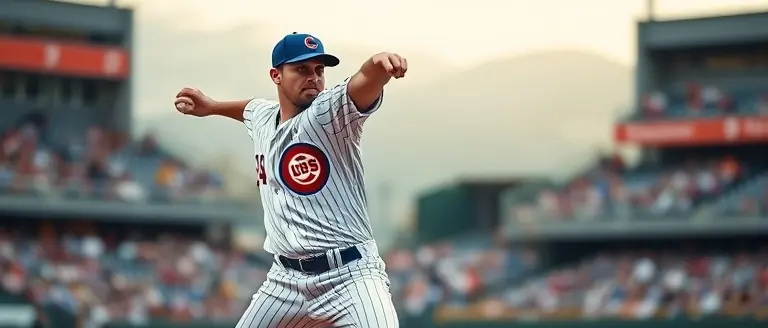
The Chicago Cubs organization and their fanbase were met with startling news on May 6, 2026, as the team confirmed that starting pitcher Matthew Boyd will undergo surgery to repair a torn meniscus. The injury, described by club leadership as a “freak accident,” occurred while the veteran pitcher was at home spending time with his children. According to official comments from Cubs manager Craig Counsell, the damage to Boyd’s knee took place during a routine movement—specifically while he was getting off the floor or sitting down to interact with his family.
Understanding the Clinical Situation
While professional athletes are accustomed to the rigors of high-intensity competition on the mound, the nature of this injury highlights the unpredictable side of life outside the ballpark. A torn meniscus is a common orthopedic injury that typically requires surgical intervention to ensure long-term joint stability and functionality. At 35 years old, Boyd faces a recovery process that the team is currently monitoring closely.
Key details regarding the medical status of the Cubs’ rotation piece include:
- Immediate Status: Matthew Boyd has been sidelined indefinitely pending the results of his upcoming surgical procedure.
- Official Confirmation: Craig Counsell addressed the media shortly after reports surfaced, confirming the injury was non-baseball related and occurred during family activities.
- Timeline Uncertainty: At this stage, the Chicago Cubs have refrained from setting a definitive return date, opting instead to wait for the surgery to be completed and for a thorough post-operative assessment by team medical staff.
The club has emphasized that the primary focus is currently on the success of the operation and Boyd’s initial recovery. The organization is expected to provide further updates on his status once he begins his rehabilitation process. For now, the Cubs must navigate the immediate tactical implications of losing a key member of their pitching staff while the sports world acknowledges the bizarre and unfortunate nature of this sudden setback.
The Human Side of a ‘Freak’ Injury

The news surrounding Matthew Boyd on May 6, 2026, has sent shockwaves through the MLB community, not merely because of the loss of a key starting pitcher, but due to the jarring ordinariness of the incident. According to Chicago Cubs manager Craig Counsell, Boyd’s season-altering torn meniscus did not occur during a high-stakes pitch or a rigorous training drill. Instead, it happened while the athlete was simply sitting down to interact with his children. This “freak injury” has sparked widespread discourse on social media platforms like Reddit, where fans are grappling with the harsh reality that even elite athletes are susceptible to the same domestic accidents as anyone else.
The Relatability of a Domestic Mishap
The viral nature of this story stems from its sheer relatability. While professional sports are often viewed through the lens of superhuman feats and intense physical conditioning, Boyd’s situation serves as a humbling reminder of human frailty. The reaction from the Cubs’ fanbase has been a mix of empathy for a player enjoying family time and collective frustration regarding the team’s outlook.
Key takeaways from the public discourse include:
- The “Freak” Factor: Fans are finding it difficult to reconcile a high-performance athlete’s injury with such a mundane activity, highlighting the unpredictability of physical health.
- Respecting Privacy: While the nature of the injury is public record, the narrative has largely remained focused on wishing Boyd a smooth recovery, emphasizing his role as a father first and a pitcher second.
- The Fragility of Depth: This incident has intensified discussions regarding the Cubs’ roster management and the need for pitching depth, as any player—regardless of status—is one “everyday movement” away from the injured list.
By highlighting the intersection of professional baseball and private life, this incident reminds us that beneath the uniform, these players lead lives where a simple moment at home can drastically change the trajectory of an entire franchise. As Boyd prepares for his upcoming surgery, the focus remains on his well-being, acknowledging that his journey back to the mound starts with the same recovery process any fan might face after a similar domestic mishap.
Impact on the 2026 Chicago Cubs Pitching Rotation
The sudden loss of Matthew Boyd presents a significant tactical challenge for the Chicago Cubs’ 2026 season. As a veteran presence in the starting rotation, Boyd had provided stability and deep-inning capability that the team relied upon to navigate the grind of the regular season. His unexpected meniscus tear—a “freak injury” sustained during routine family activities—leaves a void that cannot be filled by a single roster move. The immediate concern for manager Craig Counsell is maintaining the team’s defensive rhythm while managing a workload shift that will inevitably impact the bullpen.
Tactical Adjustments and Rotation Depth
Without Boyd on the mound, the Cubs must pivot to a “next man up” strategy that tests the depth of their organization. The coaching staff faces several immediate decisions regarding the rotation:
- Internal Rotation Shuffling: The team may opt to move a long-relief specialist into the starting five, or leverage a temporary “bullpen game” strategy to cover Boyd’s vacated innings.
- Increased Workload for Bullpen Arms: With one of their reliable starters sidelined, the relief corps will likely face higher stress, necessitating careful management to avoid further injuries.
- Prospect Promotion: This vacancy provides a window for high-upside minor league prospects to prove their worth at the MLB level, though relying on inexperienced pitchers carries its own set of risks during a playoff push.
The strategic blow is compounded by the timing of the injury. As the club evaluates its options, the focus will shift to how the remaining veteran leaders adjust their preparation. The Cubs must prioritize stabilizing the rotation to ensure they remain competitive in a crowded division, as the absence of a seasoned arm like Boyd places an immediate, heightened pressure on the rest of the staff to deliver extended, efficient performances.
What’s Next: Scouting Depth and Replacement Options
The sudden loss of Matthew Boyd to a meniscus tear leaves a significant void in the Chicago Cubs’ pitching rotation. As the front office navigates this unexpected setback, the primary focus shifts toward immediate roster flexibility and identifying internal candidates capable of stabilizing the staff. Manager Craig Counsell is now tasked with managing a workload redistribution that could test the overall depth of the Cubs’ organization.
Internal Candidates and Tactical Shifts
To mitigate the impact of Boyd’s absence, the Cubs will likely look toward their Triple-A affiliate or leverage the versatility of their existing bullpen. Potential strategies include:
- Spot Starter Promotions: High-performing prospects currently in the minor leagues may be fast-tracked to provide innings, allowing the team to evaluate young talent under pressure.
- Bullpen Games: Relying on a “bridge” strategy where high-leverage relievers cover early innings, a tactic often utilized by Counsell to protect starters and minimize exposure to opposing lineups.
- Rotation Reshuffling: Adjusting the rest cycles for the remaining rotation members to ensure primary starters are optimized, though this increases the risk of fatigue over the long term.
Evaluating Front Office Flexibility
While the long-term recovery timeline for Matthew Boyd remains fluid, the Cubs’ front office must remain vigilant regarding the trade market and waiver wire. Relying solely on internal depth is a high-stakes gamble; therefore, the club may explore veteran “stop-gap” options to eat innings and provide stability. Every decision will be measured against the financial implications and the desire to maintain a competitive trajectory through the 2026 season. Until more clarity on the surgery’s success is provided, the coaching staff will prioritize a “next man up” mentality, leaning on the team’s defensive cohesion to compensate for any temporary decline in starting pitching performance.
Navigating the Physical Toll of Professional Athletics
The sudden loss of Matthew Boyd to a meniscus tear is a sobering reminder that even the most elite athletes are not immune to the fragility of the human body. At 35, the physiological demands of a Major League season are intense, and the gap between peak performance and unexpected injury often comes down to internal resilience and metabolic efficiency. While the Cubs look toward tactical adjustments to sustain their rotation, the broader lesson here centers on the necessity of proactive physical maintenance as an athlete enters the later stages of their career.
Maintaining longevity in any physically demanding field requires more than just training; it necessitates a focus on the metabolic systems that fuel recovery and cellular repair. This is where CitrusBurn becomes an essential component for those dedicated to preserving their vitality. By optimizing your metabolic health, you provide your body with the foundational support it needs to recover faster and maintain energy levels, regardless of your age or physical stressors.
Don’t wait for a sign that your body needs extra support to keep up with your lifestyle. Whether you are an athlete or simply someone aiming to maintain peak physical resilience, understanding the science of your own metabolism is the ultimate competitive advantage.

Discover how to support your body’s recovery and metabolic health as you age by exploring the science behind CitrusBurn.