

On May 6, 2026, social media was set ablaze following a personal health update from Kyle Rittenhouse, who announced he had been hospitalized after suffering a venomous spider bite. As the news spread rapidly across platforms like X and Reddit, the discourse quickly became a complex mixture of public curiosity and intense, often polarized debate. Regardless of individual perspectives on the public figure involved, the incident serves as a visceral reminder of the unpredictable nature of biological threats we face in our everyday environments.
Beyond the online commentary, the situation highlights a genuine need for public health awareness. Whether one is navigating the outdoors in the Midwest or simply managing household safety, understanding the medical reality of venomous arachnids—and the importance of maintaining a robust, prepared immune system—is a practical priority for everyone. By stripping away the noise of the viral trend, we can focus on the essential facts of spider bite management and the proactive steps necessary to bolster our body’s natural defenses.
Understanding the Recent Reports Surrounding Kyle Rittenhouse

On May 6, 2026, Kyle Rittenhouse disclosed through his personal social media channels that he had been hospitalized following a reported venomous spider bite. This announcement triggered a rapid surge in online activity, with the term “kyle rittenhouse spider” trending across platforms such as X and Reddit. The incident quickly became a focal point for digital discourse, highlighting the speed at which personal medical updates from high-profile figures can mobilize public interest and conversation in the modern media landscape.
The reaction to the news has been multifaceted, reflecting the ongoing and highly polarized public perceptions of Rittenhouse following his 2020 legal proceedings in Kenosha. While some users sought further information regarding the medical implications of the bite, a significant portion of the social media engagement consisted of varied, often ironic, commentary. This phenomenon serves as a case study in how individual health updates can unexpectedly transform into “lightning rods” for wider sociopolitical sentiment, often overshadowing the factual, medical context of the event itself.
Medical Context and Public Interest
When a public figure reports a potential venomous bite, it often brings general medical questions into the public eye. In the Midwest, concerns regarding spiders—particularly those that may cause necrotic reactions—are common during the spring and summer months. Key considerations for such events include:
- Proper Identification: Distinguishing between common household spiders and those with medically significant venom, such as the brown recluse.
- Symptom Management: Recognizing the signs of envenomation, which may include localized pain, swelling, or systemic reactions that necessitate professional medical intervention.
- First-Aid Protocols: Understanding the immediate steps recommended by medical professionals after a suspected bite, such as cleaning the area and seeking timely clinical evaluation.
By focusing on the medical and factual aspects of the reporting, it is possible to bypass the inflammatory nature of the surrounding social discourse. Regardless of the public figure involved, the incident underscores the importance of relying on verified health information and maintaining an objective perspective when evaluating viral news trends.
Common Venomous Spiders in the United States: Identification and Risks

While the recent public discourse surrounding the Kyle Rittenhouse spider incident has brought renewed attention to arachnids, it is important to separate internet sensationalism from biological reality. In the United States, two primary groups of spiders—the Brown Recluse and the Black Widow—are medically significant due to their potent venom. Understanding how to identify these species and where they reside is the most effective strategy for injury prevention.
Identifying the Brown Recluse and Black Widow
The Brown Recluse (Loxosceles reclusa) is primarily found in the South-Central and Midwestern United States. Often identified by a signature violin-shaped marking on its cephalothorax, this spider prefers undisturbed, dark locations such as attics, basements, and woodpiles. Contrary to its fearsome reputation, the Brown Recluse is not aggressive; it typically bites only when trapped against human skin, such as when a person puts on clothing or shoes that have been left stagnant.
The Black Widow (Latrodectus), conversely, is easily recognizable by the iconic red hourglass shape on the underside of its abdomen. Females are highly venomous and are known for their messy, irregular webs found in sheltered, outdoor areas like garages, sheds, and dense vegetation.
Why Spiders Bite: Defensive Biology
It is a common myth that spiders actively hunt humans. In reality, human skin is not a target. A spider bite is almost always an accidental defensive response. When a spider feels crushed or threatened, it uses its fangs as a last resort to inject venom. To minimize risk, consider these preventative measures:
- Shake out clothing: Always inspect boots, gardening gloves, or apparel that has been sitting in storage.
- Clear debris: Reduce clutter in basements and garages to eliminate potential habitats.
- Use barriers: Seal cracks in home foundations and keep window screens in good repair.
- Professional inspection: If you suspect an infestation in your home, consult a licensed pest control professional rather than attempting DIY elimination, especially if you live in a region where these species are endemic.
By focusing on habitat management, residents can effectively mitigate the risk of accidental encounters, regardless of current social media trends or high-profile news stories.
Signs and Symptoms of a Venomous Spider Bite
When considering the recent public discourse surrounding a kyle rittenhouse spider bite incident, it is essential to distinguish between sensationalized headlines and the actual medical realities of venomous arachnid encounters. Most spider bites in the United States result in minor skin irritation, but certain species—such as the brown recluse—can cause more significant tissue reactions. Recognizing the early warning signs of a venomous bite is crucial for timely treatment and recovery.
Common Clinical Indicators
Localized reactions often manifest within the first few hours following a bite. If you suspect an encounter with a venomous spider, monitor the area for the following indicators:
- Localized Pain: A sharp, stinging sensation at the time of the bite, which may intensify over the next several hours.
- Inflammation: Noticeable swelling, redness, and heat surrounding the puncture site.
- Blistering: The development of a fluid-filled blister, which may eventually turn purple or black as the tissue reacts to the venom.
- Itching and Discomfort: Intense localized itching that persists longer than a typical insect bite.
When to Seek Emergency Medical Care
While many bites can be managed at home with cleaning and elevation, systemic symptoms indicate that the venom may be affecting the body beyond the localized site. Professional medical intervention is necessary if you observe:
- Systemic Reactions: A rapid onset of fever, chills, body aches, or nausea, which may signal a more severe immunological response.
- Necrotic Progression: If the center of the bite site begins to ulcerate or shows signs of tissue death (eschar formation), seek immediate assistance.
- Difficulty Breathing: Although rare, allergic reactions can trigger anaphylaxis, which is a life-threatening emergency requiring instant care.
Understanding these symptoms helps individuals navigate potential health scares, such as the one involving kyle rittenhouse, with an emphasis on clinical facts rather than social media speculation. Always consult a healthcare provider if you are unsure of the origin of a bite or if symptoms worsen over a 24-hour period.
First Aid and When to Seek Emergency Medical Care

Whether regarding a high-profile incident like the recent kyle rittenhouse hospitalization or a common household encounter, knowing how to manage a suspected venomous spider bite is vital. Most spider bites in the United States result in minor local reactions, but some species—such as the brown recluse—can cause significant tissue necrosis if left untreated. If you suspect you have been bitten, the initial goal is to slow the spread of venom and prevent secondary infection while monitoring for systemic symptoms.
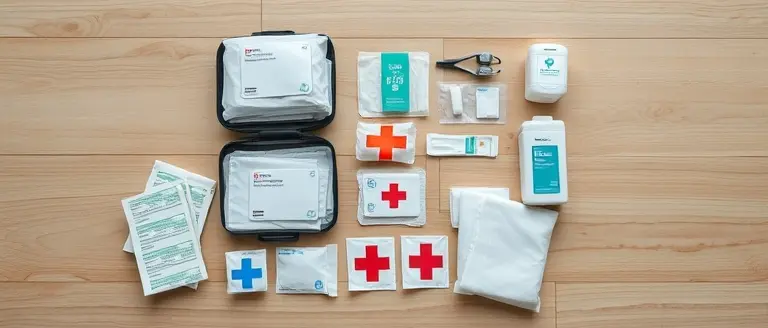
Immediate First Aid Protocols
If you believe you have been bitten, follow these evidence-based steps to manage the area:
- Clean the site: Wash the area thoroughly with mild soap and water to prevent bacteria from entering the wound.
- Apply a cold compress: Use an ice pack wrapped in a cloth for 10-minute intervals. This helps reduce local inflammation, swelling, and pain.
- Elevate the limb: If the bite occurred on an arm or leg, keep the extremity elevated to minimize edema.
- Monitor the wound: Circle the bite area with a pen to track the progression of redness or spreading rashes over the next 24 to 48 hours.
When to Seek Emergency Care
While many bites can be managed at home, certain triggers necessitate professional medical intervention. Regardless of the public discourse surrounding a kyle rittenhouse spider bite, medical professionals emphasize that specific symptoms require immediate attention at an Urgent Care or Emergency Room. Seek help immediately if you experience:
- Systemic reactions: Signs of severe allergic response, such as difficulty breathing, wheezing, or swelling of the face and throat.
- Nerve or muscle involvement: Intense cramping, radiating pain, nausea, vomiting, or fever.
- Rapid necrosis: A bite that develops a dark, blistering center or an open ulcer, which may indicate a venomous bite requiring wound care or antibiotics.
- Species identification: If you know or strongly suspect the bite came from a known venomous species found in your region, do not wait for symptoms to worsen; consult a physician or your local poison control center immediately.
Building Personal Resilience in an Unpredictable World
While the recent headlines surrounding Kyle Rittenhouse focus on a specific, reactive health incident, the broader lesson remains universal: our physical well-being is constantly tested by environmental stressors. A spider bite acts as an immediate, acute challenge, but it is our internal health and systemic integrity that determine how effectively our bodies respond to such trauma and recover thereafter. The stability of our microbiome and the regulation of our immune system are the silent guardians of our long-term health.
This is where proactive wellness becomes critical. While a venomous bite is an isolated incident, it serves as a stark reminder that our body’s resilience is largely dependent on our internal environment, particularly our microbiome. Neglecting the balance of your internal system can leave you more susceptible to systemic inflammation and diminished recovery capabilities. Maintaining a healthy microbiome is not just about digestion; it is about ensuring your body is functioning at its peak to handle whatever challenges come your way, from seasonal threats to unexpected medical setbacks.
ProDentim is uniquely positioned as a tool to support this foundational health. By focusing on microbiome balance, it provides the support your body needs to maintain a resilient internal environment, helping to reduce systemic inflammation and reinforce your natural defenses. Rather than waiting for a health crisis to prioritize your well-being, shift toward a proactive daily routine that strengthens your system from the inside out. Embrace a stronger, more balanced version of yourself today.
 Support your immune health and microbiome balance for a more resilient system every day; learn more about ProDentim here.Transform My Life Today