
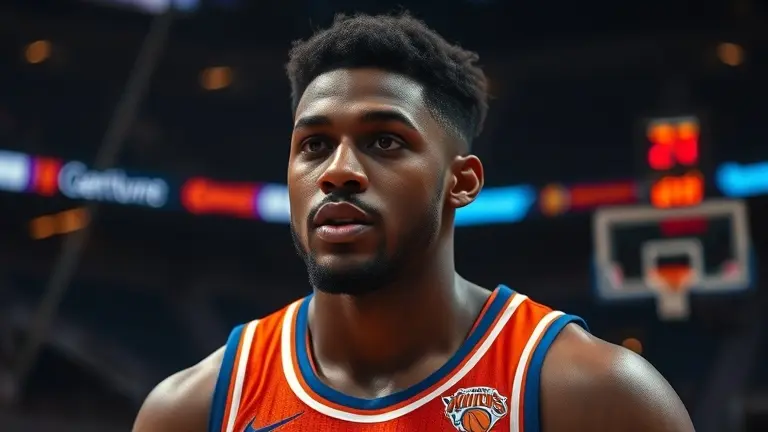
The New York Knicks find themselves facing a precarious situation at Madison Square Garden tonight, as the news broke that Mitchell Robinson has been officially ruled out for Game 2 of the Eastern Conference Semifinals against the Philadelphia 76ers. With tip-off just hours away, the atmosphere in the city is electric, yet tense. Robinson’s absence due to an unexpected illness creates a massive void in the paint, stripping the Knicks of their primary rim protector and offensive rebounding threat during the most critical juncture of their 2026 postseason campaign.
As Coach Thibodeau scrambles to adjust his rotation, the focus shifts to tactical ‘small-ball’ lineups and the Herculean task of containing Joel Embiid without the team’s defensive anchor. This sudden setback is a stark reminder of the fragile nature of playoff rosters; in the high-stakes environment of the NBA, a single health issue can dictate the flow of an entire series, leaving fans and analysts wondering how deep the team’s resilience truly runs when the physical demands of the season collide with unforeseen biological hurdles.
Mitchell Robinson Ruled Out: Game 2 Status Update
The New York Knicks have officially confirmed that center Mitchell Robinson will be unavailable for tonight’s crucial Game 2 of the Eastern Conference Semifinals against the Philadelphia 76ers. The announcement, which came just hours before the scheduled 7:00 PM ET tip-off at Madison Square Garden, cites an undisclosed illness as the primary reason for his sudden scratch from the rotation. This development is a significant blow to the Knicks’ depth, as Robinson’s rim protection and interior presence are vital components of the team’s defensive identity in a high-stakes playoff series.
Tactical Impact and Rotation Adjustments
With Robinson sidelined, the Knicks are forced to pivot their defensive strategy against Joel Embiid and the 76ers’ frontline. Head coach Tom Thibodeau must now lean heavily on alternative options to anchor the defense and secure defensive rebounds. The absence of Robinson creates a notable void in the frontcourt, likely leading to the following adjustments:
- Increased Minutes: Expect a heavier workload for other interior defenders tasked with containing Philadelphia’s primary scoring threats.
- Small-Ball Shifts: The coaching staff may experiment with smaller, more versatile lineups to counteract the 76ers’ spacing, though this risks surrendering size in the paint.
- Rebounding Pressure: Robinson is a prolific offensive and defensive rebounder; his teammates must collectively step up to prevent second-chance points for Philadelphia.
The timing of this illness is particularly difficult for a Knicks team looking to capitalize on home-court advantage. As fans monitor the situation, the focus shifts to whether Robinson can recover in time for Game 3. His availability remains day-to-day, and his return will be pivotal for New York’s defensive versatility as the series moves forward. Analysts suggest that the team’s ability to maintain physical intensity without their primary backup center will be a defining factor in tonight’s outcome.
Impact on Knicks’ Defensive Rotation and Rim Protection
The sudden absence of Mitchell Robinson for Game 2 of the Eastern Conference Semifinals creates a significant void in the New York Knicks’ interior defense. As a primary rim protector, Robinson provides the team with defensive versatility that is difficult to replicate. Without his length and shot-blocking instincts in the paint, the Knicks are forced to rely heavily on secondary defenders to challenge drives and contest shots at the rim. His ability to neutralize high-percentage opportunities is a cornerstone of the team’s defensive identity, and his exclusion necessitates an immediate tactical shift for the coaching staff.
Adjusting to the Philadelphia Threat
Dealing with Joel Embiid and the physical playstyle of the Philadelphia 76ers becomes exponentially more complex when Robinson is unavailable. The Knicks must now balance their defensive rotation to prevent the Sixers from dominating the paint. To mitigate the loss of their defensive anchor, the team likely faces the following adjustments:
- Increased Reliance on Small-Ball: The rotation may shift toward a smaller, more mobile lineup, prioritizing perimeter speed at the risk of losing interior physicality.
- Aggressive Help Defense: Without a primary rim protector, the Knicks must rotate faster to provide “blind-side” help, forcing perimeter shooters to beat them from deep.
- Collective Rebounding Efforts: Robinson’s absence leaves a massive gap in defensive rebounding; the entire team must prioritize gang-rebounding to limit Philadelphia’s second-chance opportunities.
The reliance on these adjustments highlights how vital Robinson’s role is to the overall defensive architecture of the Knicks. While the team possesses the depth to survive the rotation shuffle, the margin for error against a high-caliber opponent like Philadelphia shrinks significantly. Monitoring his recovery remains a priority, as the Knicks require his specific defensive skill set to effectively counter the size and scoring prowess inherent in the 76ers’ starting lineup.
Tactical Adjustments: How the Knicks Compensate for Depth

The absence of Mitchell Robinson for Game 2 against the Philadelphia 76ers forces head coach Tom Thibodeau to overhaul the New York Knicks’ defensive identity and frontcourt rotation on short notice. Robinson serves as a critical anchor for rim protection and rebounding, and his sudden unavailability due to illness necessitates a shift toward more flexible, high-energy lineups. Without his traditional rim-defending presence, the team must rely on a collective effort to neutralize the interior threat posed by Joel Embiid.
Strategic Rotations and Defensive Shifts
To mitigate the loss of such a pivotal rotation player, the Knicks are likely to deploy several tactical adjustments:
- Expanded Small-Ball Roles: The coaching staff may lean heavily into wing-heavy lineups, emphasizing speed and perimeter shooting to force the 76ers to defend in space, theoretically offsetting the rebounding deficit through pure offensive efficiency.
- Aggressive Help-Side Defense: In the absence of a true defensive anchor in the middle, the Knicks will likely employ a “pack-the-paint” strategy. This involves collapsing on Embiid as soon as he touches the ball, relying on wings and guards to dig down and rotate quickly to the perimeter shooters.
- Increased Minutes for Frontcourt Depth: Reserve centers will be thrust into high-leverage situations. Increased playing time for backup options requires heightened discipline to avoid foul trouble, as the defensive margin for error shrinks significantly without Robinson’s shot-blocking expertise.
These adjustments are not merely reactionary; they represent a fundamental pivot in the team’s postseason chess match. By shifting the focus from individual defensive isolation to a collaborative, multi-layered defensive scheme, the Knicks aim to maintain structural integrity. The challenge lies in sustaining this high-intensity defensive coverage throughout 48 minutes while keeping the offense fluid enough to challenge a stout Philadelphia defense. As the NBA playoffs progress, the ability to adapt to sudden roster voids remains a definitive indicator of a championship-caliber rotation.
Looking Ahead: Monitoring Availability for Game 3

As the New York Knicks shift their focus toward Game 3, the status of Mitchell Robinson remains a critical point of concern for the coaching staff and fanbase alike. While an illness can be unpredictable, the team’s medical staff will likely require Robinson to participate in a full-contact practice session before he is cleared for the high-intensity environment of playoff basketball. Recovery timelines for systemic illnesses vary significantly; however, the primary objective is ensuring that his respiratory health and energy levels are fully restored to manage the physical demands of defending elite big men like Joel Embiid.
Key Factors for Return-to-Play
To evaluate his readiness for the upcoming clash, the organization will monitor several physiological markers:
- Symptom Resolution: Complete absence of fever and fatigue during light cardiovascular activity.
- Conditioning Assessment: A supervised workout to ensure his stamina can withstand the rotations required in a playoff-caliber defensive scheme.
- Medical Clearance: Official evaluation by team doctors to mitigate the risk of a relapse during the grueling Eastern Conference Semifinals.
The absence of Robinson forces the Knicks into precarious tactical adjustments, specifically regarding rim protection and rebounding. If he remains sidelined, the team must continue to rely on a ‘small-ball’ approach, which places immense pressure on secondary defenders to rotate quickly and contest shots. Fans should stay tuned to official team injury reports and pre-game media availabilities as the series progresses. Given the fast-paced nature of the 2026 NBA postseason, Robinson’s return would provide a necessary boost to the Knicks’ depth, allowing them to better manage fouls and maintain defensive pressure against the Philadelphia 76ers. Until an official update is issued, the rotation will prioritize players capable of maintaining high-energy perimeter and interior coverage.
Securing Your Body for the Long Haul
As the Knicks adjust their defensive schemes to compensate for Robinson’s absence, we are reminded that in elite sports, maintaining peak physical consistency is as much about proactive immune support as it is about on-court strategy. The ripple effects of a minor illness can derail months of championship preparation, underscoring the vulnerability of high-performance athletes when their internal defenses are compromised during the grueling playoff grind.
Bridging the gap between athletic performance and systemic health, ProDentim offers a science-backed solution that addresses the vital link between oral microbiome health and overall immune resilience. By fortifying the body’s primary line of defense—the oral and respiratory microbiome—you ensure that your health remains as sturdy as an elite rotation, protecting your stamina against the common stressors that threaten to sideline even the most prepared individuals.
Integrating this proactive approach is the natural next step for anyone committed to maintaining consistency, whether you are managing the rigors of a professional season or simply striving for peak personal health. Don’t leave your resilience to chance; strengthen your internal defense and ensure you are ready for whatever challenges come your way.
 Discover how to fortify your immune defense against the common stressors of the season at the link below.Fortify My Immune Defense Now!