
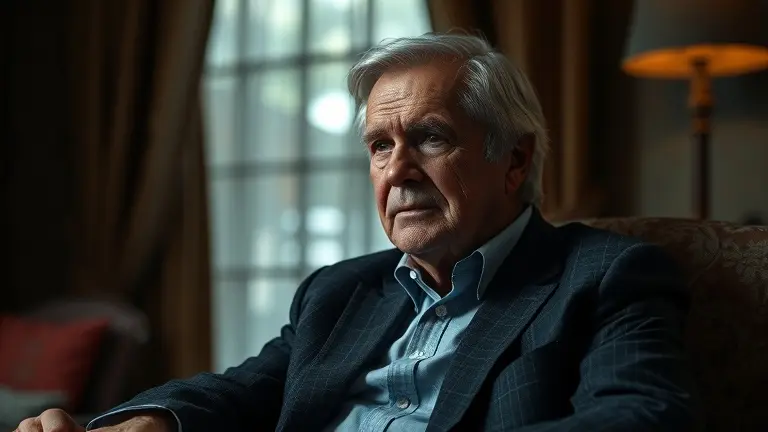
The media landscape changed forever on May 6, 2026, when news broke that legendary mogul Ted Turner had passed away at age 87 at his Florida home. Best known as the visionary founder of CNN, Turner’s influence on the 24-hour news cycle transformed how the world consumes information. Beyond his empire-building and high-profile marriage to Jane Fonda, Turner’s life was a testament to the power of disruption—an ethos that defined his career as much as his often turbulent public persona.
While the world mourns the loss of a titan, we are also reminded of the private battles that shaped his final years. Having lived with Lewy body dementia since his 2018 diagnosis, Turner’s willingness to share his struggle provided a rare, humanizing look at the realities of neurodegenerative decline. As we examine his enduring legacy, we find not just a story of cable television disruption, but a poignant reminder of the importance of cognitive vitality and the fragility of the human mind.
Media Visionary Ted Turner Dies at 87: A Legacy of Innovation
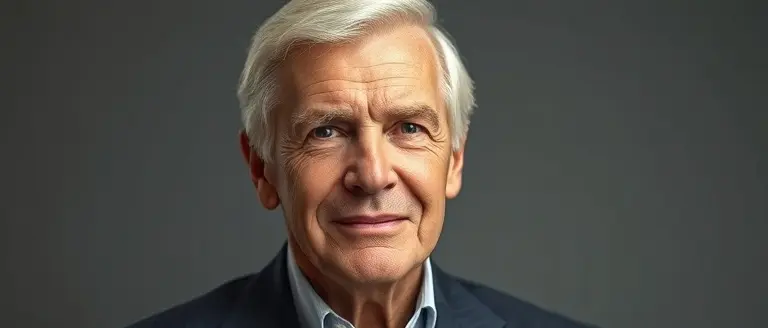
The landscape of American media shifted irrevocably on May 6, 2026, with the passing of Ted Turner, the pioneering mogul who fundamentally altered how the world consumes information. Turner, aged 87, died at his residence near Tallahassee, Florida, as confirmed in an official statement released by Turner Enterprises. His passing marks the conclusion of a transformative era in broadcasting, as the industry reflects on the loss of a man whose influence spanned the birth of cable television to the rise of global news saturation.
Turner had been living with Lewy body dementia, a diagnosis he courageously shared with the public in 2018. While reports regarding Ted Turner’s death have saddened his colleagues and fans alike, they also serve as a prompt to revisit the sheer scale of his contributions. Beyond his reputation as a “maverick,” Turner was the architect behind the 24-hour news cycle, establishing CNN in 1980—a move many industry insiders initially deemed impossible. His business portfolio, which included TBS and TNT, redefined the entertainment sector and solidified his status as a titan of industry.
A Complex Professional and Personal Legacy
Throughout his life, Turner’s high-profile activities often made headlines, including his widely publicized marriage to actress and activist Jane Fonda between 1991 and 2001. While the public often focused on his celebrity lifestyle and his significant net worth, those closer to his professional orbit prioritize his role as a disruptor who challenged the major broadcast networks. Key pillars of his enduring influence include:
- The 24-Hour News Model: Founding CNN changed journalism from a scheduled broadcast event into a continuous, real-time stream of global intelligence.
- Cable Television Expansion: His early bets on satellite distribution allowed TBS and TNT to become household staples, effectively creating the blueprint for modern cable dominance.
- Philanthropy and Conservation: Later in his life, Turner shifted his focus toward massive land conservation efforts and international environmental advocacy, illustrating a commitment to planetary health that defined his post-executive years.
As we process the Ted Turner cause of death, it is clear that his absence leaves a void in both the media boardroom and the environmental activist community. His legacy remains cemented not just in the corporate empires he built, but in the permanent transformation of the global news landscape.
The Cable Revolution: How Turner Changed Television Forever

Long before the era of streaming and decentralized digital content, Ted Turner fundamentally dismantled the traditional broadcast model, forever altering how the world consumes information and entertainment. His first major breakthrough came with the creation of the “Superstation,” transforming his local Atlanta-based independent station, WTCG (later WTBS), into a national powerhouse by utilizing satellite distribution. By beaming programming directly to cable operators across the United States, Turner bypassed the restrictive barriers of network affiliation, effectively inventing the blueprint for the modern cable television ecosystem.
Pioneering the 24-Hour News Cycle
In 1980, Turner launched the Cable News Network (CNN), an audacious project that many industry experts originally dismissed as a “chicken noodle network.” However, Turner understood that the public appetite for immediate, global news coverage could not be sated by standard evening broadcasts. CNN became the first 24-hour news network, a move that shifted the media landscape from periodic updates to a perpetual news cycle. This innovation cemented his legacy as a media mogul who prioritized real-time accessibility. Key milestones in his disruption of the industry included:
- The Superstation Model: Leveraging satellite technology to syndicate programming nationally, which created a template for widespread cable adoption.
- MGM Acquisition: Purchasing the massive MGM film library in 1986, which provided the foundational content library for his burgeoning cable networks, including TNT and TCM.
- Vertical Integration: Controlling both the distribution channels and the content libraries, which allowed him to dictate terms in an era dominated by legacy networks.
While his later years were marked by his personal challenges, including his publicized battle with Lewy body dementia and his high-profile marriage to Jane Fonda, his professional impact remains the defining pillar of his biography. Turner’s ability to predict the migration of audiences from broadcast to cable foreshadowed the fragmented, on-demand nature of today’s digital media, proving that his influence reached far beyond the limitations of 20th-century television.
A Life Beyond the Screen: Complexity, Philanthropy, and Jane Fonda

While the Ted Turner net worth and his disruption of the media landscape defined his professional stature, his personal life was marked by an equally intense, often unconventional spirit. Perhaps the most high-profile chapter of his private life was his decade-long marriage to Jane Fonda. Between 1991 and 2001, the couple functioned as a cultural power pair, blending Hollywood royalty with the cutthroat world of cable television. Even after their divorce, Fonda remained a consistent presence in his life, often speaking of their mutual respect and shared interests in social activism. This relationship underscored a vulnerability rarely seen in the “mouth of the South,” providing a counter-narrative to his public image as a combative, take-no-prisoners media titan.
A Legacy of Conservation and Altruism
Beyond the boardroom, Turner was driven by a restless competitive nature that saw him excel as an America’s Cup-winning sailor. However, his later years were increasingly dedicated to global stewardship. His philanthropy was as audacious as his business ventures:
- The UN Pledge: Turner famously committed $1 billion to the United Nations, a move that fundamentally shifted expectations for modern billionaire philanthropy.
- Land Stewardship: As one of the largest private landowners in the United States, he spearheaded massive conservation efforts, specifically focusing on the restoration of the American bison population.
- Environmental Advocacy: His focus on sustainability often preceded mainstream trends, reflecting a deep-seated belief that his vast resources should be directed toward planetary preservation.
Even as he navigated the challenges of his later life, including the diagnosis that led to his Ted Turner cause of death, his commitment to these philanthropic goals never waned. His story is one of profound contradiction—a man who revolutionized the 24-hour news cycle while simultaneously seeking solace in the vast, quiet landscapes he worked so tirelessly to protect. His life remains a testament to the idea that true impact is measured not just by the companies one builds, but by the legacy one leaves for the environment and the public good.
The Enduring Impact of Turner on Modern Media Consumption

The media landscape of 2026, defined by hyper-fragmented streaming services and decentralized digital news, finds its true origin in the “maverick” ambition of Ted Turner. By pioneering the 24-hour news cycle through the launch of CNN in 1980, Turner effectively dismantled the limited, scheduled broadcast model that dominated the 20th century. His strategy of utilizing satellite distribution to turn a local station into a global powerhouse provided the foundational blueprint for modern content delivery. While contemporary platforms rely on algorithms to curate personalized feeds, they are built upon the technological and commercial infrastructure Turner established when he championed cable syndication, TBS, and TNT.
From Cable Pioneers to Digital Architects
Turner’s influence extends far beyond the traditional cable bundle. His foresight in acquiring massive content libraries—such as the MGM film archives—demonstrated the essential value of intellectual property in an on-demand environment. Today’s streaming giants operate on the very principles Turner pioneered decades ago:
- Content Saturation: The transition from limited broadcast hours to “always-on” programming normalized the appetite for constant, high-volume news and entertainment.
- Global Reach: By proving that satellite technology could bridge international gaps, Turner set the stage for today’s borderless digital media consumption.
- Vertical Integration: Turner’s ability to control both the production of content and the channels of distribution served as an early prototype for modern media conglomerates.
Even as the industry pivots away from traditional linear cable, the infrastructure of the current information ecosystem remains deeply indebted to the risks Turner took. His career reminds us that the “on-demand” culture we inhabit was not an inevitability but a deliberate disruption. While the ted turner net worth often captured headlines during his business peak, his true legacy is the shift from passive viewership to a participatory, round-the-clock engagement model that defines the current digital age. His impact remains a fundamental pillar in how we consume information and entertainment in the modern era.
A Legacy of Vision and the Vitality of the Mind
Ted Turner’s life was defined by a relentless drive to disrupt the status quo, from the birth of the 24-hour news cycle to his massive efforts in environmental conservation. Yet, perhaps his most courageous final act was his transparency regarding his diagnosis of Lewy body dementia. By bringing this complex condition into the public eye, Turner reminded us that even the most formidable minds remain susceptible to the fragility of neurological health.
As we reflect on his monumental impact, it serves as a sobering reminder to prioritize our own cognitive resilience. Turner’s later years highlight that protecting one’s mental clarity is as essential as any professional achievement. This is where a proactive approach to brain health becomes paramount, ensuring that we maintain our focus and sharpness as we navigate the journey of aging.
The Brain Song provides a unique, science-backed auditory method designed to support cognitive longevity and mental endurance. By integrating this 12-minute daily routine, you can take a proactive step toward maintaining the mental acuity that allows you to pursue your own legacy with vigor. Don’t wait to prioritize the health of your most vital asset; start building your cognitive resilience today.
 Support your own cognitive longevity with The Brain Song’s 12-minute daily audio routine.Protect My Cognitive Health Today