

In 2016, the arrival of Auston Matthews was supposed to usher in a golden era of hockey excellence in Toronto. A decade later, the franchise finds itself in a state of jarring paradox: celebrating the windfall of the 2026 NHL Draft Lottery while simultaneously confronting the chilling reality that their captain’s future in blue and white may be nearing its end. As reports mount regarding Matthews’ deep-seated uncertainty, the narrative has shifted from championship expectations to a high-stakes standoff with the front office—specifically triggered by the polarizing appointment of John Chayka.
This isn’t just another trade rumor cycle; it is a fundamental clash of philosophies. With two years remaining on his contract, the organization’s aggressive pivot toward a new analytical model has left its brightest star feeling marginalized and misaligned. As the Leafs prepare to welcome a generational talent with the No. 1 overall pick, they must answer the burning question: Is this the move that reinvigorates their captain, or the final straw that forces him to walk away from the only home he has ever known?
The Toronto Paradox: A Historic Lottery Win Amidst Captaincy Uncertainty

In a cruel twist of irony that defines the modern era of the Toronto Maple Leafs, the franchise finds itself at a historic crossroads. Securing the No. 1 overall pick in the 2026 NHL Draft should have triggered a celebration of a new championship window; instead, the triumph is eclipsed by the deepening uncertainty surrounding Auston Matthews. As the face of the franchise approaches his 29th birthday, the narrative has shifted from celebrating a lottery miracle to questioning whether the superstar captain will even report for the 2026-27 season. With two years remaining on his current contract, Matthews is reportedly seeking more than just a roster upgrade; he is demanding absolute clarity regarding the long-term vision of an organization that appears to be pulling in conflicting directions.
The Catalyst: Philosophical Frictions and the Chayka Era
The primary source of this tension is widely attributed to the recent hiring of John Chayka within the front office. While the organization views the move as a data-driven strategic pivot, reports suggest a disconnect between the veteran core and the front office’s new methodology. For a player of Matthews’ stature—having carried the offensive burden of the team for a decade—the hiring has served as a catalyst for his public silence. Industry experts note that the friction stems from:
- Strategic Divergence: Disagreements regarding the team’s core personnel usage versus the aggressive analytics-first approach championed by Chayka.
- Organizational Direction: Matthews is reportedly wary of a potential “soft rebuild” that could waste his final years of elite, prime production.
- Leverage Dynamics: With his contract timeline nearing a critical inflection point, Matthews is utilizing his current leverage to force transparency, signaling that “all options are on the table” regarding his future in Toronto.
This paradox leaves the Maple Leafs in a precarious position. The addition of a generational prospect like Gavin McKenna might provide the necessary firepower to appease the roster, but if the leadership philosophy remains at odds with its captain, the lottery win could inadvertently hasten the most significant departure in franchise history. Whether the organization can align its strategic trajectory with its star player’s championship window remains the defining question of the 2026 offseason.
Clash of Philosophies: The Chayka Factor and the Veteran Core
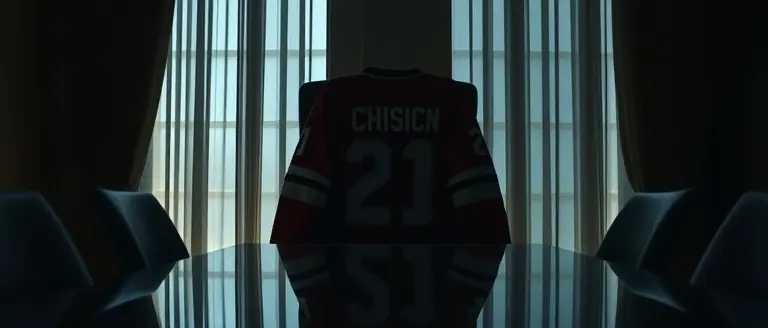
The current uncertainty surrounding Auston Matthews is rooted in a profound ideological divide within the Toronto Maple Leafs organization. At the heart of this friction is the recent hiring of John Chayka, whose reputation for radical, data-driven front-office management stands in stark contrast to the traditional, player-centric culture cultivated by the team’s veteran core. For a captain like Matthews, who is entering his prime at age 29, the implementation of a hyper-analytical philosophy has created a perceived disconnect between the front office’s long-term projection models and the immediate, win-now reality of his personal championship window.
Strategic Disalignment and Leadership Friction
The tension stems from how individual performance is weighed against rigid, algorithmic efficiency. Sources indicate that Matthews and several key veterans are skeptical of a top-down management style that potentially undermines the intuitive leadership required during the intensity of a playoff series. This friction manifests in several critical areas:
- Philosophical Rigidity: Concerns that Chayka’s reliance on data sets may overlook the “intangibles” and veteran-driven cohesion that defined the previous locker room culture.
- Operational Control: A shift in authority that leaves stars feeling like assets to be managed rather than partners in building a championship legacy.
- Strategic Direction: Matthews is reportedly seeking clarity on whether the organization prioritizes a high-ceiling prospect-driven build—bolstered by the 2026 NHL Draft—or a consolidated effort to optimize the current core for a final run.
Ultimately, the friction suggests that Matthews is evaluating whether his personal goals still align with the organization’s evolving internal infrastructure. As the Maple Leafs stand at a crossroads, the need for a unified vision has never been more urgent. Whether the team can reconcile these disparate approaches will likely determine if the franchise enters a new era of stability or prepares for a landmark roster overhaul.
The Gavin McKenna Effect: Can a #1 Pick Heal the Rift?

The arrival of the 2026 No. 1 overall pick—widely projected to be the electrifying Gavin McKenna—has introduced a complex variable into the Auston Matthews tenure with the Toronto Maple Leafs. From a front-office perspective, the selection is intended to be a cornerstone move, providing the franchise with a cost-controlled, generational talent. However, the strategic value of this pick serves as a double-edged sword. Supporters of the “appeasement theory” argue that injecting immediate high-end skill into the lineup demonstrates the organization’s commitment to winning now, potentially convincing Matthews that the Maple Leafs’ window remains wide open despite the controversial hiring of John Chayka. By surrounding the captain with elite young playmaking, Toronto hopes to signal that they are building a contender, not a rebuild.
Conversely, the “hastening theory” suggests that a youth-centric pivot could inadvertently alienate the veteran core. If Matthews perceives the drafting of McKenna as the first step in a multi-year roster overhaul necessitated by the front office’s new philosophical direction, he may view his own career timeline as incompatible with the team’s needs. At age 29, Matthews is squarely in his prime and requires immediate, proven support rather than developmental potential.
The strategic friction centers on two conflicting visions for the franchise’s future:
- The Contender Model: Leveraging the #1 pick as a marquee piece to bolster a championship-caliber roster, utilizing McKenna’s ELC (Entry-Level Contract) to maximize salary cap efficiency.
- The Strategic Rebuild: The concern that the organization is shifting toward a long-term developmental cycle under Chayka, which may not align with the personal competitive ambitions of a player nearing his 30s.
Ultimately, whether the Gavin McKenna effect serves as a bridge or a wedge depends on internal transparency. If Matthews feels the team’s direction is being dictated by analytical experiments rather than proven success, the presence of a top-tier prospect may do little to resolve the current impasse. Toronto finds itself at a defining crossroads where the management of this rookie asset will dictate whether the captain remains the face of the future or becomes the centerpiece of a historic trade blockbuster.
Strategic Leverage: Decoding the Contract Timeline and Trade Rumors

With two years remaining on his current deal, Auston Matthews occupies a position of significant strategic leverage. While media outlets have amplified the uncertainty surrounding his tenure in Toronto, the reality of the contract timeline suggests a calculated power struggle between the franchise captain and the front office. At age 29, Matthews is entering the most critical window of his professional career. By signaling potential dissatisfaction with the hiring of John Chayka, he is not merely venting—he is proactively testing the organization’s commitment to a winning philosophy. If the front office cannot align its operational strategy with his championship expectations, Matthews possesses the leverage to decline an extension, effectively forcing the Maple Leafs to choose between a blockbuster trade or a high-risk gamble on his remaining tenure.
Evaluating Tactical Options
For the Toronto Maple Leafs, the acquisition of the No. 1 overall pick in the 2026 NHL Draft provides a unique buffer, but it also creates a complex set of trade-offs:
- The “Re-tool” Strategy: Using the top pick to immediately inject elite, cost-controlled talent into the lineup could appease Matthews, signaling that the franchise is committed to winning now rather than entering a rebuild.
- Asset Protection: If management concludes that internal friction with the Chayka era is irreconcilable, trading Matthews before his contract enters its final year prevents the “UFA walk-away” scenario, ensuring the team secures a massive haul of prospects and picks.
- The Leverage Gap: Matthews controls the narrative by maintaining silence regarding his long-term plans. This creates a “wait-and-see” environment that handicaps the front office’s ability to sell a definitive vision to fans and sponsors alike.
Ultimately, the dynamic has shifted from a simple contract dispute to a fundamental clash of organizational direction. Evidence suggests that the Maple Leafs are attempting to transition into a data-driven model under Chayka, a shift that appears to conflict with the veteran core’s expectations. Whether the front office treats Matthews as a cornerstone to build around or a movable asset will define the franchise’s trajectory for the next decade. As the calendar approaches the new season, all eyes remain on whether the team can reconcile these internal pressures or if this era of Maple Leafs hockey is destined for a premature end.
Decoding the Complexity of the Modern NHL
The situation in Toronto represents more than a simple contract dispute; it is a masterclass in organizational tension and high-stakes strategy. As the front office attempts to force a philosophical evolution, the veteran core remains caught in the crossfire of conflicting data and culture. Navigating this web of trade rumors, draft assets, and internal power dynamics requires a level of mental acuity that few possess. The noise surrounding the Maple Leafs is deafening, and without a sharp, analytical mindset, even the most dedicated fans can lose sight of the long-term leverage at play.
Just as the Toronto front office requires razor-sharp precision to navigate this franchise-altering crossroads, you need similar cognitive clarity to parse through the conflicting reports and media noise. Understanding the intersection of roster construction and organizational politics is a challenge that demands peak mental performance. This is precisely why we recommend The Brain Song—a neuroscience-backed tool designed to clear the mental fog and provide the focus necessary for high-level analytical thinking.
By integrating this tool into your routine, you gain the clarity needed to dissect complex scenarios like the Matthews saga with ease. Whether you are tracking the implications of the No. 1 pick or analyzing the ripple effects of the Chayka hiring, maintaining a sharpened cognitive edge is your greatest advantage. Stop letting the speculation overwhelm you and start evaluating the facts with the precision of a professional scout.
 Optimize your analytical edge and stay sharp through this summer’s trade speculation with The Brain Song.Sharpen My Focus Now!