

The global travel community is currently focused on the unfolding situation aboard the expedition vessel MV Hondius, where a suspected hantavirus outbreak has resulted in tragic loss of life and a tense medical standby. As the ship navigates toward a potential port of call in Spain for urgent health inspections, alarmist headlines have flooded social media, often inflating mortality statistics and spreading confusion about how such pathogens behave in confined maritime environments. It is vital to separate sensationalist speculation from the clinical reality: understanding the specific nature of this event is essential for passengers and the public alike to maintain perspective while health authorities continue their investigation.
While this situation remains an evolving concern, it is a stark reminder of the complexities involved in maintaining health safety in remote, isolated travel settings. By breaking down the difference between common cruise illnesses—such as norovirus—and the transmission mechanics of this rare hantavirus event, we can move away from panic and toward informed, evidence-based safety. This guide serves to provide clarity on the current status of the MV Hondius and explores proactive measures for those who prioritize their health and well-being when navigating shared, recirculated air environments during their future travels.
Update: Current Status of the MV Hondius and Health Investigations
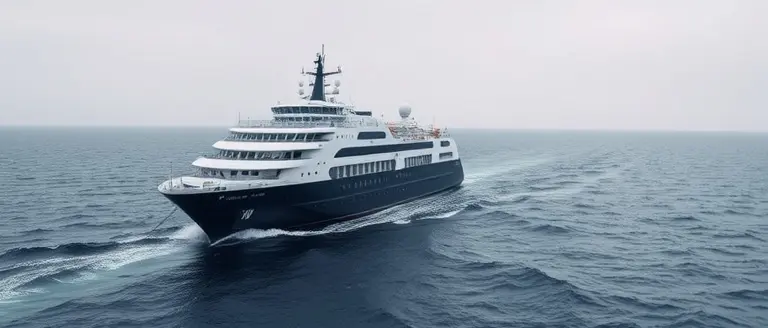
As of May 5, 2026, the MV Hondius remains the subject of an intense international health investigation following a suspected outbreak of hantavirus among its 150 passengers. The vessel, which had been navigating remote Atlantic regions including stops at Tristan da Cunha, signaled for emergency medical support after reports emerged of several illnesses and three confirmed deaths on board. Global health authorities, including the World Health Organization (WHO), are currently evaluating the cluster of cases to determine the specific viral strain and assess the transmission dynamics, which remain the primary focus of ongoing epidemiological scrutiny.
Timeline and Port Status
The cruise industry is closely monitoring the situation as the vessel seeks a secure port of call. Spanish authorities are currently in high-level discussions regarding the ship’s arrival, stipulating that any docking request is strictly contingent upon rigorous health inspections and pre-arrival containment protocols. The primary goal is to ensure the safety of both the passengers remaining on the ship and the general public at the landing site. To maintain clarity during this developing situation, consider the following confirmed facts:
- Current Status: The vessel is currently in transit to a designated port, pending final clearance from health officials.
- Health Monitoring: Medical teams are on-site or in direct communication with the vessel to manage the health of all 150 passengers and crew members.
- Transmission Concerns: While public discourse has been heightened, the WHO is actively investigating if this specific strain presents a unique profile regarding human-to-human transmission, as hantavirus is typically transmitted through contact with rodent waste rather than respiratory droplets.
It is important for travelers to differentiate between this isolated, rare event and common cruise illnesses like norovirus. While online forums have circulated unverified mortality statistics, health organizations advise against alarmism, noting that the unique route of this expedition cruise may have exposed passengers to environmental factors not found on standard commercial voyages. As official data is released, authorities will provide guidance on whether further safety measures for maritime travel are required.
Understanding Hantavirus: Transmission, Symptoms, and Clinical Reality

Hantaviruses are a family of viruses primarily transmitted to humans through contact with the urine, feces, or saliva of infected rodents. Unlike common cruise illnesses such as norovirus—which spreads rapidly through contaminated surfaces and food—hantavirus is rarely associated with maritime travel. The current situation involving the MV Hondius is subject to intense epidemiological study by the World Health Organization (WHO) precisely because the traditional environmental transmission pathway for this virus is absent in a modern shipboard setting. Experts are investigating whether this specific strain, discovered during the ship’s remote Atlantic expedition, possesses unique biological characteristics or if environmental exposures occurred prior to departure.
Clinical Symptoms and Transmission Risks
The clinical presentation of hantavirus often begins with flu-like symptoms that can progress rapidly. Medical professionals monitor for the following indicators:
- High fever and intense muscle aches, particularly in the thighs and back.
- Fatigue and dizziness.
- Shortness of breath, which is a hallmark of the more severe respiratory forms of the virus.
Because human-to-human transmission is historically considered highly uncommon for hantaviruses, the scientific community is exercising extreme caution. Current investigations are focused on whether this strain has mutated or if specialized conditions on the vessel facilitated an anomalous spread. It is essential for the public to distinguish between standard respiratory viruses and the specific clinical profile of this event. Health authorities emphasize that while the cruise virus situation has caused international alarm, the immediate risk is localized to the passengers and crew currently under medical quarantine. Until conclusive data from the WHO is released, the medical community maintains that standard infection control measures remain the gold-standard for managing such rare biological events on board.
Standard Cruise Ship Medical Protocols and Outbreak Management
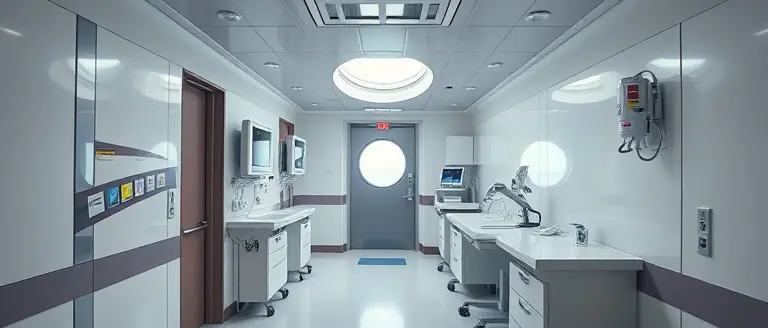
Modern cruises operate under stringent medical oversight designed to manage health crises in isolated environments. Every major vessel is equipped with an onboard infirmary that functions similarly to a small-scale hospital, staffed by licensed physicians and nurses trained in advanced life support. When a suspected infectious disease—such as the recent cruise virus reported on the ‘MV Hondius’—is identified, the ship’s medical team immediately triggers established containment protocols to prevent widespread transmission. These protocols are part of a broader surveillance framework required for maritime travel, ensuring that even remote expedition ships maintain high safety standards.
Core Outbreak Response Procedures
When an illness is detected, cruise lines follow a tiered response strategy to protect passenger safety:
- Isolation and Quarantine: Affected individuals and their close contacts are moved to designated medical isolation cabins. This physical barrier is critical for limiting the exposure of other passengers and crew.
- Enhanced Surveillance: Medical staff implement daily health screenings across the vessel, including temperature checks and symptom monitoring, to identify potential secondary cases rapidly.
- International Coordination: Cruise lines maintain 24/7 lines of communication with maritime health authorities and organizations like the World Health Organization (WHO). This real-time data sharing allows for medical guidance, testing support, and the coordination of safe port arrivals.
- Sanitation Protocols: Vessels utilize medical-grade disinfection routines that go beyond standard housekeeping, focusing on high-touch surfaces and HVAC system filtration to mitigate airborne or surface-based transmission risks.
These systems are designed to bridge the gap between shipboard care and the specialized medical infrastructure available on land. While occurrences like the rare hantavirus outbreak necessitate intense scrutiny and international cooperation, the maritime industry’s reliance on these rigorous protocols remains the primary defense in managing health risks effectively. By prioritizing transparency and early intervention, cruise operators work to minimize the impact of infectious threats while coordinating closely with local governments for safe disembarkation and ongoing clinical evaluation.
Travel Safety: How to Stay Informed and Prepared for Future Cruises

Recent concerns regarding the MV Hondius and the emergence of a rare hantavirus outbreak highlight the necessity for travelers to remain proactive rather than reactive when planning cruises. While incidents involving severe pathogens are statistically rare compared to common ailments like norovirus, they underscore the importance of personal due diligence. Before booking your next voyage, visit the World Health Organization (WHO) and CDC travel advisory websites to monitor real-time health alerts. These platforms provide official, evidence-based data that strips away the misinformation often found on social media, allowing you to assess risks based on your destination and the cruise line’s specific track record.
Essential Steps for Informed Travel
To maximize your safety and peace of mind, consider incorporating the following protocols into your travel preparation:
- Review Cruise Line Health Policies: Examine the onboard medical facilities and hygiene protocols of your chosen operator. Expedition lines operating in remote areas often have different emergency medical infrastructure than large commercial liners.
- Prioritize Comprehensive Travel Insurance: Ensure your policy explicitly covers medical evacuations and quarantine-related expenses. In the wake of an unexpected public health crisis, having robust coverage is non-negotiable.
- Monitor Official Updates: Follow trusted reporting from health agencies regarding international maritime health security. Avoid relying solely on sensationalized headlines when evaluating the safety of a specific vessel.
- Maintain Personal Hygiene: Regardless of the destination, standard maritime hygiene—frequent hand sanitization and awareness of shared surfaces—remains your first line of defense against any transmissible virus.
By focusing on these actionable measures, you can differentiate between systemic risks and isolated events. Maintaining a balanced perspective grounded in scientific resources is the most effective way to protect your health while continuing to enjoy the benefits of global travel.
Prioritizing Your Resilience While You Travel
As the international community monitors the status of the MV Hondius, it is clear that knowledge remains our greatest defense against uncertainty. Navigating the world requires more than just checking health protocols; it demands a proactive approach to your own internal wellness. While medical authorities work to contain this specific outbreak, many travelers are now seeking effective ways to bolster their natural resilience and support their upper respiratory health when moving through confined spaces or crowded transit hubs.
Understanding that your body’s natural microbiome plays a critical role in your resilience, particularly in your sinuses and respiratory tract, has become a core component of modern travel safety. This is where ProDentim offers a specialized approach, acting as a proactive wellness tool designed to support the oral and upper respiratory microbiome. By incorporating this into your pre-trip routine, you are taking a decisive step toward enhancing your body’s natural defenses against the challenges of shared environments.

Discover how to proactively support your upper respiratory and sinus health before your next trip at the link below.