
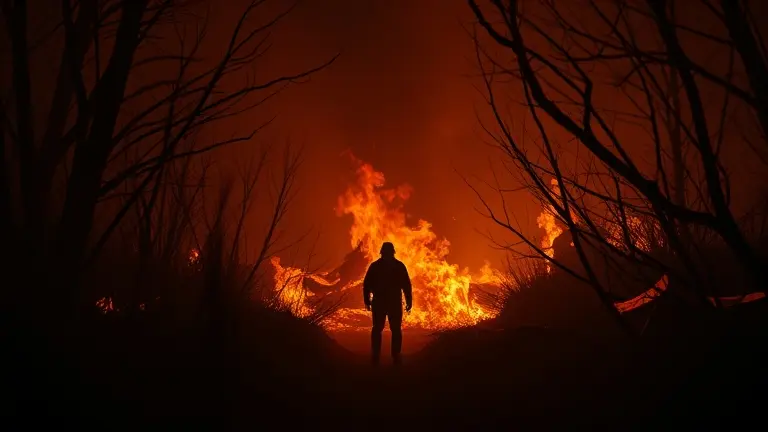
When director Sébastien Vanicek announced that his upcoming installment, Evil Dead Burn, features a staggering 10 minutes of complete, uninterrupted darkness, the internet didn’t just react—it combusted. From the manic halls of Reddit’s r/okbuddycinephile to heated discourse on X, fans are divided: is this a calculated descent into sensory deprivation meant to mirror the terror of the franchise’s demonic woods, or is it a pretentious gimmick destined to alienate audiences? Set for a July 10, 2026 release, Evil Dead Burn marks a sharp pivot from Sam Raimi’s practical-effects-heavy legacy toward a more experimental, minimalist approach to dread.
This stylistic gamble raises a fundamental question about modern horror: does the absence of light enhance the narrative, or does it simply hide what the audience is paying to see? As we count down to the premiere, we find ourselves at the intersection of artistic innovation and pure, unadulterated frustration. For those brave enough to step into the theater, the challenge won’t just be the gore—it will be maintaining the mental clarity required to decipher what is lurking in the shadows of Vanicek’s pitch-black vision.
The ‘Evil Dead Burn’ Darkness Controversy: Innovation or Cinematic Invisibility?
The announcement of Evil Dead Burn, the latest entry in the iconic horror franchise, has triggered an intense, polarized debate following director Sébastien Vanicek’s bold claim that the film features “10 full minutes of complete darkness.” While the recent trailer release has generated significant hype, this specific artistic choice has become a lightning rod for criticism. Online communities, including r/okbuddycinephile and r/RedLetterMedia, have transformed the “darkness” into a viral meme, questioning whether such a restrictive visual approach represents genuine avant-garde innovation or merely a frustrating gimmick that obscures the action.
Balancing Artistic Risk and Viewer Engagement
The tension lies in the audience’s expectation for visual clarity versus the director’s desire to weaponize sensory deprivation. In modern horror, intentional underexposure is often used to build atmosphere, but a 10-minute sequence poses a unique challenge for theatrical engagement. Key aspects of this discourse include:
- The Sensory Deprivation Experiment: Vanicek’s intent is likely to force the audience to rely on sound design and psychological tension rather than traditional gore, echoing the “found footage” evolution that favors disorientation over spectacle.
- The Memeification of Horror: Critics argue that the trend of “invisible horror” is becoming a trope. On platforms like X (formerly Twitter) and TikTok, fans are already humorously comparing the prospect of watching a pitch-black screen to technical malfunctions in theater projection.
- The Franchise Legacy: Compared to Sam Raimi’s original practical-effects-heavy approach, which relied on kinetic, highly visible camera work, Vanicek’s choice feels like a radical departure. Fans are currently divided on whether this shift honors the Evil Dead spirit or undermines the franchise’s legendary visual kineticism.
Ultimately, whether Evil Dead Burn succeeds depends on whether these minutes of darkness serve the narrative architecture or simply alienate viewers who expect the franchise’s trademark visceral intensity. As the July 10, 2026, release date approaches, this controversy serves as a litmus test for how modern audiences balance patience with the demand for high-concept, visible horror.
Sébastien Vanicek’s Vision: Is Darkness the Ultimate Horror Tool?
Director Sébastien Vanicek has ignited a firestorm of debate regarding the stylistic direction of Evil Dead Burn, specifically his decision to implement 10 full minutes of near-total darkness within the film. While some fans view this as a bold artistic masterstroke, others in communities like r/okbuddycinephile remain skeptical, fearing the choice is more of a gimmick than a narrative necessity. By intentionally depriving the audience of visual stimuli, Vanicek is leaning into a long-standing horror tradition that weaponizes sensory deprivation to heighten the spectator’s primal fear of the unknown.
The Evolution of Low-Key Horror
Historically, extreme low-key lighting has been a hallmark of genre classics. Films like The Descent successfully utilized claustrophobic, pitch-black environments to turn the audience’s imagination against them, forcing viewers to fill in the gaps with their own anxieties. Similarly, the “seen vs. unseen” trope in Barbarian demonstrates how withholding visual information can create unbearable tension.
Vanicek’s approach in Evil Dead Burn appears to be a direct evolution of this technique, moving away from Sam Raimi’s kinetic, practical-effects-heavy aesthetic toward something more abstract and psychological. However, this shift presents distinct risks:
- Pacing Concerns: Sustained darkness can disrupt the traditional “rollercoaster” pacing that defines the Evil Dead franchise.
- Accessibility vs. Art: There is a fine line between building atmospheric dread and simply alienating the audience, particularly if the sound design does not compensate for the lack of visual storytelling.
- Narrative Justification: To succeed, the darkness must serve the plot—perhaps representing the loss of reality for the characters—rather than feeling like a technical limitation.
Ultimately, whether this stylistic risk pays off will depend on how Vanicek balances the “chaos” he promised in recent interviews with the clarity needed to maintain an engaging horror experience. If executed correctly, this could redefine the sensory boundaries of modern horror, marking a significant evolution in the legacy of the Evil Dead series.
The Anatomy of a Meme: Why Horror Fans Love to Hate the Hype
The discourse surrounding Evil Dead Burn has become a masterclass in modern digital marketing, whether intentionally orchestrated or simply a byproduct of internet culture. When director Sébastien Vanicek confirmed that the film contains 10 consecutive minutes of near-total darkness, it didn’t just spark concern; it ignited a viral wildfire. Across platforms like Reddit’s r/okbuddycinephile and TikTok, fans are crafting increasingly ironic memes—ranging from jokes about “needing a tactical flashlight to watch the screen” to satirical reviews of a pitch-black experience. However, beneath the surface level of mockery lies a deep, sustained level of engagement that keeps the Evil Dead franchise firmly at the center of the cultural conversation as its July 10, 2026, release date approaches.
Decoding the Viral “Outrage”
This phenomenon highlights a shift in how horror audiences interact with promotional material. Rather than alienating potential viewers, the “darkness” controversy functions as a form of participatory marketing. By turning a stylistic risk into a meme, the community is essentially performing free outreach. The “outrage” over the lighting choices acts as a catalyst, ensuring that casual moviegoers and hardcore horror enthusiasts alike are aware of the film’s unique aesthetic identity. Key takeaways from this social media cycle include:
- Community Participation: Memes regarding the film’s visibility serve as a badge of honor, creating a shared identity for fans who are “in on the joke.”
- High-Concept Curiosity: The debate forces viewers to consider whether the darkness is a technical limitation or a bold, sensory-deprivation experiment meant to heighten tension.
- Algorithm Fuel: Every sarcastic tweet or reaction video keeps the evil dead burn hashtag trending, significantly increasing the film’s organic reach without further ad spend.
Ultimately, this cycle of ironic critique proves that for contemporary horror, generating a “conversation”—even one rooted in skepticism—is far more valuable than polite indifference. Fans may love to hate the hype, but they are undeniably waiting in the dark to see if the experiment pays off.
Countdown to July 10, 2026: What to Expect from the Latest Evil Dead Entry
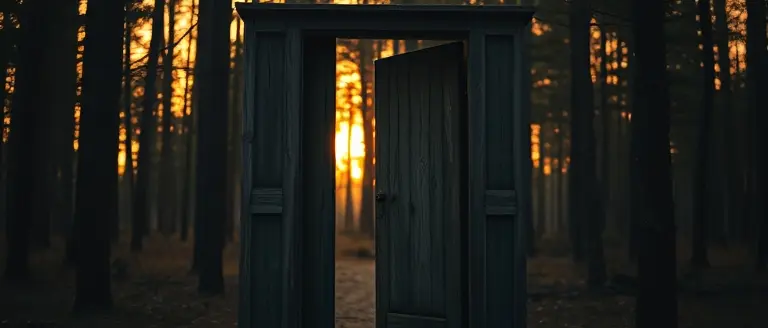
The industry is buzzing as we approach the July 10, 2026, release of Evil Dead Burn. This mid-summer window is a strategic release slot, traditionally reserved for high-concept genre films that leverage the “summer blockbuster” energy to maximize box office returns. By positioning the film in early July, director Sébastien Vanicek aims to capture a wide audience seeking an intense, communal theater experience, moving away from the typical autumn horror release cycle. Given the franchise’s storied history, the success of Evil Dead Burn will hinge on its ability to balance nostalgic practical effects with the bold, experimental cinematography that has already ignited fierce debate across social media platforms like X and Reddit.
Preparing for the Unseen
While online discourse has focused heavily on the director’s promise of “10 full minutes of complete darkness,” fans should look past the memes to understand the narrative intent. Rather than a mere gimmick, this stylistic choice is likely designed to heighten sensory deprivation, forcing the audience to rely on sound design and psychological tension—a hallmark of effective modern horror. To prepare for the premiere, keep a close watch on future teasers for the following elements:
- Soundscape Evolution: As visual clarity fades, look for clues in audio cues that suggest how the film builds dread without traditional on-screen action.
- Narrative Pacing: Monitor whether the trailers hint at a slow-burn buildup that culminates in the chaotic, high-intensity sequences Vanicek has promised.
- Thematic Depth: Pay attention to how the film distinguishes itself from previous franchise entries, particularly regarding the shift from Sam Raimi’s kinetic camera style to this newer, atmospheric approach.
Ultimately, the goal for viewers is to shift the narrative from skepticism regarding visibility to an appreciation of the immersive experience. Whether this experiment pays off as a masterstroke of horror or remains a controversial stylistic footnote, Evil Dead Burn is poised to be one of the most discussed releases of the year. Expect a relentless marketing push as we approach the final countdown, emphasizing that the true horror may not be what you see, but what you are forced to imagine.
Sharpen Your Senses for the Ultimate Cinematic Gauntlet
Whether Evil Dead Burn proves to be an avant-garde revelation or a frustrating experiment in visibility, one thing is certain: the film will demand total, unwavering focus. The transition from Raimi’s iconic chaos to Vanicek’s void-like suspense requires more than just patience—it requires peak cognitive engagement. You cannot afford to lose your edge when every frame is meticulously crafted to test the limits of your perception and sanity.
If you are planning to test your patience and focus against the director’s bold, light-deprived vision in the theater, you will need your senses to be at their absolute sharpest. That is where The Brain Song becomes your essential viewing companion. By fostering superior mental clarity and sustained attention, this cognitive preparation tool ensures you won’t suffer from the fatigue or distraction that a ten-minute blackout might induce in the average viewer. It is the only way to process the nuanced soundscapes and fleeting visual cues that will undoubtedly define the film’s most talked-about sequences.
Don’t stumble through the dark wondering if you missed a crucial plot detail. Elevate your experience, sharpen your focus, and arrive at the cinema with the mental precision of a true horror connoisseur. Equip yourself for the premiere and master the void.
 Prepare your brain for the chaos of Evil Dead Burn; use The Brain Song to clear the fog and catch every detail in the dark.Yes, I Want This Now!