
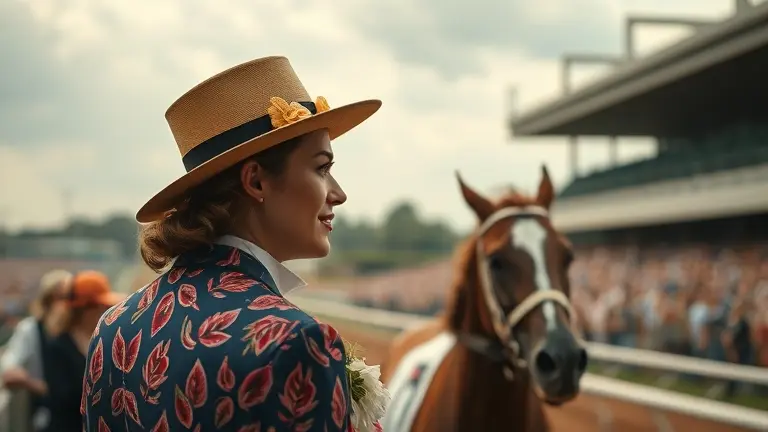
The dust has settled at Churchill Downs, but the echoes of Kentucky Derby 152 continue to reverberate through the world of sports and high society. While the 23-1 long-shot ‘Golden Tempo’ defied the odds to secure a historic win—marking the first-ever Derby triumph for a horse trained by Cherie DeVaux—the track was merely the backdrop for a much larger, more complex spectacle. Beyond the thundering hooves and the meticulously calculated training methodologies, the event served as a grand stage for the power dynamics, alliances, and shifting social legacies that define elite circles.
As the racing world fixates on the uncertainties of the Triple Crown and the potential trajectory of Golden Tempo toward the Preakness Stakes, another narrative has taken hold: the evolving culture of the gala. With rumors swirling about the departure of long-time social fixtures like the Birkheads, the 2026 Derby has highlighted that the true intrigue often lies behind the scenes. In a landscape obsessed with victory, it is the unspoken human connections and the strategic devotion displayed by our most prominent power couples that ultimately capture our collective imagination.
Golden Tempo: The Historic Victory of Kentucky Derby 152
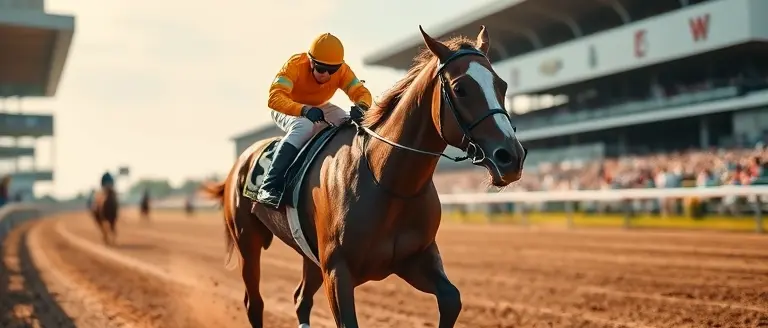
The 152nd Kentucky Derby concluded on May 2, 2026, at Churchill Downs with an outcome that defied conventional wisdom and reshaped the landscape of Thoroughbred racing. Against a field of 18 competitors, the long-shot colt Golden Tempo surged through the final stretch, securing a victory at 23-1 odds. This performance stunned the crowd, transforming a standard Run for the Roses into a career-defining moment that will be discussed for decades to come. Beyond the raw speed displayed on the dirt, the race was defined by the tactical brilliance of trainer Cherie DeVaux. By leading Golden Tempo to the winner’s circle, DeVaux etched her name in the history books as the first female trainer to claim victory in the Kentucky Derby, effectively shattering one of the sport’s most enduring glass ceilings.
A Historic Run Under the Twin Spires
The atmosphere at Churchill Downs was electric, with attendees witnessing a masterclass in patience and strategic positioning. Golden Tempo’s journey to the finish line was marked by precise navigation through a chaotic field. Key observations from the race include:
- Underdog Dominance: The 23-1 payout underscored the skepticism surrounding Golden Tempo prior to the gates opening, highlighting how quickly the narrative shifted once the horse hit the final turn.
- Trainer Milestone: Cherie DeVaux’s achievement is viewed by industry insiders as a pivotal moment for gender representation in horse racing, potentially encouraging further investment in female-led training operations.
- Race Dynamics: Despite the high-stakes pressure, the field remained composed, with the reduced count of 18 horses—following several late-week scratches—allowing for a cleaner run to the wire than analysts had initially anticipated.
As the industry pivots toward the upcoming races, the focus remains on whether this historic win was the result of a singular peak performance or the beginning of a sustained dominance for the DeVaux stable. The victory at the Kentucky Derby has not only elevated Golden Tempo to household-name status but has also ignited intense speculation regarding the horse’s endurance as it faces the grueling demands of the Triple Crown circuit.
From Long-Shot to Legend: Cherie DeVaux’s Historic Trajectory
The victory of Golden Tempo at the 152nd Kentucky Derby stands as a watershed moment in the history of elite horse racing. Entering the race at 23-1 odds, the long-shot colt defied industry expectations, but the true narrative lies in the methodical brilliance of trainer Cherie DeVaux. By becoming the first female trainer to capture the Run for the Roses, DeVaux has dismantled long-standing barriers, proving that specialized, data-driven training philosophies can outperform the legacy stables that have historically dominated the circuit.
A Methodology Rooted in Precision
DeVaux’s training strategy for Golden Tempo prioritized individual recovery and tailored workload management over the high-intensity, high-volume conditioning common among many top-tier trainers. Insiders suggest that her approach involves:
- Adaptive Biomechanics: Utilizing advanced motion analysis to adjust gait efficiency during peak training cycles.
- Psychological Conditioning: Implementing stress-reduction protocols that kept the horse composed amid the chaotic environment of Churchill Downs.
- Customized Nutritional Loading: Aligning caloric intake strictly with metabolic burn rates measured during morning workouts.
Changing the Industry Landscape
The success of this partnership signals a long-overdue shift in the equestrian sports industry. For decades, the high-stakes world of the Triple Crown has remained largely insular. DeVaux’s trajectory from an underdog to a historic winner provides empirical evidence that success at the highest level of horse racing is not a product of tradition, but of modern, inclusive excellence. As the racing community reflects on this result, the focus shifts toward how other organizations might adopt DeVaux’s patient, observant methodology. Her win serves as a blueprint for female professionals navigating the gender-stratified environment of professional racing, proving that meticulous preparation is the ultimate equalizer on the track.
The Road to the Triple Crown: Will Golden Tempo Run the Preakness?
Following the historic victory at The Kentucky Derby 152, all eyes in the horse racing world are fixed on trainer Cherie DeVaux and the sudden superstar, Golden Tempo. As a 23-1 long-shot, Golden Tempo’s improbable win has ignited intense speculation regarding a potential Triple Crown campaign. However, the path to the Preakness Stakes is fraught with logistical hurdles and strategic dilemmas that often force trainers to prioritize the long-term health of the horse over the prestige of the series.
Strategic Considerations for the 2026 Triple Crown
The primary challenge facing the team is the demanding “short rest” schedule inherent to the Triple Crown. With only two weeks between the Run for the Roses and the Preakness, physical recovery is the paramount concern. Unlike established favorites, a long-shot like Golden Tempo may not have the deep campaign history required to handle such a rapid turnaround. DeVaux must evaluate several critical factors:
- Physical Recovery: Monitoring for signs of fatigue or subtle injuries that often manifest in the days following a high-intensity mile-and-a-quarter race.
- Training Adjustments: Moving from the Churchill Downs track conditions to the unique surface at Pimlico requires a specialized training regimen that minimizes strain.
- Risk vs. Reward: The industry is seeing a notable decline in interest regarding the secondary legs of the Triple Crown; owners must weigh the glory of a potential sweep against the economic and health risks of over-racing a relatively fresh horse.
Evidence suggests that DeVaux is adopting a cautious, data-driven approach. While the national spotlight intensifies, the decision to skip or enter the Preakness will ultimately hinge on the horse’s metabolic recovery and training readiness. Should the team opt to bypass Baltimore, it would underscore a growing industry trend where trainers prioritize the longevity of their equine athletes over the pursuit of the elusive Triple Crown, signaling a major shift in how modern racing campaigns are structured for long-term viability.
A Changing Guard: Celebrity Culture and the New Era of Derby Fashion
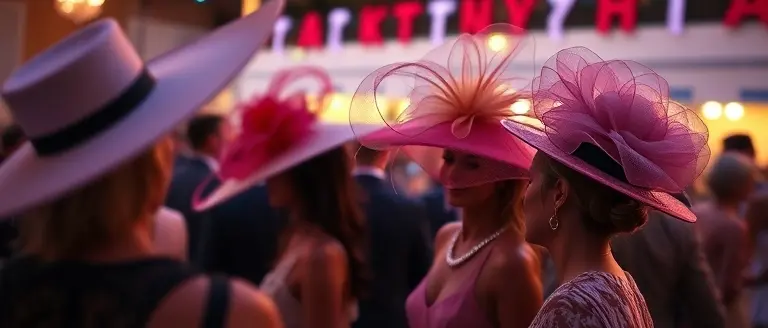
The Kentucky Derby 152 served as more than just a stage for sporting history; it functioned as a definitive turning point for the social landscape of Churchill Downs. For decades, the spectacle of the Kentucky Derby was synonymous with a specific echelon of high-society figures. However, the 2026 festivities signaled a clear departure from these established norms, particularly regarding the long-standing attendance patterns of iconic socialites. Persistent rumors surrounding the potential final appearance of fixtures like the Birkheads have ignited broader conversations about whether the event is witnessing the definitive end of its “old guard” era.
This transition in celebrity culture reflects a larger, strategic pivot in how the Derby is marketed and consumed. As traditional socialites step back, the prestige of Millionaire’s Row is being recalibrated to accommodate a new wave of cultural influencers, digital creators, and global brands. This shift is not merely about guest lists; it is altering the aesthetic of Derby fashion. We are seeing a move away from the traditional, monochromatic elegance toward bold, avant-garde styles that prioritize social media visibility over heritage-based couture.
Key trends observed during the 2026 event highlight this evolution:
- The Digital Migration: Influence is no longer measured solely by legacy wealth, but by digital reach, with invite lists increasingly curated to maximize real-time platform engagement.
- Fashion Forward: A departure from conservative Southern regalia toward eclectic, high-fashion statements that align with current pop-culture trends rather than historical Derby motifs.
- The New VIP Experience: Brands are shifting their hospitality focus from exclusive, closed-door parties to experiential, interactive installations designed for high-profile content creation.
Ultimately, the changing demographic at the Kentucky Derby underscores the event’s necessity to remain relevant in a fragmented media landscape. While the sport remains rooted in tradition, the social infrastructure of the Derby is aggressively modernizing, signaling that the future of this iconic race will be defined as much by its influence-driven spectatorship as by its performance on the track.
Beyond the Track: The Art of Lasting Devotion
While the racing world debates whether Golden Tempo can cement its legacy in the Triple Crown or if the Preakness Stakes will struggle to maintain its prestige, the cultural impact of this year’s Kentucky Derby lingers on the nuances of human relationships. We have witnessed the historic intersection of talent and grit on the turf, but the true masterclass in navigating high-stakes environments—whether in a paddock or a ballroom—lies in the psychological undercurrents of the people we admire.
The magnetism displayed by the elite figures at Churchill Downs is rarely accidental; it is the result of deep-seated emotional understanding and the subtle art of fostering commitment. If you have ever wondered what separates a fleeting social appearance from a legendary partnership, the secret lies in mastering the core instincts that drive human attraction and devotion. Just as a trainer understands the unique spirit of a champion, you can learn to unlock the hidden psychological triggers that turn passive interest into profound, enduring loyalty.
By applying the principles of the ‘Hero Instinct,’ you no longer have to observe the dynamics of power couples from the sidelines. You can become the architect of your own lasting, high-value connection, turning the complex narrative of relationship success into your personal reality. It is time to stop analyzing the romance of others and start building the deep, committed bond you have always deserved.
 Discover the ‘Hero Instinct’ signals that turn passive interest into lifelong devotion.Transform My Life Today