

The story of Belinda Emmanuel Lotsu, who reportedly delivered quadruplets after medical preparations for triplets, has ignited widespread intrigue across social media. While the shock of an ‘unexpected’ fourth child is a compelling human-interest narrative, it serves as a stark reminder of the complexities inherent in high-order multiple pregnancies. Beyond the sensationalism often found in viral reports, such cases highlight the unpredictability of prenatal imaging and the immense physical and emotional endurance required by mothers in the face of sudden, life-altering medical surprises.
For any parent, receiving news of a high-order multiple birth—expected or not—marks the beginning of a high-intensity chapter of life. Navigating this journey requires not just immense logistical support, but also a resilient body capable of managing extreme stress, sleep deprivation, and the metabolic demands of constant caregiving. As we peel back the layers of this viral event, we must look closer at how mothers can sustain the steady energy levels necessary to thrive during the most demanding transitions of parenthood.
The Viral Story of Belinda Emmanuel Lotsu’s Quadruplets

In recent weeks, the story of Belinda Emmanuel Lotsu and her reported delivery of quadruplets has captured significant attention across various digital platforms. The narrative, which suggests that the mother was prepared for a triplet birth only to be surprised by a fourth infant during labor, has quickly become a viral sensation. While stories of high-order multiple births often spark widespread public interest, it is essential to approach this report with professional skepticism. As of May 2026, this news is primarily circulating via niche news-aggregating websites and social media channels rather than through verified medical journals or reputable national news organizations.
Assessing the Validity of Viral Birth Reports
Because there is currently a lack of corroborating evidence from healthcare providers or official institutional statements, the case of the Belinda Emmanuel Lotsu quadruplets should be viewed as an unverified human-interest story. In the age of rapid information sharing, viral claims often outpace the ability of journalists to confirm medical details. When evaluating such reports, observers should consider the following:
- Source Credibility: Information originates from secondary outlets, which may lack direct access to medical files or family confirmation.
- Lack of Institutional Verification: No hospital or medical facility has issued a statement confirming the details surrounding this birth.
- The Role of Ultrasound Limitations: While modern prenatal imaging is highly accurate, “hidden” fetuses in high-order multiple pregnancies can occur due to positioning, uterine size, or technical limitations.
Until official documentation is provided, the specifics of the delivery remain anecdotal. Readers are encouraged to exercise caution and prioritize information corroborated by recognized medical authorities. While the possibility of an “unexpected” multiple birth is a documented, albeit rare, medical phenomenon, the veracity of this specific case remains speculative pending further investigation or direct family confirmation.
The Science of Ultrasound: Why ‘Surprise’ Babies Occur
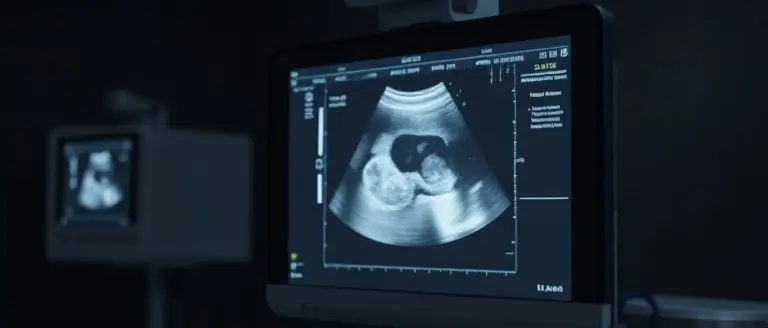
While the viral report regarding Belinda Emmanuel Lotsu quadruplets has captured public fascination, the medical phenomenon of a “surprise” baby during a multiple-gestation pregnancy is rooted in the inherent technical limitations of prenatal imaging. Although modern ultrasound technology is highly advanced, identifying each individual fetus in a high-order pregnancy—such as triplets or quadruplets—is significantly more complex than in a singleton pregnancy. Obstetricians and sonographers face a challenging environment where crowded uterine conditions can obscure visibility.
Factors Contributing to Missed Multiples
Several physiological and technical variables can lead to a discrepancy between expected and actual fetus counts:
- Fetal Positioning: In a crowded uterus, one fetus may be positioned directly behind another, or tucked deep behind the placenta, effectively masking its presence from the ultrasound transducer’s sound waves.
- Placental Interference: A large placenta or the presence of multiple placentas can create acoustic shadows that hide a smaller fetus.
- Equipment and Technique: The accuracy of an ultrasound is dependent on the sonographer’s skill, the patient’s body habitus, and the specific frequency of the imaging equipment used. In advanced stages of pregnancy, reduced amniotic fluid space can further limit clarity.
- The “Hidden Baby” Phenomenon: As the pregnancy progresses, the overlap of fetal limbs and heads makes it difficult to distinguish individual heartbeats or distinct structural features, leading to the occasional miscount in high-order births.
These cases, while rare, serve as a reminder that diagnostic imaging is a tool for monitoring rather than an infallible guarantee of pregnancy outcomes. The story surrounding the Belinda Emmanuel Lotsu delivery highlights these real-world medical challenges, illustrating that even in the modern era of medicine, biological complexity can occasionally surpass the current precision of prenatal screening.
Navigating High-Order Multiples: Medical and Emotional Stakes

The pregnancy journey for women expecting high-order multiples—like the reported Belinda Emmanuel Lotsu quadruplets case—is a complex medical experience that demands rigorous oversight. While the prospect of welcoming four infants is life-changing, it places significant physical strain on the mother’s body. High-order pregnancies are categorized as high-risk, necessitating frequent prenatal monitoring, specialized nutrition, and often bed rest to manage blood pressure and reduce the risk of preterm labor. In instances where a delivery plan shifts unexpectedly—such as discovering a “surprise” fourth infant during birth—the immediate transition from a birth plan based on triplets to an emergency quadruplet delivery requires immense medical team coordination and emotional fortitude from the parents.
Challenges in Ultrasound Accuracy
It is vital to understand why clinical oversights occur in multiples pregnancies. Even with advanced technology, detecting every fetus in a high-order pregnancy can be difficult. Factors that influence visibility during ultrasound examinations include:
- Fetal Positioning: Infants often overlap or hide behind one another in the womb, creating “shadow” areas that are difficult for sonographers to distinguish.
- Maternal Anatomy: Variations in body composition can occasionally affect the clarity of diagnostic imaging.
- Equipment Limitations: While diagnostic tools are sophisticated, real-time visualization remains an interpretive skill that relies heavily on fetal cooperation.
Resilience and Preparing for Multiples
Beyond the clinical reality, the psychological impact of navigating a high-order birth is profound. Families often prepare their homes, finances, and emotional bandwidth for a specific number of arrivals. When those plans change in the delivery room, the parents must pivot instantly. This requires a high degree of emotional resilience and a robust support network. Whether a story involving the Belinda Emmanuel Lotsu quadruplets represents a medical rarity or an illustration of ultrasound limitations, it serves as a reminder that every birth is a unique, unpredictable event that requires a dedicated medical team prepared for any outcome.
Verifying Viral News in the Digital Age

In the era of instant information, stories concerning medical anomalies—such as the viral reports surrounding Belinda Emmanuel Lotsu quadruplets—often spread across social media platforms long before they reach mainstream news desks. While human-interest stories about “surprise” births are emotionally compelling, it is crucial for readers to approach unverified medical claims with a healthy degree of skepticism. Niche websites and aggregators frequently prioritize sensational headlines over rigorous fact-checking, which can lead to the rapid dissemination of inaccurate details regarding complex medical events.
Best Practices for Fact-Checking Medical Reports
When you encounter a viral story, especially one involving rare medical outcomes, consider these steps to determine its credibility:
- Check for Mainstream Corroboration: Reputable news outlets adhere to strict editorial standards. If major regional or national outlets are not reporting on a specific case, treat the information as unverified.
- Seek Official Hospital Statements: Medical events of this magnitude are typically documented by healthcare facilities. Look for press releases or public acknowledgments from the hospital where the birth reportedly occurred.
- Identify the Source’s Track Record: Evaluate whether the platform reporting the news has a history of investigative journalism or if it primarily relies on clickbait-style content.
- Understand Medical Limitations: As seen in cases involving high-order multiples, prenatal imaging is not infallible. While ultrasound technology is highly advanced, fetal positioning and shared amniotic sacs can occasionally obscure a fourth heartbeat. Understanding these clinical realities helps frame viral stories within the context of scientific possibility rather than mere shock value.
By slowing down the consumption process, readers can help mitigate the spread of misinformation. Always prioritize information originating from medical professionals or established journalistic organizations, and remember that an extraordinary claim regarding the Belinda Emmanuel Lotsu delivery requires extraordinary, verified evidence before it should be accepted as fact.
Thriving Through Life’s Most Demanding Transitions
Whether navigating the rare realities of a surprise multiple birth or simply managing the relentless pace of daily caregiving, the human body operates under significant pressure. The physical, hormonal, and metabolic strain of such intense life stages can lead to sudden energy crashes and fatigue, often leaving parents feeling depleted just when they need to be at their strongest. Acknowledging these challenges is the first step toward reclaiming your vitality and ensuring you have the consistent stamina required for your family.
This is where stability becomes your greatest asset. Maintaining balanced glucose levels is not just a health goal; it is a vital strategy for supporting your nervous system and energy output throughout the day. By stabilizing your internal metabolism, you can navigate the unpredictability of caregiving with greater focus and less physical exhaustion, ensuring that you remain the calm, capable anchor your children need.
We recommend Sugar Defender as a supportive tool for those managing the metabolic pressures of a high-stress lifestyle. It is designed to provide the gentle, science-backed support necessary for healthy glucose maintenance, helping you bypass the dreaded energy dips and maintain steady vitality from dawn until dusk. Prioritize your well-being so you can focus on what matters most: the health and growth of your family.
 Support your metabolic health and sustain your energy during your most demanding days with Sugar Defender.Yes, I Want to Sustain My Energy Now!