
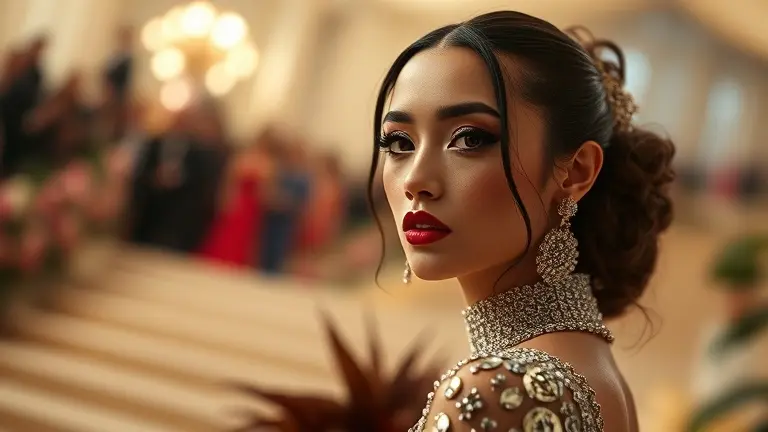
The steps of the Metropolitan Museum of Art have once again become the epicenter of global culture as the Met Gala 2026 unfolds. With the evocative theme ‘Fashion Is Art’, the industry’s elite have descended upon New York City to push the boundaries of costume as a medium of expression. As the red carpet coverage reaches a fever pitch, it is clear that this year is less about simple trends and more about a high-stakes performance of status, artistic audacity, and the raw power of human attraction.
While the world debates which celebrity successfully embodied the ‘Costume Art’ mandate and who ultimately fell short, a deeper story is playing out in every flashbulb moment. Beyond the avant-garde structures and intricate craftsmanship, the true victors of tonight are those who understand the psychology of presence. They aren’t just wearing art; they are commanding the room through a sophisticated mastery of allure, proving that the most compelling fashion is that which leaves a permanent imprint on the observer’s mind.
Met Gala 2026: The ‘Fashion Is Art’ Spectacle at The Met
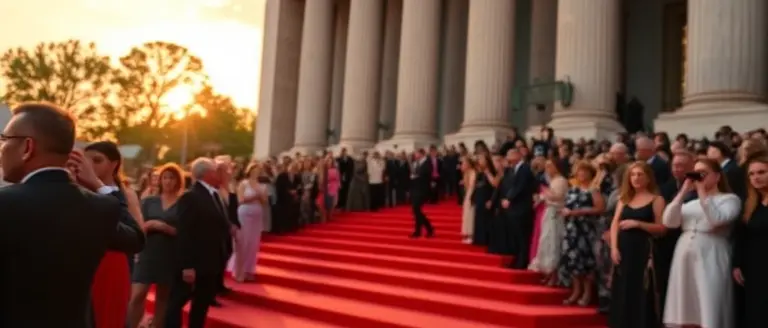
The Met Gala 2026 has officially descended upon the Metropolitan Museum of Art, marking one of the most intellectually ambitious nights in fashion history. With the official theme, ‘Costume Art,’ serving as the guiding principle, guests were tasked with interpreting the dress code, ‘Fashion Is Art,’ in ways that transcend traditional red-carpet glamour. This year, the focus shifts from mere celebrity style to the elevation of the garment as a museum-grade installation. As attendees ascend the iconic steps, the atmosphere is electric, charged by the realization that they are participating in a living exhibit that bridges the gap between historical costume study and avant-garde design. Co-chaired by Beyoncé, Nicole Kidman, Venus Williams, and Anna Wintour, the event has set a rigorous standard for creative expression, demanding that every silhouette acts as a curated masterpiece.
Redefining Red Carpet Standards
The ‘Fashion Is Art’ mandate has challenged designers and celebrities to treat their physical presence as an extension of the museum’s collection. Rather than relying on simple luxury, participants are utilizing complex structural elements, historical silhouettes, and unconventional materials. Observers note that this year’s exhibition, which runs from May 10, 2026, through January 10, 2027, has heavily influenced the tone of the gala, pushing stars toward theatricality and conceptual depth.
- Thematic Rigor: Participants are evaluated on how successfully they translate high-art concepts into wearable pieces.
- The Curatorial Shift: The event serves as the primary fundraiser for the Costume Institute, reinforcing the mission to preserve garments as vital historical artifacts.
- Public Engagement: With the Met Gala 2026 currently in full swing, digital audiences are analyzing the intersection of performance art and couture in real-time, seeking to identify which guests honored the theme with true artistic integrity.
By moving beyond standard trends, the 2026 gala succeeds in validating fashion’s position within the fine arts, ensuring that the legacy of this year’s “Costume Art” theme resonates long after the final guest exits the museum.
Red Carpet Breakdown: The Best Looks Defining ‘Fashion Is Art’
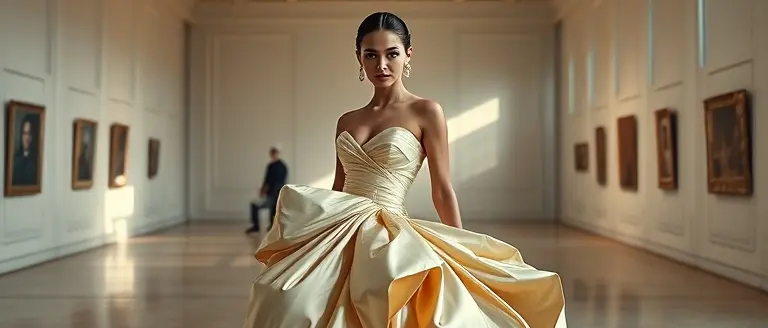
The Met Gala 2026 red carpet has officially solidified the “Fashion Is Art” theme as one of the most ambitious conceptual challenges in the event’s history. Unlike previous years that leaned toward standard glamour, this year’s mandate forced attendees to act as living canvases. The most successful celebrities bridged the gap between haute couture and structural sculpture, proving that when the theme is “Costume Art,” the garment must transcend the body rather than merely decorate it. Expert critique of this year’s ensemble selection highlights a shift toward textile manipulation and avant-garde architectural silhouettes that challenge the traditional boundaries of red-carpet attire.
Decoding the Avant-Garde Excellence
Several high-profile guests achieved thematic perfection by leaning into historical references paired with experimental materials. By utilizing unconventional fabrics and abstract forms, these figures redefined what it means to wear art:
- Structural Innovation: Several designs featured 3D-printed elements and metallic ribbing that mimicked the skeletal frames of museum sculptures, paying direct homage to the Metropolitan Museum of Art’s curatorial influence.
- Textile Manipulation: A standout trend involved the layering of antique lace with synthetic polymers, creating a dialogue between historical preservation and future-forward design.
- Conceptual Execution: Beyond the visual appeal, the top-tier looks demonstrated a deep understanding of the “Costume Art” exhibition premise, utilizing dramatic volume to transform the wearer into a walking installation.
As the evening continues, the consensus among fashion historians is that this year’s roster took significant risks. While some celebrities opted for safer interpretations, those who embraced the prompt through technical mastery have secured their place in the annals of iconic Met Gala moments. The synergy between the guest and their designer—a hallmark of the most successful interpretations—remains the critical metric by which we evaluate the success of the 2026 event.
From Gallery to Garment: Analyzing the ‘Costume Art’ Theme
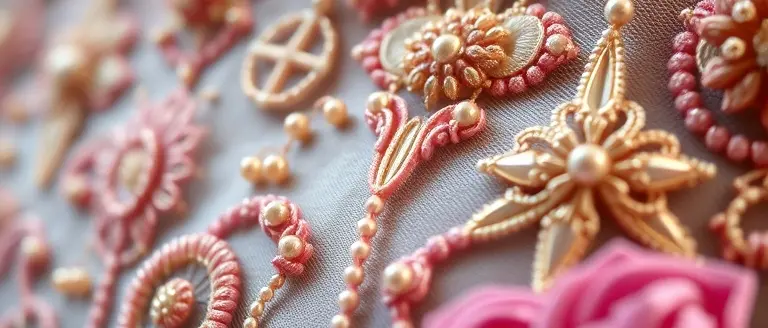
The Met Gala 2026 has redefined the boundary between traditional curation and avant-garde couture with its ambitious theme, ‘Costume Art.’ Unlike previous years that focused on historical epochs or specific designers, this exhibition elevates the garment itself to the status of a fine art object. By framing ‘Fashion Is Art’ as the core dress code, the Metropolitan Museum of Art challenges attendees to view their silhouettes not merely as clothing, but as wearable sculptures. The exhibition, running from May 10, 2026, through January 10, 2027, bridges the gap between textile history and contemporary creative expression, asserting that the act of draping, stitching, and structuring fabric is equivalent to the processes used by sculptors and painters.
The Evolution of Wearable Sculpture
Contemporary designers have leaned heavily into architectural engineering to meet the demands of this year’s theme. Moving beyond the constraints of seasonal luxury, these creators have utilized avant-garde materials to manipulate light, space, and volume. Key interpretations observed on the red carpet include:
- Structural Integrity: Use of rigid, non-traditional materials that mimic the static nature of gallery exhibits.
- Textural Narrative: Garments that utilize layered, sculptural fabrications to explore the concept of “costume” as a medium for identity storytelling.
- Spatial Interaction: Designs that physically alter the space around the wearer, demanding the same viewing distance one would afford a masterpiece in a museum hall.
Evidence suggests that the most successful interpretations of the ‘Costume Art’ theme were those that prioritized artistic intent over conventional red-carpet glamour. By treating the human body as a pedestal, designers have pushed the envelope of what is considered “wearable,” effectively moving the Met Gala 2026 into the realm of a live, moving gallery. This shift invites viewers to contemplate the permanence of fashion, treating each look as an artifact that will be analyzed by historians for years to come.
The Evolution of Style: Met Gala 2026 Trends and Takeaways
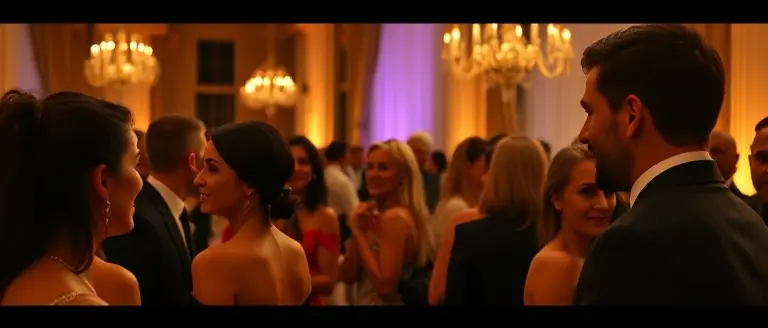
The Met Gala 2026 has officially set a new benchmark for sartorial expression, with the “Fashion Is Art” dress code pushing designers to transcend traditional red-carpet aesthetics. Throughout the evening, we observed a definitive shift toward sculptural silhouettes and architectural construction, moving away from standard evening gowns toward garments that function as standalone art pieces. This evolution suggests a broader industry pivot where the line between haute couture and fine art galleries is increasingly blurred. By embracing the “Costume Art” theme, attendees showcased a mastery of unconventional materials, ranging from 3D-printed polymers to repurposed vintage textiles, signaling a move toward sustainable, high-concept engineering in modern luxury retail.
Defining the Future of Fashion Retail
The impact of this year’s gala on the global fashion market cannot be overstated. As the event highlights the transition from seasonal trend-chasing to curation-based style, we are seeing a direct translation of these runway looks into consumer demand. Key takeaways from the night’s most successful ensembles include:
- Architectural Volumetrics: Designers utilized stiffened fabrics and internal structural cages to create gravity-defying shapes that prioritize form over traditional garment drape.
- Material Innovation: A recurring focus on synthetic biology and eco-conscious, lab-grown elements suggests a future where high fashion is defined by its production process as much as its visual appeal.
- Historical Referencing: By synthesizing historical costume studies with contemporary tailoring, stylists proved that “Fashion Is Art” is rooted in a dialogue between the past and the avant-garde.
As observers analyze the red carpet arrivals, it is clear that the Met Gala 2026 serves as more than just a promotional spectacle; it is a vital indicator of where the luxury market is heading. For retailers and fashion enthusiasts alike, the trend toward “wearable installations” will likely dictate aesthetic choices for upcoming seasons, ensuring that the influence of this exhibition continues well after it closes its doors in January 2027.
Mastering the Art of Irresistible Presence
As the red carpet fades and the exhibition of Costume Art takes center stage, we are left with the undeniable truth: true influence isn’t just about what you wear, but the magnetic energy you project. The stars who defined Met Gala 2026 understood that fashion is a canvas, but psychological presence is the paint. They commanded global attention not just through fabric and silhouette, but by mastering the subtle, often unseen language of attraction.
You don’t need a couture gown or a stylist to harness that same level of magnetic allure. Just as these icons use specific strategies to capture the world’s gaze, you can tap into the same ‘secret signals’ that create unforgettable connections. The difference between an outfit that is merely seen and one that is deeply felt lies in understanding the core psychological triggers that command attention and desire.
This is where ‘His Secret Obsession’ changes the narrative. It provides you with the psychological tools to unlock the ‘Hero Instinct’ in your partner, turning everyday interactions into moments of deep, lasting devotion. By applying these proven principles, you shift from being a passive observer of others’ charisma to becoming the primary architect of your own romantic legacy, ensuring your presence is as legendary as any look that graced the steps of the Met tonight.
 Discover how to tap into the same ‘secret signals’ that create unforgettable connections and leave your partner feeling as obsessed with you as the world is with these red carpet legends.Unlock My Irresistible Potential Now!