
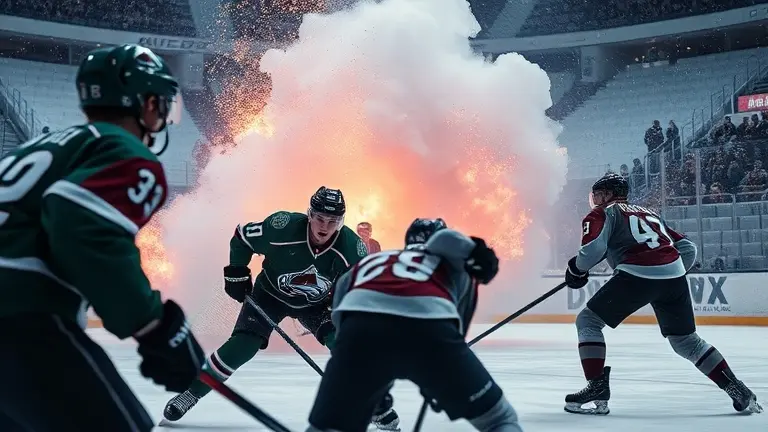
The NHL playoffs are defined by defensive grit and suffocating intensity, yet the recent 9-6 clash in the wild vs avalanche series shattered every expectation. What was anticipated to be a tactical stalemate between two stingy, defense-first rosters quickly descended into a chaotic offensive showcase, leaving analysts and fans questioning if this was a freak anomaly or a sign of deeper structural collapses. The return of superstar defenseman Cale Makar, marked by a dazzling two-goal performance, was the clear highlight for the Colorado Avalanche, but the sheer volume of goals allowed by both sides suggests that something fundamental broke on the ice.
As we pivot toward Game 2, the conversation has shifted from pure shock to the desperate need for a post-game forensic analysis. Whether it was miscommunications in the defensive zone or unexpected goaltending fatigue, understanding the ‘why’ behind this Minnesota Wild defensive disaster is paramount for any serious hockey fan. In a series that has suddenly become a test of reactive adaptation, those who can look past the scoreboard and decode the tactical errors will have the best vantage point for what promises to be a wild—and perhaps equally unpredictable—remainder of the Stanley Cup Playoffs.
The 9-6 Frenzy: Deconstructing the Wild vs. Avalanche Game 1 Shock

The wild vs avalanche series opener on May 3, 2026, defied every statistical projection, transforming a matchup anticipated to be a tactical, low-scoring chess match into a 9-6 offensive spectacle. Heading into this second-round Stanley Cup Playoff showdown, both the Colorado Avalanche and the Minnesota Wild were lauded for their disciplined, defense-first structures. Instead, fans witnessed a chaotic, helter-skelter contest that stands as the highest-scoring game of the 2026 postseason to date, leaving analysts and supporters alike stunned by the total breakdown of defensive systems on both sides of the ice.
A Breakdown of Tactical Chaos
The disparity between the expected tight-checking environment and the actual result points toward a series of systematic failures. While the Minnesota Wild struggled to contain the rush, the Avalanche capitalized on transition opportunities that usually aren’t available against such veteran rosters. Several factors contributed to this anomaly:
- Goaltending Pressure: Neither team’s netminder appeared comfortable, as rapid-fire shots and defensive breakdowns left them exposed to high-danger scoring chances.
- Structural Collapse: Both coaching staffs likely expected a more conservative start; however, once the first few goals were traded, the game devolved into a high-risk, high-reward trading session.
- The Makar Factor: The return of Cale Makar served as the ultimate catalyst. His ability to navigate the blue line and contribute two goals provided a massive momentum shift that tilted the ice in Colorado’s favor.
Whether this result is a lasting trend or a historical anomaly remains the central question for the remainder of the series. While the “shock factor” dominates the discourse, the reality is that both teams will likely revert to tighter, more suffocating play as the intensity of the playoffs demands higher defensive accountability in the subsequent games.
The Makar Factor: How a Star Defender Transformed Colorado’s Offense

The return of Cale Makar to the lineup was the undeniable catalyst for the Colorado Avalanche during their high-scoring 9-6 victory in the opening wild vs avalanche playoff clash. After missing significant time due to injury, Makar’s seamless reintegration into the roster did more than just bolster the blue line; it fundamentally altered the pace of the game. His ability to quarterback the power play and initiate breakouts with elite vision forced the Minnesota Wild to play a style of hockey they were clearly unprepared to handle. By scoring two goals, Makar proved that his offensive instincts remain sharp, effectively acting as a fourth forward who kept the opposition’s defensive structure in a constant state of flux.
Beyond the box score, Makar’s presence serves as a massive psychological and tactical multiplier for the Avalanche. His elite skating allows him to break the first layer of forechecking with ease, creating odd-man rushes that defined the chaos of this specific wild game. The tactical impact is clear:
- Transition Efficiency: Makar’s unique ability to exit the defensive zone under pressure allowed Colorado to bypass the neutral zone trap often employed by the Wild.
- Aggressive Activation: With a star defender willing to join the rush, Colorado created frequent defensive mismatches, leaving Minnesota’s defenders stranded in isolation.
- Confidence Boost: The team’s forward momentum surged as they realized they could rely on Makar to maintain puck possession, leading to sustained offensive zone time.
While critics might point to the defensive lapses on both sides as an anomaly, the evidence suggests that Makar’s elite transition play is a sustainable competitive advantage. His return provides the Colorado Avalanche with a versatility that makes them difficult to defend in a high-intensity playoff environment. Moving forward in the series, the Wild will need to find a specific answer for Makar’s activation, or they risk another offensive showcase that tilts heavily in Colorado’s favor.
System Failure: Why Elite Defenses Collapsed Under Pressure
The 9-6 wild vs avalanche Game 1 result stands as a statistical anomaly in the 2026 Stanley Cup Playoffs, baffling analysts who expected a low-scoring, physical chess match. Both the Colorado Avalanche and the Minnesota Wild entered this series boasting top-tier defensive metrics, yet the opening contest devolved into a chaotic offensive showcase. Tactical breakdowns were evident across all three zones, as high-pressure forechecking forced uncharacteristic errors. Instead of the structured neutral zone traps that defined their regular-season meetings, both clubs struggled with puck management and defensive positioning, creating a “helter-skelter” environment that favored shooters over systems.
Dissecting the Breakdown
A deeper analysis of the tape reveals several structural failures that led to the barrage of goals:
- Failed Zone Exits: Both defensive corps struggled to complete clean breakout passes under aggressive pressure, leading to frequent turnovers in high-danger areas.
- Goalie Isolation: Poor communication between defensemen and goaltenders left netminders exposed on odd-man rushes, leaving them little chance to adjust their positioning.
- Breakdown of Gap Control: Defenders frequently allowed too much space in the high slot, a departure from their usual stifling defensive coverage.
- Impact of Cale Makar: The return of Cale Makar significantly altered the Avalanche’s transition game, forcing the Wild’s defense to cheat toward the points, which opened up cross-ice lanes that Colorado exploited repeatedly.
To understand how this collapse occurred, experts suggest looking at shift charts and heat maps from the game. These visual tools highlight how the Avalanche managed to sustain pressure in the offensive zone, while the Minnesota Wild failed to reset their defensive structure after Colorado’s frequent shifts in momentum. Whether this defensive disintegration is an outlier or a permanent shift for the series remains the most critical question as both teams head into Game 2. Coaches must now decide whether to double down on their systems or implement rapid adjustments to account for the speed and clinical finishing witnessed in this opening frenzy.
Strategic Pivot: Anticipating Adjustments for Game 2

Following the 9-6 offensive explosion in Game 1, the Colorado Avalanche and the Minnesota Wild are expected to abandon the “frenzy” approach in favor of a tactical reset. Coaches from both benches will likely prioritize defensive structure to mitigate high-danger scoring chances that defined the series opener. For the Minnesota Wild, the primary objective will be a return to their identity: a disciplined, stingy team that forces opponents to the perimeter. Expect Minnesota to implement tighter neutral zone coverage to neutralize the transition speed that allowed Cale Makar to dictate play upon his return. Failing to contain the blue line will only continue to provide the Avalanche with the high-octane offensive looks they exploited so effectively.
Tactical Priorities and Goaltending Resilience
The chaos of the initial wild vs avalanche matchup highlights a significant failure in defensive shell protection. Analysts anticipate several critical shifts heading into the next contest:
- Defensive Accountability: Expect both teams to reduce high-risk cross-ice passes, opting instead for safer, chip-and-chase transitions to avoid catastrophic turnovers at the blue line.
- Net-Front Discipline: Both coaching staffs will demand increased physical engagement to clear the crease, as the high-scoring Game 1 saw far too many uncontested rebounds and second-chance opportunities.
- Goaltender Stabilization: After a statistically poor performance across the board, the pressure on the starting netminders is immense. Expect a “bend-but-don’t-break” mentality, where goalies focus on controlling rebounds rather than sprawling for desperation saves.
Whether this high-scoring trend is a permanent feature of the series remains unlikely. Historically, playoff intensity increases as teams become more familiar with the opposition’s tendencies. If the avalanche continue to rely on the offensive momentum generated by Cale Makar, the wild game plan must involve a more aggressive forecheck to pressure Colorado’s defensemen deep in their own zone, thereby limiting their ability to launch long-distance breakout passes.
Mastering the Tactical Chaos of Game 2
The 9-6 showdown between the Colorado Avalanche and the Minnesota Wild was more than just a scoreboard anomaly; it was a total breakdown of structural integrity on both sides. While the return of Cale Makar provided an undeniable offensive spark for Colorado, the defensive lapses witnessed throughout the sixty minutes represent a high-stakes puzzle that demands a deeper level of cognitive processing to solve. To truly anticipate the adjustments for Game 2, fans must move beyond the surface-level shock and start dissecting the shift-by-shift tactical shifts that turned a defensive series into a high-octane frenzy.
Dissecting a 9-6 frenzy requires serious mental focus; if you find yourself struggling to keep track of every shift, a little brain-tuning might be exactly what you need. As you prepare to dive back into the heat maps and defensive coverage charts to predict the next move, ensure your cognitive clarity is at its peak. This is where The Brain Song becomes your essential tactical edge, helping you process complex game tape and statistics with the sharp precision required of a true hockey analyst.
By optimizing your mental focus, you can see past the noise of the scoreboard to identify the underlying patterns that will define the rest of this series. Don’t let mental fatigue cloud your ability to deconstruct these complex plays. Elevate your analytical game, stay ahead of the narrative, and gain the competitive clarity that separates the casual viewer from the serious strategist.
 Sharpen your analytical edge for Game 2—try this 12-minute brain-tuning routine before you start your next deep-dive.Unlock My Analytical Edge Now!