

For over three decades, the crack of the bat and the roar of the Bronx crowd were inextricably linked to one man: John Sterling. As the radio voice of the New York Yankees for nearly 36 seasons, Sterling did more than just broadcast games; he painted vivid tapestries of baseball history with a theatrical flair and an unmatched, infectious passion. From his signature, unmistakable home run calls that electrified listeners across the tri-state area to his legendary endurance behind the microphone, Sterling became the heartbeat of Yankees fandom, turning every inning into a dramatic event.
With the news of his passing at 87 on May 4, 2026, the sports world finds itself in a moment of profound reflection. While he retired in April 2024, his absence now feels final, marking the end of an era in sports journalism. As we look back on his remarkable career, we honor not just the man, but the gift of the auditory experience he provided to millions—a reminder of how deeply we connect to the moments that define our lives through the sound of a voice we grew to love.
Remembering John Sterling: The Voice of the Yankees Legacy

The baseball world was met with profound sadness on May 4, 2026, when it was confirmed that the legendary John Sterling had passed away at the age of 87. As the iconic radio voice of the New York Yankees, Sterling’s departure marks the end of an era that defined the sound of summer in the tri-state area for over three decades. The news, officially announced by the Yankees and WFAN, triggered an outpouring of tributes from across the Major League Baseball community, highlighting the immense void left by a broadcaster whose theatrical style and infectious enthusiasm became synonymous with the team’s identity. Having officially announced his retirement in April 2024, Sterling’s legacy remains firmly cemented in the pantheon of sports broadcasting greats.
A Career Defined by Longevity and Passion
Sterling’s tenure with the franchise spanned parts of 36 seasons, during which he became more than just a play-by-play announcer; he was a cultural institution. His approach to the game was unique, blending high-energy, performative commentary with a deep, encyclopedic knowledge of baseball history. He is best remembered for his signature home run calls, which transformed individual plate appearances into theatrical events. Reflecting on his professional journey, it is clear that:
- His presence provided a consistent, comforting rhythm to the Yankees broadcast booth for generations of fans.
- He successfully bridged the gap between traditional radio storytelling and the modern, fast-paced era of sports media.
- The widespread mourning following the report that John Sterling died underscores how deeply he resonated with listeners who considered him a daily companion.
While news outlets confirmed he had experienced a significant health scare earlier in 2026, the focus of the sports world remains on celebrating his storied career. By consistently delivering high-quality, authentic broadcasts, Jon Sterling—as he was affectionately known by his many fans—elevated the standard of radio sports journalism. He will be remembered not only for his iconic voice but for the joy and dramatic flair he brought to every pitch, cementing his status as an irreplaceable legend in the history of the New York Yankees.
The Theater of the Game: Sterling’s Signature Broadcasting Style
For over three decades, John Sterling transformed the radio booth into a stage, turning routine baseball coverage into high-stakes theater. As the longtime voice of the New York Yankees, Sterling did not merely call the game; he curated an emotional experience for millions of listeners. His broadcasting style was defined by a rhythmic, booming cadence that could escalate from a conversational tone to a crescendo of pure adrenaline in the blink of an eye. By blending his background in talk radio with a deep, encyclopedic love for baseball, Sterling established a unique brand of storytelling that bridged the gap between the stadium atmosphere and the listener’s living room.
The Art of the Signature Call
Sterling’s legacy is perhaps best immortalized by his inventive, player-specific home run chants. These personalized calls became a cultural phenomenon, serving as an auditory branding tool that defined the modern era of the franchise. Fans across the tri-state area and beyond came to expect—and eventually demand—a specific, whimsical jingle for every star player.
Key elements of his impact included:
- Theatrical Flair: His ability to infuse drama into mundane at-bats kept audiences engaged, even during the long, slow stretches of the summer season.
- Unique Cadence: His signature “It is high, it is far, it is gone!” remains the definitive home run call in MLB history, instantly recognizable to casual fans and purists alike.
- Cultural Permanence: By creating bespoke catchphrases, he made the players feel accessible, turning them into household names through his specific, rhythmic delivery.
His personality became so deeply intertwined with the Yankees brand that it is difficult to imagine the team’s history without his voice. While many broadcasters aim for neutrality, Sterling embraced the role of a fan-first narrator, fearlessly leaning into the joy and frustration of the season. His departure marks the end of an era, but his influence on sports broadcasting remains a blueprint for how to turn play-by-play commentary into a genuine art form.
A 36-Year Soundtrack to New York Baseball
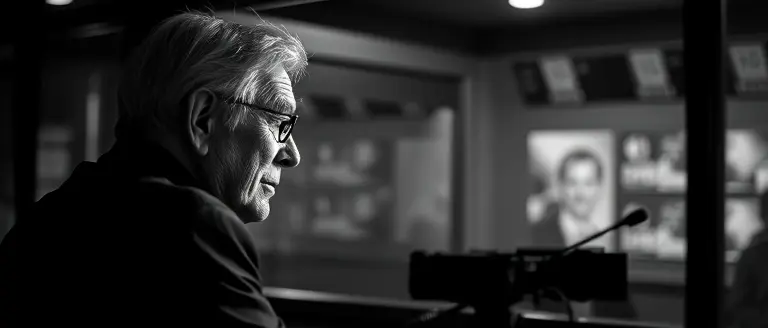
For over three decades, the voice of John Sterling served as the heartbeat of summer in the tri-state area. From his debut behind the microphone in 1989 through his retirement in April 2024, Sterling was more than just a broadcaster; he was a constant, comforting presence for millions of New York Yankees fans. Following the news that John Sterling died on May 4, 2026, the sports world has been united in mourning, reflecting on a career that defined the modern era of baseball radio. His theatrical delivery, punctuated by his trademark “Yankees win! Theeeee Yankees win!” call, transformed routine regular-season games into grand, dramatic theater.
The Art of the Signature Call
Sterling’s legacy is inextricably linked to his personalized home run calls, a stylistic innovation that made him a polarizing but beloved figure in the MLB community. While Jon Sterling (as he was affectionately known by his dedicated listeners) occasionally drew critiques for his unique flair, his commitment to the craft remained undisputed. Key elements of his broadcast style included:
- Theatrical Cadence: Sterling treated every pivotal moment as if it were Game 7 of the World Series, elevating the stakes for the listener at home.
- Iconic Sign-offs: His post-game recaps became ritualistic, grounding fans in the outcome with a level of enthusiasm that rarely waned over 36 seasons.
- Relentless Dedication: Even during his later years, his preparation remained meticulous, ensuring every player on the diamond received a bespoke introduction.
Beyond the box scores, Sterling represented a bridge between generations of baseball fandom. Whether he was narrating the late-90s dynasty or the rebuilding years that followed, his voice remained a steady, reliable companion. As fans across the country process the news that John Sterling is dead, the overwhelming sentiment remains one of gratitude for his longevity and the vibrant, high-energy soundtrack he provided to the history of the Bronx Bombers. There will, quite simply, never be another voice like his.
The Enduring Cultural Impact of an MLB Icon

For over three decades, John Sterling served as the sonic signature of the New York Yankees, transcending the role of a traditional play-by-play announcer to become a cultural institution in his own right. Following the news that John Sterling died on May 4, 2026, the outpouring of grief from the Bronx to the global sports community underscores just how deeply he wove himself into the fabric of New York identity. Sterling did not merely call games; he curated the soundtrack of baseball for generations of fans. His theatrical delivery and unique flair for the dramatic helped maintain the Yankees’ status as a global sports brand, turning routine summer broadcasts into high-stakes theater.
A Legacy Defined by Personality and Passion
Sterling’s influence extended far beyond his booth at Yankee Stadium. By infusing the game with his signature home run calls, he transformed individual player achievements into memorable, broadcast-defining moments that fans eagerly anticipated. This theatrical style, often imitated but never replicated, bridged the gap between old-school baseball traditions and the modern media landscape.
His contribution to sports broadcasting included:
- The “Sterling Effect”: He championed a brand of unabashed enthusiasm that encouraged fans to engage more deeply with players, essentially creating a personal brand for the roster through his unique monikers.
- Broadcasting Evolution: His tenure, which spanned parts of 36 seasons, served as a masterclass in radio storytelling, proving that a broadcaster’s personality is as crucial as the game action itself.
- Cultural Connection: As the voice of the team, he provided a consistent, comforting presence for New Yorkers, acting as the bridge between the team’s historical weight and its contemporary successes.
While the community mourns because John Sterling is dead, the legacy of his voice remains an indelible part of the Yankees’ history. He proved that high-level broadcasting is not just about relaying statistics, but about capturing the emotional pulse of a fanbase. Through his decades of dedication, John Sterling ensured that the Yankees would remain a permanent fixture in the cultural conversation of New York City, leaving behind a blueprint for how an announcer can truly become the heartbeat of a franchise.
Honoring the Gift of Your Own Auditory Legacy
John Sterling’s ability to turn a simple radio broadcast into a high-stakes, cinematic experience reminds us just how vital our own hearing is to connecting with the world we love. His life’s work was dedicated to the craft of listening and being heard, ensuring that fans never missed the nuance of a game-changing play. Today, his legacy challenges us to consider our own sensory health and the importance of preserving the faculties that allow us to engage with our most cherished memories and daily joys.
Just as Sterling ensured every fan heard every detail of a summer night at the stadium, it is essential that you protect your own auditory clarity for the years to come. Audifort is uniquely formulated to support optimal hearing health, helping you stay tuned into the sounds that define your life—whether it is the call of a game or the voices of your loved ones. Prioritizing your hearing is a profound way to honor the gift of listening, ensuring you never miss a beat of the world around you.
By integrating Audifort into your routine, you are making a commitment to your long-term wellness, ensuring that your connection to the world remains as vibrant and clear as Sterling’s commentary was for generations of Yankees fans. Take control of your auditory future today.
 Just as Sterling ensured every fan heard every detail, ensure you are protecting your own clarity; learn more about supporting your hearing health with Audifort here.Protect My Hearing Today!