
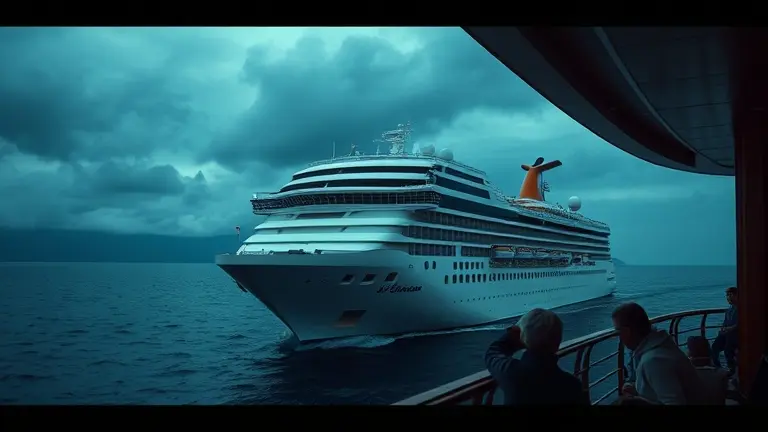
On May 4, 2026, the global maritime and public health communities turned their attention to the MV Hondius, a cruise ship currently stranded off the coast of Cape Verde. After being denied docking permission by local authorities, the vessel, which departed from Ushuaia, Argentina, on March 20th, remains at the center of a developing health crisis. With reports confirming three deaths and multiple passengers suffering from severe illness, investigators have identified a suspected hantavirus outbreak as the cause, triggering widespread international concern and a rush for clarity on the nature of this rare, often misunderstood, pathogen.
The sudden association between a luxury cruise ship and a rodent-borne virus has understandably sparked confusion and anxiety among travelers worldwide. While the World Health Organization (WHO) currently states that the risk to the general public remains low, the incident underscores the necessity of understanding viral transmission vectors in maritime settings. From the biological realities of how hantavirus moves from animal vectors to human hosts, to the rigid sanitary protocols required to keep cruise vessels safe, we explore the essential facts you need to navigate these headlines with confidence and evidence-based perspective.
Update: MV Hondius Cruise Ship Outbreak Status
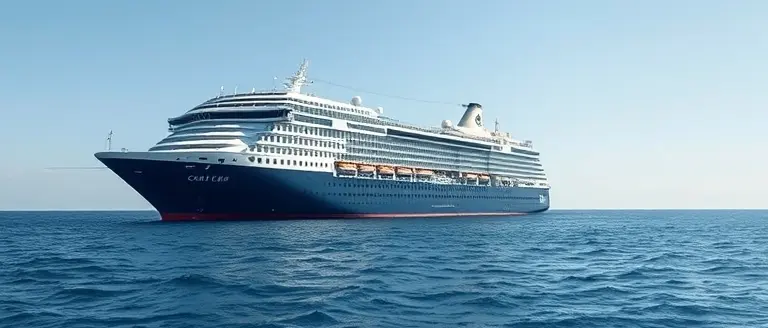
As of May 4, 2026, the international maritime community remains focused on the MV Hondius, which is currently held in isolation off the coast of Cape Verde. The vessel, which departed from Ushuaia, Argentina, on March 20th, has become the center of a complex public health emergency following a suspected hantavirus outbreak among its 150 passengers and crew. Local authorities have denied the ship permission to dock, citing the need to prevent the potential spread of the pathogen, while international medical teams coordinate with the vessel to manage the escalating crisis.
Current Medical Situation and Containment Efforts
The human impact of the incident is significant, with authorities confirming three deaths directly linked to the suspected infection. Reports indicate that several other passengers remain in serious condition, requiring advanced medical support that is currently being facilitated via emergency maritime protocols. The situation on board is being treated with extreme caution, as health agencies investigate how a virus typically associated with terrestrial rodent populations managed to impact a cruise ship environment.
Key facts regarding the current status of the MV Hondius include:
- Confirmed Casualties: Three deaths have been officially reported among the passenger cohort.
- Medical Status: A medical quarantine is strictly enforced on the vessel, with international health agencies monitoring the health of the remaining passengers.
- Containment: The vessel remains anchored off Cape Verde under strict maritime authority, with no current timeline for port access or evacuation.
Despite the gravity of the situation, the World Health Organization (WHO) has issued a statement emphasizing that the risk of a broader hantavirus outbreak to the general public remains low. This assessment is based on the biological nature of the virus, which does not typically spread through person-to-person contact, reinforcing the necessity for calm, evidence-based observation as the investigation continues.
Understanding Hantavirus: Origins and Transmission

Hantavirus refers to a group of viruses belonging to the Hantaviridae family, primarily carried by rodents. Unlike many respiratory viruses that dominate global health headlines, hantavirus is a zoonotic disease, meaning it is primarily transmitted from animals to humans rather than through typical human-to-human contact. The virus is shed in the urine, feces, and saliva of infected rodents—such as deer mice or rats—and the primary pathway for human infection is the aerosolization of these viral particles. When dried excreta are disturbed, microscopic droplets containing the virus become airborne; humans then inhale these particles, which can lead to severe clinical conditions like Hantavirus Pulmonary Syndrome (HPS).
Mechanisms of Exposure and Transmission
The biology of the hanta virus makes it highly distinct from person-to-person communicable diseases like influenza or COVID-19. Because the virus is not naturally adapted for human-to-human transmission, the current hantavirus outbreak linked to the MV Hondius has prompted rigorous scientific investigation. Experts emphasize that for an infection to occur in a closed environment like a cruise ship, there must be a primary vector—typically the presence of infested rodents within the vessel’s food storage, cargo, or living quarters.
Key factors regarding transmission include:
- Aerosolized Particles: Transmission occurs most frequently when contaminated dust or droplets are inhaled in poorly ventilated spaces.
- Direct Contact: Handling live or dead infected rodents, or coming into contact with their nesting materials, poses a significant risk.
- Vector Absence: In the absence of an infected rodent population, the risk of sustaining a new hantavirus infection in a human-populated area is statistically negligible.
- Non-Contagious Status: With the exception of the rare Andes virus strain, hantaviruses are not transmitted via casual contact, coughing, or sneezing between people.
Understanding these biological constraints is essential for addressing the anxiety surrounding the cruise ship hantavirus incident. While the situation remains under intensive medical review, the core epidemiological evidence continues to suggest that the virus requires a rodent host to maintain its transmission cycle, separating it fundamentally from pandemic-capable respiratory pathogens.
Assessing Risk: Why Hantavirus Can Occur in Maritime Environments

The emergence of a suspected hantavirus outbreak on a cruise ship, such as the MV Hondius, can be perplexing to the general public because the virus is primarily associated with terrestrial rodent populations. It is critical to clarify that hantavirus does not spontaneously generate in maritime environments; it requires a specific, established vector. In a shipboard setting, the primary transmission risk arises from the unintended introduction of infected rodents during port calls. Ships often dock in diverse locations where rodents—specifically mice or rats—may board via mooring ropes, gangways, or contaminated cargo shipments. Once on board, if these rodents nest in secluded areas such as internal hull voids, ventilation systems, or food storage lockers, they can shed the virus through their urine, feces, or saliva.
Understanding Transmission Vectors on Vessels
Human exposure occurs when the virus becomes aerosolized. If cleaning crews or passengers disturb dried rodent excreta in confined or poorly ventilated spaces, they risk inhaling the viral particles. While the MV Hondius situation has raised significant alarm, it is important to distinguish this from more common communicable diseases. Unlike respiratory viruses that spread rapidly from person to person, hantavirus typically involves a direct environmental trigger. Factors that could exacerbate risk on a vessel include:
- Contaminated Cargo: Introduction of rodents via pallets or supplies loaded during stops in regions with high rodent density.
- Storage Seclusion: Rodents nesting in long-term food storage or dry goods, leading to localized contamination.
- Environmental Disturbance: Maintenance work in dormant areas of the ship that may have been colonized by rodents, leading to the aerosolization of waste matter.
Public health experts emphasize that while the prospect of a hantavirus cruise ship incident is rare, strict rodent control programs remain the bedrock of maritime safety. By securing mooring lines and implementing rigorous sanitation audits, cruise operators mitigate the potential for rodent entry. Current evidence suggests that the risk to the general public remains low, as transmission requires close, prolonged contact with an environment heavily contaminated by specific, infected rodent hosts, rather than casual contact with other passengers.
Traveler Safety: Sanitary Best Practices on Cruise Ships

While the ongoing situation involving the MV Hondius has understandably generated public anxiety regarding the risk of a hantavirus outbreak on a cruise ship, it is important to contextualize this as an extremely rare event. Cruise lines operate under rigorous international maritime sanitation standards, including the Vessel Sanitation Program (VSP) managed by the CDC, which requires regular inspections to mitigate pest risks. While hantavirus is primarily a rodent-borne pathogen—typically contracted through contact with infected droppings, saliva, or urine—modern cruise vessels are built with advanced architectural barriers to prevent vermin entry during port calls in regions like Ushuaia, Argentina.
To ensure peace of mind and maintain personal health standards while traveling, passengers should adhere to common-sense sanitary practices. These measures help minimize exposure to a wide variety of environmental hazards, not just potential rodent-borne illnesses.
Essential Sanitary Guidelines for Passengers
- Report Pest Sightings: If you notice any evidence of pests, such as droppings or structural damage within your cabin or common areas, notify the ship’s crew or guest services immediately. Do not attempt to interact with or disturb the area.
- Maintain Cabin Hygiene: Keep your cabin organized and avoid leaving food, crumbs, or open containers in exposed areas, as these can inadvertently attract pests.
- Avoid Restricted Areas: Stick to designated passenger zones. Avoid attempting to access unauthorized ship areas, such as storage holds, supply closets, or deck-level cargo spaces where environmental sanitation is harder to control.
- Practice Standard Respiratory Hygiene: While hantavirus is not typically spread via person-to-person contact, maintaining general respiratory health—such as washing hands frequently and covering coughs—remains a cornerstone of safe travel.
- Stay Informed: Follow instructions provided by the cruise line’s medical staff if an unusual health event occurs on board. Following official protocols is the most effective way to protect yourself and others.
Ultimately, international maritime laws and strict health oversight make cruises a safe mode of travel. By maintaining awareness of your surroundings and adhering to these basic hygiene principles, you can significantly reduce risks while enjoying your voyage. If you have specific medical concerns, consult with your primary physician or travel health specialist before embarking on your journey.
Bolstering Your Personal Wellness Defenses
As the international community monitors the situation aboard the MV Hondius, the incident serves as a stark reminder of the complexities of global health in our interconnected travel landscape. While medical experts emphasize that hantavirus transmission is typically linked to environmental exposure rather than casual human interaction, the event highlights the broader importance of maintaining robust personal health defenses while traversing the globe.
While maintaining strict hygiene is essential for preventing the spread of pathogens, many travelers are also looking for ways to strengthen their internal defenses and respiratory wellness before their next voyage. This is where a proactive approach to your personal microbiome becomes a strategic advantage. By prioritizing the health of your oral and sinus environment, you are actively supporting the body’s first line of defense against external microbial threats.
ProDentim offers a scientifically grounded approach to supporting your upper respiratory system and sinus health through a balanced oral microbiome. By integrating this supplement into your wellness routine, you are taking a proactive step toward fortifying your system, helping you feel more confident and secure in your health as you prepare for your future travels.
 Discover how to support your respiratory and immune readiness for your next trip at the link below.Secure My Respiratory Defense Today!