
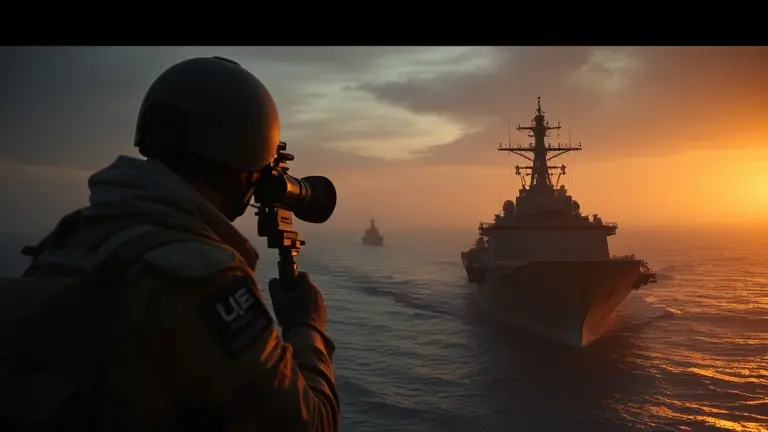
As the conflict between the US, Israel, and Iran enters a volatile new phase, global audiences are increasingly turning to Al Jazeera for its raw, on-the-ground reporting. From the high-stakes confrontation near the Strait of Hormuz to the ongoing ceasefire negotiations in Gaza, the network has become a primary touchpoint for those seeking a direct view of a shifting geopolitical reality. However, for the average observer, the sheer velocity of these updates can lead to profound information fatigue, making it difficult to discern long-term strategic implications from the noise of the daily news feed.
In an era of relentless breaking news and geopolitical instability, protecting your ability to think clearly is just as critical as staying informed. Moving beyond the emotional intensity of live updates requires a higher level of cognitive stamina and analytical detachment. To effectively parse these complex military and diplomatic developments, we must shift our focus from passive consumption to active, strategic synthesis, ensuring that our perspective remains clear even as the world around us becomes increasingly unpredictable.
Why Al Jazeera is the Focal Point of Current Mideast Conflict Coverage
As the US-Iran escalation near the Strait of Hormuz reaches a critical juncture, Al Jazeera has emerged as a primary digital destination for audiences seeking real-time updates. The network’s surge in global traffic is largely attributed to its unique operational positioning, which often places reporters directly on the front lines of the conflict in Gaza and within the geopolitical hotspots of the Middle East. By maintaining a robust physical presence in areas where Western outlets may rely on secondary sourcing, the network offers a distinct “on-the-ground” perspective that many users feel is missing from traditional mainstream coverage.
Drivers of Audience Shift
The current informational vacuum regarding the 66-day conflict has led to a significant shift in news consumption patterns. Viewers are actively seeking out the network for several key reasons:
- Direct Reporting: The network provides granular, minute-by-minute updates from Gaza and the Persian Gulf, filling the gap for those dissatisfied with the pace of standard Western news cycles.
- Alternative Perspectives: Many users turn to these feeds to synthesize information that accounts for regional political nuances often omitted or summarized by domestic outlets.
- High-Urgency Monitoring: With tensions escalating following the reported strike on a US navy destroyer, the demand for an immediate, non-filtered stream of events has made the network’s liveblog a mission-critical resource.
This reliance on Al Jazeera reflects a broader trend: in periods of high-stakes geopolitical instability, audiences increasingly prioritize proximity to the event over institutional alignment. While Western mainstream media focuses on high-level diplomatic statements, this network’s emphasis on localized, real-time reporting acts as a vital counterbalance. Consequently, it has become the focal point for observers attempting to piece together the tactical reality of a conflict that threatens to expand into a larger regional war. As the situation in the Strait of Hormuz evolves, the network remains the go-to source for those monitoring the immediate consequences of these flashpoints.
The Strait of Hormuz: Strategic Implications of Recent Naval Clashes

The recent engagement involving a US navy destroyer near the Strait of Hormuz represents a dangerous escalation in the 66-day conflict between Iran and Western-aligned interests. As reported by Al Jazeera, the strike has shifted the tactical reality from localized skirmishes to a direct threat against international maritime freedom. The Strait of Hormuz serves as a vital choke point for global energy markets; approximately one-fifth of the world’s total oil consumption transits through this narrow passage daily. Any sustained military activity here does not merely represent a regional security challenge but poses an immediate risk of a global energy crisis and a significant spike in crude oil prices.
From a strategic perspective, the military significance of this clash lies in the vulnerability of naval assets in confined waters. Unlike open-ocean combat, the topography of the Strait limits maneuverability, favoring asymmetric tactics such as drone swarms or fast-attack craft. Analysts tracking these developments through Al Jazeera’s live updates note that Iran’s warnings to the US regarding ship guidance signal an intent to assert territorial control over these shipping lanes. To understand the broader implications, consider the following factors:
- Global Supply Chain Dependency: A prolonged blockade or severe disruption would force tankers into longer, costlier routes, impacting inflation rates across the United States and Europe.
- Asymmetric Warfare: The use of land-based anti-ship missiles and naval mines against a US destroyer underscores the shift toward high-stakes, low-cost military confrontations.
- Escalation Thresholds: The intersection of US-Israel military coordination and Iranian defensive posturing creates a volatility loop where a single miscalculation could trigger a full-scale regional conflict.
While headlines focus on the immediate exchange of fire, the long-term reality is that the Strait remains the most sensitive pressure point in the current geopolitical landscape. The increased reliance on independent reporting from networks like Al Jazeera reflects a public necessity for clarity as military and legal frameworks governing these waters are tested in real time.
What Happens Next: Scenarios for Regional Escalation

As the conflict enters its 66th day, the geopolitical landscape surrounding the Strait of Hormuz has reached a critical inflection point. Al Jazeera’s ongoing coverage highlights a narrowing window for diplomatic intervention as both Tehran and Washington signal hardening stances following the reported strike on a U.S. navy destroyer. Analyzing potential trajectories requires weighing the tactical military reality against the high-stakes rhetoric currently dominating international discourse. The primary concern among regional experts is the transition from localized skirmishes to a broader, sustained regional war that could disrupt global energy supplies and draw in secondary international powers.
Potential Tactical Trajectories
To understand the evolving crisis, analysts are observing three distinct paths that could unfold in the coming weeks:
- Managed De-escalation: This scenario relies on back-channel communications to establish a new “rules of engagement” framework in the Strait, effectively freezing the current status quo to prevent further direct naval friction.
- The Containment Failure: A miscalculation or secondary strike on maritime assets could trigger a kinetic response, moving beyond isolated naval confrontations into a multi-front theater involving regional proxies and significant military infrastructure targeting.
- Total Blockade Scenarios: Should Iran act on its threats to assert sovereignty over the Strait, the immediate international response would likely involve an intensive multinational naval escort mission, further escalating the presence of U.S. and allied forces.
The pivot toward Al Jazeera for real-time updates suggests that audiences are seeking granular, on-the-ground reporting that traditional Western outlets may synthesize differently. For stakeholders, the economic implications are immediate: market volatility remains tethered to any confirmation of shipping disruptions. As the situation remains fluid, observers must distinguish between high-intensity rhetoric designed for domestic consumption and the actual movement of naval assets, which remains the primary indicator of imminent escalation. Ultimately, the next phase of this conflict will depend on whether diplomatic off-ramps can be secured before the current maritime friction forces a permanent strategic pivot.
Navigating Rapid News Cycles: A Fact-Based Guide

In a climate of high-stakes geopolitical tension, where the US-Israel war on Iran dominates the global information landscape, the sheer velocity of breaking news can be overwhelming. Audiences increasingly rely on Al Jazeera for its immediate, on-the-ground reporting of volatile flashpoints, such as the mounting friction in the Strait of Hormuz. To maintain a balanced perspective without falling victim to the inevitable misinformation that accompanies fast-moving crises, viewers should adopt a systematic approach to news consumption. Rather than reacting to every headline, prioritize synthesis by cross-referencing live feeds with verified diplomatic statements and official military briefings.
Framework for Verifying High-Stakes Reporting
When navigating the complex coverage surrounding the conflict in Gaza or maritime escalations, consider the following strategy to ensure accuracy:
- Triangulate Your Sources: Compare the immediate, high-intensity reporting from Al Jazeera with official press releases from the U.S. Department of Defense, the Iranian Ministry of Foreign Affairs, and neutral international observers. If a report surfaces without corroboration from a second, independent source, treat it as a developing claim rather than a settled fact.
- Analyze the Tactical Context: Look for the “What happens next” implications rather than focusing solely on individual military maneuvers. Understanding the strategic objectives—such as the recent warnings regarding vessel guidance in the Strait of Hormuz—provides necessary context that prevents emotional overreaction to single events.
- Identify the Information Vacuum: Recognize that in times of war, official information is often delayed to protect operational security. When an information gap exists, avoid filling it with social media speculation; instead, lean on analytical synthesis from established outlets that provide historical and legal context.
By treating news as a developing mosaic rather than a collection of isolated incidents, you can effectively filter the noise of the 24-hour cycle. Focus on consistency across reputable platforms to verify the accuracy of claims, and prioritize the analysis of long-term diplomatic shifts over the rapid-fire exchange of daily updates.
Mastering Clarity Amidst Global Turbulence
In a world defined by the rapid-fire headlines originating from Al Jazeera’s coverage of the escalating tensions near the Strait of Hormuz, the challenge lies in processing overwhelming information without succumbing to fatigue. Distinguishing the tactical reality from emotional rhetoric is essential, yet the constant bombardment of high-stakes news naturally triggers cognitive decline and sensory burnout. Maintaining your analytical edge during such volatile times is not just a preference; it is a necessity for anyone navigating the current geopolitical landscape.
Protecting your ability to think clearly is just as critical as staying informed. When your mental bandwidth is depleted by the chaotic news cycle, you lose the capacity to perform the deep-dive synthesis required to separate signal from noise. This is where The Brain Song serves as your ultimate informational defense tool. By optimizing your neural pathways, it restores the cognitive resilience and mental sharpness you need to process complex military and diplomatic developments without the weight of burnout.
As you seek to understand the implications of the ongoing conflict, ensure your mind is a precision instrument rather than a casualty of information overload. By integrating this 12-minute brain-optimization routine into your day, you transition from a passive consumer of anxiety-inducing media to an empowered, analytical observer capable of discerning what truly happens next.
 Reclaim your focus and process complex geopolitical developments with greater clarity—click here to start your daily 12-minute brain-optimization routine.Transform My Focus Today