
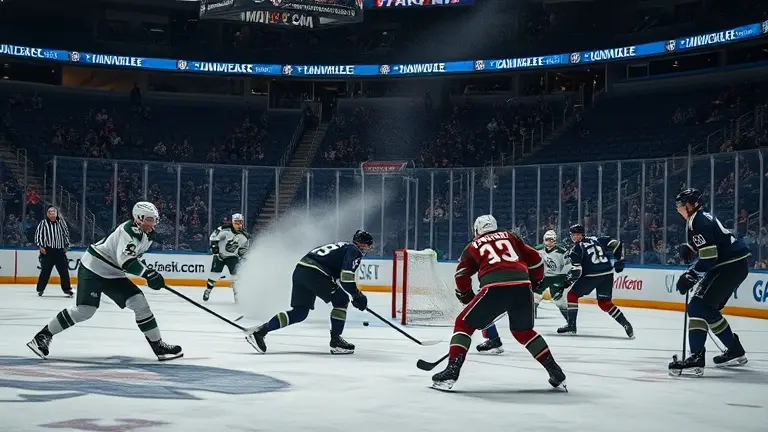
If you have been frantically searching for the mn wild score after last night’s series opener, you are not alone. The 9-6 avalanche in Denver was not just a game; it was a defensive collapse that sent shockwaves through the NHL Stanley Cup Playoffs. While fans are asking, "did the wild win last night?" the reality of the 15-goal thriller is far more sobering for Minnesota supporters. This wasn’t just a high-scoring anomaly; it was a masterclass in defensive vulnerability exposed by a Colorado squad that took full advantage of a Minnesota roster clearly missing the stabilizing presence of Joel Eriksson Ek and Jonas Brodin.
As the series shifts toward Tuesday’s Game 2, the question is no longer just about the final score—it is about whether the Wild can bridge the gap in their tactical execution. With Cale Makar back in the lineup and dictating the tempo, Minnesota must address the glaring gaps in their defensive transition before they face a 0-2 deficit. This article dives deep into the turning points of Game 1, dissecting the tactical failures that turned a playoff showdown into a track meet, and identifying the adjustments needed to keep their championship dreams alive.
,slug:
Game 1 Recap: Breaking Down the 9-6 Avalanche Victory
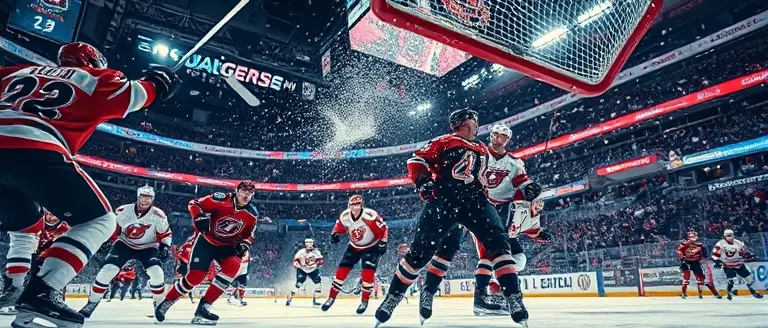
The Minnesota Wild found themselves on the wrong side of a chaotic 9-6 scoreline on May 3, 2026, as the second-round series against the Colorado Avalanche opened with a rare 15-goal offensive explosion. While playoff hockey is typically characterized by tight defensive structures and disciplined play, Game 1 in Denver devolved into a high-scoring shootout that defied conventional postseason expectations. Many fans waking up on May 4 were left asking, “did the wild win last night?” only to discover a lopsided result that has immediately shifted the momentum of the series in favor of Colorado.
The defensive breakdowns were evident from the opening period, as both teams traded scoring chances with alarming frequency. For Minnesota, the absence of key defensive stalwarts Joel Eriksson Ek and Jonas Brodin was glaring. These two players are foundational to the Wild’s ability to suppress high-danger scoring chances, and their absence left significant gaps that the Avalanche’s potent offense exploited with surgical precision. Without their top-tier shutdown presence, Minnesota’s defensive structure crumbled under the pressure of Colorado’s transition game, particularly as Cale Makar dictated the pace of play upon his return to the lineup.
Key factors contributing to the final mn wild score and the resulting 0-1 series deficit included:
- Defensive Instability: The lack of veteran leadership on the back end led to frequent coverage lapses and odd-man rushes for the Avalanche.
- Special Teams Disparity: With the game becoming a track meet, the Wild failed to contain Colorado’s power play, which took advantage of the open ice.
- Personnel Gaps: The confirmed absence of Eriksson Ek and Brodin limited head coach strategy, forcing depth players into high-leverage roles they were not prepared to manage against a team of Colorado’s caliber.
As the series moves toward Game 2 on May 5, the Wild must reconcile their offensive production—which was admittedly effective—with a total lack of defensive containment. Scoring six goals in a playoff game is usually enough to secure a win, but the defensive vulnerability displayed in Game 1 suggests that Minnesota must drastically tighten its neutral-zone play to avoid falling into an insurmountable 0-2 hole before the series heads back to Saint Paul.
The Impact of Missing Eriksson Ek and Brodin
The lopsided 9-6 mn wild score in Game 1 against the Colorado Avalanche highlighted a glaring vulnerability in Minnesota’s lineup: the absence of two foundational pillars, Joel Eriksson Ek and Jonas Brodin. While fans searching for “did the wild win last night” were met with a disappointing outcome, tactical analysis suggests that the defensive collapse was not merely a matter of poor execution, but a direct consequence of missing the team’s most vital defensive-minded anchors. Without these players, Minnesota’s structural integrity vanished, allowing Colorado’s high-octane offense to exploit gaps that would typically be neutralized.
Defensive Breakdown and Structural Vulnerabilities
The loss of Jonas Brodin proved catastrophic for the Wild’s transition defense. Brodin is the primary stabilizer on the blue line, responsible for calm puck distribution and blocking high-danger shots. In his absence, the defensive pairings struggled to maintain gap control against the speed of Colorado’s transition game. Evidence from Game 1 suggests that the Minnesota defensive core was consistently caught out of position, leading to odd-man rushes that the goaltender could not mitigate. Key factors included:
- Loss of Shutdown Pairings: The defensive rotation lacked the personnel to effectively neutralize Colorado’s top-six forwards.
- Failed Transitions: Without Brodin’s ability to move the puck under pressure, the Wild were frequently trapped in their own zone.
- Increased High-Danger Chances: Defensive lapses resulted in significantly higher slot-shot attempts than Minnesota allowed during the regular season.
Faceoff Efficiency and Puck Possession
The absence of Joel Eriksson Ek significantly hindered Minnesota’s ability to control the tempo. As one of the team’s premier defensive centers, Eriksson Ek is essential for faceoff wins in the defensive zone and stifling opposing playmakers. Without him, the Wild struggled to win critical draws, forcing the team to spend excessive time defending in their own end. This loss of possession created a cumulative fatigue effect that left the defense vulnerable to Colorado’s sustained pressure. As the series moves toward Game 2, Minnesota must find a way to stabilize these roles, or the defensive gaps will continue to be exploited by the Avalanche’s elite offensive rotation.
Tactical Adjustments: How Minnesota Can Rebound for Game 2
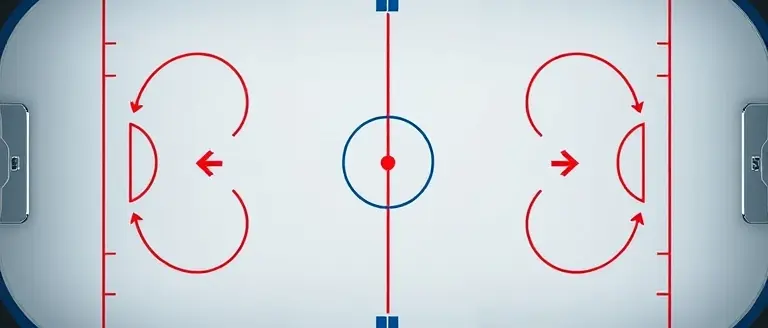
To address the mn wild score of 9-6, the coaching staff must fundamentally shift from the high-event transition game that defined the Game 1 disaster. The absence of defensive anchors Joel Eriksson Ek and Jonas Brodin was glaring, as Minnesota repeatedly failed to manage the neutral zone, allowing Colorado’s speed to exploit gaps in their coverage. Without their top-tier shutdown presence, the Wild’s defensive structure collapsed under the pressure of Colorado’s rejuvenated forward core. For Game 2 on May 5, the primary focus must be on tightening the defensive shell and suppressing high-danger scoring chances.
Defensive Restructuring and Neutral Zone Discipline
Evidence suggests that Minnesota’s defensive breakdowns were largely caused by aggressive pinch-ins by defensemen who lacked the recovery speed to track back against Colorado’s fast-breaking wingers. To improve their chances, the Wild must adopt a more conservative 1-3-1 neutral zone trap to force the Avalanche to dump the puck rather than entering with possession. Furthermore, the coaching staff needs to simplify exits from the defensive zone, prioritizing safe passes over high-risk cross-ice feeds that resulted in multiple odd-man rushes.
- Implement a more conservative defensive shell: Limit aggressive pinching to ensure defenders are always positioned between the puck and the goaltender.
- Focus on puck management: Reduce turnovers in the neutral zone, which were the primary catalyst for the 15-goal outburst.
- Support the goaltending core: Provide consistent lane coverage to prevent high-slot one-timers, which were rampant in Game 1.
- Adjust for personnel gaps: Since did the wild win last night was a resounding “no,” the team must compensate for the missing leadership of Eriksson Ek and Brodin by playing a team-wide, committee-based defensive system rather than relying on individual brilliance.
By prioritizing structural integrity over offensive ambition, Minnesota can neutralize the Avalanche’s momentum and force a tighter, lower-scoring affair that keeps them competitive in this best-of-7 series.
Looking Ahead: Series Trajectory and Expectations for Tuesday
As the series shifts toward Game 2 on May 5, the mn wild score from the opening matchup serves as a stark reminder of the defensive volatility currently facing Minnesota. Falling into a 0-1 hole is never ideal, but the psychological weight of a 9-6 loss presents a unique challenge for the coaching staff. Colorado’s offense, bolstered by the return of Cale Makar, successfully exploited gaps in the Wild’s neutral zone coverage, turning what should have been a standard playoff clash into a high-octane offensive display. Fans asking “did the wild win last night” are now pivoting to a more pressing question: can Minnesota tighten their structure enough to prevent a 0-2 deficit before the series returns to St. Paul?
Defensive Adjustments and Tactical Priorities
To stave off a commanding Colorado lead, Minnesota must prioritize several tactical shifts. Without the defensive stability of Jonas Brodin and the shutdown capabilities of Joel Eriksson Ek, the Wild looked uncharacteristically disorganized in their own end during Game 1. Key areas for improvement include:
- Neutral Zone Neutralization: Minnesota must force Colorado into perimeter play rather than allowing high-danger cross-ice passes that fueled the 15-goal outburst.
- Goaltender Support: Reducing the number of odd-man rushes is essential to protecting the net, as the defensive breakdowns left their goalie isolated against Colorado’s elite transition game.
- Special Teams Efficiency: Given the high-scoring nature of this series, staying out of the penalty box is vital to avoid giving a momentum-heavy Avalanche squad additional power-play opportunities.
If Minnesota fails to adjust their defensive posture for Tuesday, Colorado’s confidence will likely translate into a commanding series lead. However, playoff history suggests that teams often bounce back after outlier defensive performances; a disciplined, lower-scoring affair in Game 2 would play heavily into Minnesota’s favor, forcing the series into a reset before the venue change.
Mastering the Tactical Chessboard
Game 1 was a chaotic spectacle, but it served as a brutal reminder that championships are won through structure, not shootouts. The Minnesota Wild’s defensive lapses, compounded by the significant absences of Eriksson Ek and Brodin, turned a marquee playoff matchup into a tactical nightmare. As we look toward Game 2, the team’s ability to adjust their defensive coverage and neutralize Cale Makar will determine if they can claw their way back into this series or fall into an insurmountable hole.
Understanding these high-speed defensive breakdowns requires more than just passive viewing; it demands an elite level of cognitive sharpness. Watching the frantic pace of a 15-goal game can blur the details of the very errors that decided the outcome. Just as the Minnesota Wild need to sharpen their awareness on the ice, you need to sharpen your own focus to decode these complex tactical shifts that others might miss.
This is where The Brain Song becomes your ultimate secret weapon for the playoffs. By enhancing your mental clarity and processing speed, it transforms your viewership from passive consumption into an active, high-focus analytical pursuit, allowing you to identify the specific defensive nuances that shift momentum in real time. Don’t let the speed of the game leave you guessing; unlock your peak analytical performance before Game 2 by sharpening your focus with The Brain Song.
 Unlock your peak analytical performance before Game 2 by sharpening your focus with The Brain Song.Sharpen My Analytical Edge Now!