

As the clay dust settles following an electrifying Madrid Open, the tennis world turns its collective gaze toward the iconic Foro Italico for the 2026 Rome Open. With Jannik Sinner riding an unprecedented wave of momentum and the tournament landscape shifting dramatically due to Carlos Alcaraz’s unfortunate injury, the stakes in Italy have never been higher. This isn’t just another stop on the ATP and WTA tours; it is a tactical crucible where historical narratives are being written in real-time, and where the slightest mental lapse can lead to a championship exit.
For the devoted fan, tracking the nuanced shift in court speed from Madrid to Rome—and decoding why the draw is opening up in such unpredictable ways—requires more than just casual observation. It demands a level of analytical precision that matches the intensity displayed on the red clay. As we navigate this high-stakes tournament, understanding the intersection of peak physical performance and, more importantly, elite cognitive focus, has become the defining edge for those who want to truly master the tactical chaos of the Internazionali BNL d’Italia.
The Road to Rome: Expectations Following the Madrid Open
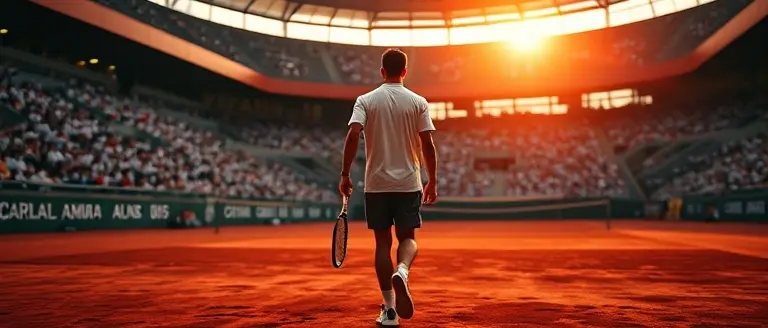
The tennis world shifts its focus rapidly from the high-altitude conditions of Madrid to the historic red clay of the Foro Italico as the 2026 Rome Open begins. The momentum entering this year’s Internazionali BNL d’Italia is arguably at an all-time high, driven by Jannik Sinner’s unprecedented run of form. Having secured his fifth consecutive ATP Masters 1000 title in Madrid, the Italian world number one enters his home tournament as the undisputed favorite. For local fans, the pressure and expectation surrounding Sinner are palpable, as he attempts to translate his hard-court dominance and recent clay-court evolution into a career-defining victory on Italian soil.
The Impact of Key Absences and Shifts
The tournament narrative has shifted significantly following the announcement that Carlos Alcaraz has withdrawn due to a persistent wrist injury. This high-profile absence fundamentally alters the trajectory of the draw and creates a massive vacuum at the top of the bracket. Tactical experts and fans on platforms like Reddit are already dissecting how this injury impacts the broader ATP landscape leading into the French Open. With Alcaraz sidelined, the path for contenders like Daniil Medvedev and Stefanos Tsitsipas becomes both clearer and more pressurized, as the tournament moves toward a potential clash of styles on a surface that demands more patience than the quick courts of Madrid.
- Sinner’s Streak: The psychological advantage of a five-title streak cannot be understated as he shoulders the hopes of the host nation.
- The Alcaraz Void: His withdrawal forces a reshuffling of the draw, increasing the importance of early-round matches for secondary seeds.
- Surface Nuances: Unlike Madrid’s thin-air environment, the Rome clay provides a more traditional, grinding experience that favors tactical point construction and physical endurance.
As the field prepares for the grueling two-week stretch, the focus remains on whether Sinner can withstand the weight of expectation or if an underdog will capitalize on the chaotic opening rounds caused by the injury-hit draw.
Key Draw Shifts: Navigating the Rome Open Without Alcaraz
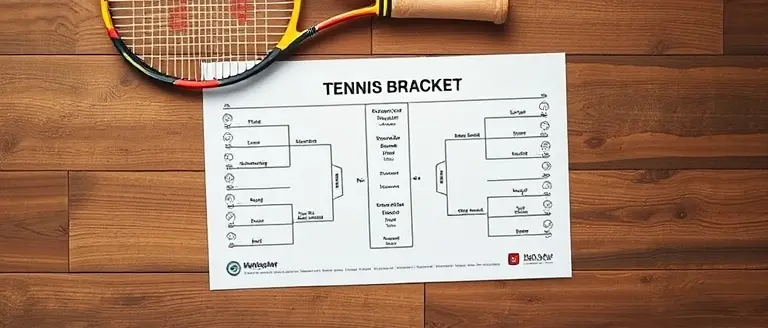
The withdrawal of Carlos Alcaraz due to a lingering wrist injury has fundamentally altered the competitive landscape of the 2026 Rome Open. With one of the world’s most formidable clay-court specialists removed from the top half of the bracket, the Internazionali BNL d’Italia now presents a vacuum that creates unprecedented opportunities for high-ranked contenders and ambitious underdogs alike. Alcaraz’s absence significantly impacts the tournament’s tactical narrative, shifting the pressure onto home favorite Jannik Sinner to anchor the event as he pursues a historic “Golden Masters” trajectory.
Redefining the Path to the Quarter-Finals
The removal of a top-seeded threat like Alcaraz effectively softens the route for players positioned in his immediate section of the draw. This shift rewards consistency, as mid-tier seeds and rising talents now face a more manageable path to the quarter-finals. Key beneficiaries of this reshuffling include:
- Tactical Openings: Players known for heavy topspin baseline games are poised to capitalize on the vacuum, as the absence of Alcaraz’s aggressive drop-shot and net-rushing variety simplifies the defensive requirements for their early-round opponents.
- The Medvedev-Tsitsipas Factor: As noted in active fan discourse, the absence of the Spaniard allows veterans like Daniil Medvedev and Stefanos Tsitsipas to potentially cruise through their sections with lower energy expenditure, keeping them fresh for a deep tournament run.
- Underdog Acceleration: Lower-ranked qualifiers and wildcards now have a higher probability of executing upsets against seeds who may have otherwise been intimidated by the prospect of facing Alcaraz in the third or fourth rounds.
Strategically, the competitive focus has pivoted entirely to whether Sinner can maintain his record-breaking streak on home soil without the looming specter of an Alcaraz showdown. While the “missing” marquee matchup diminishes the star power of the final rounds, it heightens the stakes for the rest of the ATP field. The draw is now more volatile than ever, turning the Foro Italico into a proving ground where tactical discipline and mental fortitude will outweigh pure shot-making firepower as players look to secure vital points ahead of the French Open.
The Roman Clay Factor: Tactical Challenges for the ATP and WTA Fields

The Rome Open, played at the iconic Foro Italico, presents a vastly different physical and technical challenge compared to the high-altitude, faster conditions of the Madrid Open. While Madrid rewards players who can flatten out their shots to counteract the thin air, the Roman clay is significantly slower and heavier. The surface provides more traction and holds moisture, especially during the humid Italian spring evenings, resulting in a higher, more predictable bounce that favors players with heavy topspin and elite movement patterns. For competitors like Jannik Sinner, who dominated in Madrid, the transition to Rome requires a recalibration of intensity; he must now sustain longer rallies against opponents who have more time to track down groundstrokes on the deeper, grit-heavy courts.
Tactical Nuances of the Foro Italico
To excel on the Roman clay, players must adjust their movement and shot selection to account for the unique characteristics of the venue. The following factors define the competitive landscape:
- Surface Speed and Spin: Unlike the “slick” clay of Madrid, Rome’s court surface is “tacky.” Players who rely on extreme spin, such as Aryna Sabalenka or those with heavy-duty baseline games, find that the ball sits up in the strike zone, making it easier to dictate play—provided they have the conditioning to survive the extended rallies.
- The Humidity Variable: As the sun dips behind the marble structures of the Foro Italico, the courts cool down and the air thickens. This slows the ball down even further, often turning matches into physical grinds where patience is as critical as power.
- Movement Patterns: Defending the baseline at the Rome Open requires elite lateral movement. With the surface gripping the shoes more aggressively than faster clay, players with sound sliding techniques will find a significant advantage in changing direction during high-pressure points.
Ultimately, the absence of Carlos Alcaraz shifts the tactical burden onto the remaining top seeds, who must now navigate a draw where patience and tactical variety—rather than just sheer pace—will dictate who advances. Understanding these technical nuances is essential for any fan analyzing why the ATP and WTA fields often see such contrasting results between the Spanish and Italian legs of the tour.
Daily Watchlist: Identifying Upsets and Momentum Shifts

Navigating the Rome Open requires more than just tracking the top seeds; it demands a strategic eye for the subtle environmental shifts inherent to the Foro Italico. Unlike the high-altitude, faster conditions of the Madrid Open, Rome’s clay is notoriously heavier, rewarding patience, extreme spin, and physical durability. As we enter the 2026 tournament, the primary narrative centers on whether Jannik Sinner can leverage home-court advantage to maintain his historical streak, despite the pressure of being the Italian world number one.
To effectively track potential upsets throughout the 12-day schedule, fans should monitor these tactical indicators:
Key Tactical Indicators for Early-Round Upsets
- Surface Adaptation: Watch for players who transition poorly from the thinner air of Madrid. Those relying solely on flat power often struggle with the “heaviness” of the Roman clay, which allows defensive specialists more time to set up counter-attacks.
- The “Sinner-less” Draw Quadrants: With Carlos Alcaraz sidelined due to a wrist injury, the void in the draw creates immense volatility. Keep a close eye on rising talents or veteran clay-courters who suddenly have a clearer path to the quarterfinals.
- Match Intensity vs. Recovery: Given the dense schedule, identify players who avoid marathon three-setters in the first two rounds; fresher legs often dictate the outcome in high-humidity afternoon matches.
Tracking Momentum Shifts
The absence of high-profile stars often shifts the betting and tactical landscape, making matches like the anticipated Medvedev vs. Tsitsipas confrontations even more critical for determining the draw’s trajectory toward the French Open. Focus on players demonstrating strong service-hold percentages under pressure, as these individuals are most likely to sustain momentum when the surface conditions slow down during evening sessions. By prioritizing these metrics, you can transform your viewing experience from passive observation into a sophisticated analysis of the ATP and WTA fields as they battle for the title.
Elevate Your Court-Side Intuition
The Rome Open is far more than a series of matches; it is a high-speed chess game played on a surface that demands relentless concentration and rapid-fire tactical assessment. Whether you are tracking Sinner’s quest for home-soil glory or analyzing the surprising upsets in a draw stripped of its traditional favorites, your ability to process these complex dynamics is your greatest asset as a spectator. The difference between a passive viewer and a seasoned analyst lies in the sharpness of your mental engagement during those long, grueling rallies.
Just as Jannik Sinner requires immense mental clarity to dissect his opponents under the scorching Italian sun, you need a sharpened mind to fully appreciate the tactical depth unfolding on your screen. This is where The Brain Song becomes your ultimate tournament companion. By integrating this proven mental performance tool into your routine, you are doing more than just preparing for a match; you are actively conditioning your brain to mirror the heightened focus of the pros. It transforms your viewing experience from a simple pastime into an optimized cognitive training session, ensuring you don’t miss the subtle details that dictate a match’s trajectory.
If you are ready to stop just watching the tennis and start truly seeing the game, it is time to sharpen your focus and process information with the precision of a champion. Elevate your perspective, clear the mental fog, and gain the clarity required to navigate the remainder of the 2026 draw with unparalleled insight.
 Optimize your focus for the remainder of the Rome Open draw by starting your 12-minute daily session with The Brain Song.Transform My Focus Now!