
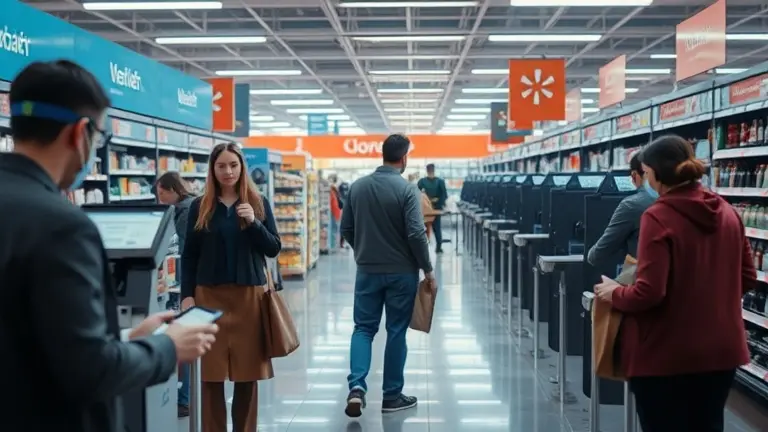
By May 2026, the retail landscape has reached a pivotal tipping point that many shoppers could feel in their bones: the long-standing march toward total automation is grinding to a halt. For years, the narrative surrounding Walmart self-checkout lanes was one of inevitable progress, promising faster throughput and sleek efficiency. Yet, the reality has proven far more turbulent. Facing a surge in retail theft, operational bottlenecks, and a growing consumer chorus demanding human connection, retail giants are now initiating a tactical retreat. Stores are actively dismantling kiosks and reintroducing cashier-monitored lanes, signaling that the ‘frictionless’ dream was, in many ways, a ‘friction-full’ nightmare.
This shift isn’t merely about lost inventory or malfunctioning scanners; it represents a fundamental questioning of whether digital-first systems truly serve the human experience. As legislative bodies in states like Massachusetts weigh in on the regulation of automated systems and retailers experiment with AI agents and digital shelf labels to stop the bleeding, we are witnessing a broader ‘re-humanization’ trend. We are learning, perhaps the hard way, that efficiency without reliability is just a faster way to fail, leaving us to wonder: is it time to return to the basics where we can actually control the outcome?
The Retail Pivot: Why Walmart and Big Box Stores are Reversing Self-Checkout
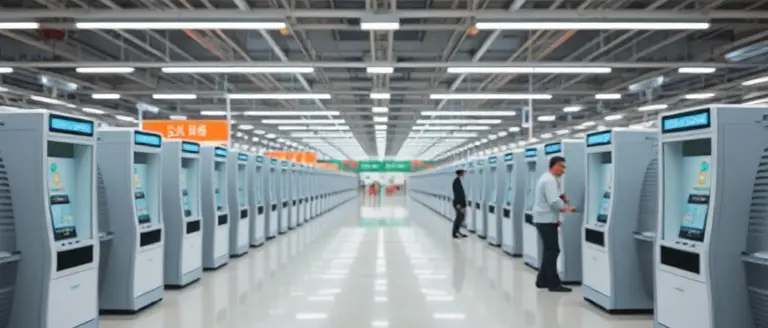
The landscape of American retail is undergoing a significant tactical correction as of 2026. After nearly a decade of aggressive automation, major retailers are fundamentally rethinking their reliance on self-checkout systems. Reports from across the country indicate that Walmart self-checkout kiosks are being systematically removed or restricted in select stores, with management opting to reintroduce human-staffed lanes. This shift is not merely a reactionary response to retail theft; it represents a comprehensive strategic pivot to address the growing friction between technological efficiency and the actual customer experience.
Drivers of the Retail Correction
While rising shrinkage—the industry term for theft and inventory loss—has been a primary catalyst, the move away from self checkout walmart kiosks is also driven by operational reality. Evidence suggests that the promised labor savings of automation have been undercut by:
- Operational Bottlenecks: High-traffic stores often face throughput delays at automated kiosks due to technical glitches, age-verification requirements, and payment errors that necessitate human intervention.
- Service Degradation: Customer sentiment analysis, frequently voiced on social forums, points to a “friction-full” experience where shoppers feel forced into performing unpaid labor, leading to lower brand loyalty.
- Legislative Pressures: With states like Massachusetts exploring regulations on automated systems, retailers are preemptively adjusting their models to avoid potential future compliance costs.
Retailers are now prioritizing a hybrid model that balances AI-driven inventory management—such as the modernization brought by digital shelf labels—with the reliable speed of human-centric service. By scaling back the number of walmart self checkouts, the company is attempting to stabilize store throughput while navigating the complex interplay between inflationary pressures, labor costs, and the need for a secure, welcoming shopping environment. This “Retail 2026” shift marks a departure from the “automate-at-all-costs” mentality, signaling a return to the value of human interaction in the brick-and-mortar sector.
The Friction-Full Reality: Why Technology Failed to Deliver a Seamless Experience
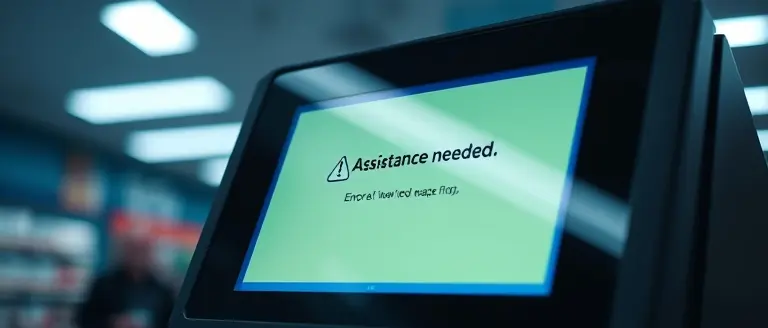
The initial promise of self-checkout was one of pure efficiency: a frictionless, rapid path to completing a purchase. However, by 2026, the retail experience at major chains like Walmart has often devolved into a “friction-full” ordeal. Rather than saving time, the technology frequently creates bottlenecks that test customer patience. Technical glitches, such as the infamous “unexpected item in bagging area” alerts, force shoppers to wait for sporadic human intervention, turning a supposed time-saving tool into a source of significant frustration.
Common Pain Points and Operational Failures
Shoppers frequently report that the current implementation of Walmart self-checkouts falls short due to several recurring issues:
- Systemic Errors: Frequent software bugs require store associates to override kiosks constantly, negating the labor savings automation was intended to provide.
- Heightened Surveillance: Increased security measures, such as camera-tracking and automated audits, have introduced a layer of social anxiety, leaving honest shoppers feeling like suspects rather than customers.
- Infrastructure Limitations: Smaller, congested bagging areas make it difficult to handle large, weekly grocery hauls, further slowing down self checkout walmart throughput.
These operational failures have demonstrably eroded brand loyalty. While retailers aimed to streamline operations to combat rising retail theft, they inadvertently shifted the burden of store labor onto the consumer. As reports from May 2026 indicate, this has led to a palpable backlash. When the convenience of skipping the line is outweighed by the complexity of managing a malfunctioning interface, the value proposition of the entire self-checkout model collapses. As a result, many consumers are now actively seeking stores that prioritize human-led service over automated, glitch-prone kiosks, forcing industry leaders to reconsider their aggressive push toward total store automation in favor of a more balanced, hybrid approach.
The Legislative Landscape: Regulation as a New Cost of Doing Business

The rapid expansion of self-checkout technology is encountering a significant roadblock: the rise of state-level legislative intervention. In states like Massachusetts, lawmakers are increasingly scrutinizing the deployment of automated kiosks, citing concerns over retail employment levels, age-restricted purchase compliance, and the erosion of consumer privacy. As of 2026, the retail sector faces a growing regulatory framework that threatens to transform the cost-benefit analysis that initially favored automation. Legislative proposals now frequently include mandates for minimum staffing levels in stores utilizing automated lanes, effectively neutralizing the labor-cost savings that once made Walmart self-checkout and similar systems so attractive to corporate balance sheets.
The Binary Choice: Staffing vs. Surveillance
Retailers are now standing at a difficult crossroads, forced to choose between two expensive operational models:
- Human-Centric Reinvestment: Increasing store headcount to meet legislative staffing minimums, thereby improving the customer experience but significantly raising operational expenditures.
- High-Tech Security Infrastructure: Investing heavily in unproven or nascent AI-driven security and biometric verification tools to mitigate theft while keeping labor levels low, which may invite further scrutiny from privacy advocates.
The push for regulation is compounded by the practical realities of the self checkout walmart experience, where errors—whether accidental or intentional—drive up shrinkage rates. When legislators propose strict compliance standards for alcohol and tobacco sales at kiosks, the technological requirement for constant human oversight becomes mandatory. Consequently, the promise of a “frictionless” shopping experience is being replaced by a “friction-full” reality where retailers must weigh the expense of continuous human monitoring against the potential legal penalties of non-compliance. Ultimately, as these state laws evolve, the cost of automated systems may soon exceed the traditional, manual lanes they were designed to replace, forcing a permanent shift in how national retailers approach in-store technology.
Beyond the Checkout: The Future of Retail with Digital Shelf Labels and AI

As retail giants pivot away from the aggressive expansion of self-checkout kiosks, the industry is increasingly betting on Digital Shelf Labels (DSL) and AI agents to solve long-standing operational inefficiencies. While the withdrawal of Walmart self checkouts in certain markets highlights a retreat from pure automation, these new technologies aim to refine, rather than replace, the human-centric shopping experience. By automating inventory management and pricing, retailers hope to reduce the “friction-full” reality that defined the early self-checkout era, where customers were forced to become unpaid store associates.
Bridging the Tech-Human Divide
The deployment of DSL systems serves as a critical infrastructure upgrade, moving beyond static pricing to dynamic, real-time updates. This transition is not merely about labor savings; it is a strategic effort to sync digital inventory with physical stock, mitigating the stock-out frustration that often plagues high-traffic Walmart locations. When integrated with AI agents, store operations transition toward a “smart” ecosystem capable of:
- Dynamic Inventory Tracking: Real-time visibility that ensures products are replenished before customers notice gaps.
- Precision Pricing: Automated adjustments that respond instantly to competitive pressures or regional inflationary spikes, reducing the need for manual price tagging.
- Enhanced Throughput: Redirecting staff from repetitive, manual tasks toward high-value interactions, such as assistance and security, effectively re-humanizing the store floor.
Evidence suggests that modern retailers are viewing these technological layers as a necessary compromise. By leaning into AI, stores can maintain a lean labor model while simultaneously addressing the public backlash regarding the degradation of service. As legislation in states like Massachusetts continues to scrutinize the legal and ethical bounds of automated retail, these AI-driven tools may provide the necessary middle ground: a system that is technologically sophisticated enough to handle backend complexity, yet intentionally designed to support, rather than bypass, the human element of retail.
Reclaiming Control in an Automated World
The oscillation between high-tech automation and the return to reliable, human-centric service highlights a core truth of 2026: just because we can automate a process doesn’t mean we should. Much like the retail giants currently struggling to correct their reliance on glitchy, error-prone kiosk systems, many of us have fallen into the trap of seeking digital shortcuts for tasks that actually require precision, craftsmanship, and a steady human hand. When the technology meant to simplify our lives starts causing more stress than it solves, it is time to pivot back to methods that guarantee success.
This is exactly why Ted’s Woodworking serves as the perfect antidote to our era of disposable, broken automation. While retailers struggle to replace human expertise with flawed algorithms, you can bypass that trial-and-error frustration entirely. By utilizing professionally tested, foolproof blueprints, you reclaim the agency and technical certainty that the modern world often tries to strip away. Whether you are building furniture or just looking for a reliable, tangible project, these plans ensure you achieve a high-quality result the first time, every time, without the digital guesswork.
Just as the retail world is discovering that you cannot replace the reliability of a human-led system, you deserve the peace of mind that comes from following a proven, step-by-step master plan. Stop settling for systems that complicate your life; reclaim your productivity and master the art of the perfect build with 16,000 foolproof plans at your fingertips.
 Stop settling for glitchy systems that complicate your life; reclaim your productivity and master the art of the perfect build with 16,000 foolproof plans at your fingertips.Yes, I Want This Now!