
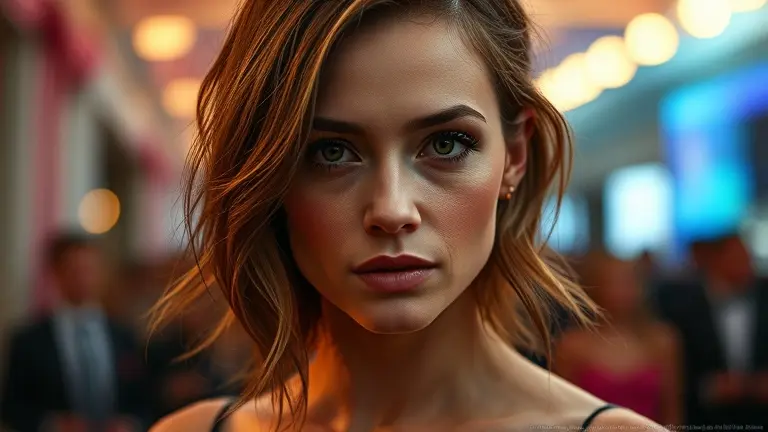
Olivia Wilde has long navigated the spotlight, but the spring of 2026 brought a new, intense wave of scrutiny that highlights the darker side of modern celebrity culture. Following high-profile appearances at the San Francisco International Film Festival and the Fashion Trust U.S. Awards, the internet was quickly flooded with unverified speculation regarding her health. What began as a fixation on her red carpet aesthetic rapidly spiraled into a cautionary tale of “body policing,” forcing the director and actress to respond directly to the digital noise by asserting her own reality amidst the speculation.
This incident is far more than just a fleeting tabloid headline; it is a profound case study in the toxic dynamics of the digital age. As audiences continue to treat public figures as subjects of parasocial surveillance, the line between constructive critique and harmful harassment grows increasingly thin. Moving beyond the headlines, we must analyze why society becomes so fixated on these narratives and consider how to pivot toward a more respectful discourse, focusing instead on Wilde’s professional contributions, such as her work on the film The Invite, rather than the relentless pressure of public image.
The Anatomy of a Viral Cycle: Analyzing the Recent Scrutiny Around Olivia Wilde
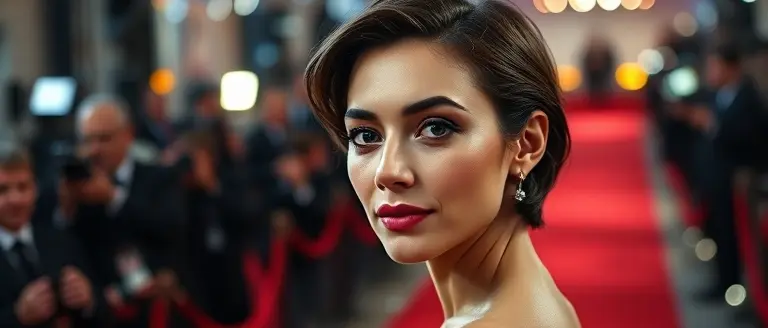
In April 2026, Olivia Wilde became a focal point of intense digital scrutiny following her appearances at the San Francisco International Film Festival (SFFILM) and the Fashion Trust U.S. Awards. As images and clips from these high-profile events circulated, social media users on platforms like TikTok and X began analyzing her physical appearance with speculative narratives. This feedback loop quickly shifted from standard red-carpet commentary into a more aggressive form of “body policing,” where unverified claims regarding her health and weight became the primary subject of viral discourse.
The Dynamics of Modern Celebrity Surveillance
The situation surrounding Olivia Wilde now serves as a case study for the volatility of modern celebrity-fan dynamics. By fixating on aesthetic details, digital audiences often disregard the reality of a subject’s professional life. Instead of focusing on her ongoing contributions to cinema, such as the promotional circuit for her film The Invite, critics prioritized inflammatory speculation. This phenomenon is facilitated by:
- Algorithmic Amplification: Social media platforms reward engagement, often prioritizing sensationalist “concern-trolling” over verified information.
- Parasocial Detachment: The ease of posting anonymous critiques removes the barrier of accountability, leading to an environment where public figures are subjected to relentless, invasive scrutiny.
- Echo Chambers: Once a narrative is established, it is recycled through short-form video content, turning subjective opinion into perceived collective fact.
Wilde eventually addressed the negativity directly, dismissing the intrusive rumors with the pointed statement, “I’m not dead.” Her response highlights the exhaustion often felt by public figures forced to navigate these digital cycles. By shifting the conversation back to the reality of her health and her commitment to her career, Wilde challenged the validity of the speculative trend. Ultimately, the cycle reflects a broader, problematic tendency in pop culture to prioritize visual judgment over the professional achievements of figures like Wilde, who continue to be active, creative forces in the industry despite the background noise of internet gossip.
Parasocial Surveillance: The Ethics of Digital Speculation
The recent scrutiny surrounding Olivia Wilde highlights a burgeoning sociological issue: the rise of “parasocial surveillance.” This digital phenomenon occurs when audiences move beyond simple admiration of a public figure into a state of invasive, constant monitoring of their physical and personal lives. During the 2026 festival season, social media platforms transformed red carpet footage into a landscape for amateur medical diagnosis. By labeling the actress as “gaunt” or “startling,” internet users engaged in a form of body policing that ignores the reality of human variability and the pressures of a demanding professional schedule.
The Dangers of Unverified Speculation
The rapid dissemination of health-related rumors on platforms like TikTok and X illustrates a breakdown in digital empathy. When viral discourse prioritizes aesthetics over humanity, it creates a toxic feedback loop that forces public figures—such as Olivia Wilde now—to expend energy defending their basic well-being. This climate of constant surveillance has tangible negative impacts, including:
- Normalization of Invasive Scrutiny: It suggests that a celebrity’s body is public property, subject to evaluation by anyone with a smartphone.
- The Erosion of Privacy Boundaries: Speculation regarding health is often presented as “concern,” yet it lacks medical substance and violates the professional boundaries between talent and audience.
- Psychological Toll on Public Figures: Constant exposure to negative narratives forces celebrities to address unfounded rumors, distracting from their professional achievements.
As media consumers, it is vital to distinguish between genuine public interest in an artist’s work—such as her directorial efforts in The Invite—and the predatory nature of modern gossip culture. True digital literacy requires us to recognize that these viral trends reflect more on the toxicity of our online environment than on the health of the individuals being scrutinized. By pivoting the conversation back to professional contributions, we can dismantle the machinery of parasocial surveillance and restore a healthier dynamic between creators and their audience.
Olivia Wilde’s 2026 Festival Circuit: A Director’s Creative Evolution
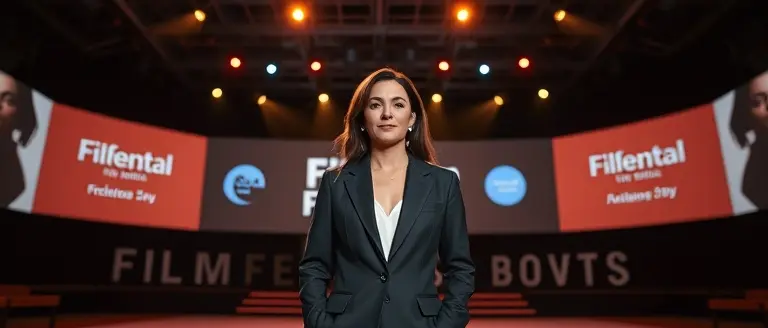
Beyond the noise of social media discourse, the true story of Olivia Wilde in 2026 is defined by her growing influence as a filmmaker and storyteller. Throughout the 2026 festival circuit, including a high-profile presence at the Sundance Film Festival, Wilde has solidified her position as a creative powerhouse, shifting her professional trajectory toward ambitious, character-driven narratives. Her primary focus this year centers on the development and promotion of her latest project, The Invite. By championing her directorial work, Wilde continues to prove her capacity to navigate the complexities of the modern film landscape, prioritizing artistic vision over the fleeting nature of tabloid gossip.
Shifting the Narrative Toward Professional Excellence
Observing Olivia Wilde now requires a shift in perspective—moving away from speculative headlines to focus on the strategic decisions she is making as a creator. Her participation in prestigious events like the San Francisco International Film Festival and the Fashion Trust U.S. Awards serves as a platform to highlight her commitment to the craft. Her professional evolution is marked by several key initiatives:
- Directorial Ambition: With The Invite, Wilde explores complex thematic layers that challenge traditional genre boundaries, reinforcing her identity as a director with a unique visual language.
- Festival Engagement: By actively participating in panel discussions and promotional rounds at Sundance, she fosters direct connections with industry peers and critics, focusing on the collaborative nature of filmmaking.
- Creative Advocacy: Wilde utilizes her platform to advocate for more rigorous, thoughtful storytelling in cinema, distancing herself from the pressures of digital performativity.
Ultimately, Wilde’s ability to remain focused on her film projects while navigating the challenges of celebrity-fan dynamics speaks to her resilience. By steering the conversation back to her work, she emphasizes that her primary contribution remains her behind-the-camera talent. As she continues her journey through the 2026 festival season, her portfolio reflects a filmmaker deeply engaged in the evolution of modern cinema, prioritizing substantive storytelling and professional growth.
The Future of Celebrity-Fan Dynamics: Moving Toward Informed Discourse
The recent cycle of speculation surrounding Olivia Wilde serves as a stark case study in the dangers of modern parasocial surveillance. When social media platforms prioritize rapid, visual-based critique over substantive engagement, the humanity of the public figure is often lost in the noise. Moving forward, the relationship between celebrities and their audiences must evolve toward a model of informed discourse that prioritizes professional output over invasive physical scrutiny. By choosing to shift focus away from toxic trends—such as the unsubstantiated “gaunt” narratives—fans can play an active role in fostering a healthier, more respectful digital culture.
Reframing Engagement: From Spectacle to Substance
Rather than participating in harmful viral commentary, audiences can exert a positive influence by engaging directly with a creator’s professional body of work. For Olivia Wilde, this means prioritizing her current creative endeavors, such as her directorial work on the film ‘The Invite’, which has garnered significant attention during the 2026 festival circuit. Supporting such projects through meaningful critique and promotion provides a more constructive pathway for fan engagement. To cultivate a more sustainable environment, consider the following shifts in consumption habits:
- Prioritize Professional Milestones: Focus conversations on directorial vision, acting performances, and creative storytelling rather than appearance.
- Reject Unverified Narratives: Actively avoid amplifying tabloid-style speculation regarding an individual’s health or private life, which often lacks evidence.
- Encourage Human-Centric Dialogue: Recognize that public figures are entitled to personal privacy, and refrain from “body policing” that reduces complex individuals to mere images.
By pivoting toward these more ethical practices, the digital audience can move away from the pitfalls of celebrity gossip culture. Olivia Wilde now stands at the intersection of this transition, reminding us that the most valuable connection between a creator and their audience is found within the art itself, not the fleeting, often distorted images of a red-carpet event. Embracing this shift ensures that high-profile figures can continue to innovate while being protected from the dehumanizing effects of constant digital surveillance.
Beyond the Public Gaze: Understanding the Psychology of Attachment
Ultimately, the viral scrutiny surrounding Olivia Wilde serves as a stark reminder of how rapidly digital culture can devolve into invasive surveillance. By fixating on appearances, society ignores the professional substance of artists, preferring a narrative of judgment over appreciation. This cycle of parasocial obsession reflects not the reality of the star, but rather the internal projections and unmet needs of the audience itself, who seek to fill a void through the lives of others.
This deep-seated human need for connection is exactly what drives such intense fascination with the public lives of celebrities. Whether it is witnessing a high-profile red carpet appearance or speculating on the dynamics of a star’s latest project, we are constantly seeking to understand the mechanisms of attraction and emotional investment. But while we watch others, we often lose sight of how to cultivate these same powerful bonds in our private worlds.
If you have ever wondered what truly governs deep emotional commitment or why we feel such an overwhelming urge to be seen and understood, it is time to look inward. By understanding the psychological triggers—such as the ‘Hero Instinct’—that foster profound devotion, you can move past the surface-level noise of celebrity culture and apply these principles to create lasting, meaningful relationships of your own.
 If you are curious about the psychology that governs deep emotional bonds and why we are so fascinated by the dynamics of commitment, discover how to trigger the primal instincts that create lasting devotion in your own relationships.Unlock The Secrets To Lasting Love Today