
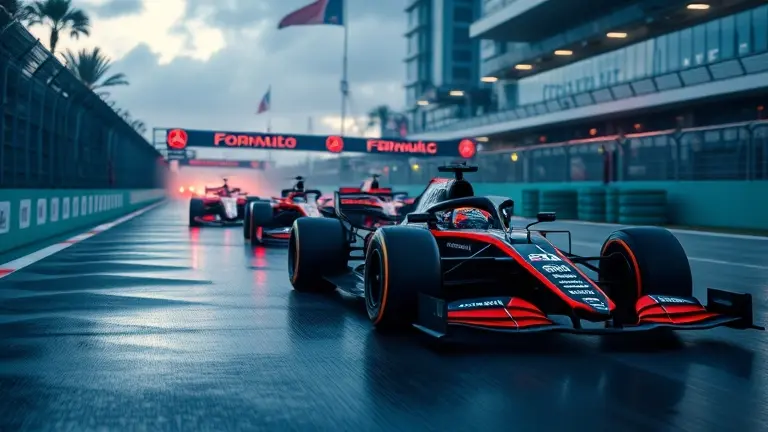
The anticipation for the 2026 Miami Grand Prix has reached a fever pitch, following a tense five-week hiatus that left fans eager for the return of Formula 1 action. However, the high-stakes atmosphere at the Miami International Autodrome has shifted dramatically in the last 24 hours. With severe thunderstorms and heavy rain forecasted to batter the track, race officials have made the critical decision to pull the main race start time forward to 1:00 p.m. ET. This sudden schedule disruption has upended pre-race strategies, forcing teams to scramble as they prepare for a chaotic, potentially wet-weather showdown that could redefine the early-season hierarchy.
As Mercedes duo George Russell and Kimi Antonelli look to defend their championship lead against a charging field, the pressure to digest real-time data has never been higher. Whether you are tracking live weather impacts or monitoring the shifting pit-stop windows, staying ahead of the updates is the difference between witnessing history and falling behind. This live situation room provides the essential, at-a-glance information you need to navigate this unpredictable race day with the precision of a seasoned race engineer.
Urgent Update: 2026 Miami Grand Prix Start Time Moved to 1:00 p.m. ET
Last Updated: May 3, 2026 – 10:45 a.m. ET
Race organizers have officially confirmed a significant disruption to the Miami Grand Prix schedule. To ensure the safety of drivers and the 275,000 fans expected at the Hard Rock Stadium, the main race start time has been moved forward from the original 4:00 p.m. ET slot to 1:00 p.m. ET. This decision comes following dire meteorological reports indicating a high probability of severe thunderstorms and heavy rain moving into the Miami area late this afternoon. By shifting the event three hours earlier, race control aims to complete the full Grand Prix distance before the most intense weather cells hit the track.
Impact of the Schedule Shift
The sudden change creates an immediate ripple effect for Formula 1 teams currently preparing their machines on the grid. Strategies centered on track temperature and tire degradation must now be overhauled, as racing during the midday sun—if the storms hold off—presents a vastly different mechanical challenge compared to an late-afternoon start.
- Strategic Pivot: Teams are recalibrating pit-stop windows to account for potential early-race rain. The “wet weather factor” will be critical, as standing water at the Hard Rock complex could neutralize the current Mercedes pace advantage held by George Russell and Kimi Antonelli.
- Safety Protocols: FIA race officials are prioritizing visibility and track drainage. Moving the start to 1:00 p.m. is a proactive measure to avoid the red-flag scenarios that have plagued past rain-affected races.
- Broadcast Awareness: Fans are urged to tune in early. Whether you are streaming via official apps or watching on local broadcast channels, ensure your notifications are enabled, as further weather-related delays or track-safety status updates may occur rapidly as the storm front approaches.
With the championship fight tightening and the five-week hiatus finally over, the urgency to watch this race has never been higher. Stay tuned to this live situation room for continuous updates as the 2026 Miami Grand Prix unfolds under these volatile conditions.
How to Stream the Miami Grand Prix: Broadcast and App Guide
With the Miami Grand Prix schedule shifting to a 1:00 p.m. ET start time to dodge incoming severe weather, fans must ensure their streaming setups are ready well before the lights go out. Because this Formula 1 event is being broadcast live across major US networks, viewers have several reliable options to catch the action, whether they are at home or on the go. Missing the start could mean losing out on the critical opening laps, which are expected to be particularly volatile given the potential for rain-slicked track conditions.
Official US Broadcast and Streaming Options
To ensure you stay connected to the race-day drama, use the following official platforms to stream the action live. Please note that broadcast schedules have been updated to reflect the earlier 1:00 p.m. ET start:
- ESPN and ABC: As the primary broadcasters for F1 in the United States, check your local listings for live coverage. The race is scheduled to air on the main ABC network in many regions, with pre-race build-up coverage beginning early to account for the schedule change.
- F1 TV Pro: This is the most comprehensive way to watch the Miami Grand Prix 2026. Subscribers gain access to live onboard cameras, team radio feeds, and advanced telemetry data, which is essential for tracking how drivers like George Russell and Kimi Antonelli navigate the unpredictable weather.
- ESPN App: If you have a cable subscription that includes ESPN, you can stream the race directly through the ESPN app on your smartphone, tablet, or connected TV device. Ensure your app is updated to see the corrected 1:00 p.m. start time reflected in the live stream menu.
- Hulu + Live TV, FuboTV, and YouTube TV: These services provide access to the ESPN and ABC feeds. If you are using these platforms, verify your local channel lineup, as the shift in the f1 schedule may cause minor hiccups in electronic program guide (EPG) metadata.
By utilizing these official channels, you guarantee the highest quality feed, minimizing latency—a crucial factor when following live racing updates. As the Miami Grand Prix unfolds, ensure your push notifications are enabled for the official F1 app to receive immediate updates on red flags or weather-induced delays that could further impact the race timeline.
The Wet Weather Factor: What to Watch for in the First 10 Laps
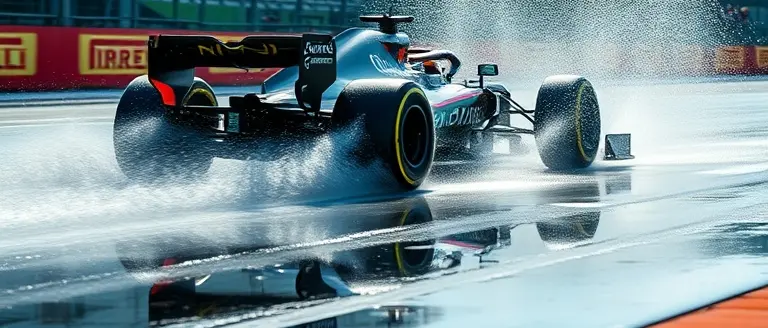
With the Miami Grand Prix pushed forward to a 1:00 p.m. ET start, the championship narrative has shifted from pure pace to technical survival. The threat of severe thunderstorms over the Hard Rock Stadium circuit means the opening sequence of this Formula 1 race will be dictated by volatile track conditions. For teams like Mercedes, who have dominated the early season, this weather-induced uncertainty represents the greatest challenge yet to their momentum.
Strategic Implications of Rain
When the rain falls, team engineers and drivers must weigh immediate survival against long-term gains. In the first 10 laps, expect the following technical variables to define the race:
- Tire Management: If the track is declared “wet,” the choice between intermediate and full-wet tires is critical. Intermediates are faster on a drying surface, but if the downpour intensifies, the lack of tread depth could lead to catastrophic aquaplaning in high-speed sectors.
- Standing Water and Visibility: The Miami street circuit features complex drainage points. Standing water—particularly in the chicane areas—creates a high risk for early-race pileups. Drivers will likely struggle with visibility behind other cars, making the start of the f1 miami race a high-stakes lottery for mid-pack positions.
- The “Gap” Gamble: Given the compressed f1 schedule due to the weather threat, teams have had minimal time to calibrate their cars for wet setups. Expect aggressive “undercut” attempts if the track begins to dry, as teams look to swap to slicks earlier than usual to gain track position.
The five-week hiatus following the cancellation of previous rounds has left drivers hungry for points, increasing the likelihood of aggressive moves in the opening corners. With 275,000 fans watching, the pressure on race control to manage safety cars or potential red flags will be immense. Drivers who can balance raw speed with caution in the spray will find themselves in the best position to secure a podium finish.
Mercedes Dominance and the Battle for Miami
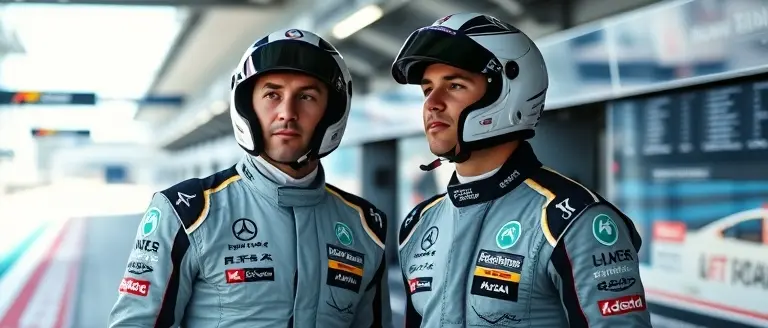
The 2026 Formula 1 season has been defined by the remarkable resurgence of the Silver Arrows. Heading into the Miami Grand Prix, Mercedes enters as the team to beat, with George Russell and rising star Kimi Antonelli exhibiting a level of mechanical synergy that has left the rest of the grid scrambling. Following a chaotic five-week hiatus caused by the cancellation of scheduled rounds in Bahrain and Saudi Arabia, the momentum remains firmly in the hands of the Mercedes duo. Their early-season victories have established a formidable points lead, setting a high-stakes tone for this crucial US-based event at the Hard Rock Stadium.
Adjusting to the Rapid Schedule Shift
The sudden decision to move the race start time to 1:00 p.m. ET—a direct response to severe weather forecasts—has placed an immense premium on team flexibility. For championship leaders like Russell and Antonelli, this represents a significant logistical hurdle. The shifted schedule condenses the pre-race window, forcing engineers to finalize track setups and tire strategies under intense pressure.
Key factors currently influencing the Mercedes strategy include:
- Thermal Management: The earlier start time shifts track temperature dynamics, potentially forcing teams to move away from aggressive warm-up strategies for the soft-compound tires.
- Wet-Weather Readiness: With heavy rain threats looming, the team’s ability to pivot to intermediate or full-wet tire configurations is critical, especially given the technical, high-speed sections of the Miami circuit.
- Driver Composure: Russell’s experience in variable conditions is expected to be a stabilizing force, while Antonelli faces his first major high-pressure test in a wet-weather scenario on American soil.
While challengers like Lando Norris and Charles Leclerc are hungry to break the Mercedes streak, the Brackley-based squad appears to have optimized their car for both speed and reliability. As the weather intensifies, the Miami Grand Prix 2026 is shaping up to be a defining moment in the battle for the Constructor’s Championship.
Master the Intensity of Race Day
As the skies over Miami loom and the 1:00 p.m. start time approaches, the margin for error is razor-thin. We have broken down the critical schedule shifts and weather variables to ensure you stay ahead of every turn. From the championship standing implications to the strategic pit-stop gambles necessitated by the rain, your ability to process these rapid-fire updates is just as crucial as the split-second decisions made on the track.
Just as the Mercedes drivers and race engineers need absolute clarity to thrive in volatile, wet-weather conditions, you need sharp focus to navigate the complexities of this high-stakes race. High-speed informational intake requires a peak-performance mindset; that is exactly where The Brain Song becomes your ultimate advantage. Designed to provide enhanced mental processing speed and sustained concentration, it is the perfect tool for the ‘armchair strategist’ who demands the same cognitive sharpness as the professionals battling for position in Florida.
Don’t let the intensity of the race cloud your ability to analyze the unfolding strategy. Elevate your engagement and ensure your mind is as tuned as the cars on the grid. By integrating this brief mental prep into your race-day routine, you gain the clarity required to stay completely locked into the final laps of this historic Grand Prix.
 Optimize your focus for the final laps—try the 12-minute Brain Song routine to stay sharp during the race.Yes, I Want to Sharpen My Focus Now!