

As of May 2026, the sudden and permanent cessation of operations by Spirit Airlines has sent shockwaves through the U.S. aviation landscape, leaving millions of passengers stranded and over 17,000 employees facing an uncertain future. The failure to secure a critical government bailout, compounded by long-standing financial volatility and an unsustainable ultra-low-cost business model, has officially brought a 34-year chapter to a close. For many, this is not just a logistical hurdle—it is a moment of profound personal and professional disruption.
This Crisis Resource Hub is designed to provide immediate, actionable clarity amidst the chaos. Whether you are currently dealing with the frustration of a canceled flight or the sudden loss of a livelihood, our goal is to help you navigate this transition with precision. Below, we break down the necessary steps for securing refunds, rebooking with alternative carriers, and understanding the new reality of the U.S. domestic travel market, ensuring you have the information needed to move forward decisively.
,slug:
Spirit Airlines Ceases All Operations: What You Need to Know
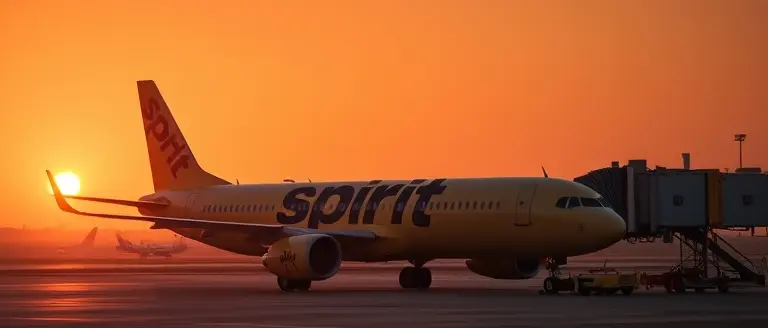
As of May 2, 2026, Spirit Airlines has officially ceased all flight operations, marking the end of a 34-year tenure in the United States aviation market. This sudden liquidation comes after the company failed to secure a vital $500 million government bailout, an outcome that ultimately rendered the ultra-low-cost carrier’s financial position untenable. The collapse follows a prolonged period of fiscal instability, exacerbated by the relentless pressure of surging fuel costs and an inability to maintain the margins required to support its business model. While rumors and viral social media campaigns—such as the trending “let’s buy spirit com” discourse—reflected public concern, the reality remains a definitive closure of all services.
The immediate fallout of this shutdown is profound, affecting approximately 17,000 employees and leaving countless passengers stranded across the country. The scale of the disruption is unprecedented in recent aviation history, effectively ending the era of the aggressive ultra-low-cost carrier model that once forced major competitors to rethink their pricing structures.
Key Impacts of the Liquidation
- Total Flight Cancellation: All scheduled operations have been terminated, with no remaining routes or active maintenance cycles.
- Workforce Disruption: Approximately 17,000 workers face sudden displacement as the airline moves into full asset liquidation.
- Passenger Stranding: Thousands of travelers are currently navigating canceled itineraries without the prospect of rebooking on Spirit-operated metal.
- Market Shifts: Industry analysts are already observing competitors implementing “rescue fares” to assist displaced travelers, though the long-term impact on domestic ticket pricing remains highly uncertain.
This transition signifies more than just the exit of a budget airline; it represents a significant structural change in the U.S. domestic airfare landscape. As travelers and staff grapple with the shock, the priority remains the orderly settlement of remaining assets and the resolution of the massive backlog of travel disruptions. Understanding the scope of why Spirit Airlines ultimately shut down is secondary to the immediate, practical necessities facing the thousands of individuals now navigating the complexities of this sudden industry exit.
Action Plan for Stranded Passengers: Refunds and Compensation

If you are one of the thousands of travelers impacted by the sudden Spirit Airlines shutting down news, your immediate priority is securing your finances. Because the company has ceased all operations, automated refund systems are currently non-functional. If you booked directly through the airline, your first line of defense is initiating a chargeback through your credit card issuer. Under the Fair Credit Billing Act, you are entitled to dispute charges for services not rendered. Contact your bank immediately, provide your booking reference, and cite the fact that the merchant has ceased operations. Do not wait for a bankruptcy notice, as documentation of the airline’s official collapse is sufficient for most financial institutions to process these claims.
Navigating Third-Party Bookings and DOT Resources
For passengers who used third-party travel portals (such as Expedia, Kayak, or Priceline), contact the platform’s customer service department immediately. These agencies often hold the funds in escrow and may have specific protocols for airline insolvency. Keep detailed records of all interactions, including timestamps and representative names. For further guidance on your rights as a consumer, visit the official Department of Transportation (DOT) passenger rights page, which provides the most accurate federal updates regarding airline failures.
Essential Steps for Recovering Your Funds:
- Document Everything: Save your original booking confirmation, payment receipts, and any correspondence regarding the cancellation.
- Check Travel Insurance: If you purchased a standalone travel insurance policy or used a premium credit card (like Chase Sapphire or Amex Platinum), check if your policy includes “trip cancellation due to airline bankruptcy.”
- Monitor Legal Filings: Keep an eye on official bankruptcy court announcements. While individual passengers are often at the back of the line in liquidation, court-appointed trustees will eventually issue instructions on how to file a “proof of claim” for losses not covered by your bank.
- Beware of Scams: Be wary of websites soliciting “recovery fees” or promising to expedite your refund; these are likely fraudulent attempts to profit from the current chaos surrounding the end of Spirit.
While the collapse has left many feeling helpless, following these structured financial steps is the most effective way to protect your assets during this transition.
Navigating Your Next Flight: Rebooking Strategies with Competitors
With Spirit Airlines officially ceasing operations as of May 2026, thousands of travelers are currently forced to navigate the complex landscape of domestic rebooking. If you are stranded or holding a future reservation, the priority is to secure alternative travel before flight availability dwindles across the network. Because the carrier has undergone a total liquidation, standard re-accommodation protocols are no longer available. You must immediately pivot to booking new travel through competitors.
Leveraging Real-Time Booking Tools
To find the most efficient routing, utilize Google Flights as your primary search engine. Its real-time availability filters allow you to compare legacy carriers like American, Delta, and United against remaining budget options. When searching, focus on these critical steps:
- Target ‘Rescue Fares’: Monitor the websites of major domestic carriers. Several airlines have announced temporary “distressed passenger” pricing aimed at those impacted by the Spirit Airlines shutting down crisis. These are often buried in travel advisories on airline homepages.
- Filter by Alliance: Utilize major alliance search tools (Star Alliance, Oneworld, SkyTeam) to identify codeshare opportunities that might offer more competitive pricing for last-minute bookings.
- Avoid Third-Party Sites: During this period of market volatility, book directly through the airline’s official website. This ensures that if further scheduling changes occur, you have a direct line of communication with the operating carrier.
Managing Your Disrupted Itinerary
While the news of the collapse has been sudden, patience and persistence are required. If you find that flights on your preferred dates are sold out, look at alternative airports within the same metropolitan region. Many travelers are finding success by shifting departure hubs, a strategy that can bypass high-demand bottlenecks created by the influx of displaced passengers. Stay updated on the latest spirit airlines news to determine if any federal intervention or consumer protection funds become available for ticket reimbursement, though at this stage, securing new travel remains the most urgent priority for all affected passengers.
The Future of U.S. Aviation: Beyond the Ultra-Low-Cost Model

The permanent grounding of Spirit Airlines represents a fundamental restructuring of the American domestic travel landscape. As the ultra-low-cost carrier (ULCC) model struggles to survive in a high-fuel-cost economy, the market is bracing for a period of significant price volatility. With the departure of a major player that previously forced legacy carriers to compete aggressively on price, industry analysts suggest that the era of the “unbundled” bargain fare may be drawing to a close. Travelers should prepare for a landscape where the aggressive, thin-margin pricing strategies that defined spirit airlines news for decades are replaced by more consolidated, premium-focused service models.
Implications for Market Competition and Pricing
The sudden exit of a low-cost incumbent typically results in reduced capacity on key leisure routes, leading to a natural upward pressure on ticket prices. Without the “Spirit effect” to keep legacy airlines in check, the competitive dynamic has shifted toward revenue maximization rather than volume-based growth. Key industry shifts include:
- Consolidation of Budget Options: Remaining carriers may increase their market share, potentially leading to fewer choices for price-sensitive passengers who previously relied on the budget model.
- Shift in Pricing Structures: With the removal of a major ULCC, legacy carriers are less incentivized to offer “bare-bones” base fares, likely resulting in higher average domestic airfares.
- Route Rationalization: Major airlines are expected to re-evaluate regional routes that were once only profitable under the specific cost structure of a carrier like Spirit.
While some search terms like let’s buy spirit com captured the public’s desire to save the brand, the reality is that the aviation sector is moving toward a more stable, albeit more expensive, equilibrium. As the industry pivots away from the unsustainable metrics that led to why did spirit airlines shut down, the focus will likely remain on fuel efficiency and fleet modernization to mitigate operational costs in a volatile energy market.
Navigating Your Path Forward with Clarity
The sudden collapse of Spirit Airlines has left a profound void in the travel industry and created an overwhelming administrative nightmare for those affected. While the steps outlined in this guide provide a clear roadmap for securing your refunds and navigating rebooking with other carriers, we recognize that the human cost of this disruption is significant. Whether you are a stranded traveler or one of the thousands of impacted employees, the emotional toll and mental fatigue of this transition can be paralyzing.
When you are facing high-stakes decisions under duress, maintaining mental clarity is your most valuable asset. The chronic stress of dealing with sudden unemployment or lost travel plans can easily lead to a state of mental fog, hindering your ability to advocate for your rights or plan your next professional move. This is where a targeted cognitive reset becomes essential to help you regain your composure and make firm, informed choices during this period of instability.
To support you through this demanding transition, we recommend integrating a proven mental resilience tool into your daily routine. By dedicating just minutes a day to restoring your focus, you can effectively manage the anxiety of these recent events and approach your next steps with renewed energy and purpose. It is time to clear the noise and regain control over your headspace.
 Use this 12-minute daily audio routine to reclaim your focus and manage the stress of your travel or career transition.Yes, I Want To Regain My Focus Now!