

Pittsburgh is currently ground zero for a meteorological phenomenon that has left residents shivering in their light jackets: temperature whiplash. After experiencing the warmest April on record—a month characterized by balmy, near-summer breezes—the city has been jolted into a reality of sub-average temperatures and biting, frosty mornings just in time for the Pittsburgh Marathon. This sudden reversal is more than just a seasonal quirk; it is a stark, tangible example of the climate instability now defining the Rust Belt, transforming how we view the predictability of our local environment.
The impact of this volatility extends far beyond broken weather records. As the region grapples with these erratic shifts, the strain is increasingly felt by our infrastructure, our traditions, and even our own biological systems. When the atmosphere undergoes such drastic, rapid transitions, our bodies are forced to react to the constant, inflammatory stress of shifting air quality and pressure. Understanding this ‘new normal’ is the first step toward true climate resilience, helping us navigate a future where the only constant is, ironically, the inconsistency of the weather itself.
Temperature Whiplash: Decoding Pittsburgh’s Record-Breaking Spring
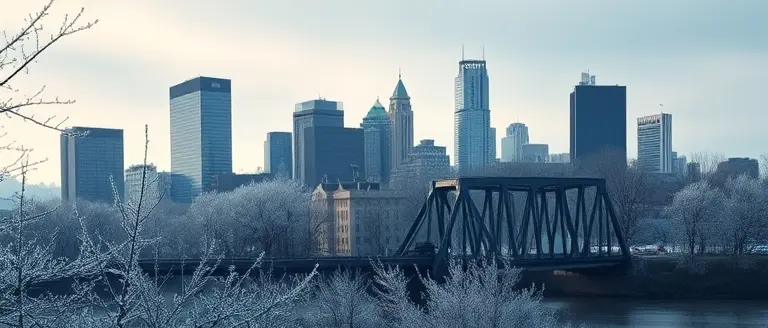
The meteorological landscape in Pittsburgh has shifted from record-shattering warmth to biting frost with startling velocity, a phenomenon increasingly defined by climate scientists as “temperature whiplash.” After experiencing the warmest April on record—a month characterized by early blooms and premature spring foliage—the region has plunged into a cold snap with temperatures consistently falling 2 to 4 degrees below seasonal norms. This sudden atmospheric pivot is not merely a localized anomaly; it is a clear example of the volatile seasonal transitions now impacting the Mid-Atlantic and Great Lakes regions as broader climate change trends disrupt traditional weather predictability.
The Impact of Rapid Seasonal Shifts
The biological and logistical consequences of this whiplash are significant. Vegetation that surged forward during April’s unseasonable heat is now highly vulnerable to frost damage, threatening local agriculture and urban landscaping. The intensity of this transition creates a “false spring” dynamic, where the natural environment is forced to recalibrate mid-growth. Key concerns regarding this volatility include:
- Agricultural Vulnerability: Early-blooming fruit trees and residential gardens face high risks of frost bite during overnight temperature drops.
- Infrastructure Stress: Rapid cooling cycles exacerbate the wear and tear on regional infrastructure, as constant thermal expansion and contraction cycles become more frequent.
- Event Disruption: Large-scale outdoor gatherings are seeing their operational planning pushed to the limit by unpredictable, extreme cold.
The most visible casualty of this trend is the May 3, 2026, Pittsburgh Marathon. Forecasted to be one of the coldest iterations of the race in history, the event highlights the growing intersection between climate volatility and public planning. Athletes accustomed to mild spring training conditions are now forced to contend with sub-normal temperatures, demonstrating how climate resilience is becoming an essential component of managing mid-sized US cities. As these extreme swings become more frequent, the city must move beyond reactive measures and begin integrating long-term climate adaptation strategies into its urban planning framework to mitigate the impacts of an increasingly unstable regional climate.
The Science Behind Seasonal Volatility in the Great Lakes Region

The erratic climate patterns currently witnessed in Pittsburgh—shifting from record-breaking April heat to unexpected May frost—are not mere statistical anomalies. Instead, they represent a growing regional trend often described as temperature whiplash. Experts point to significant disruptions in the jet stream as the primary driver behind this instability in the Great Lakes and Mid-Atlantic regions. As the Arctic warms at a rate disproportionate to the rest of the planet, the thermal gradient that typically powers the jet stream weakens, causing it to become “wavy” and sluggish. This atmospheric stagnation allows high-pressure systems to linger longer, trapping unseasonably warm air one week, only to have them abruptly replaced by deep, southward-plunging polar vortex fragments the next.
Drivers of Regional Climate Instability
This phenomenon is altering the predictability of spring transitions that residents have relied on for generations. Beyond the daily news cycle, scientific observation of the last decade confirms a shift in how these weather systems interact with the complex topography of Western Pennsylvania:
- Increased Atmospheric Moisture: Warmer air holds more water vapor, which intensifies the severity of precipitation events and further destabilizes local temperature regulation.
- Reduced Predictability: The “new normal” involves shorter, more intense transitions between seasons, leaving little buffer time for ecosystems to adjust.
- Infrastructure Stress: The rapid cycle of thawing and freezing puts unprecedented pressure on regional infrastructure, from road maintenance to the operational stability of outdoor events like the Pittsburgh Marathon.
Evidence suggests that these volatility spikes are becoming a recurring feature of the regional climate. While historically the transition into May offered a consistent warming trend, current atmospheric modeling indicates that we must prepare for a future defined by sharper, more frequent extremes. Adapting to this climate reality requires moving beyond temporary reactive measures and toward long-term urban planning that accounts for these extreme, rapid-fire shifts in local weather patterns.
Climate Resilience: Adapting Infrastructure to Extreme Variability
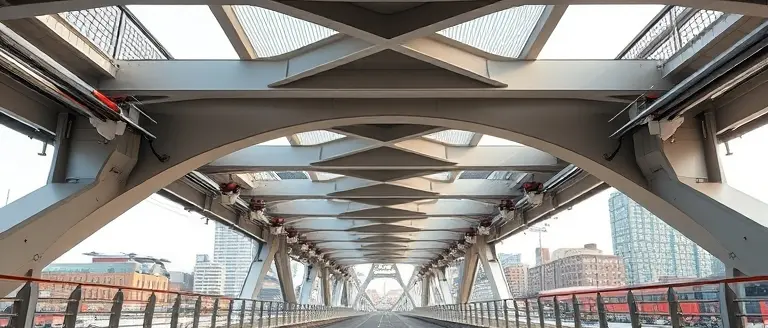
The record-breaking warmth of April 2026 followed by the abrupt, frigid conditions in May highlights a growing crisis for Pittsburgh infrastructure: the challenge of climate whiplash. This phenomenon, characterized by extreme seasonal volatility, forces urban planners to reconsider the design and maintenance of city systems that were historically calibrated for predictable, gradual transitions between seasons. When the region experiences rapid temperature swings, the resulting stress on civil infrastructure—from road surfaces to utility conduits—creates a cascading series of maintenance and safety risks that the current budget and engineering frameworks are ill-equipped to handle.
Modernizing Systems for Rapid Seasonal Shifts
To address these environmental instabilities, city leadership must move toward a model of climate resilience that prioritizes flexibility and durability. The “new normal” of shifting weather patterns suggests that infrastructure must be reinforced to withstand the mechanical strain caused by thermal expansion and contraction cycles that occur with increasing frequency. Strategic adaptations include:
- Advanced Stormwater Management: Rapid unseasonal snowmelts and intense spring precipitation events require expanded, high-capacity drainage systems to prevent localized flooding, particularly in the city’s low-lying basins.
- Grid Hardening: Energy grids must be insulated against the strain of “sudden freeze” events, where rapid temperature drops force excessive demand on heating systems after prolonged periods of dormancy.
- Material Science Upgrades: Utilizing flexible road-surfacing materials that accommodate faster freeze-thaw cycles can mitigate the prevalence of potholes and structural cracks, which frequently compromise regional transit after volatile climate episodes.
- Urban Green Infrastructure: Integrating more permeable surfaces and native vegetation can help regulate the local micro-climate, naturally buffering against the immediate effects of heat and cold intensity.
By integrating these long-term climate projections into current urban planning, Pittsburgh can better protect its public utilities and outdoor traditions, such as the Pittsburgh Marathon, from the detrimental impacts of an increasingly unpredictable atmosphere. Transforming the city’s built environment into an agile, climate-ready network is not merely an option; it is an economic and safety imperative for the future of the region.
Future-Proofing Your Home and Garden Against Erratic Springs
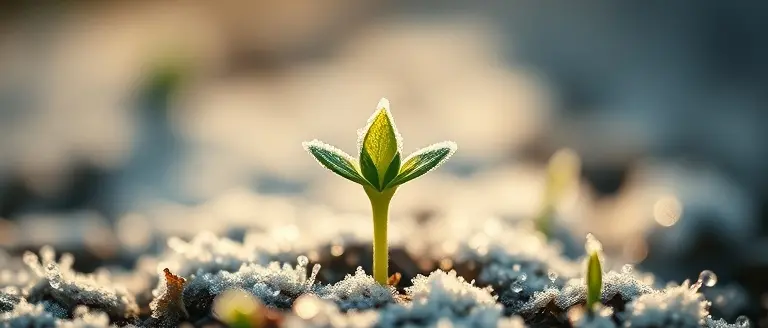
As Pittsburgh experiences increasingly volatile seasonal transitions, residents must shift from traditional gardening and home maintenance schedules toward a strategy of climate resilience. The phenomenon of temperature whiplash—where record-breaking warmth in April is abruptly followed by frost in May—creates significant stress for local flora and infrastructure. To mitigate these risks, homeowners should prioritize adaptive measures that protect both their property and regional biodiversity.
Adaptive Gardening Strategies
Sudden frost events following early spring blooms can devastate local landscapes. To protect your garden from the “new normal,” consider the following:
- Implement Frost Protection: Keep row covers, burlap, or old bedsheets accessible to quickly insulate tender perennials and vegetable starts when local forecasts predict sub-freezing temperatures.
- Select Resilient Varieties: Prioritize native plants that have evolved to withstand the specific, unpredictable moisture and temperature patterns of the Mid-Atlantic and Great Lakes region.
- Strategic Mulching: Use organic mulch to regulate soil temperature. By keeping the soil cooler during early heat spells, you can delay premature budding, which prevents plants from being caught off-guard by late-season freezes.
Home Efficiency and Maintenance
Rapid temperature fluctuations place immense strain on home systems, particularly HVAC units that must toggle between cooling and heating modes. Improving home energy efficiency is no longer just about winterization; it is about managing extreme swings.
- Smart Thermostats: Install or recalibrate smart systems to handle rapid indoor temperature adjustments, reducing the load on your heating system during unexpected cold snaps.
- Insulation Checks: Ensure that seals around doors and windows are airtight. Effective insulation acts as a thermal buffer, preventing rapid heat loss during a sudden, frost-heavy May morning.
- Landscape Water Management: With shifting precipitation patterns, ensure your property has robust drainage systems to handle the heavy, localized rain events often associated with modern climate shifts in Pennsylvania.
By adopting these proactive measures, Pittsburgh residents can effectively navigate the inconsistency of spring weather, ensuring that both their homes and gardens remain resilient in an era of climatic uncertainty.
Fortifying Your Resilience Against Unpredictable Skies
As we navigate this new era of climate volatility, it is clear that Pittsburgh’s seasonal traditions—from the iconic marathon to simple spring walks—are being redefined by erratic shifts. While we cannot control the wild temperature whiplash that has turned our record-breaking April into a frosty, unpredictable May, we can fundamentally change how we respond to it. Building systemic resilience is no longer just a lifestyle choice; it is a necessity for thriving in a fluctuating environment.
This is where your internal health becomes your best defense. While we cannot control the atmospheric chaos outside, we can control how our bodies adapt to these sudden environmental stressors. ProDentim offers a proactive, science-backed approach to maintaining internal balance, specifically supporting the respiratory and sinus health that often takes the brunt of our region’s rapid, inflammatory weather transitions.
By choosing to fortify your system now, you are taking a tangible step toward better health, ensuring that your body remains steady even when the weather forecast refuses to cooperate. Embrace the next step in your wellness journey and secure the foundational support your body deserves.
 Prepare your system for the unpredictable: Discover how to fortify your respiratory health against seasonal whiplash here.Yes, I Want This Now!