
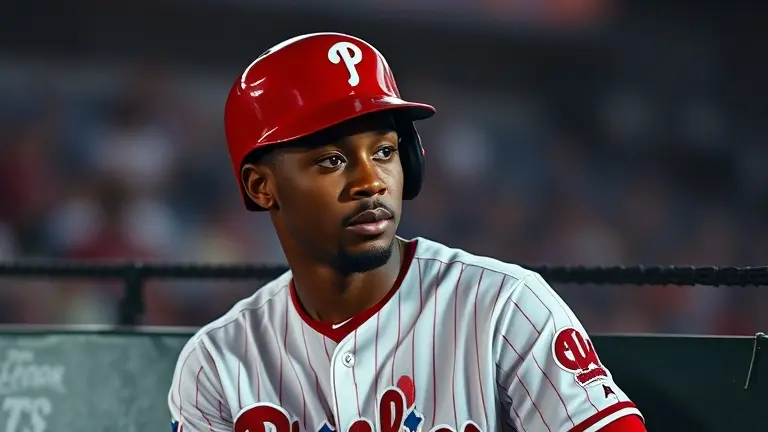
When Trea Turner sat on the bench for the Philadelphia Phillies on May 1, 2026, the silence in the box score spoke volumes. Ending a 31-game start streak, the move ignited immediate speculation across the sports world: Was this a calculated move for load management, a subtle nod to injury concerns, or a reflection of the deeper, seismic shifts occurring within the organization following the recent dismissal of manager Rob Thomson? For fantasy baseball managers and die-hard Phillies fans alike, the move represents more than just a day off; it highlights the precarious nature of player availability in an era of hyper-analytical workload management.
Beyond the diamond, Turner’s situation mirrors the volatility of the entire Phillies locker room as they navigate a high-pressure transition period. As reports of organizational instability continue to swirl, the burden on star players to remain both physically resilient and mentally anchored is at an all-time high. Keeping up with the rapid-fire updates of modern baseball requires not just data-driven insight, but the cognitive clarity to cut through the noise of constant speculation and shifting narratives.
Trea Turner’s Status: Analyzing the May 1st Lineup Shuffle
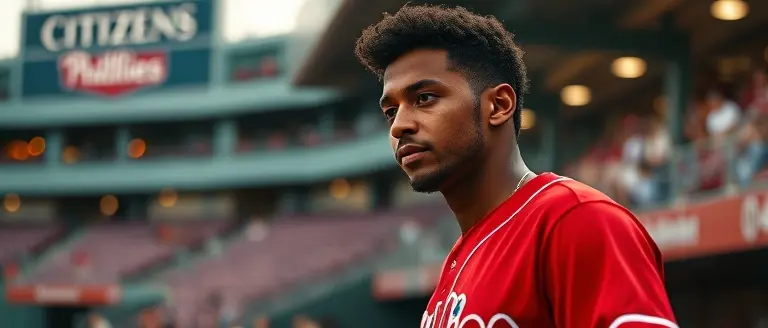
The absence of Trea Turner from the starting lineup for the May 1, 2026, contest against the Miami Marlins triggered immediate concern among Philadelphia Phillies fans and fantasy baseball managers alike. As a central figure in the team’s offensive production, Turner’s removal marked the conclusion of an impressive 31-game consecutive start streak to open the 2026 MLB season. Following the high-intensity schedule that included a grueling doubleheader against the San Francisco Giants, media reports from outlets like CBS Sports and RotoWire confirmed that the decision was purely a tactical rest day rather than a result of an undisclosed Trea Turner injury.
Distinguishing Rest from Injury
For those monitoring Trea Turner’s status, it is crucial to understand that load management remains a standard procedure for veteran stars in the modern era of baseball. The physical toll of playing shortstop—a position demanding consistent explosive movement—necessitates proactive recovery cycles.
- Injury Report: There were no medical setbacks or red flags reported by the Phillies training staff.
- Workload Management: The decision followed a demanding travel and game schedule, aligning with typical MLB resting protocols.
- Fantasy Impact: Managers can view this as a planned downtime event. There is no evidence suggesting a long-term absence or chronic ailment impacting his availability moving forward.
Navigating Organizational Transition
Beyond the box score, the shuffle in the lineup occurred against the backdrop of significant internal upheaval, notably the recent firing of manager Rob Thomson. While some speculated that the lineup change could be linked to team morale or coaching friction, primary sources indicate that the timing was simply a byproduct of the rigorous 2026 schedule. Turner remains a core component of the Phillies’ roster, and his brief benching should be interpreted as a strategic move to ensure his peak performance throughout the remainder of the long season. Fans and fantasy players should anticipate continued monitoring of his minutes as he navigates this transition period for the Philadelphia franchise.
The Phillies in Flux: Navigating the Coaching Transition

The 2026 MLB season has been defined by unprecedented volatility for the Philadelphia Phillies, centering on the abrupt dismissal of manager Rob Thomson in late April. This leadership void has rippled through the clubhouse, creating a climate of uncertainty that star shortstop Trea Turner has been forced to address directly. When a franchise cornerstone like Turner speaks publicly about the “aftermath” of such a high-profile firing, it signals more than just a coaching change; it highlights a fundamental shift in the team’s organizational culture. For players and fans alike, the transition has raised significant questions regarding team identity, tactical consistency, and the front office’s long-term vision for the remainder of the 2026 campaign.
The organizational instability coincides with a rigorous schedule that has tested the team’s resilience. Following the managerial exit, the Phillies’ approach to player workload has come under heavy scrutiny, particularly regarding the rest protocols implemented for veteran stars. While recent reports have clarified that Trea Turner’s absence from the lineup on May 1 was a tactical rest day following a demanding stretch of games—including a grueling doubleheader against the Giants—the timing remains conspicuous against the backdrop of internal turmoil.
To navigate this difficult stretch, the team appears to be focusing on several key pillars:
- Load Management: Strategic rotation of veteran players to mitigate injury risks during periods of high mental and physical stress.
- Locker Room Stability: Veteran leaders are tasked with maintaining morale and focus despite the absence of established coaching continuity.
- Strategic Flexibility: Adapting to interim management styles while attempting to maintain the upward performance trajectory seen in individual metrics like those of Turner.
As the Phillies move forward, the ability of players like Turner to anchor the lineup will be critical. The transition period is as much about psychological adjustment as it is about on-field execution, and the team’s performance in the coming weeks will likely serve as a barometer for how effectively they can manage both internal pressure and external expectations.
Trea Turner’s Leadership Role Amid Team Uncertainty
In the wake of the mid-season coaching upheaval that saw the departure of manager Rob Thomson, the Philadelphia Phillies have found themselves in a period of significant organizational transition. As the team recalibrates, Trea Turner has emerged as more than just an elite shortstop; he is serving as a primary stabilizer within the clubhouse. Following his candid public commentary regarding the aftermath of the firing, Turner has pivoted toward a role of veteran accountability, aiming to insulate the younger roster members from the noise surrounding the front office and the coaching staff changes. Evidence suggests that his ability to maintain high individual performance—despite the heavy emotional toll of a managerial exit—is critical to keeping the Phillies competitive during this 2026 stretch.
Navigating Clubhouse Chemistry and High-Pressure Transitions
Maintaining team morale requires a steady hand, and Turner’s approach has been centered on consistency and professional poise. By embracing a proactive, veteran-led perspective, he is helping the Phillies navigate the uncertainty surrounding the Phillies manager news 2026 cycle. His leadership style during this period is characterized by:
- Public Transparency: Addressing the locker room atmosphere head-on to prevent speculation and team fragmentation.
- Performance Reliability: Utilizing his athletic consistency to provide a “safety net” for teammates who may be struggling with the team’s internal volatility.
- Operational Focus: Prioritizing on-field execution over the media-driven narrative, effectively shielding the dugout from external distractions.
While fans often focus on the physical side of his game—such as his recent Trea Turner rest day 2026—it is his psychological influence that arguably defines his value in the current climate. By balancing high-level play with vocal support for his teammates, Turner is effectively anchoring the team. As the organization moves forward, his capacity to balance these leadership demands with his physical workload will remain a vital storyline for those tracking the Phillies’ trajectory through the remainder of the season.
Fantasy Outlook: Managing Turner and Phillies Assets in 2026

For fantasy baseball managers, the early May 2026 absence of Trea Turner from the starting lineup served as a critical reminder of the modern emphasis on player workload management. After 31 consecutive starts, the decision to rest Turner following a grueling schedule—which included a demanding doubleheader against the Giants—should be viewed as a proactive health measure rather than an injury-related setback. Fantasy owners should differentiate between “load management” days, which are common for veteran stars seeking to maintain performance through the “dog days” of summer, and legitimate Trea Turner injury updates. Evidence suggests that while the Philadelphia Phillies are navigating internal turbulence, including the recent managerial firing of Rob Thomson, Turner remains a central, healthy anchor of the team’s offensive strategy.
Strategy for a Transitioning Roster
The ongoing organizational instability within the Phillies’ clubhouse may lead to fluid lineup configurations. As the team adjusts to new leadership, fantasy managers should prepare for potential volatility in batting orders and positional rotations. To optimize your roster strategy during this period of transition, consider the following:
- Monitor Daily Lineup Cards: With the Phillies in a state of flux, keep a close watch on pre-game announcements to ensure your starters are active, especially as interim staff experiment with roster usage.
- Prioritize Roster Flexibility: Given the modern trend of rest days for star players, ensure your bench has sufficient coverage for middle infield positions to absorb occasional days off without sacrificing production.
- Ignore the Noise: While reports regarding the aftermath of the Rob Thomson firing have dominated headlines, these cultural shifts generally have less impact on the individual performance of elite veterans like Turner than pure physical fatigue.
By maintaining a focus on performance metrics rather than reactionary news, managers can capitalize on Turner’s upward trending stats. Use this period of managerial uncertainty as an opportunity to assess the depth of your bench, ensuring that your team remains resilient regardless of how the Phillies’ internal environment evolves throughout the remainder of the 2026 season.
Mastering the Mental Game
As Trea Turner navigates the complexities of a team in flux, the challenge for fans is equally demanding. Trying to decipher injury reports, roster changes, and organizational news can lead to the very mental fatigue that clouds your decision-making. Whether you are managing a high-stakes fantasy lineup or simply trying to stay ahead of the latest baseball headlines, maintaining elite cognitive focus is the difference between being overwhelmed and being informed.
Just as an elite athlete relies on mental stamina to perform under pressure, you need the right tools to navigate the information-heavy world of modern sports. This is where The Brain Song becomes an essential part of your daily routine. By enhancing your natural cognitive performance and combating mental fog, this unique formula provides the mental clarity required to process complex sports data with total confidence. It is the perfect lifestyle bridge for the dedicated fan who refuses to let stress dictate their engagement.
Optimize your focus, clear the mental clutter, and stay sharp on every Phillies development. The Brain Song is your secret weapon for high-functioning analysis in an unpredictable season.
 Optimize your own mental performance and stay sharp on the latest sports updates with The Brain Song—start your 12-minute daily routine today.Unlock My Mental Edge Today!