
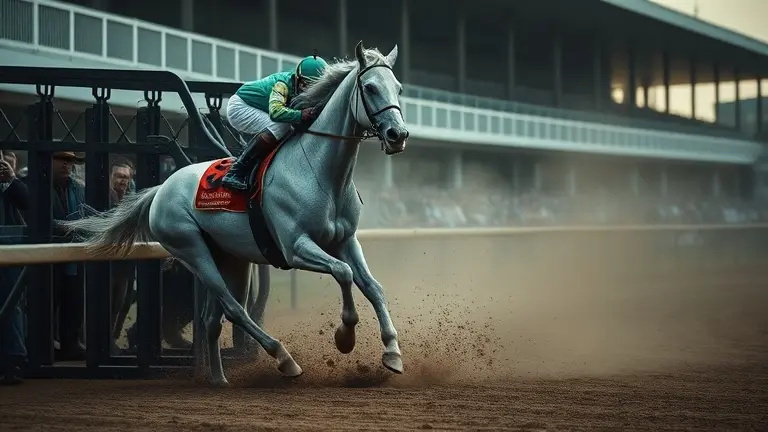
The 152nd Kentucky Derby delivered a shock to the racing world on May 2, 2026, when the gray gelding Great White, a late replacement for Silent Tactic, became the center of a dramatic starting gate incident. Minutes before the race, the high-stakes tension reached a fever pitch as the horse reared up, flipped over, and threw jockey Alex Achard. While the sight left spectators and bettors in disbelief, the swift intervention of track veterinarians ensured that both horse and rider emerged without injury. The resulting ‘late scratch’ left many asking, what happened to Great White, and how do these high-stress environments impact the safety protocols of the most prestigious race in the country?
Beyond the news headlines and the confusion of sudden changes to the field, this event highlights the immense pressure inherent in professional horse racing. As analysts dive deeper into the mechanics of the event—moving past unrelated search terms like ocelli to focus on equine behavior and track safety—it becomes clear that precision is vital. For those deeply following the Kentucky Derby or any high-stakes event, the ability to remain clear-headed and focused is just as critical as the performance on the track itself.
The Incident at the 152nd Kentucky Derby: What Happened to Great White?
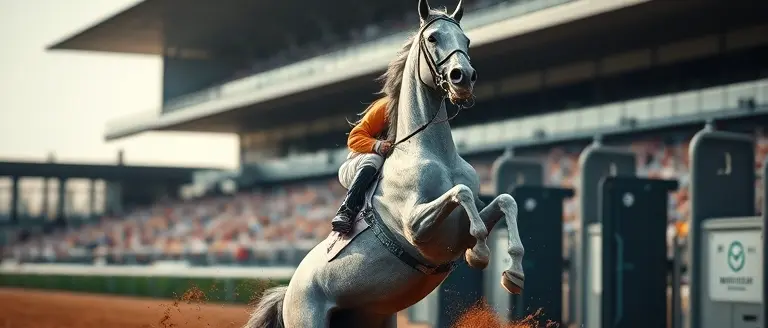
The 152nd Kentucky Derby held on May 2, 2026, was marked by a sudden and dramatic turn of events involving the great white derby horse. Originally serving as a late addition to the field, the gray gelding had been drafted to replace “Silent Tactic” earlier in the race week. However, the high-pressure environment of the starting gate proved overwhelming, leading to a frightening incident that dominated social media discourse and sports headlines. Minutes before the starting bell, the horse became agitated, reared up violently, and flipped over backward, effectively dislodging its jockey, Alex Achard.
Veterinary Assessment and Safety Protocols
Following the spill, track veterinarians rushed to the scene to conduct an immediate evaluation. Under standard Kentucky Derby safety protocols, the primary concern is the physical integrity of both the animal and the rider. Despite the intensity of the fall, officials confirmed that both Great White and Alex Achard emerged from the incident without significant injury. However, due to the nature of the flip and the potential for underlying distress or muscle trauma, the veterinarians made the difficult but mandatory decision to scratch the horse from the competition.
Understanding the Late Scratch
The decision to pull the horse led to a late scratch, a term that often causes confusion among racing fans and betting enthusiasts. In this context, a scratch occurs when a horse is removed from the field after the final entries are posted but before the race begins. Key takeaways from the event include:
- Official Status: Great White was officially withdrawn by stewards and medical staff, rendering any win, place, or show wagers on the gelding void according to standard track regulations.
- Equine Behavior: The incident highlights the inherent risks of the starting gate, where confined spaces and pre-race adrenaline can trigger unpredictable reactions in even the most experienced thoroughbreds.
- Safety First: The primary goal of the officiating team remains the welfare of the horses and jockeys, prioritizing safety over the continuation of the race field.
While fans were disappointed to see a contender removed so abruptly, the swift intervention ensured that a potentially dangerous situation did not escalate further. The event serves as a stark reminder of the complexities involved in top-tier horse racing and the rigorous safety standards enforced at Churchill Downs.
Understanding the ‘Late Scratch’ Protocol in Major Racing
In high-stakes environments like the Kentucky Derby, the “late scratch” protocol serves as a critical safety net for both equine athletes and jockeys. A late scratch, such as the one involving the great white horse, occurs when a horse is withdrawn from a race after the official post-position draw, often mere moments before the gates open. These decisions are governed by strict regulatory oversight, prioritizing the welfare of the animal over the commercial interests of the race. When an incident occurs in the starting gate—such as the horse rearing, flipping, or injuring itself—track veterinarians are empowered to intervene immediately. Their assessment is final; if a horse exhibits signs of physical trauma or unmanageable behavioral instability, it is deemed unfit to compete to prevent potential catastrophic injury on the track.
The Role of Veterinary Evaluation
The veterinary decision-making process during a high-profile event is rigorous and data-driven. Upon any incident at the gate, veterinarians evaluate several key factors to determine if a horse should remain in the field:
- Physical Integrity: A thorough examination for acute lameness, lacerations, or swelling that could impair the horse’s biomechanics.
- Behavioral Stability: Assessing whether the animal is in a state of extreme distress, which could pose a danger to the jockey, other riders, and staff.
- Concussion and Neurological Checks: Ensuring the horse did not suffer head trauma during a fall or flip, which is a primary reason why did great white scratch during the 2026 Derby.
- Regulatory Compliance: Following the specific bylaws set by the racing commission to maintain the integrity of the betting pool and race fairness.
For betting enthusiasts, the great white derby horse incident highlights the volatility inherent in horse racing. When a horse is declared a late scratch, all wagers on that horse are generally refunded, though the specific rules can vary by jurisdiction and track. This transparent protocol ensures that while the loss of a competitor is frustrating for fans, the standard of care remains the highest priority in modern horse racing. By upholding these safety standards, racing bodies protect the long-term health of the horses and the credibility of the sport.
Financial and Regulatory Implications for Bettors

The sudden exclusion of the great white derby horse from the 152nd Kentucky Derby created immediate ripples across pari-mutuel betting pools. When a horse is declared a “late scratch” by track veterinarians—as was the case when the gray gelding flipped in the starting gate—industry regulations mandate specific protocols to protect the integrity of the wagering process. For the vast majority of casual fans and professional bettors, the outcome is straightforward: any win, place, or show wagers placed specifically on Great White are subject to a full refund. Because the horse was scratched before the official start of the race, it is considered a non-starter, effectively removing it from the betting field.
Navigating Payouts and Ticket Adjustments
The confusion surrounding why did Great White scratch often stems from how different betting platforms handle multi-leg wagers, such as Exactas, Trifectas, and the Pick 6. Understanding the regulatory framework is vital for any participant:
- Win/Place/Show Bets: If you backed the horse, your funds are returned to your account balance. Most major US sportsbooks and track-affiliated apps process these refunds automatically within minutes of the official scratch announcement.
- Exotic Wagers: If your ticket included the great white horse as a component of an exotic bet, the ticket is typically adjusted based on the rules of the track. In many cases, your selection for that specific slot is replaced by the post-time favorite, or the entire combination is treated as a “consolation” payout depending on the specific state racing commission rules.
- Total Pool Adjustments: The removal of a horse minutes before the gates open changes the odds for all remaining entries. While this does not impact individual refunds, it does alter the payout structure for the winning tickets.
The incident involving the Kentucky Derby Great White serves as a stark reminder of the volatility inherent in horse racing. Bettors who find discrepancies in their account balances or have questions regarding complex wagers should consult the official “house rules” provided by their wagering platform, as these documents dictate the regulatory handling of late-scratch events. Consistent communication from track officials ensured that the Great White incident was cleared quickly, preventing long-term disruption to the 152nd Derby’s financial operations.
The Journey of a Replacement: The Path to the Derby

Entering the Kentucky Derby as a late-replacement horse is one of the most demanding transitions in professional sports. When a contender like ‘Silent Tactic’ is withdrawn, the alternate—in this case, the great white horse—is thrust into the spotlight under immense pressure. For the trainer and jockey, this requires an immediate shift from a standby status to the high-stakes environment of the Churchill Downs starting gate. The logistical challenges are profound, involving rapid transport, final veterinary clearances, and the sudden immersion into a stadium environment characterized by deafening crowd noise and intense sensory stimuli.
Training and Behavioral Hurdles
The mental fortitude required for a horse to navigate the Kentucky Derby starting gate is immense. A horse that is not fully prepared for such an environment may experience severe distress, which explains why did great white scratch following the incident in the gate. Preparing an alternate involves:
- Environmental Acclimatization: Ensuring the animal can handle the roar of over 150,000 fans.
- Gate Conditioning: Intensive practice sessions to simulate the restricted, high-pressure confines of the starting stall.
- Veterinary Oversight: Rigorous health checks to ensure the horse is fit for the grueling distance, a process that becomes expedited for late-entry replacements.
The unfortunate events leading to the great white derby horse being pulled highlight the volatility of racing. While the horse was a capable gelding, the suddenness of his inclusion left little room for the horse to adjust to the specific gate dynamics of the 152nd Kentucky Derby. Ultimately, when a horse like great white rears and flips, track officials must prioritize animal welfare over the competitive spectacle, leading to a mandatory scratch that impacts both the field composition and the expectations of thousands of betting enthusiasts who closely monitor the race lineup.
Mastering Focus Amidst High-Stakes Chaos
The incident involving Great White at the Kentucky Derby serves as a stark reminder of how quickly conditions can shift in high-pressure environments. For sports fans and betting enthusiasts, the frustration of a late scratch is real, but the primary takeaway remains the prioritization of safety for both the horse and jockey, Alex Achard. Understanding the protocols behind these race-day decisions is essential for anyone following the sport at this professional level.
Much like the intense, split-second environment of the starting gate requires total sensory precision from jockeys and officials, maintaining your own mental clarity and auditory focus is essential for navigating fast-paced, high-stress situations in your daily life. When the stakes are high, you cannot afford to succumb to the brain fog or sensory fatigue that follows complex, high-intensity news cycles.
This is where Audifort becomes an indispensable tool for your toolkit. By supporting your cognitive clarity and protecting you against sensory exhaustion, Audifort ensures you remain sharp and attentive, whether you are analyzing race day statistics or managing your own professional challenges. Don’t let mental fatigue cloud your focus when it matters most.
 Stay sharp and maintain your focus during the next big race event; discover how Audifort supports your mental and sensory clarity today.Yes, I Want This Now!